Ashley Tisdale left her 'toxic' celebrity mom group after feeling excluded and witnessing unhealthy dynamics, choosing to prioritize her well-being and set an example for her children about speaking up for oneself.
The author recounts the emotional experience of finally meeting her biological father after nearly three decades, only to face the grief of losing him shortly after, highlighting the complex feelings of connection and loss.
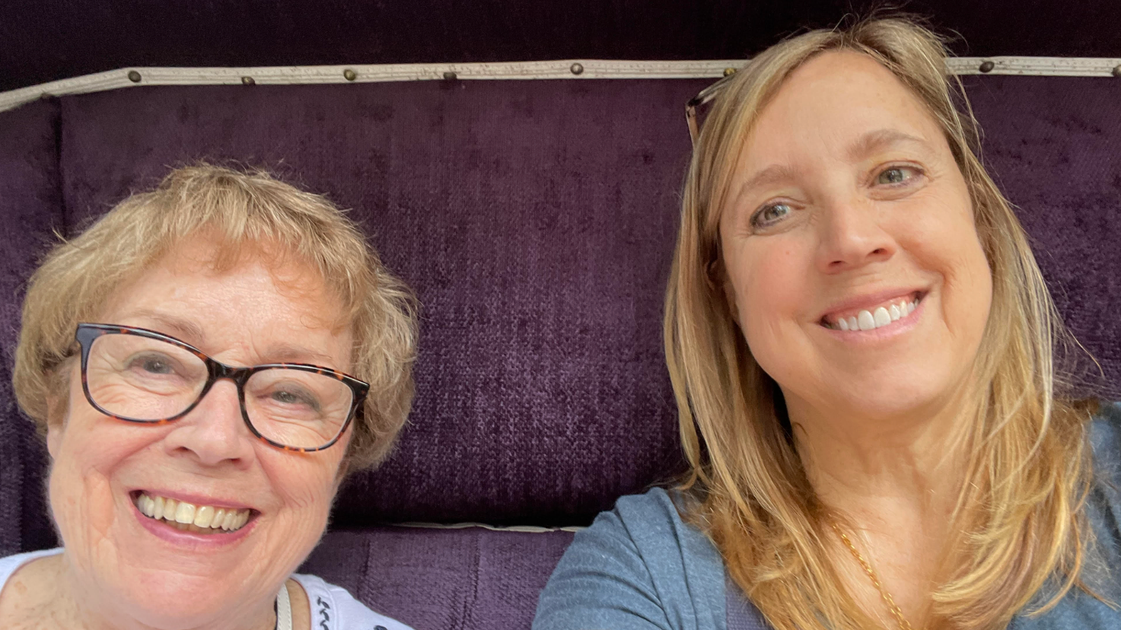
A woman reflects on her mother's move into a retirement community amid her own grief and the realization of her mother's declining mental health, highlighting the complex emotions and changing dynamics in aging and caregiving.
The author reflects on her decision to consider a tummy tuck, her journey through health challenges, and her realization that she doesn't need to fix her body to feel worthy, embracing her scars and the life they've symbolized.
Martin Scorsese wrote a heartfelt essay in The New York Times honoring his late friend Rob Reiner, praising his humor, talent, and the profound impact of his loss, following the tragic death of Reiner and his wife Michele, which deeply saddened the film community.
The author reflects on her experience as a people pleaser, highlighting how she often sacrifices her comfort and visibility to accommodate others, and explores the emotional impact of these choices.
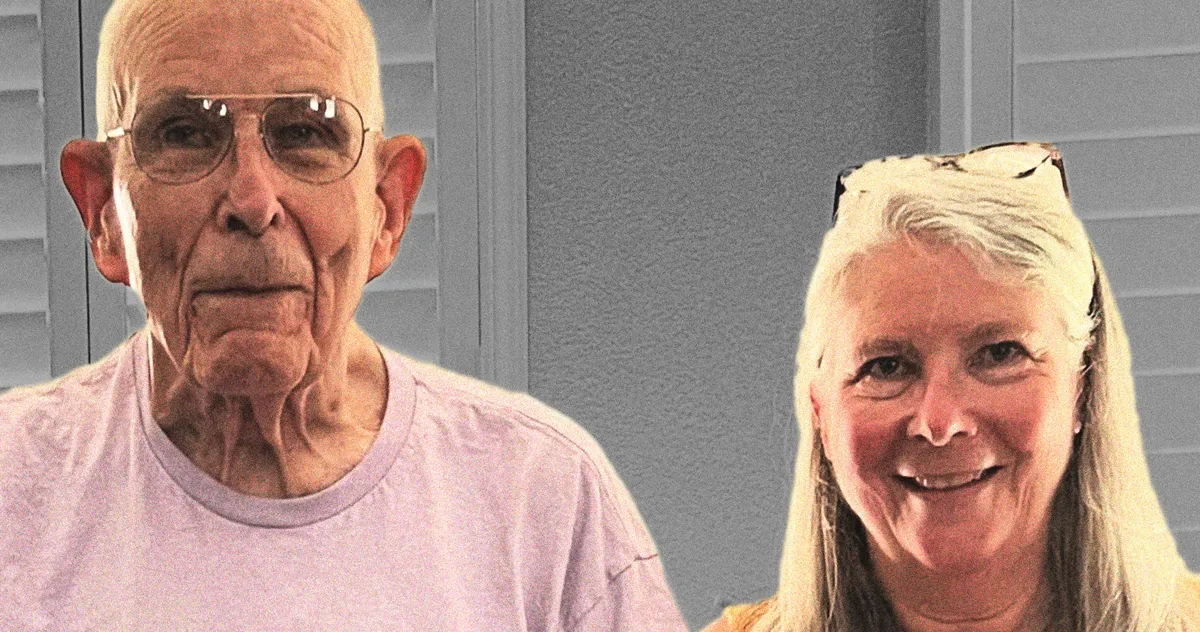
The author reflects on her father's diagnosis and death from colon cancer, highlighting his profound response to her question of 'Why him?' with 'Why not me?', which taught her to accept life's unpredictability and to live boldly. Her story emphasizes the importance of early cancer screening and the life lessons learned from her father's resilience and perspective.
The author reflects on her father's diagnosis with colon cancer, his stoic response of 'Why not me?', and how his perspective taught her to accept life's unpredictability, cherish each moment, and live boldly, inspiring her to prioritize health and pursue her dreams despite life's challenges.
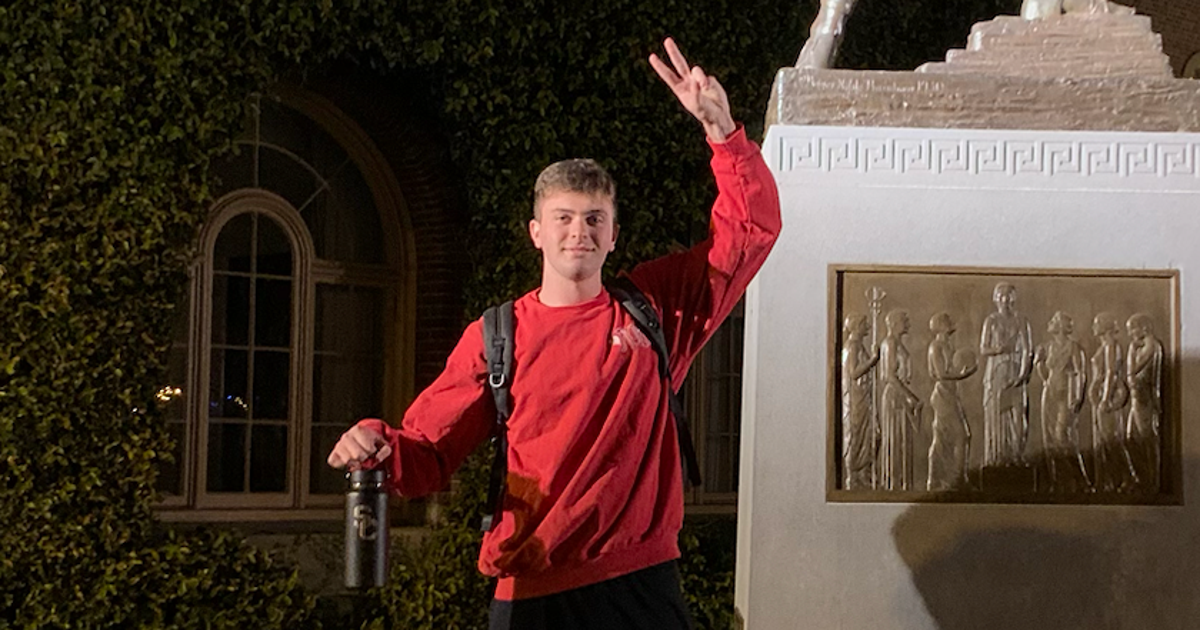
A gay college student recounts a transformative night of hazing and vulnerability in his fraternity, where he shared a traumatic secret, found acceptance, and challenged societal homophobia, ultimately discovering a supportive brotherhood that changed his life.
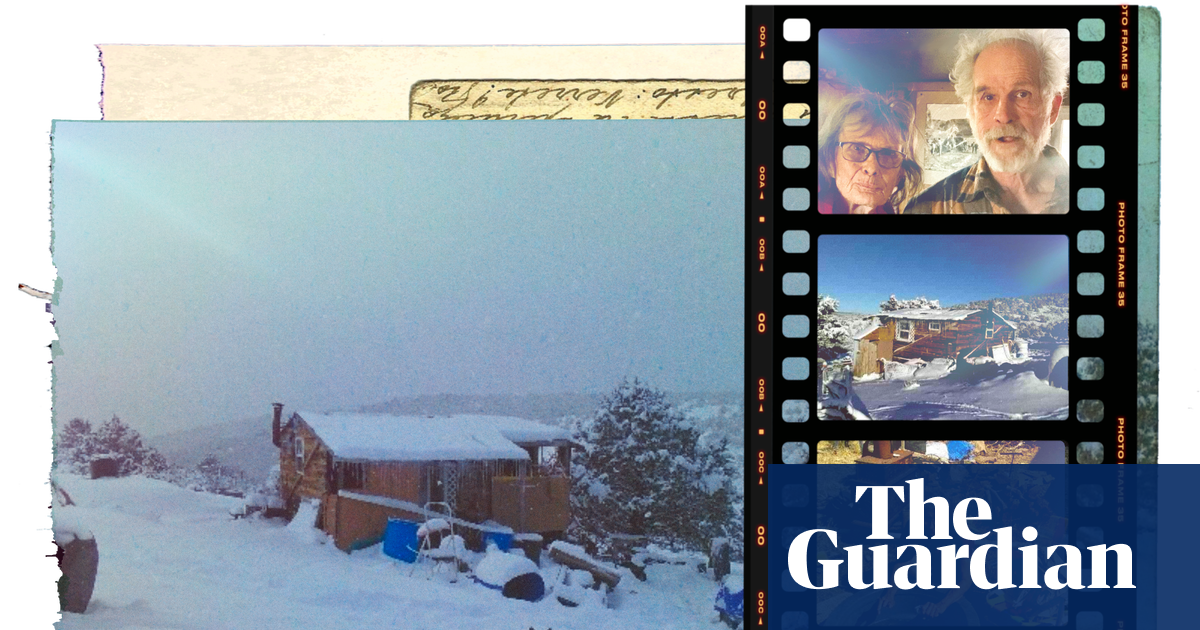
The author recounts her mother's 15-year life living off-grid with her husband Mark in a remote mountain cabin, exploring themes of resilience, dependency, and mental health, culminating in her mother's diagnosis of folie à deux and her subsequent health decline, highlighting the complex dynamics of their relationship and the impact of isolation and caregiving.
The author explores her initial black-and-white view of cheating as unforgivable, but her perspective shifts after witnessing and researching stories of infidelity rooted in abuse, survival, and complex emotional needs, leading to a more nuanced understanding that infidelity can sometimes be a response to extreme circumstances rather than moral failing.
The author shares the complex and loving story of her father, a gay man who married her mother, kept his sexuality secret for decades, and maintained a deep love for his family despite societal pressures and personal struggles, ultimately emphasizing that love can take many forms and is worth understanding and respecting.
Molly Jong-Fast recounts a tumultuous week marked by her dog’s seizure, her mother’s declining mental state, her stepfather’s Parkinson’s, and her husband's alarming health diagnosis, exploring themes of human frailty, mortality, and familial bonds.
The author recounts the breakdown of their relationship with their conservative in-laws over immigration issues, highlighting a pivotal moment when they received an anti-immigration book as a gift. Despite attempts to reconcile, the in-laws' lack of understanding and apology for their actions led to a permanent rift. The author reflects on the broader societal divide over immigration and the challenge of maintaining relationships when fundamental human rights are at stake.
The author recounts how a cringeworthy conversation with her white friend Kim, who marveled at attending a Black wedding, changed their relationship forever. This incident highlights the challenges and nuances of interracial friendships, where Black individuals often navigate white spaces and cultural misunderstandings. The author contrasts this with her more balanced and respectful relationships with other white friends and her white boyfriend, emphasizing the importance of mutual cultural appreciation and effort in maintaining true interracial friendships.