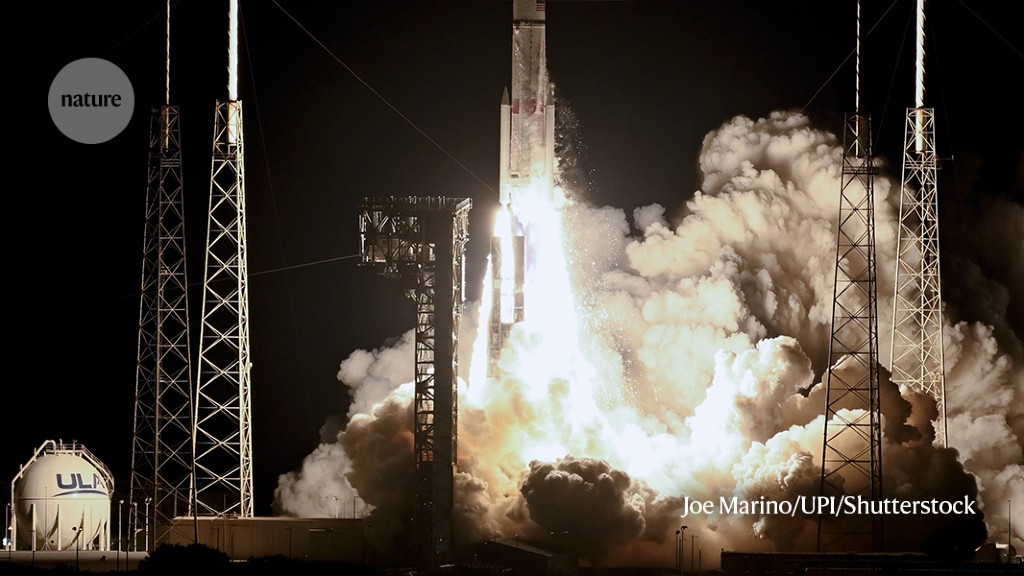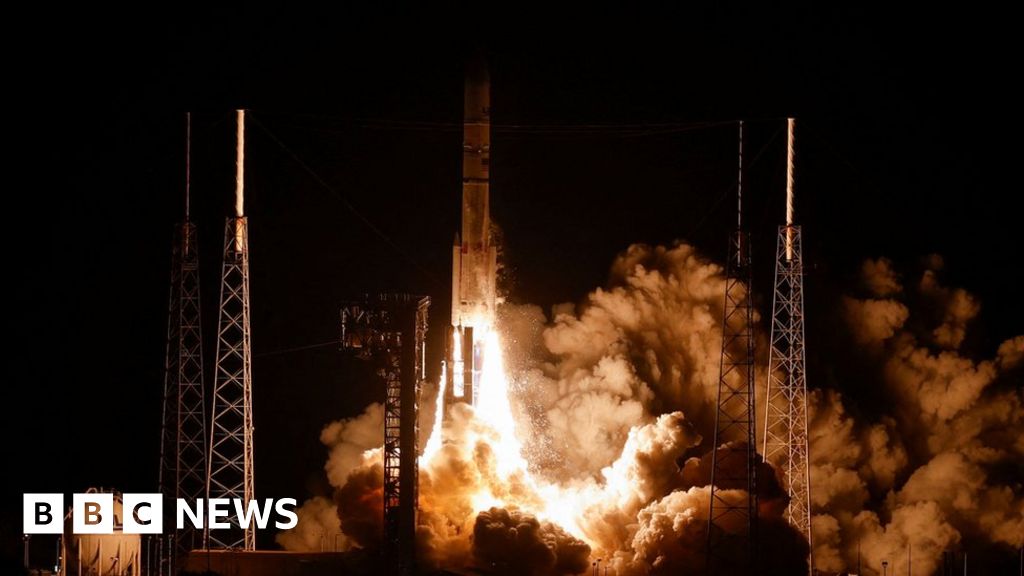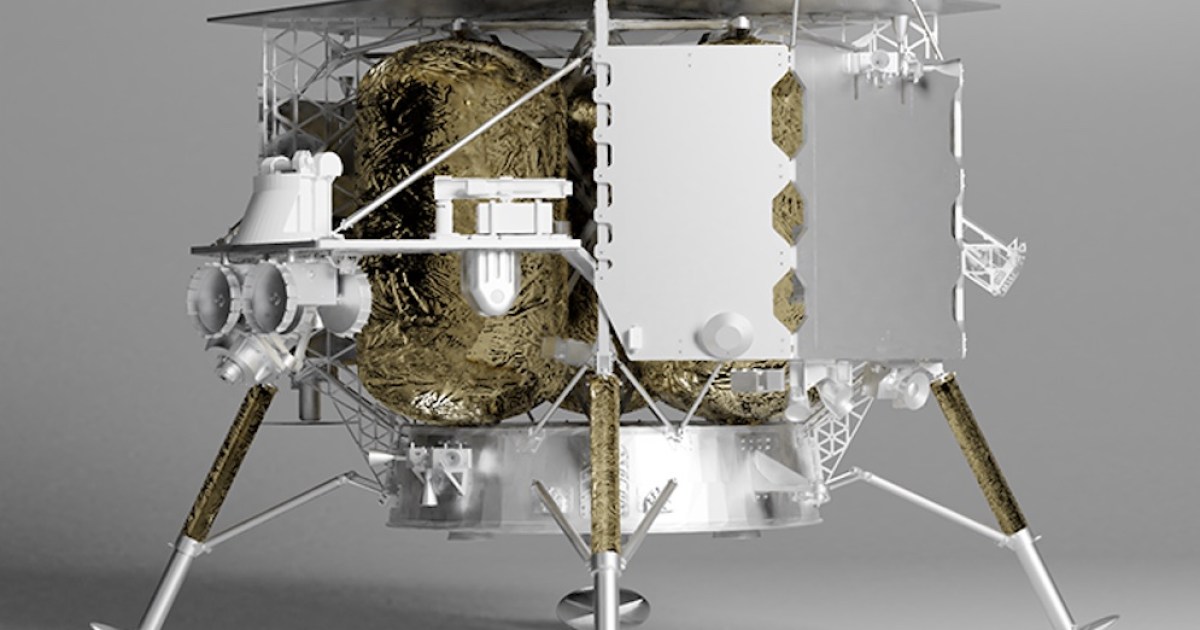
NASA has confirmed that Astrobotic’s Peregrine spacecraft will burn up in Earth’s atmosphere on January 18 after a propellant leak prevented it from reaching the lunar surface. Despite the setback, the mission has provided valuable data for future missions, and Astrobotic remains optimistic about its next mission to the moon with the Griffin Lander in November. The Peregrine Mission 1 was part of NASA’s CLPS program, which aims to send science missions to the moon ahead of the first Artemis crewed landing in 2026.
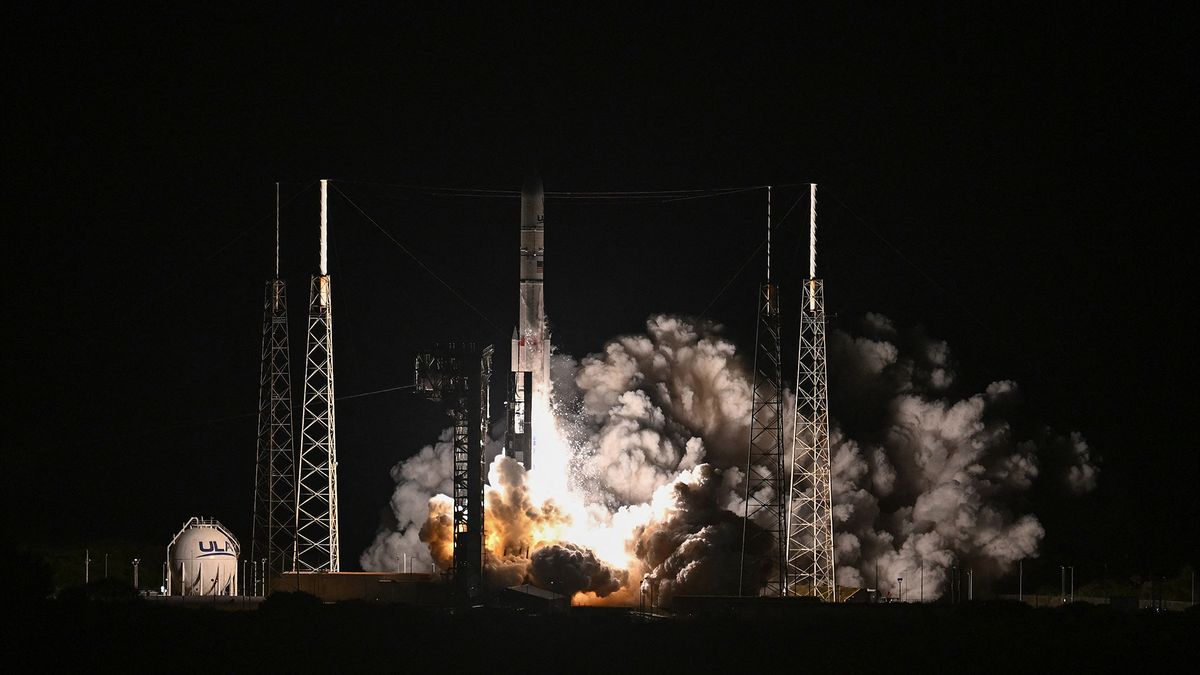
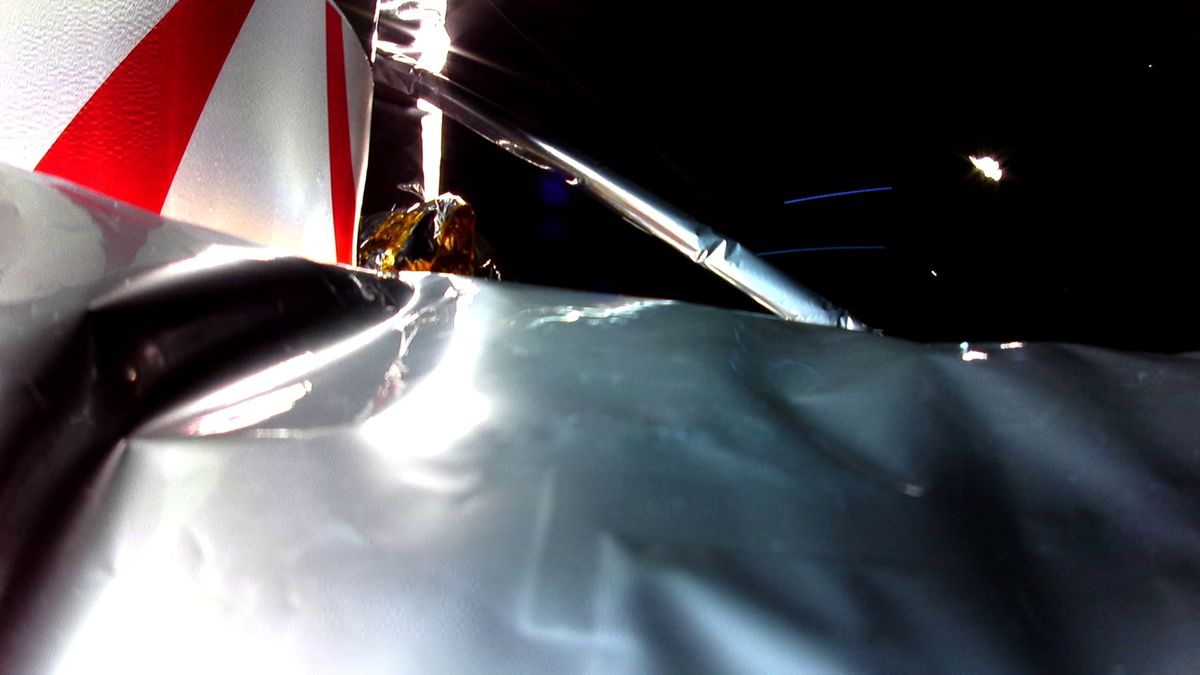
The Peregrine spacecraft, aiming to perform a soft landing on the moon, suffered a propulsion anomaly due to a fuel leak, rendering it unable to complete its mission. The spacecraft, carrying human remains and DNA samples, was set to deploy instruments and experiments on the lunar surface. Despite the mission's abandonment, the company plans to keep the craft operational for future data collection. This setback comes amid a new private-public partnership between NASA and U.S. companies to send more missions to the moon, with NASA tolerating some mission failures.
The private US Moon lander, Peregrine spacecraft, encountered propellant leakage and control issues shortly after its launch, likely preventing it from achieving its goal of landing on the Moon. The spacecraft, built by Astrobotic as part of NASA's Commercial Lunar Payload Services program, was carrying research payloads worth $108 million. Despite this setback, the company aims to learn from the experience and prepare for future missions, while NASA sees it as a teachable moment for advancing lunar exploration and commercial development.
The Peregrine spacecraft, owned by Astrobotic Technology, suffered a critical loss of propellant just six hours into its flight, dooming its mission to attempt a soft landing on the moon. The spacecraft, carrying human remains and scientific payloads, experienced technical difficulties and a propulsion system failure, leading to a leak and loss of necessary rocket fuel for a moon landing. Despite efforts to stabilize the situation, the mission has been lost, marking a significant setback for the first U.S. attempt at a safe lunar landing since 1972 and the first-ever commercial flight to the moon.
The private US Moon mission, involving the Astrobotic company's Peregrine spacecraft, has encountered a technical anomaly that has hindered its ability to point its solar panels at the Sun, jeopardizing its mission to land on the Moon. Engineers are working to resolve the issue, which is believed to be related to a propulsion anomaly. Despite the setback, Nasa remains committed to its private-public partnership with Astrobotic and two other commercial ventures, aiming for six missions to the lunar surface in 2024.