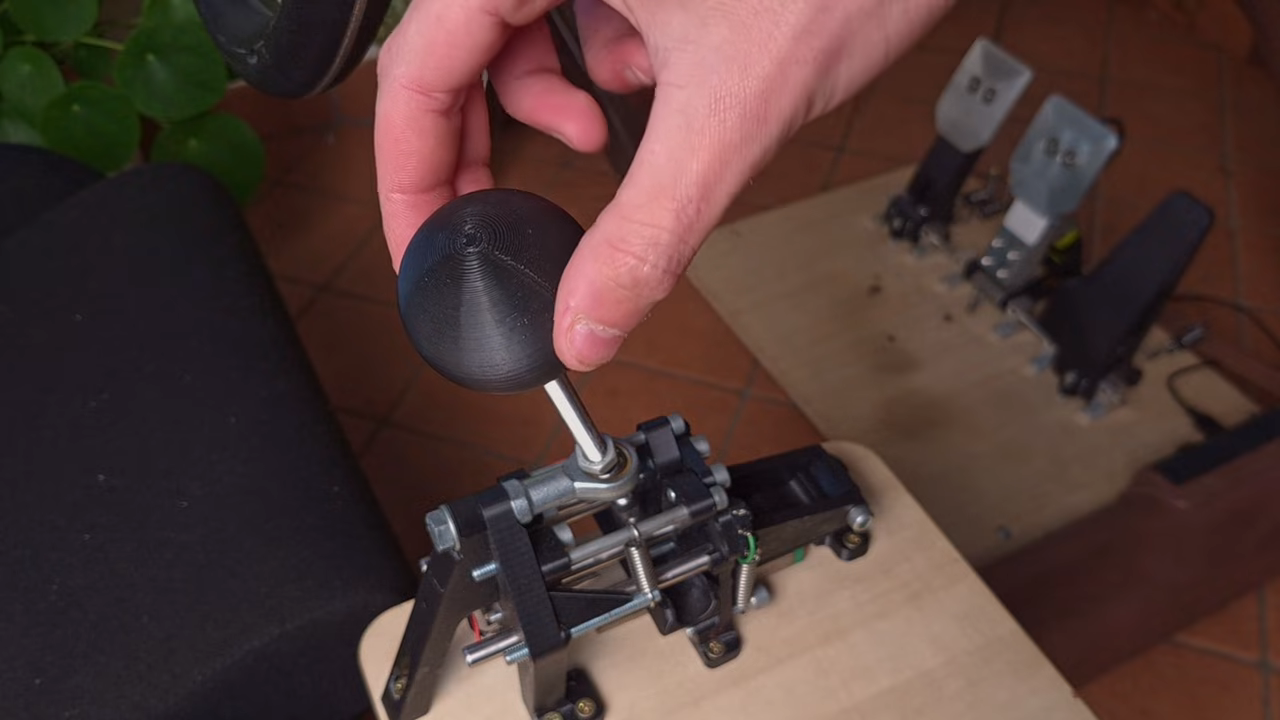
A detailed guide on building a high-performance, realistic shifter for sim racing using 3D printed parts, metal hardware, and Arduino for detection, offering a cost-effective and customizable alternative to commercial options.
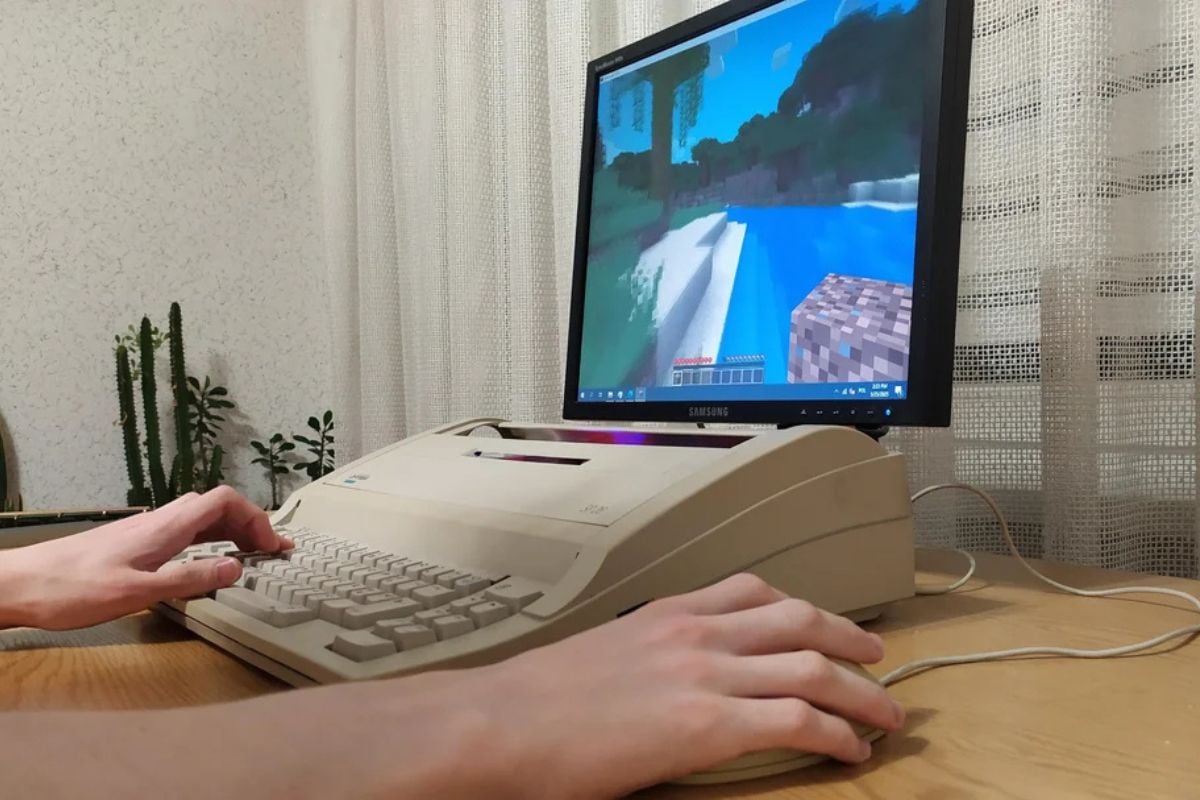
A gamer creatively transformed an old typewriter into a functional gaming PC capable of running Minecraft by integrating modern hardware and using an Arduino microcontroller to modernize the keyboard, showcasing innovation and eco-responsibility in tech DIY projects.
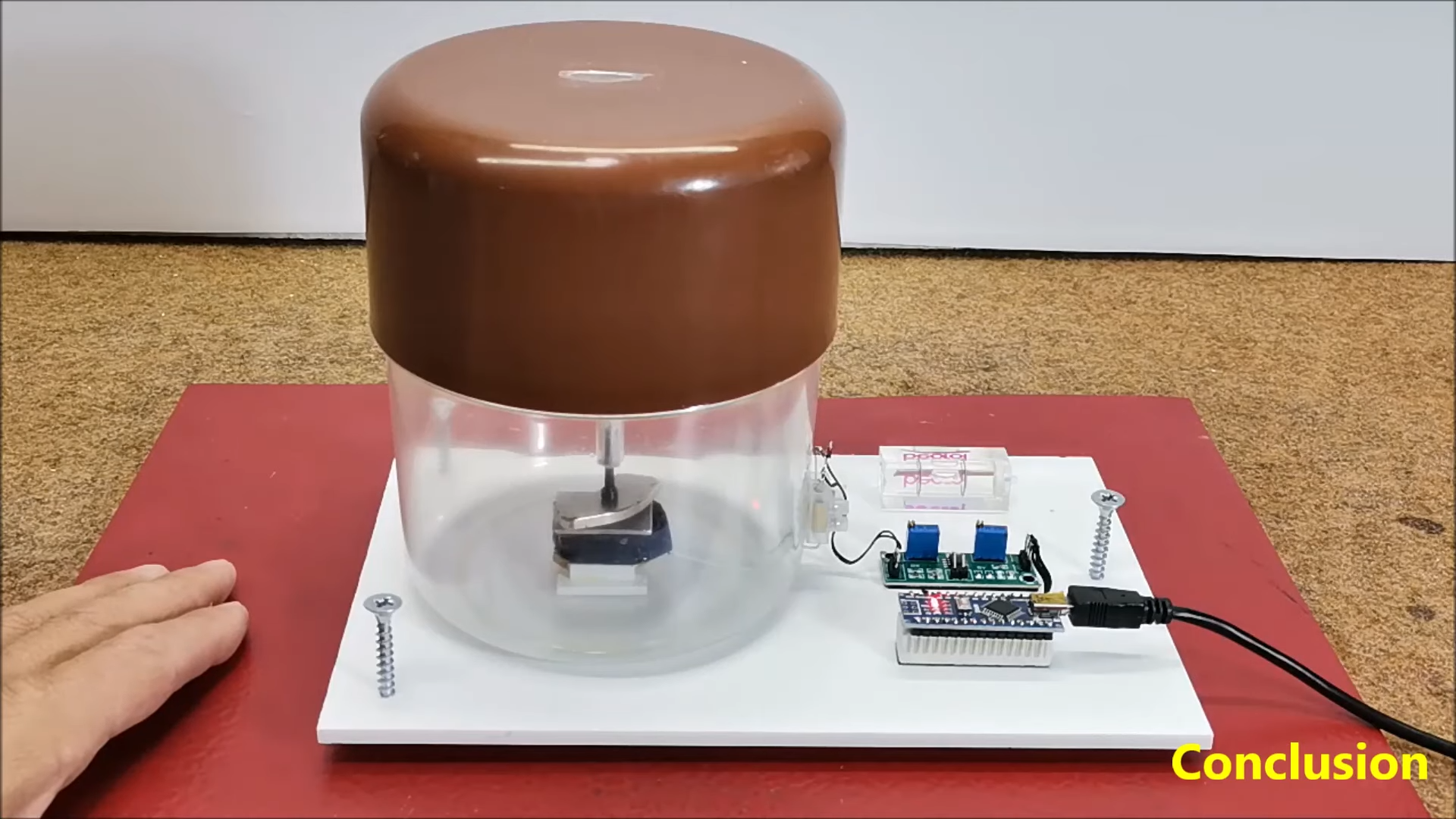
A DIY enthusiast built a seismometer using a sensitive geophone of their own design, an LM358 op-amp circuit for signal amplification, an Arduino for capturing the output, and NERdaq software for plotting the results on a PC. The setup has been reliably visualizing earthquake activity for over 6 years, providing an accessible way to understand geology despite not being calibrated for scientific accuracy.
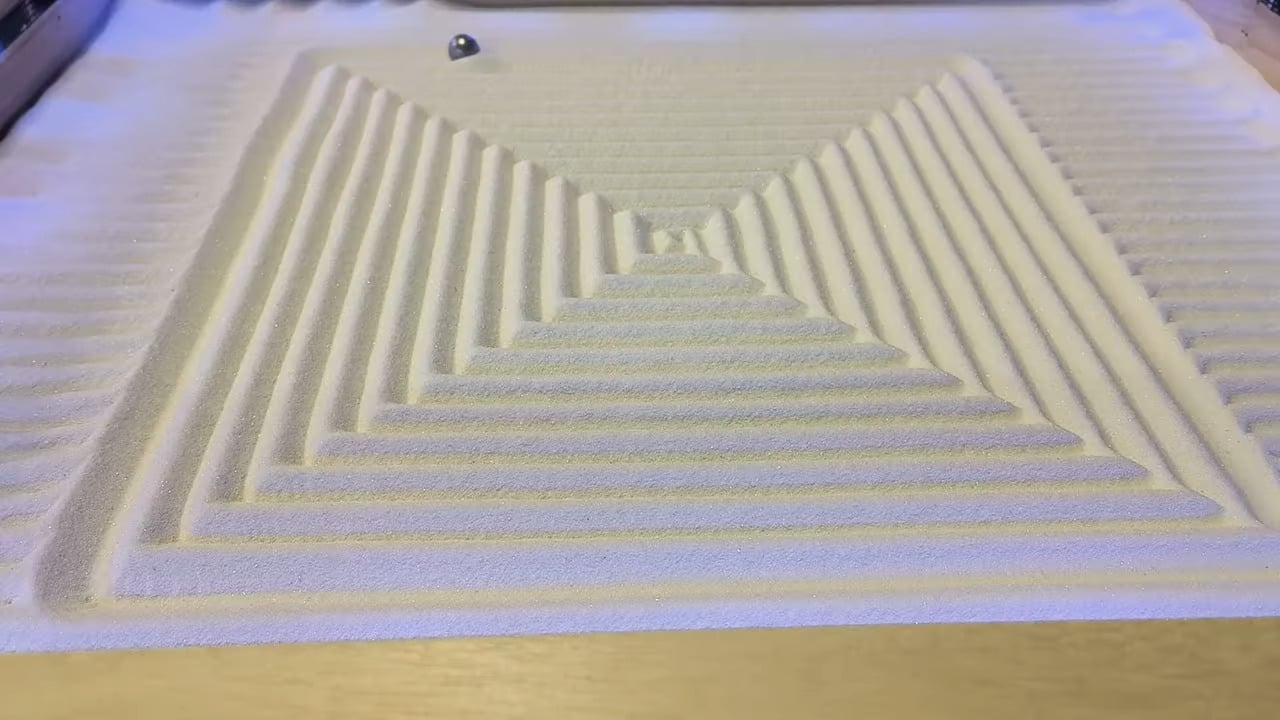
A DIY enthusiast, [NewsonsElectronics], has created a mesmerizing kinetic sand table powered by an Arduino and controlled by a single CNC shield. The project, which began with a simple coffee table, involves intricate design and the use of a laser cutter to create the necessary parts. Stepper motors drive magnets that guide a ball bearing through the sand, creating captivating patterns. The creator also explains how to run the table with minimal GRBL code on an Arduino, optimizing the g-code generated by Sandify. The build process and demonstrations are available in a series of videos.
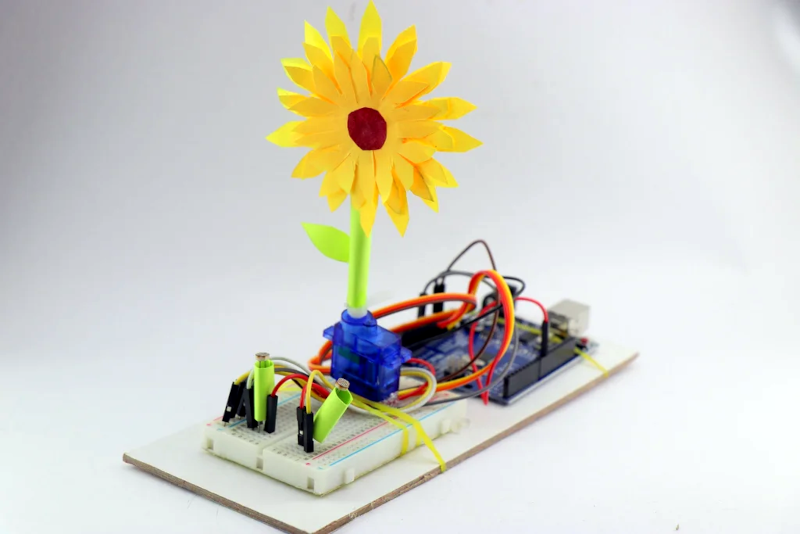
A plastic sunflower, equipped with an Arduino, light sensors, and a servo motor, mimics the movement of a real sunflower by tracking the sun. This simple yet whimsical project could be a great school project to engage students in electronics and programming. The use of light-dependent resistors allows for analog readings to determine the sensor receiving the most light. While alternative circuitry could achieve the same effect, the versatility and affordability of microcontrollers make them a popular choice.
Gregory Strike has created an automatic NES controller that can execute frame-perfect inputs for games like Super Mario Brothers. By using the latch signal as a time reference and replacing the digital "mixtape" with an Arduino, the modified controller consistently performs frame-perfect inputs. Additionally, Strike has developed a Twitch bot that allows users to send input sequences to the controller via chat, expanding its capabilities. This project shows promise for further development and integration with the internet.
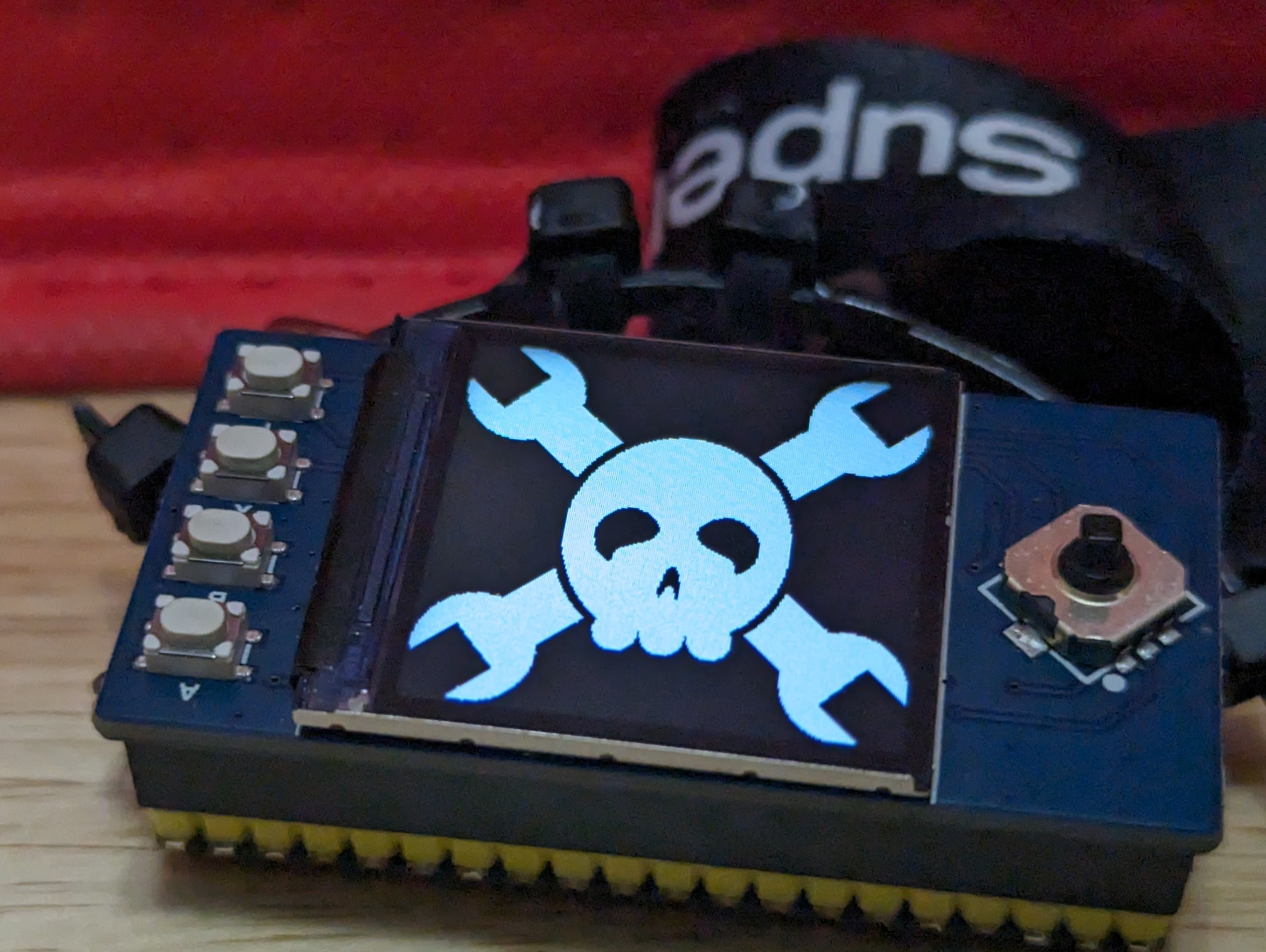
This article discusses the process of creating a personalized conference badge using easily accessible modules. The author uses the Waveshare RP2040-Plus clone, an LCD display, and the Arduino tools to build the badge. The badge functions as a slide show, displaying images and text with customizable timing. The author also explains how they utilized the RP2040's second core for button responsiveness and implemented a scripting language to simplify badge configuration. The article provides details on the hardware, software, and script services used in the badge, as well as potential future improvements.
Pisces Printing has designed an improved and faster version of a coil winder, using a linear rail, a leadscrew driven by a stepper motor, and controlled by an Arduino Nano. The design includes faster stepper motors, a redesigned PCB with a better power supply, and a 3D printed three-jaw lathe-style chuck for easy fixing of a coil bobbin.
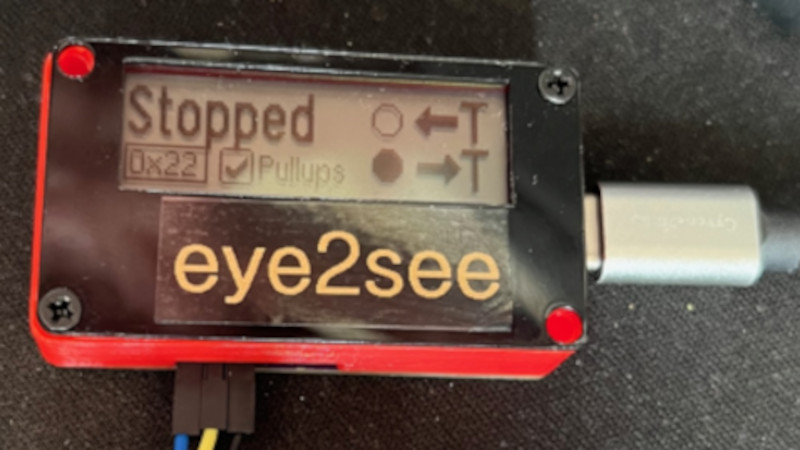
Eye2see is a project that aims to improve the debugging capabilities of the Arduino platform by utilizing the i2c bus. By connecting a probe to the i2c bus on an Arduino, the eye2see software allows for more robust debugging tools, including variable tracking, breakpoints, and message output on a screen. While the library running on the host Arduino may slow down the program, the tradeoff for powerful debugging tools may be worth it for complex programs. Alternatively, there are other tools available that can debug Arduino code directly from a connected PC.
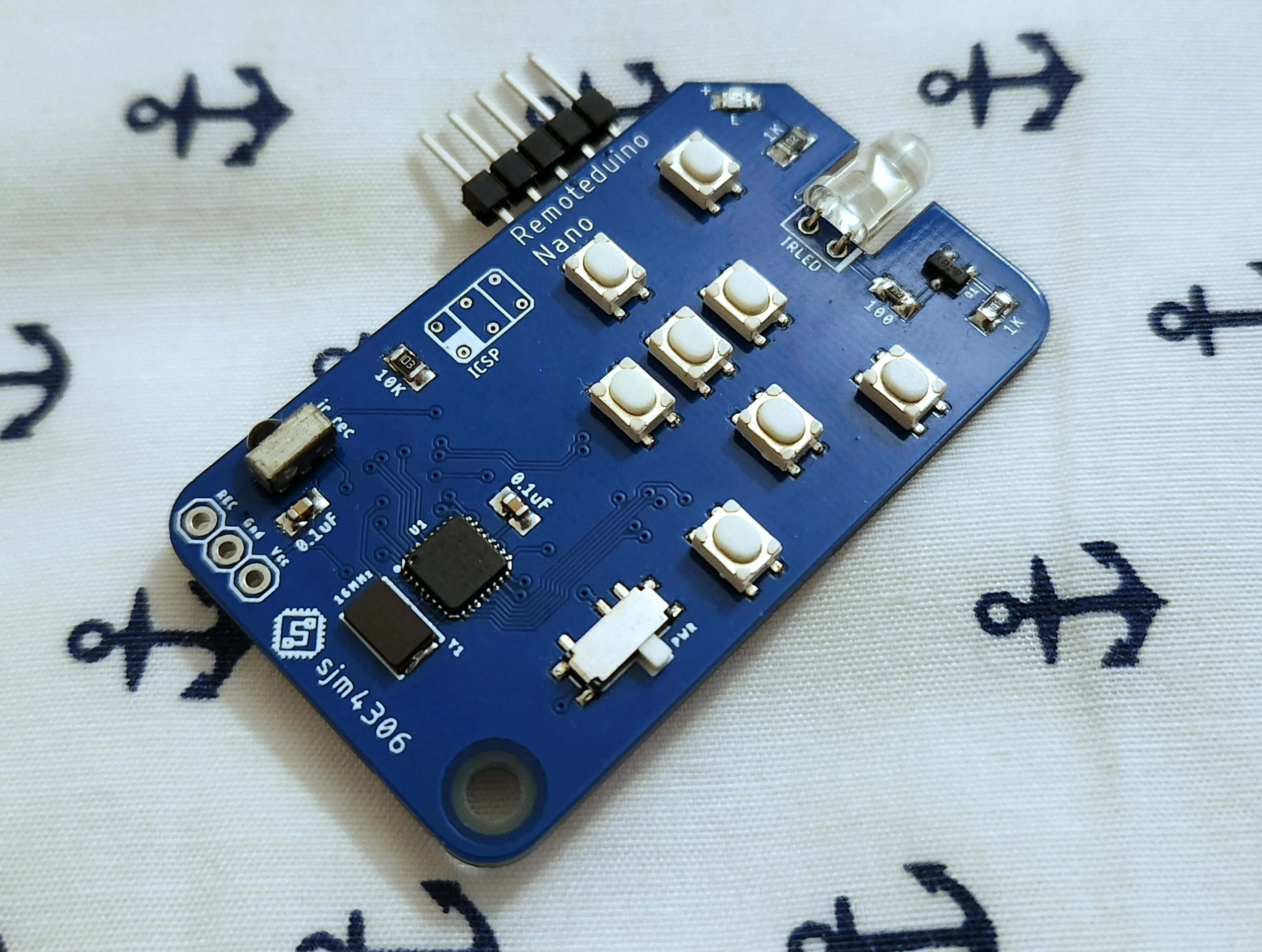
The Remoteduino Nano is a fully programmable IR remote that allows users to map eight buttons to any desired code. It runs on an ATmega328p and includes a five-pin header to program the device through its serial port. The tiny size of the Nano makes it a convenient tool for those who like to tinker with A/V systems and keep losing their remotes. The project's code and Gerber files are freely available for download.
A Reddit user has shared code for a dynamic WiFi beacon that Rickrolls wireless LAN users via the broadcast SSID of an ESP32 WiFi radio. The ESP32 and its smaller sibling, the ESP8266, are popular microcontrollers featuring built-in WiFi support, making them a favorite for makers, hackers, and pranksters. The sketch periodically updates the SSID to a next line of text stored within the code, with the Rickroll prank featuring the next line of lyrics from "Never Gonna Give You Up" by Rick Astley.