
electronics3.785 min read
Top 4K TV Deals: Big Screens and Bargain Prices
2 months ago•Source: Digital Trends

The latest electronics stories, summarized by AI
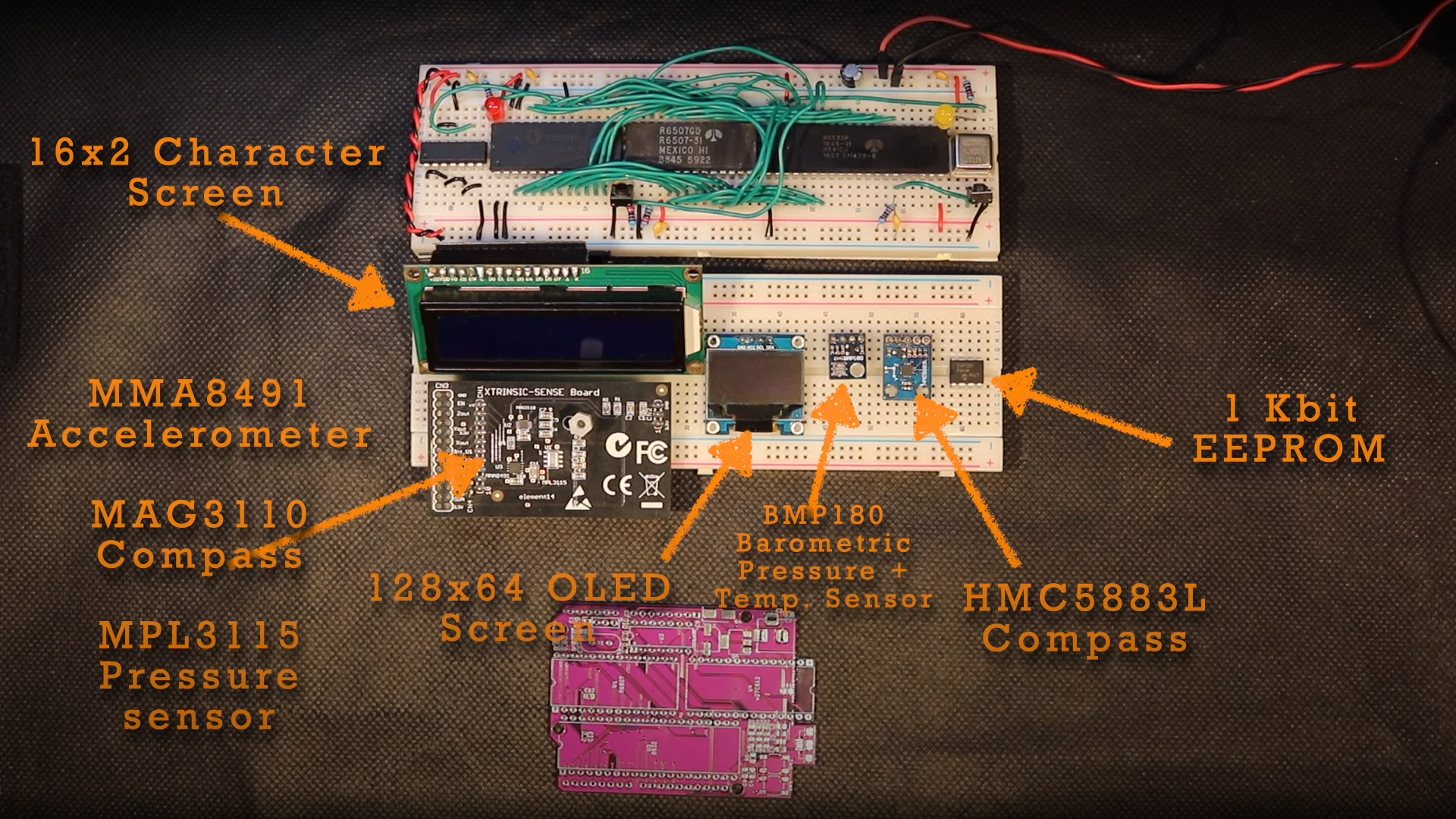
Anders Nielsen demonstrates how to bit-bang I2C using 6502 assembly language in his 65duino project. Since there is no dedicated I2C interface hardware, the programmer must take care of all the details of the I2C protocol in software. Nielsen shows how to generate the I2C start, stop, and NACK conditions required to write to the SSD1306-based OLED. From these basic roots, a complete OLED library in assembly can be constructed.
Hackaday•2 years ago
Hackaday•2 years ago
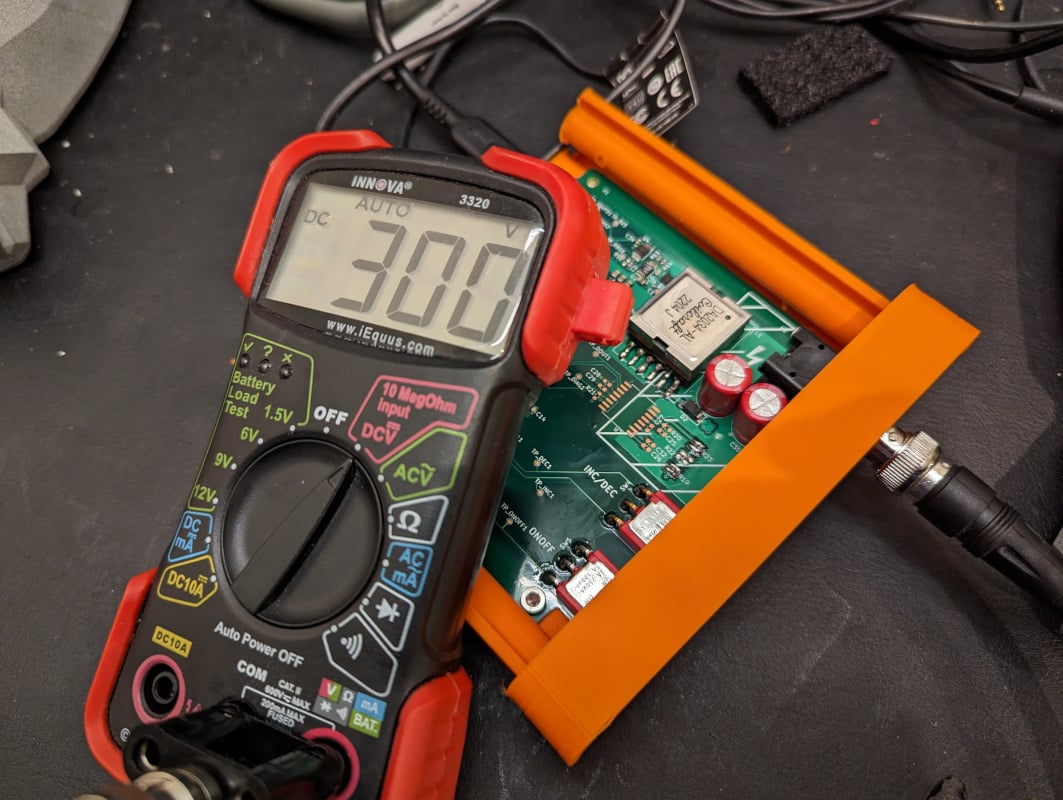
Aylo6061 has created a high voltage power supply of 300 volts from a USB power supply, which will be used for electrophoresis or electrowetting. The circuit is designed with double insulation and complete isolation between high and low voltage sides, making it safe to use. The control circuitry is based on an RP2040 chip with USB isolation for data lines. The project code is available on GitHub.

John Guy has designed a continuity tester that modulates the beeper's tone according to the resistance measured in the circuit, making it easier to track down a short circuit. The circuit is based on a single AD8534 quad op amp chip and features a voltage-controlled oscillator, a comparator with hysteresis, and a low-pass filter. The PCB design is easy to assemble and can be placed in a laser-cut acrylic case, turning it into a neat handheld instrument.
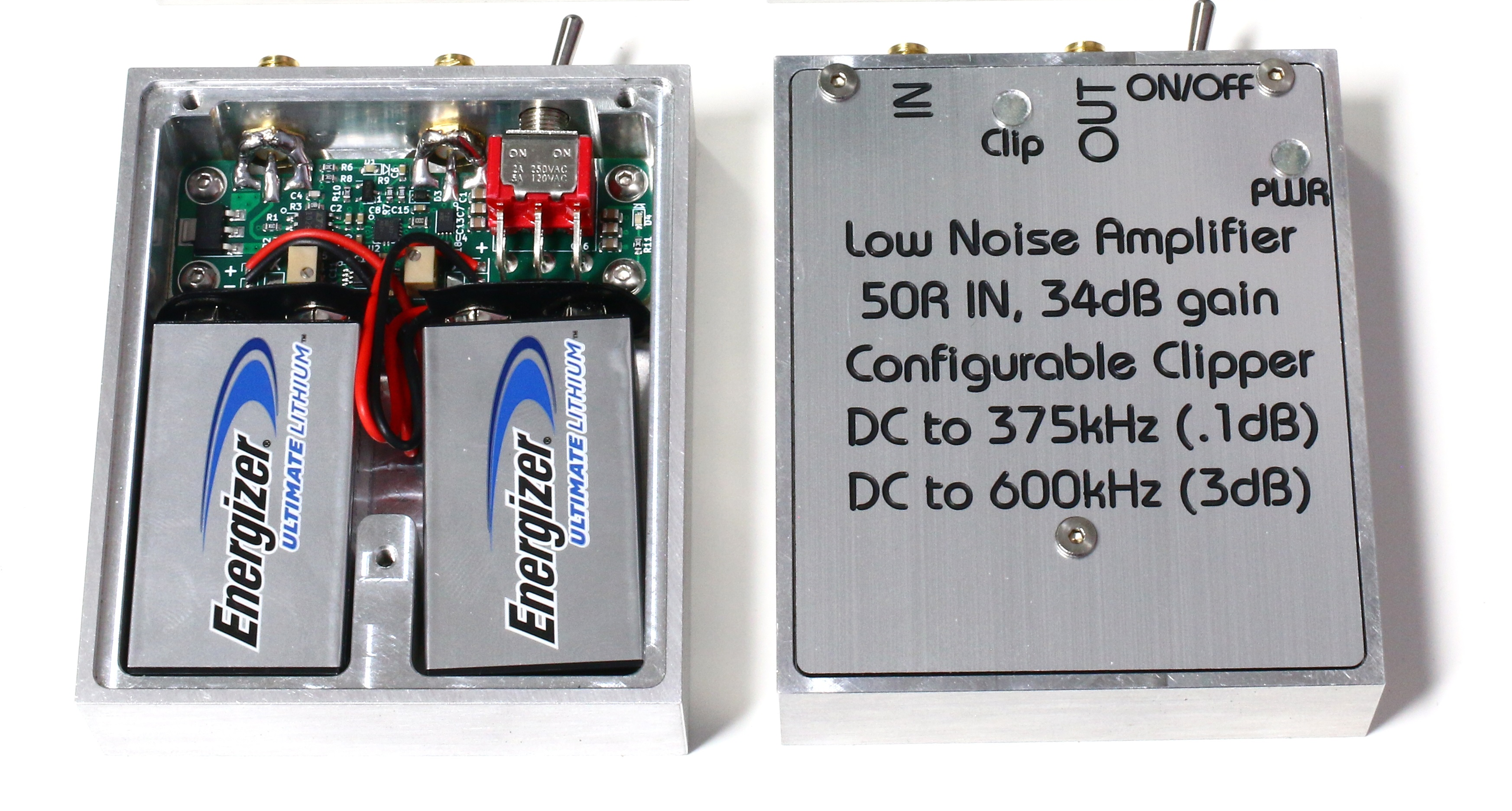
[Limpkin] designed a low-noise amplifier and signal buffer to measure the noise produced by a 50 Ohm resistor, which is the impedance most commonly seen on the inputs and outputs of RF systems. The amplifier cranks up the noise signal by a factor of 100, using ultra-low noise op amps running off a pair of nine-volt batteries. A clipper circuit was added to the amplifier to prevent any stray DC voltage present at its input from damaging the analyzer’s sensitive input port. The end result was about 0.89 nV, just as predicted by theory.