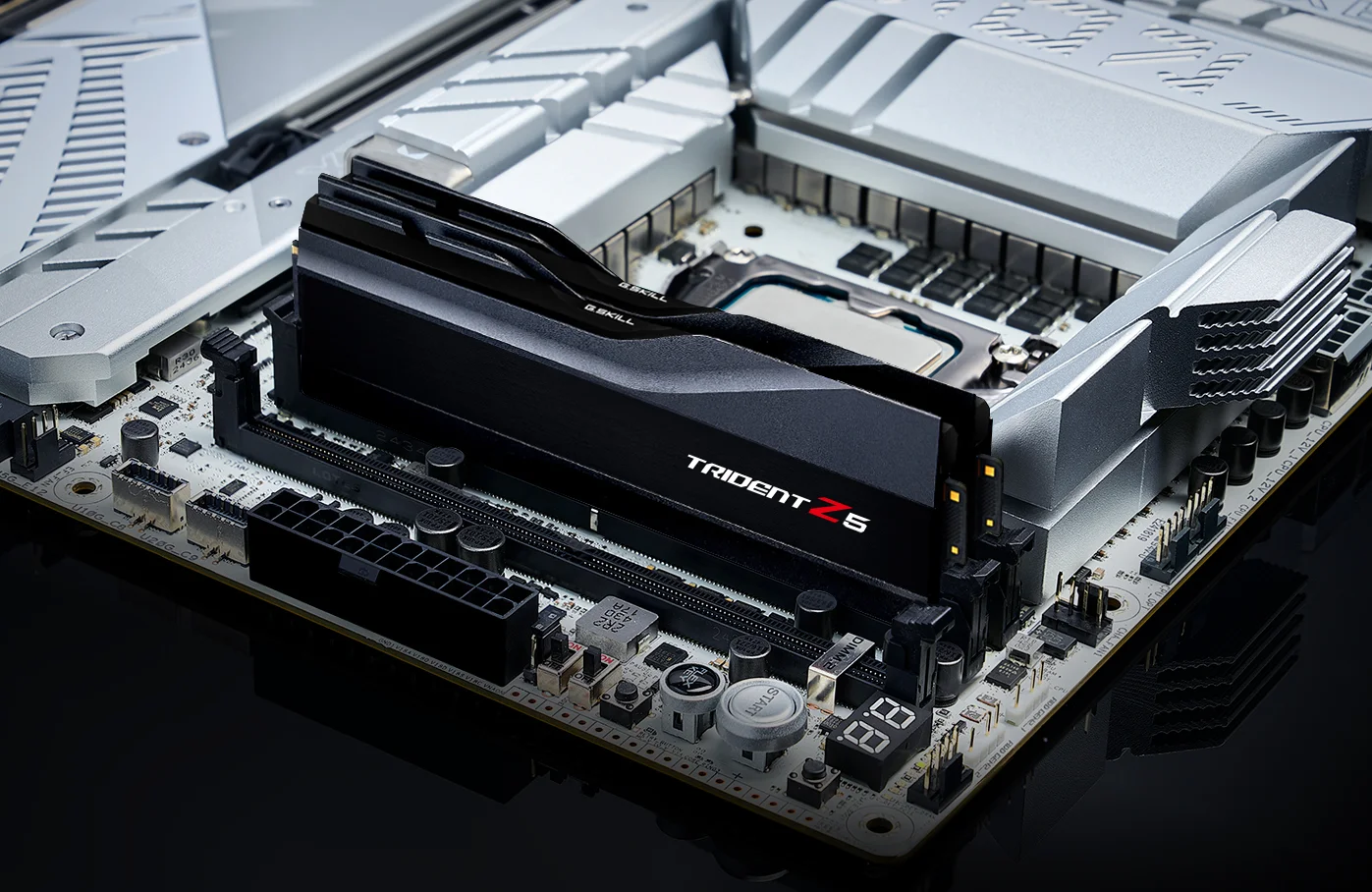
PC manufacturers are struggling with severe DRAM shortages, leading to options like raising prices, modifying product configurations, or delaying launches, with major GPU releases postponed into 2026 and 2027 due to supply constraints.
As Windows 10 support ends in a few months, there is a surge in desktop PC replacements across Europe, driven by enterprise refresh cycles and OS migration needs, despite some resistance due to economic factors and hardware incompatibilities. Major PC manufacturers report delayed upgrade cycles, but demand for Windows 11-compatible desktops is increasing, with desktops leading the PC revenue growth in early Q2.
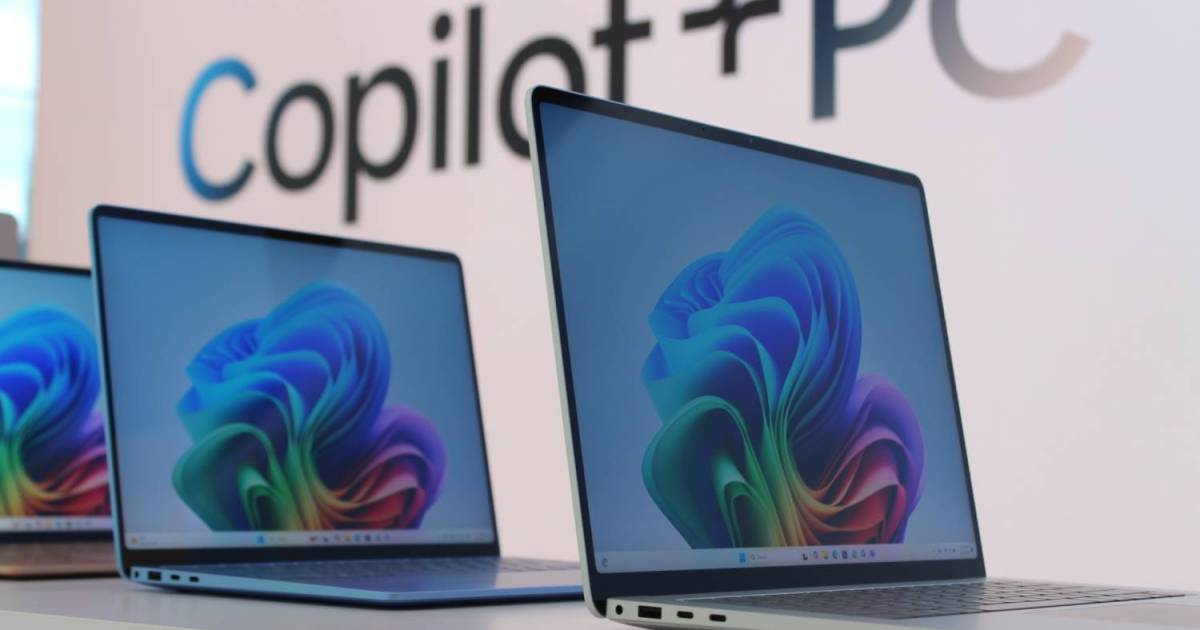
Microsoft has significantly reshaped the PC industry with its introduction of Copilot+ and related hardware requirements, pushing AMD and Intel to accelerate their product releases and adapt to new AI-focused demands. This shift has disrupted traditional release cycles and highlighted Microsoft's influence, as both AMD and Intel rush to meet the new standards and remain competitive in the evolving market.
US stocks edged higher as investors awaited the release of the Consumer Price Index, with the S&P 500 and Nasdaq climbing, while the Dow Jones added points. Fading rate-cut hopes have pushed up the 10-year Treasury yield, and concerns about inflation have been sparked by rising metals prices. Additionally, teens are tightening their spending, with a focus on cosmetics, and the PC industry is showing signs of recovery with growing shipments of desktops and notebooks.
The PC industry saw a slight growth in Q4 of 2023, but analysts warn of an impending rise in component costs, particularly for memory, which could lead to a price hike for laptops and desktops in 2024. Gartner reports a 0.3% growth in shipments, while IDC and Canalys offer differing views. Major vendors experienced mixed performance, with Lenovo and HP showing growth, while Dell and ASUS declined. The US market expanded, EMEA saw growth, and Asia Pacific declined. Overall, the market appears to be stabilizing, but challenges lie ahead due to cost increases and geopolitical uncertainties.
Nvidia is reportedly designing central processing units (CPUs) that would run Microsoft's Windows operating system using technology from Arm Holdings, in a move to challenge Intel's dominance in the personal computer market. Microsoft's plans aim to compete with Apple, which has gained market share with its own Arm-based chips for Mac computers. Advanced Micro Devices (AMD) also plans to make Arm-based chips for PCs. Nvidia, AMD, and Qualcomm's efforts could disrupt the PC industry, which has long been dominated by Intel. Microsoft has encouraged chipmakers to build advanced AI features into the CPUs, envisioning AI-enhanced software as an integral part of Windows. However, the transition from x86 computing architecture to Arm-based designs may pose challenges.
AMD reported a 9% drop in revenue for Q1, with the biggest decline in its client group, which includes sales from PC processors. The company's net loss was $139 million, compared to net income of $786 million during the same period last year. Despite beating Wall Street expectations for earnings and sales, AMD's guidance for the current quarter was lower than expected, causing shares to drop over 3% in extended trading. However, CEO Lisa Su signaled that the company expects growth in the second half of the year as the PC and server markets strengthen.
Microsoft is reducing the production of peripherals for its Surface computers due to the ongoing downturn in the PC industry. The tech giant is consolidating resources and suppliers have been given short notice. The Surface series includes tablets, desktop and notebook computers, and wireless devices such as headphones. Microsoft has spent over a decade building up the supply chain for its Surface brand.