The article discusses the evolving role of patients in 'patient-centered' care, especially when dealing with terminal illnesses, emphasizing the importance of active participation and understanding in the healthcare team.
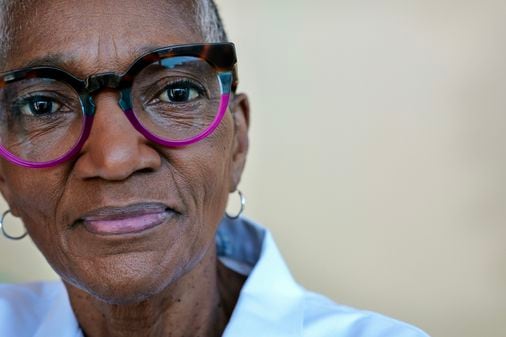
Thea James, vice president of mission and associate chief medical officer at Boston Medical Center, is leading efforts to reduce racial health disparities by prioritizing patient input and empowerment. Through the Health Equity Accelerator initiative, BMC has seen promising results in reducing racial disparities in diabetes risk and postpartum readmissions. By focusing on patient needs and experiences, BMC has implemented simple but effective solutions, such as a blood pressure monitoring strap and standardized protocols, to improve maternal health outcomes and address racial disparities in healthcare.
A study led by researchers from the University of Cambridge and Kings' College London found that clinicians rank patient self-assessments as the least important factor in diagnostic decisions. The study highlighted the under-valuation of patient reports and the tendency for patients to be disbelieved or have their symptoms downplayed. Clinicians ranked their own assessments highest, despite acknowledging their lack of confidence in diagnosing invisible symptoms. The study emphasized the need to value patients' insights and experiences, particularly for long-standing diseases, and called for a more collaborative relationship between patients and clinicians. Including patients' perspectives in diagnosis could lead to improved accuracy, fewer misdiagnoses, and greater patient satisfaction.
Mayo Clinic has unveiled plans for a $5 billion redesign of its Rochester campus, aiming to create "health neighborhoods" that provide continuous care to patients based on their clinical needs. The new model will replace the traditional fragmented and episodic healthcare system with flexible facilities offering labs, imaging, consultations, and clinics. The use of emerging technologies such as artificial intelligence and automation will enhance the patient experience and streamline staff work. The project, titled "Bold. Forward. Unbound.," includes five new buildings and is expected to be completed by 2030.
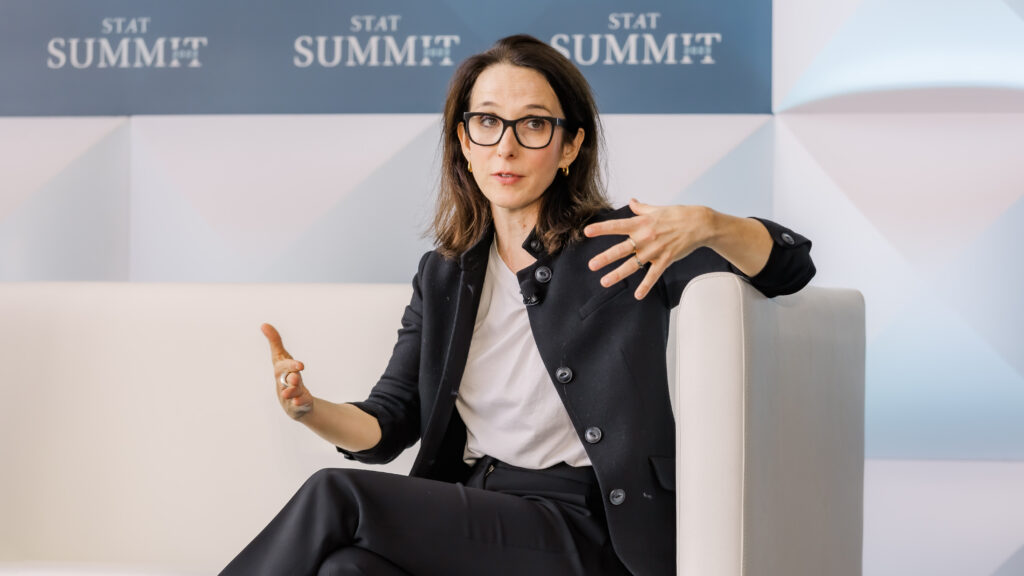
Meghan O'Rourke, author of "The Invisible Kingdom," discusses the limitations of the healthcare system in caring for people with chronic conditions. O'Rourke highlights the challenges she faced in obtaining a diagnosis and treatment for her own chronic illnesses, emphasizing the fragmented and time-constrained nature of medical care. She calls for a more patient-centered approach, similar to palliative care, where the patient's desires and wishes are prioritized. O'Rourke also explores the cultural narratives surrounding chronic illness and the need for a shift in societal understanding and investment in research and pharmaceutical development for chronic conditions. She finds hope in the growing movement for disability rights and the collective voice of those living with chronic illnesses.
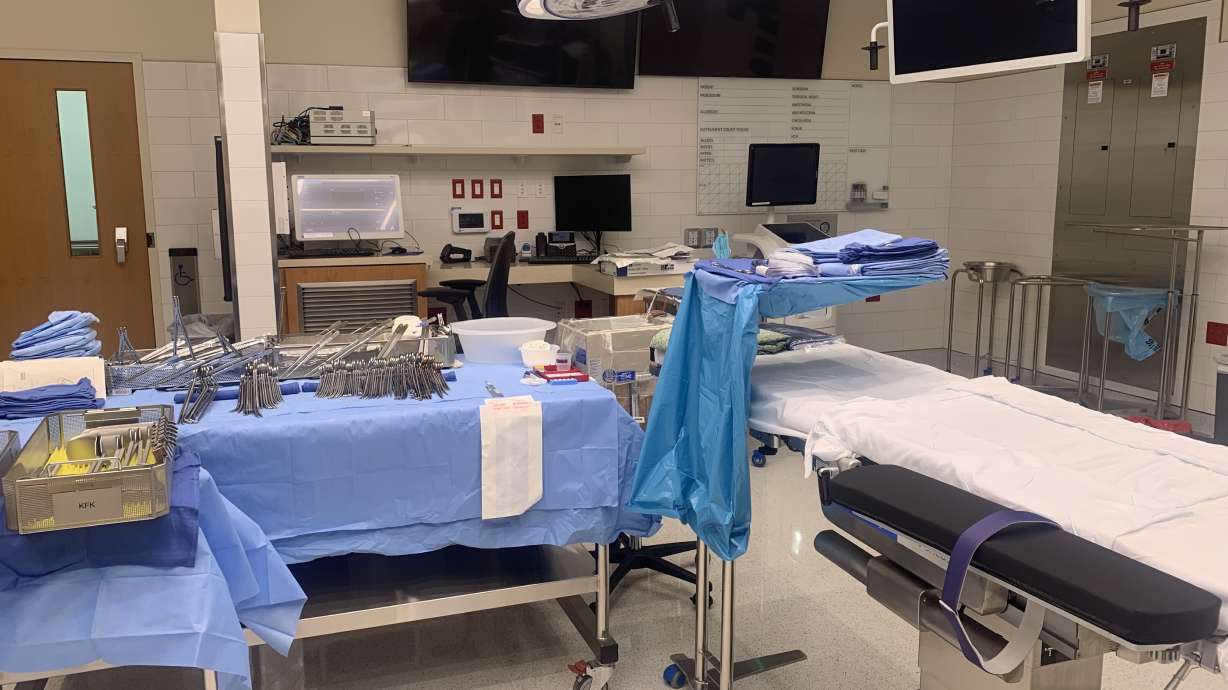
The Huntsman Cancer Institute in Salt Lake City is set to open new operating rooms in its expansion, the Kathryn F. Kirk Center, designed with patient comfort and safety in mind. The operating rooms feature advanced sterilization technology, including ceiling lights that continuously sterilize the room and air filters that create an "air curtain" to prevent pathogens from entering. The facility also prioritized selecting scratch-resistant flooring to minimize the risk of germs. The additional operating rooms will help expedite surgeries and provide comprehensive care for cancer patients. Nurses play a crucial role in patient-centered care, ensuring comfort and advocating for patients during surgery. The Huntsman Cancer Institute emphasizes the importance of cancer screenings for early detection and successful treatment.