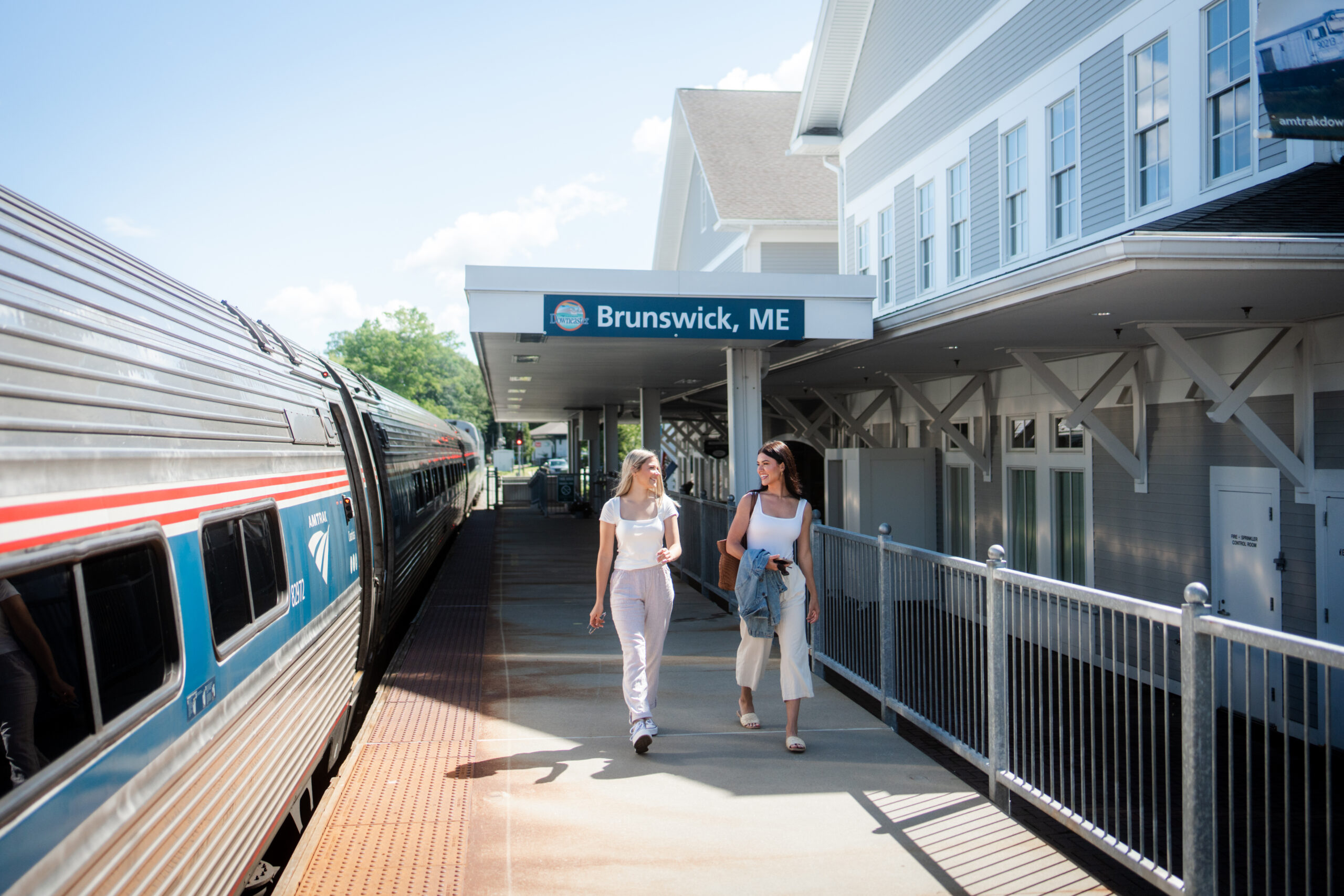
Amtrak has resumed its Mardi Gras Service between Mobile, Alabama, and New Orleans, nearly 20 years after Hurricane Katrina disrupted Gulf Coast rail service, offering a scenic, affordable alternative for travelers and symbolizing regional recovery and healing.
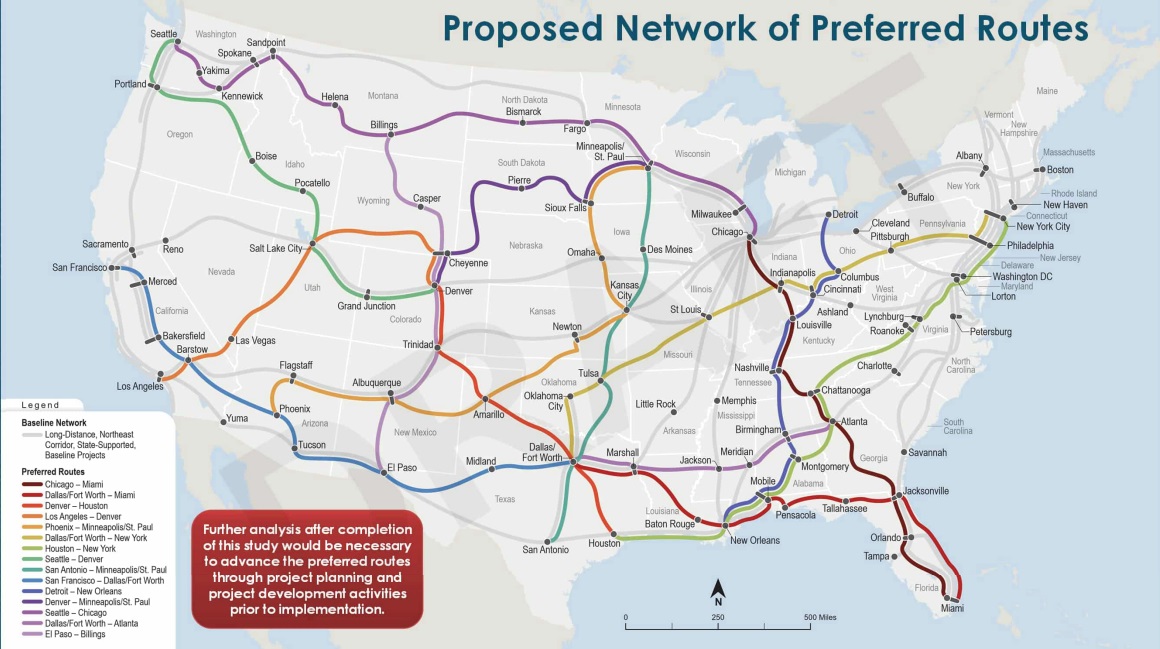
The Federal Railroad Administration's long-distance rail study includes potential routes through Sioux Falls and Rapid City in South Dakota, connecting the Twin Cities to Denver and Kansas City. The study, funded by President Joe Biden’s Infrastructure Investment and Jobs Act, is seeking public comments on the proposed routes until March 8. All Aboard Northwest, an organization advocating for passenger rail in South Dakota, sees the inclusion of the state's routes in the study as a positive sign, but acknowledges that turning these potential routes into actual rail service will require years of coordination and support from stakeholders.
Amtrak and its partners have been awarded over $2.1 billion in federal grants to improve existing routes and expand passenger rail service across the United States. The grants will fund station and service upgrades, infrastructure improvements in multiple states, and planning and development of new intercity passenger rail corridors. The investments aim to enhance Amtrak's network, improve reliability, reduce travel times, and provide convenient and climate-friendly alternatives to congested roads and airports. The funding is part of President Biden's Investing in America Agenda and the Federal Railroad Administration's Federal-State Partnership for Intercity Passenger Rail Program.
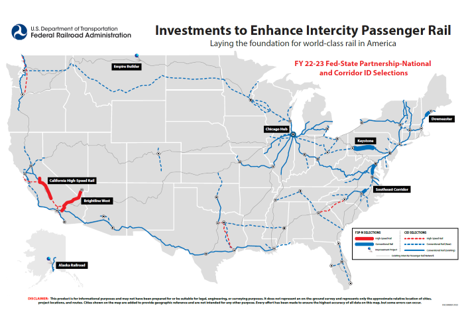
President Biden announced $8.2 billion in grants for 10 passenger rail projects across the United States, including the development of high-speed rail corridors and improvements to existing rail corridors. The funding will support projects in California, Nevada, Virginia, North Carolina, Pennsylvania, Maine, Montana, and Alaska. Additionally, the Federal Railroad Administration announced 69 corridor selections across 44 states to drive future passenger rail expansion. These investments are part of the Biden administration's efforts to modernize and expand the country's rail network, providing faster, more reliable, and climate-friendly transportation options.
The Biden administration has announced an $8.2 billion investment in 10 passenger rail projects, marking the largest federal funding for passenger rail since Amtrak's creation in 1971. The funding includes $3 billion for the high-speed rail line from Las Vegas to Los Angeles, which is expected to carry 11 million passengers at its peak and reduce travel time by half. Other projects receiving funding include a Los Angeles-San Francisco train, a rail expansion between Washington, D.C. and Richmond, Virginia, and upgrades in several states. The administration hopes that the investment will boost public support for Biden's economic policies and improve the standard of passenger rail service in the United States.
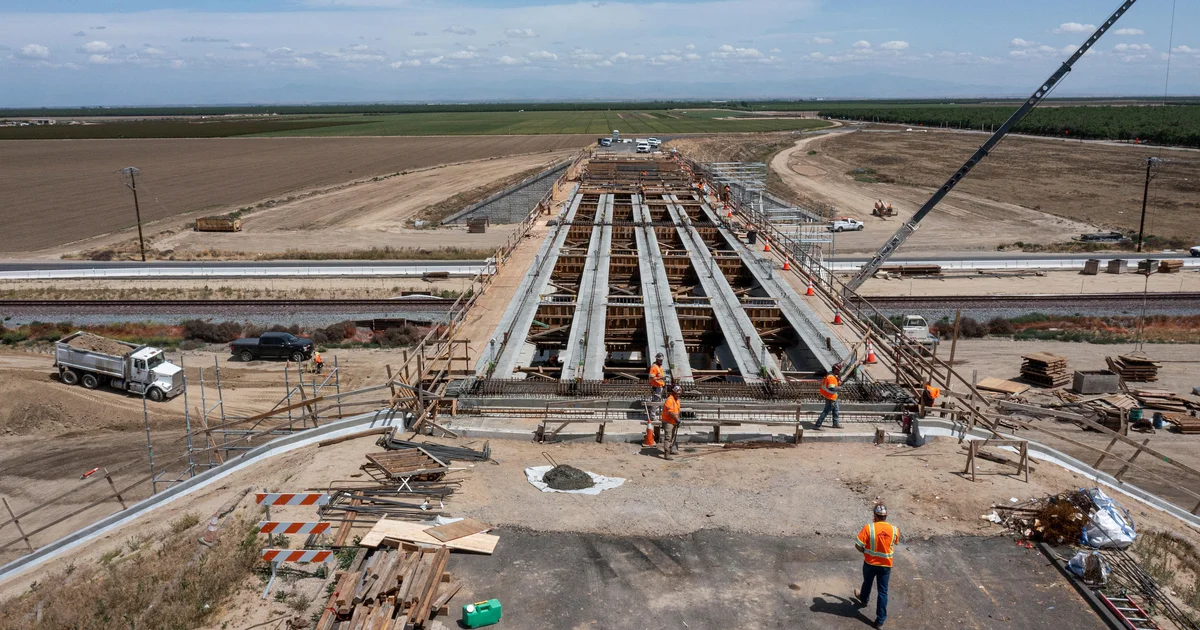
President Biden has announced $8.2 billion in funding for 10 major passenger rail projects across the United States, including the first high-speed rail projects in the country's history. The projects include a new high-speed rail system between California and Nevada, upgrades to rail corridors in Virginia, North Carolina, and the District of Columbia, and capacity expansion at Chicago Union Station. These investments will create tens of thousands of good-paying union jobs, improve connectivity, reduce travel times, and significantly reduce greenhouse emissions. The funding is part of President Biden's larger plan to deliver world-class infrastructure and win the global competition for the 21st century.
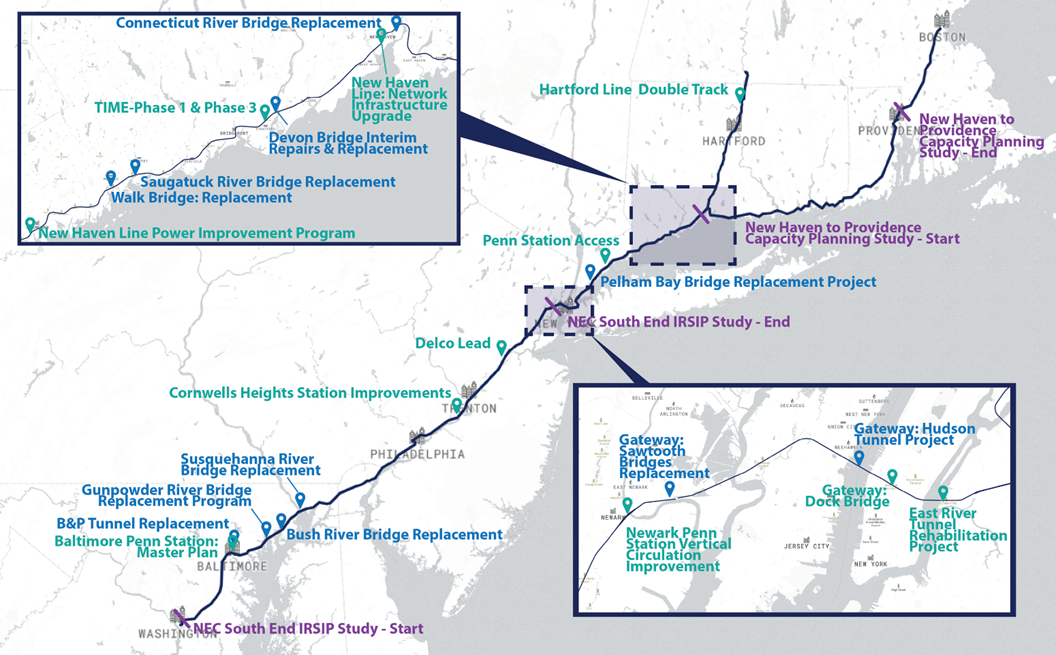
President Biden's vision for world-class passenger rail in the United States takes a significant step forward with a $16.4 billion investment in 25 passenger rail projects along the Northeast Corridor (NEC), the busiest rail corridor in the country. The funding, made possible by the Bipartisan Infrastructure Law, will modernize and upgrade infrastructure, including bridges, tunnels, tracks, and stations, improving speeds, reducing travel time, and providing a more reliable experience for the 800,000 daily passengers. This investment will also create over 100,000 construction jobs and support economic activity in the region. The projects selected under the Federal-State Partnership for Intercity Passenger Rail Program are part of a larger effort to build a modern rail network and reduce emissions from transportation.
President Biden announces $16.4 billion in funding for 25 passenger rail projects on Amtrak's Northeast Corridor, as part of the Bipartisan Infrastructure Law. The investments will repair and replace critical rail infrastructure, including tunnels and bridges, and upgrade tracks, power systems, signals, and stations. The funding aims to provide a faster and more reliable passenger rail experience, create over 100,000 construction jobs, and reduce greenhouse gas emissions. Major projects include the Gateway Hudson River Tunnel, Frederick Douglass Tunnel, Susquehanna River Bridge, Penn Station Access, and Connecticut River Bridge. The investments will improve travel times and address delays associated with aging infrastructure. The funding also supports union jobs and workforce development.
A high-speed passenger train from Baton Rouge to New Orleans is tentatively scheduled for mid-2025, with funding in place and local support. The project aims to alleviate congestion on I-10 and provide an alternative evacuation route during storms. The service will initially offer two trips a day in the morning, with the possibility of adding more routes in the future. The train will run at 90 miles per hour and will include stations in Baton Rouge, including one in the health district for potential hospital evacuations. The state department of transportation will oversee the project, with Amtrak running the train under a contract with the state. There are also plans to extend the service to north Louisiana in the future.
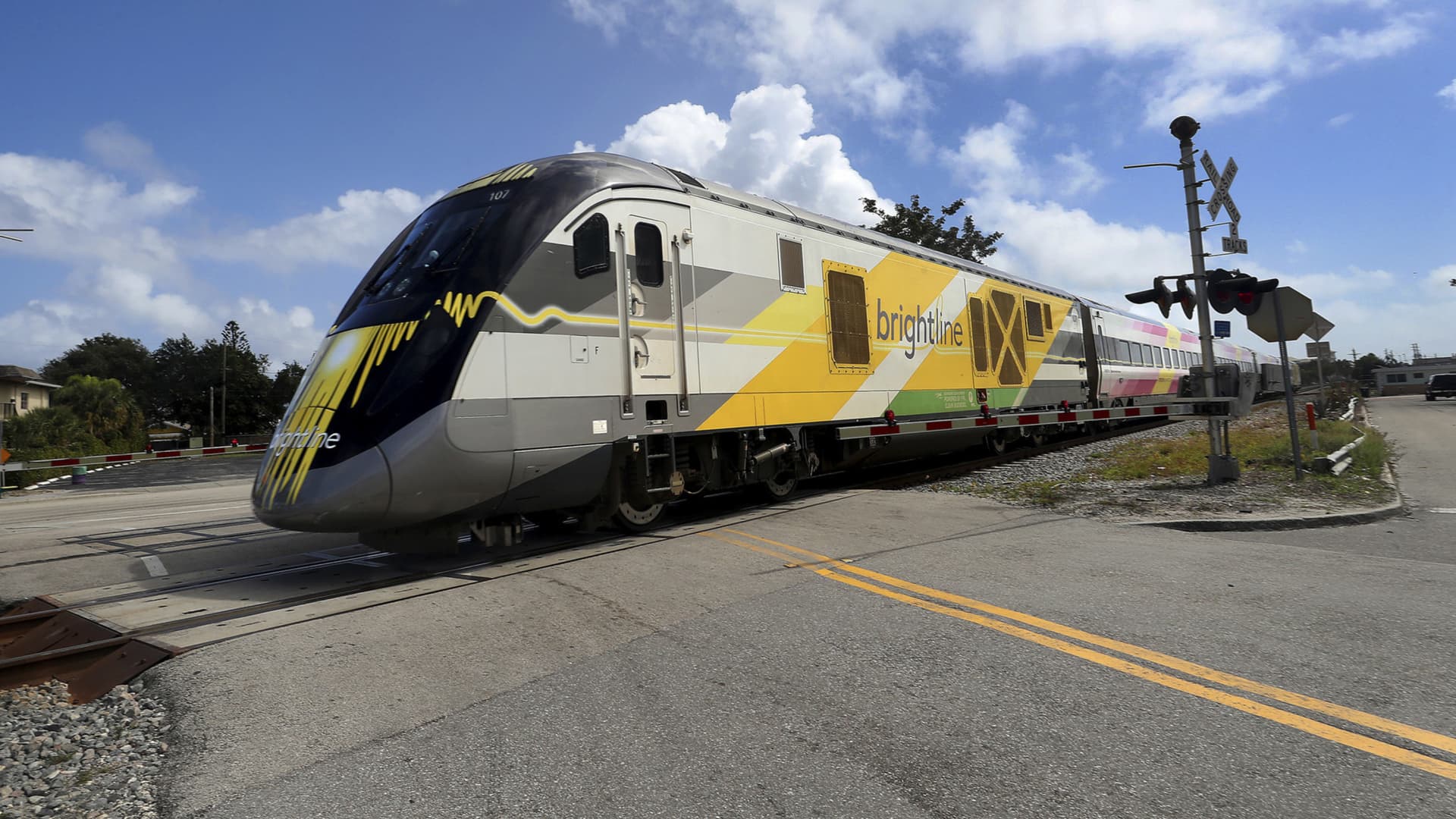
Brightline, a Florida-based company owned by Fortress Investment Group, is revolutionizing passenger rail in the U.S. by offering a privatized alternative to Amtrak. With its Miami to West Palm Beach line already operational and an expansion line to Orlando set to open in August, Brightline aims to transport 8 million people per year in Florida. The company is also planning to create the first dedicated high-speed rail line in the U.S., connecting Los Angeles to Las Vegas, with hopes to finish before the LA 2028 Olympics. The project is expected to cost $12 billion, with a federal grant requested to cover a third of the cost.
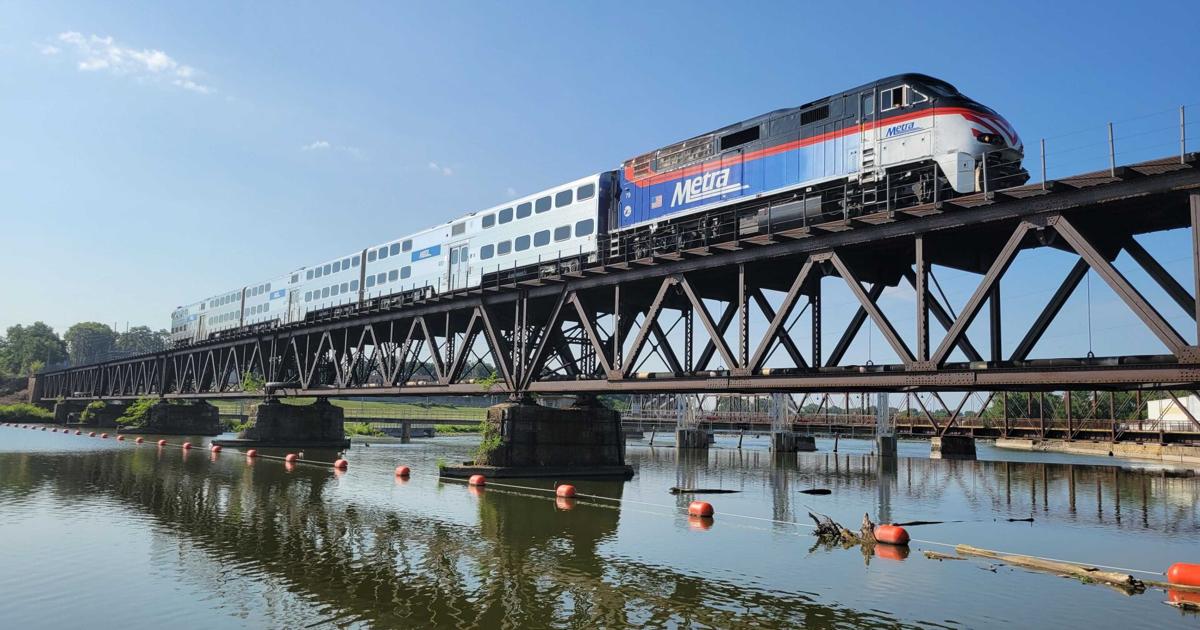
Metra, in partnership with the Illinois Department of Transportation, will restore passenger rail service between Chicago and Rockford by late 2027, with stops in Belvidere and Huntley. The project, funded through the Rebuild Illinois capital program, aims to provide efficient and economical travel, boost economic development, and reduce pollution and traffic congestion. The service will offer two round trips per day, with a travel time of under two hours. Engineering studies will determine the necessary track improvements for increased speeds.
Amtrak has applied for $716 million in federal funding to bring passenger rail service back to Phoenix, the largest U.S. city without Amtrak service. The company plans to route the Sunset Limited train line through Phoenix, which would relieve congestion on Interstate 10, reduce pollution, and boost regional economies. The Arizona Department of Transportation has provided $3.5 million toward the planning effort.
Amtrak has applied for federal grants to improve its long distance network, as part of its ongoing efforts to modernize train travel and enhance the customer experience. The company is investing in modern trains, enhanced stations, new tunnels and bridges, and other critical infrastructure upgrades, with over $50 billion of capital investments in planning and development.
State lawmakers have approved $195 million in funding for the Northern Lights Express project, which aims to restore passenger rail service between Duluth and the Twin Cities after almost 40 years. The project's total cost is estimated to be around $974 million, with the federal government expected to cover the majority of the remaining costs. The planned line would run for 152 miles on existing track owned by BNSF Railway and is expected to make four round trips a day, each taking about two and a half hours. Critics have questioned the rail line's merits and ridership projections, while supporters believe it would offer a critical service for commuters, students, and veterans.
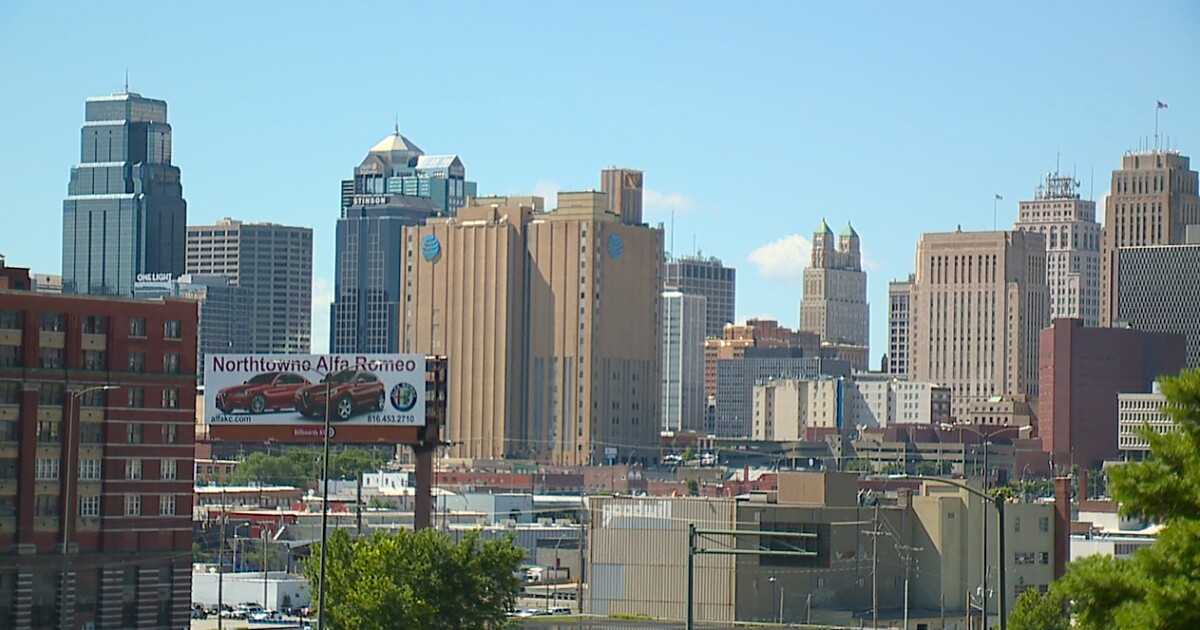
The Kansas City Area Transportation Authority has submitted a grant proposal to study an intercity rail system for a 15-county region around Kansas City, stretching from Topeka on the west, Independence on the east, Kansas City International Airport on the north and south to cities like Olathe and Lee’s Summit. The proposal was submitted to the Federal Railroad Administration's Corridor Identification and Development Grant program to support long-term investments in the country's passenger rail system. No cost estimates or timeline for the project were provided.