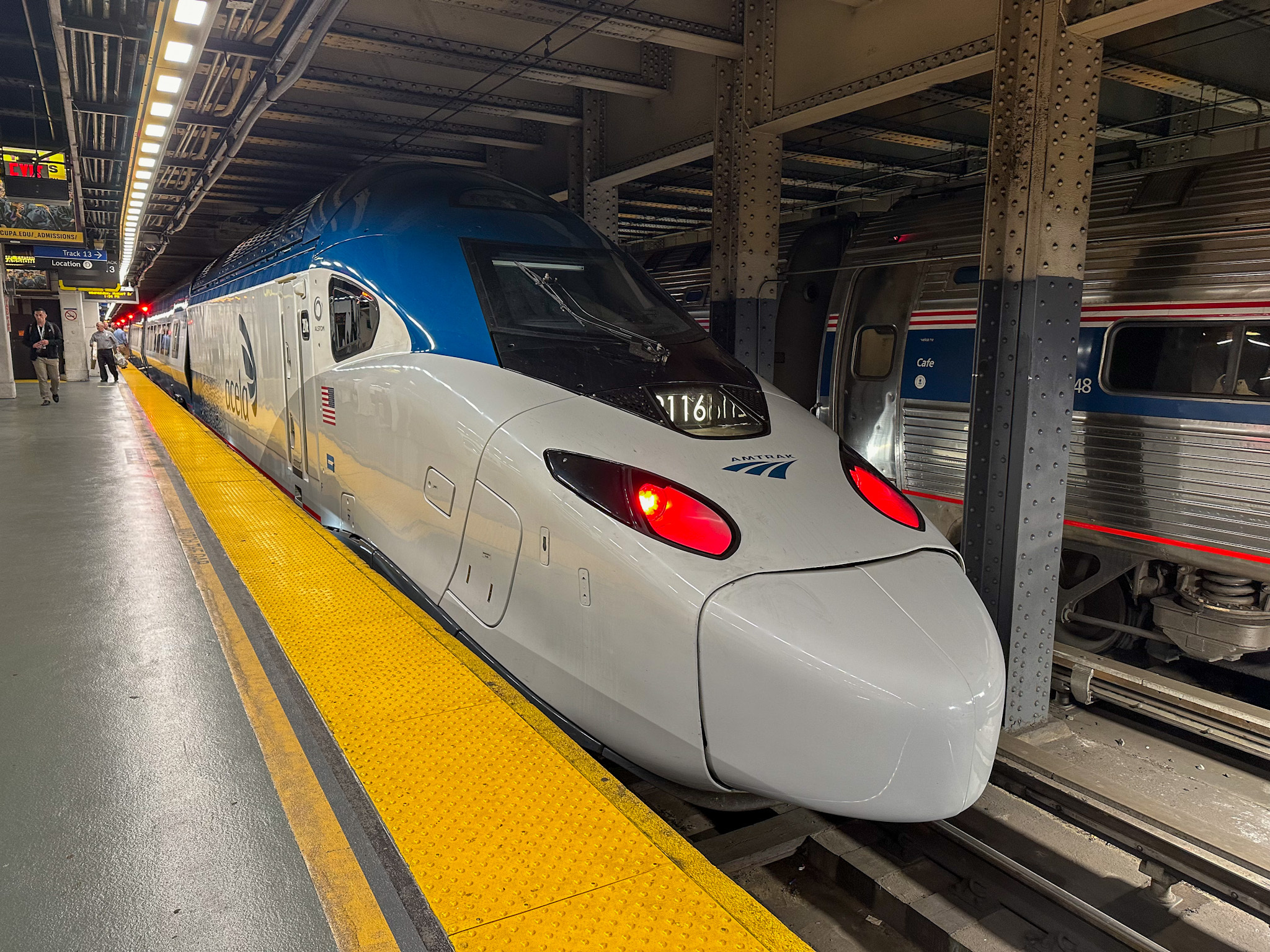
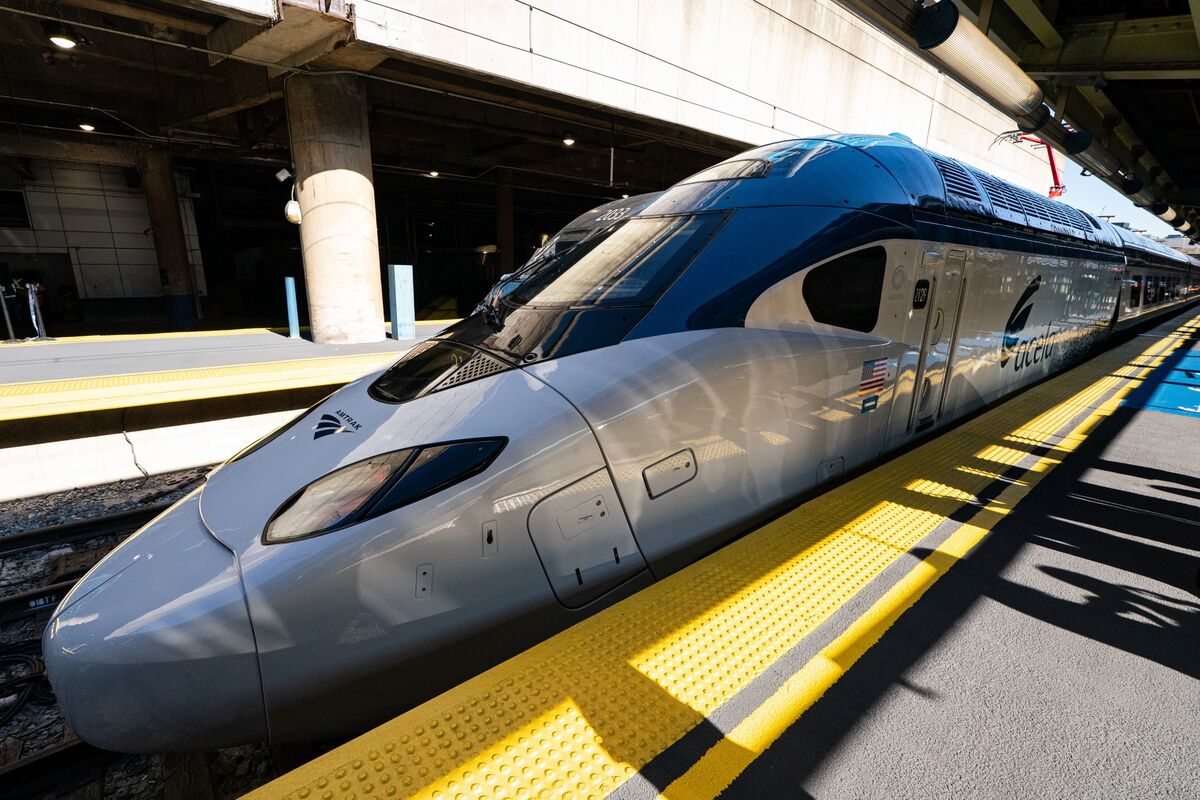
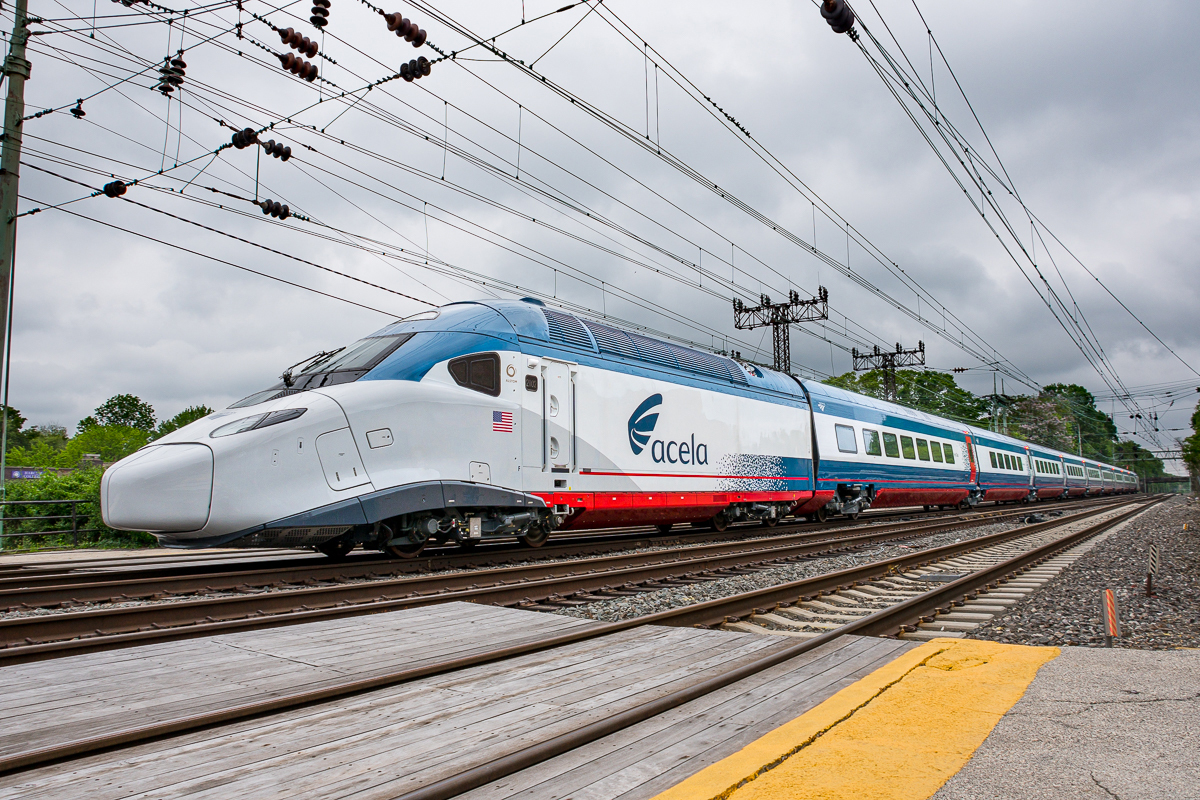
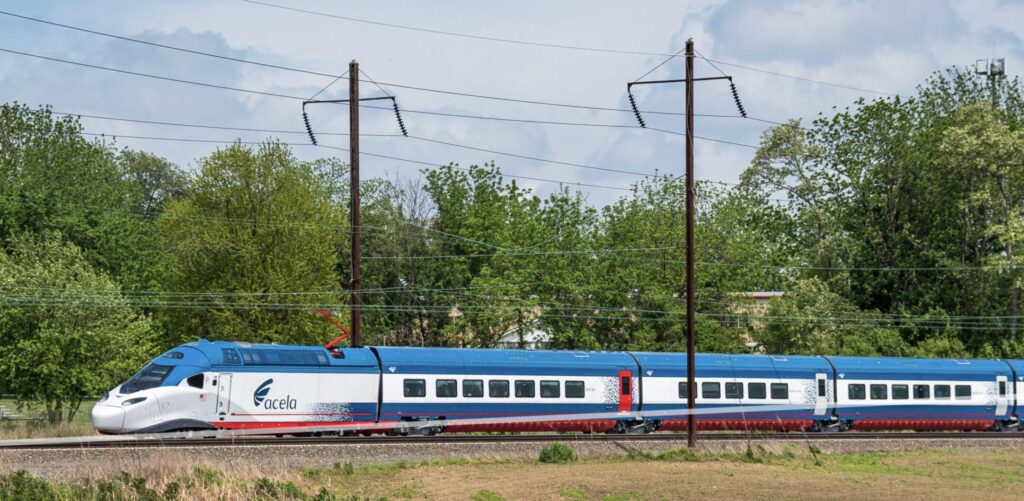
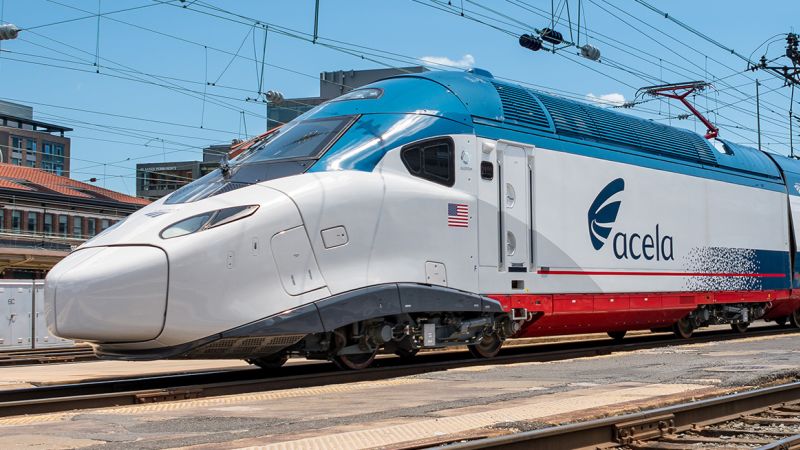
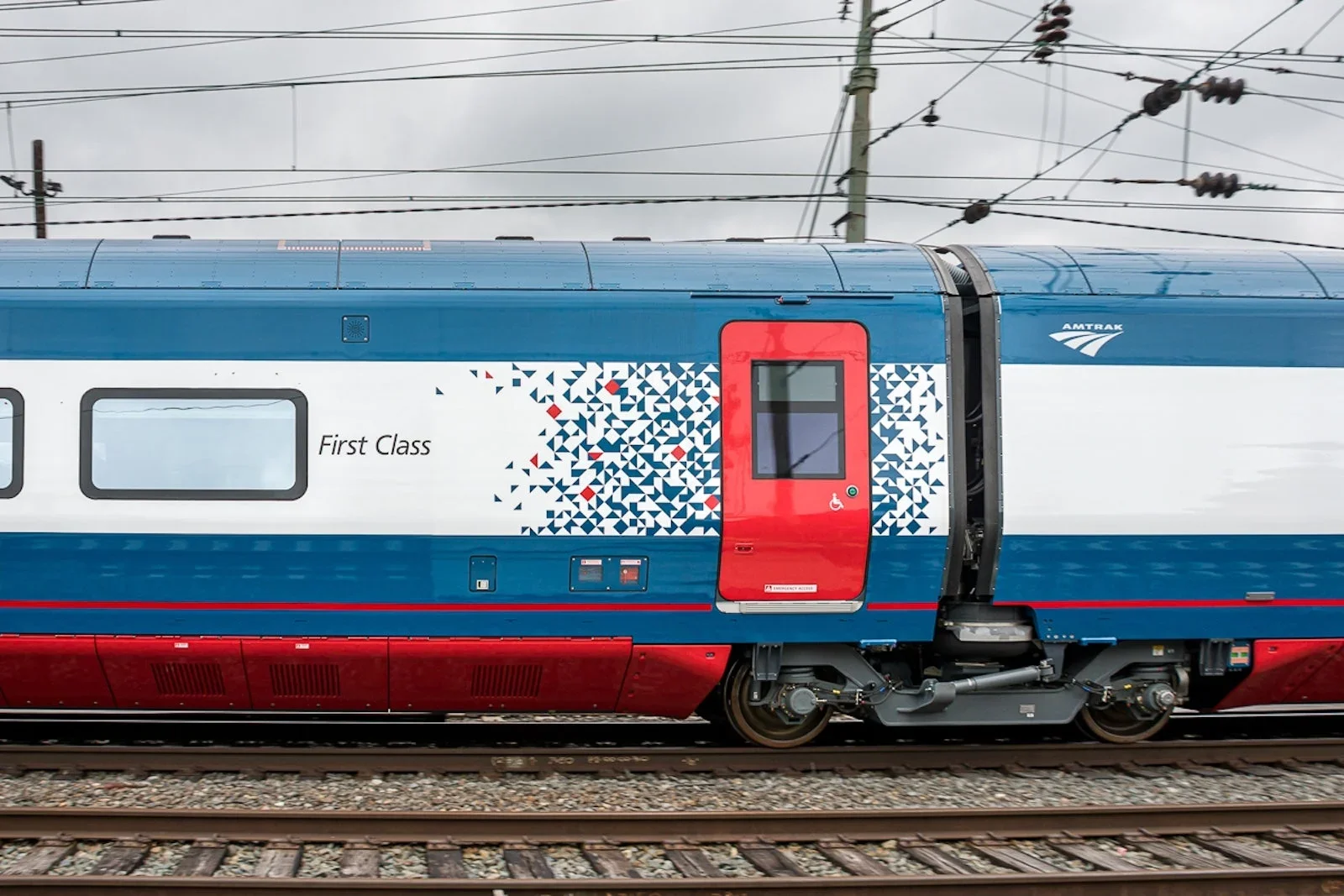
Amtrak has launched its NextGen Acela, a high-speed train reaching up to 160 mph, offering faster, more comfortable travel along the Northeast Corridor with modern amenities, increased capacity, and a sleek design reminiscent of European trains, marking a significant upgrade in U.S. rail travel.
Amtrak has launched its new high-speed Acela trains on the Northeast Corridor, replacing the older fleet with faster, more passenger-friendly vehicles capable of reaching 160 mph, after years of delays due to testing and infrastructure issues. The project, part of a $2.35 billion investment, aims to improve service and eventually achieve operational break-even by 2028, with the trains featuring modern amenities like WiFi and USB ports.
Amtrak's new NextGen Acela trains, capable of reaching speeds up to 160 mph and offering 27% more seats, are beginning service on the Northeast Corridor, marking a significant investment in U.S. high-speed rail despite infrastructure challenges and delays. The upgrade aims to improve travel experience and support economic growth, with broader plans for station management and infrastructure improvements in Washington D.C. and New York City.
Amtrak is launching its fastest train yet, the NextGen Acela, on August 28 from Penn Station, featuring speeds of up to 160 mph, more seats, high-speed Wi-Fi, and modern interiors, as part of a broader modernization effort to improve rail travel between New York, Boston, and D.C.
Amtrak is launching its new NextGen Acela high-speed trains on August 28, connecting Boston, New York City, and Washington, D.C., with more trains, increased capacity, modern amenities, and a focus on American manufacturing as part of a broader fleet modernization plan.
Amtrak's new NextGen Acela high-speed trains will begin service on August 28 along the Northeast Corridor, offering faster speeds, increased capacity, and enhanced passenger amenities, marking a significant upgrade in American train travel despite being slower than the fastest trains in Asia and Europe.
Amtrak is launching its next-generation Acela trains on August 28, featuring modernized interiors, high-speed Wi-Fi, more seats, and expanded schedules, with a limited rollout of five new trains initially, aiming to enhance the premium rail experience between Washington, D.C., and Boston.
A fallen overhead wire in Kearny, NJ, caused a major disruption on Amtrak and New Jersey Transit trains, halting service between Manhattan and Newark and affecting thousands of commuters. The incident, which led to delays of over four hours and forced many to use expensive ride-hail services, highlights the consequences of decades of underinvestment in the rail system. Despite recent federal funding, Amtrak is still catching up on necessary improvements.
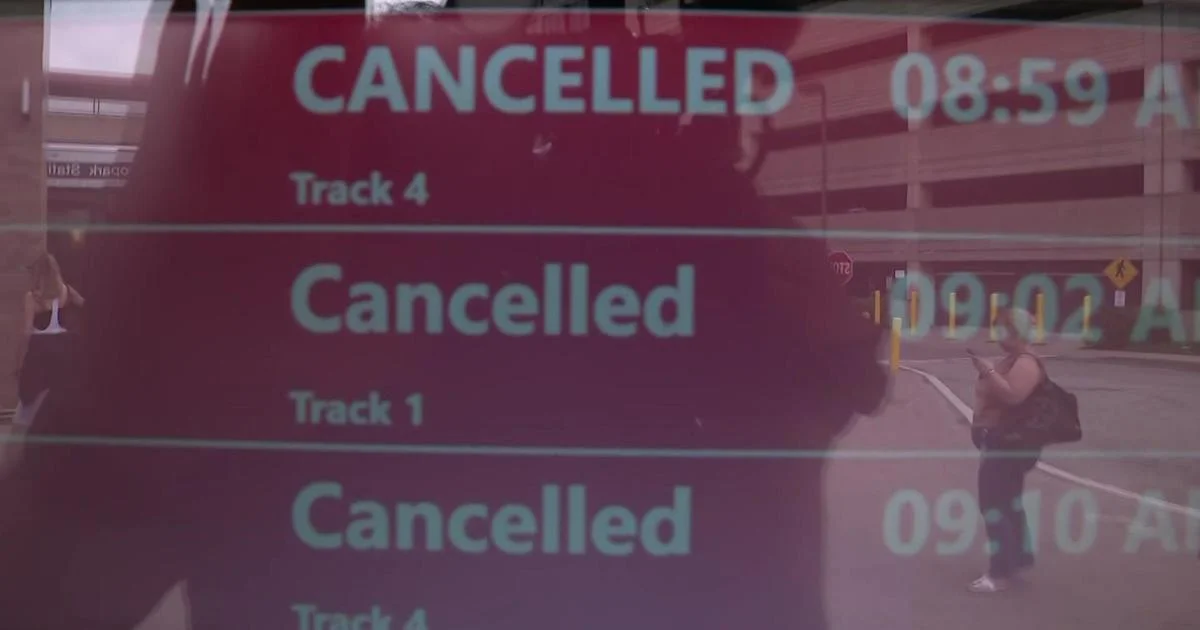
Amtrak and New Jersey Transit services resumed Thursday morning after a power outage caused by fallen electrical wires in Kearny, NJ, disrupted rush-hour train service on Wednesday night. Commuters were warned to expect residual delays and cancellations.
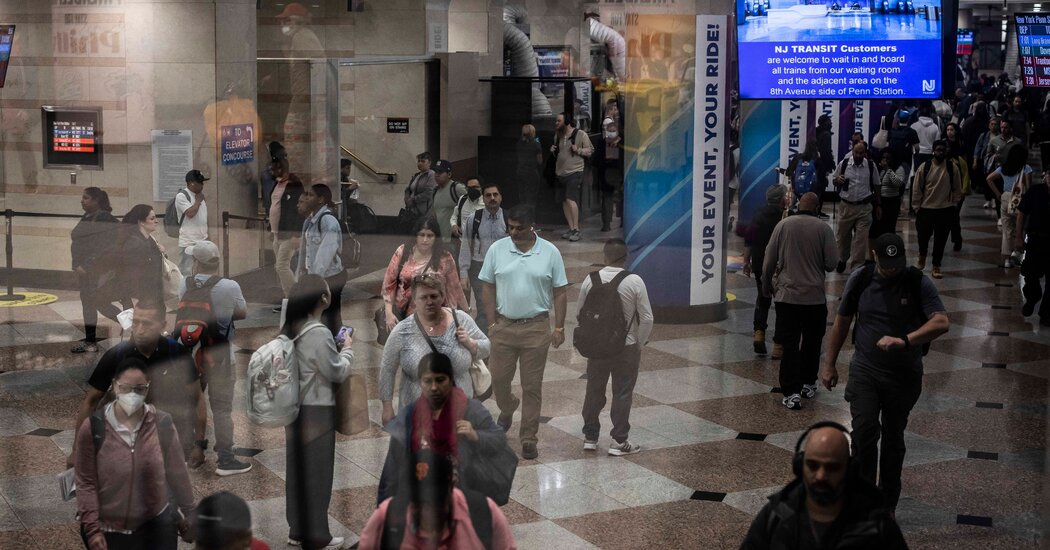
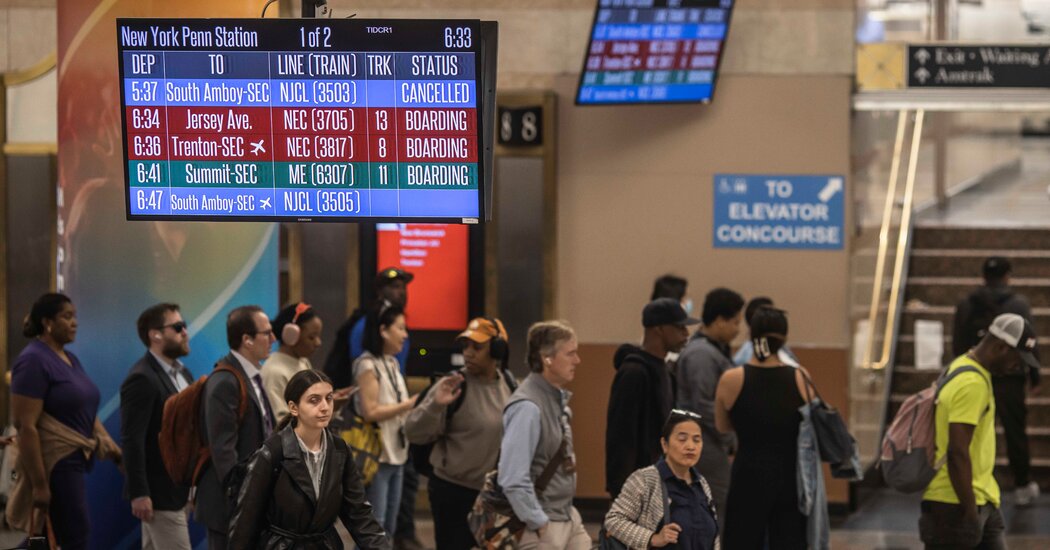
A power outage caused by fallen electrical wires in New Jersey halted Amtrak and New Jersey Transit services along the Northeast Corridor, stranding thousands of commuters and travelers from New York to Washington. The disruption began at 5:05 p.m. and led to significant delays and cancellations, with some trains terminating in Philadelphia. Service resumed later in the evening, but residual delays were expected to continue into Thursday.
Amtrak has suspended more than a dozen trains along the Northeast Corridor due to freezing temperatures, affecting commuters in the New York region and other areas. Customers with tickets for canceled trains can transfer their rides to another date or time without additional charges. While train travel is disrupted, planes, subways, and buses in New York City are operating normally, and the airtrain to JFK airport has been restored to service.
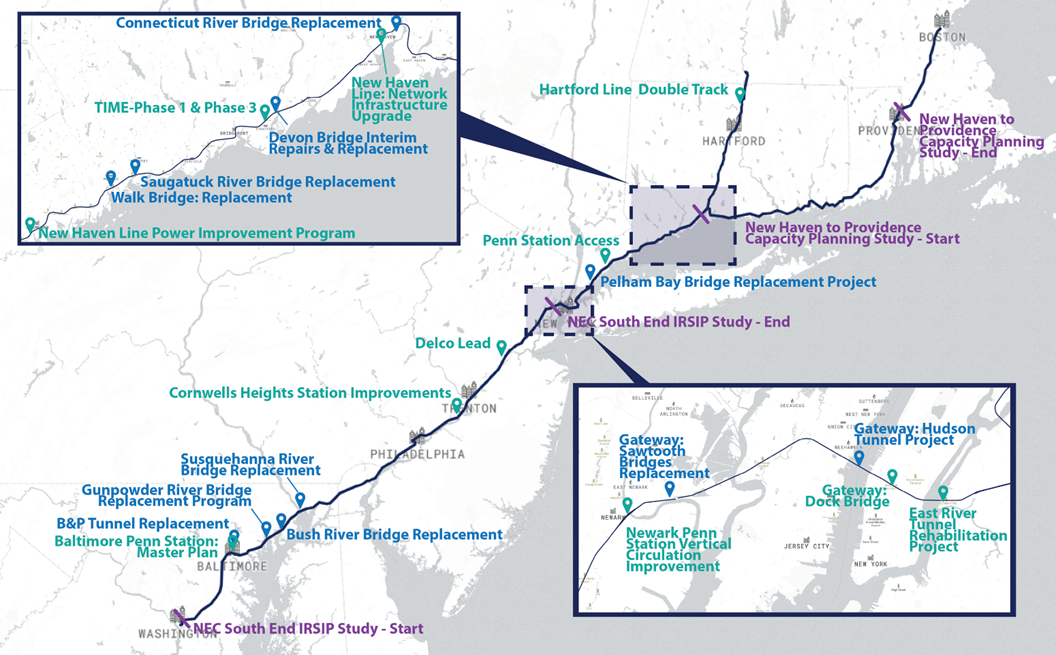
President Biden's vision for world-class passenger rail in the United States takes a significant step forward with a $16.4 billion investment in 25 passenger rail projects along the Northeast Corridor (NEC), the busiest rail corridor in the country. The funding, made possible by the Bipartisan Infrastructure Law, will modernize and upgrade infrastructure, including bridges, tunnels, tracks, and stations, improving speeds, reducing travel time, and providing a more reliable experience for the 800,000 daily passengers. This investment will also create over 100,000 construction jobs and support economic activity in the region. The projects selected under the Federal-State Partnership for Intercity Passenger Rail Program are part of a larger effort to build a modern rail network and reduce emissions from transportation.
President Biden announces $16.4 billion in funding for 25 passenger rail projects on Amtrak's Northeast Corridor, as part of the Bipartisan Infrastructure Law. The investments will repair and replace critical rail infrastructure, including tunnels and bridges, and upgrade tracks, power systems, signals, and stations. The funding aims to provide a faster and more reliable passenger rail experience, create over 100,000 construction jobs, and reduce greenhouse gas emissions. Major projects include the Gateway Hudson River Tunnel, Frederick Douglass Tunnel, Susquehanna River Bridge, Penn Station Access, and Connecticut River Bridge. The investments will improve travel times and address delays associated with aging infrastructure. The funding also supports union jobs and workforce development.
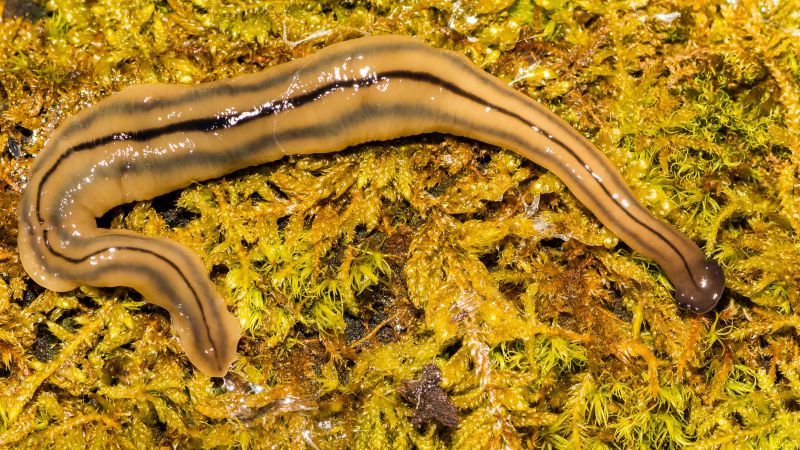
Invasive hammerhead flatworms, known for their distinctive curved heads and toxic mucus, have been hiding in plain sight in the US for decades. These worms, which can secrete tetrodotoxin, a neurotoxin found in puffer fish and blue-ringed octopuses, are already widespread and abundant in New York state and likely more of the country than previously suspected. Climate change may be contributing to their northward expansion. While the worms can cause skin irritation in humans and sicken pets if eaten, their impact on ecosystems, particularly their predation on earthworms and endangered snails, is still unclear. Removing them is challenging, as slicing them up only leads to more worms. Caution should be used when handling them due to their toxic mucus.
NJ Transit's Northeast Corridor and North Jersey Coast Line have resumed with limited service after being suspended for three mornings in a row due to overhead wire issues. The service disruptions have frustrated commuters, causing delays and cancellations. NJ Transit rail tickets and passes are being cross-honored by NJ Transit bus, private carriers, and PATH at various stations. The cause of the overhead power problems in Rahway is still being investigated.