Israel is seeking to address a labor shortage exacerbated by the conflict with Hamas by recruiting tens of thousands of Indian workers, as Palestinians are being barred from the country. The move comes after tough new restrictions on Palestinian workers and the departure of many foreign workers due to the conflict. Israeli authorities hope to bring in 10,000 to 20,000 Indian migrant workers in the coming months, reflecting the warming of relations between Israel and India. However, the recruitment drive has faced criticism from Indian unions and activists, who allege dangerous conditions for workers.

The ban on nearly all Palestinian workers entering Israel following a terror attack has caused a supply shock to the Israeli economy, particularly in the construction and agriculture sectors, with potential impacts on prices. The ban has also hurt the economy of the West Bank and led to pressure on lawmakers to allow some workers to return. The Finance Ministry warned of significant economic damage, and the central bank governor emphasized the need to monitor price developments and prevent financial instability in the face of potential expansion of the war.
Hashim al-Birawi, a Gazan who worked in Israeli kibbutzim for 40 years, was killed on Oct. 7 when the van he was in, along with six other Gazan workers and a Palestinian driver, came under fire near the Gaza fence. Al-Birawi's brother wants to clear his name and give him a proper burial in Gaza, as reports have labeled the workers as "Hamas gunmen." Israeli farmers who knew al-Birawi describe him as a kind and helpful person. Israeli authorities have arrested over 3,000 Palestinians from Gaza who were working in Israel on Oct. 7, and reports suggest they were tortured and abused while in detention.
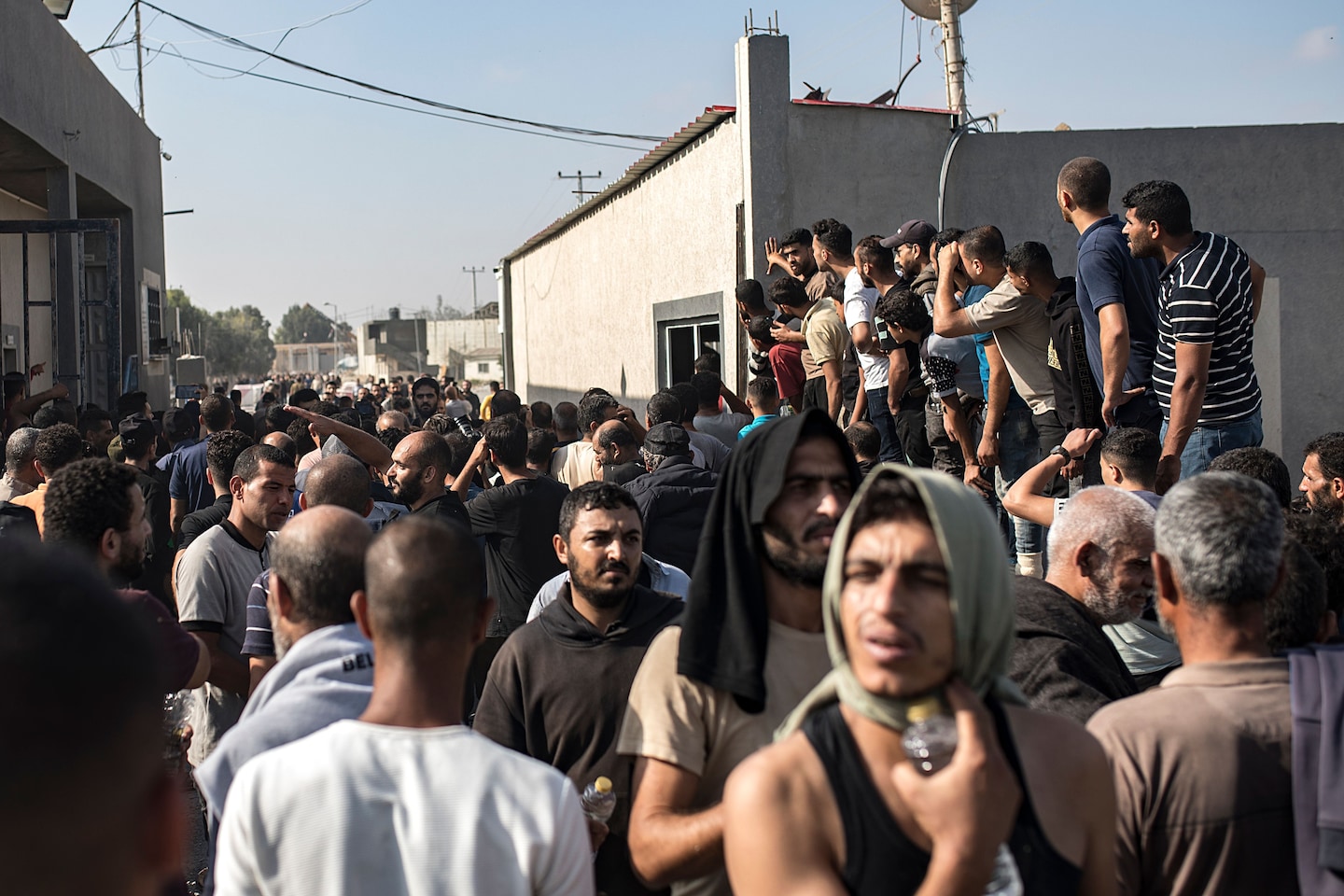
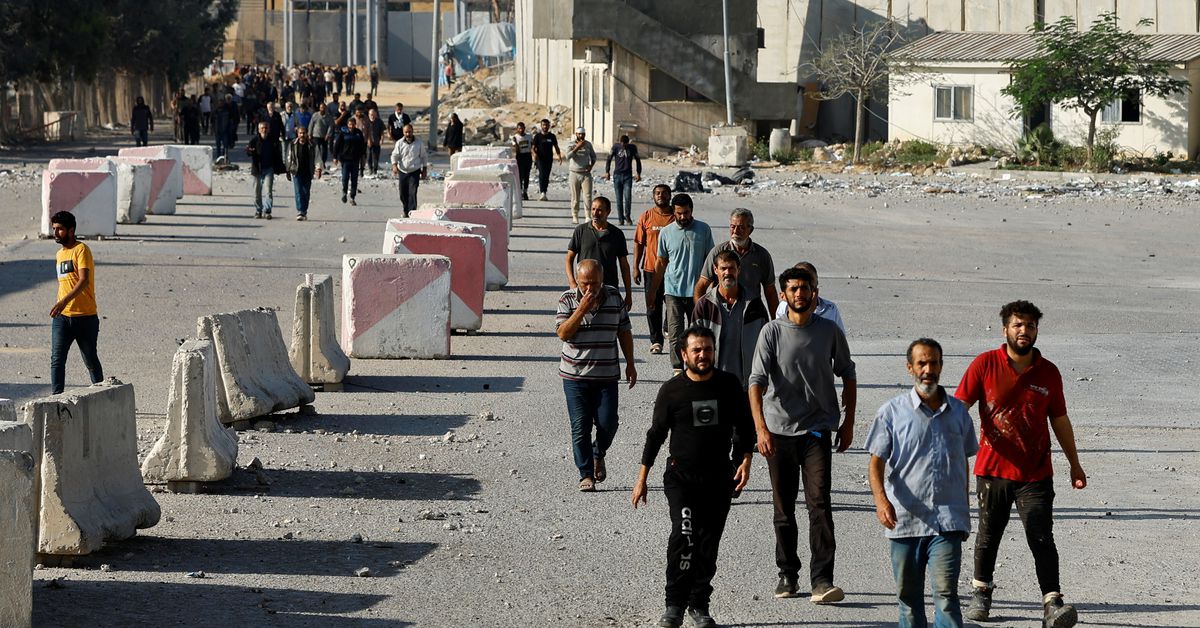
Thousands of Palestinian workers, who were detained in Israeli prisons during the recent conflict, were deported back to Gaza through the Kerem Shalom crossing, marking the end of a rare economic point of contact between Israel and Hamas-controlled Gaza. Before the war, around 18,500 Palestinians held permits to work in Israel, providing a much-needed economic outlet for Gaza. The deportations have left an estimated 7,000 Gazans stranded outside the enclave, stripped of their work permits. The situation in Gaza remains dire, with shortages of food, water, electricity, and medicine, and thousands of Gazans seeking safety in the West Bank without information on when they can return to their families.
Israel has sent thousands of Palestinian workers back to Gaza as part of a crackdown on laborers who had previously been granted permits to work in Israel and the occupied West Bank. The permits, which allowed Gazans to take jobs in sectors like agriculture and construction, have been scrapped as Israel focuses on eradicating the Hamas movement that controls Gaza. The move has left many workers feeling humiliated and without employment opportunities, as they were earning significantly higher wages in Israel compared to the blockaded Gaza Strip.
Israel's Security Cabinet has announced that it will send Gazan workers back to the besieged Palestinian enclave and sever all contact with Gaza. Prior to recent terror attacks, around 18,000 Gazans had permits to work in Israel, where they could earn significantly more than in Gaza. The statement did not provide details on how or when the workers would return to the warzone. Israel also plans to deduct funds designated for Gaza, including funding from the Palestinian Authority. The move comes as Gaza faces a dire humanitarian crisis, with high unemployment rates and severe restrictions on the movement of goods and people.
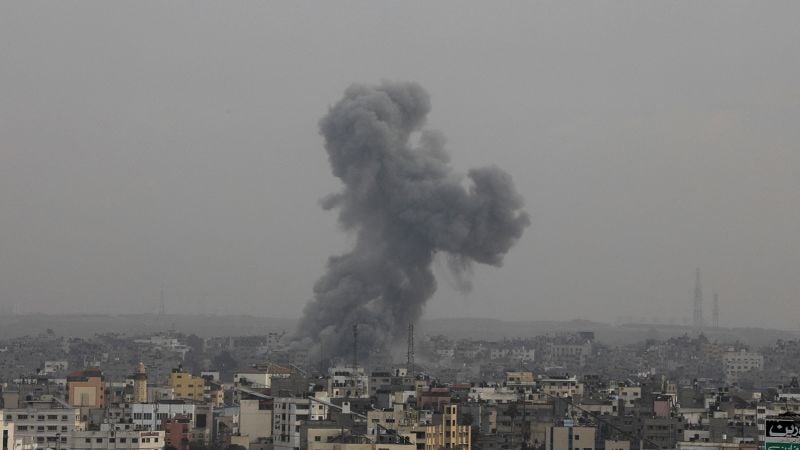
Israel has announced that it will sever all ties with Gaza and expel Palestinian workers from the besieged territory, almost four weeks after the start of its bombardment in response to a cross-border attack. The move comes as the World Health Organization warns that the fuel shortage in Gaza has caused 14 out of 36 hospitals and 2 specialty centers to shut down, exacerbating the severe humanitarian crisis. Meanwhile, thousands of Gazan workers have been sent back from Israel, and Israeli ground troops have encircled Gaza City. The United Arab Emirates has also warned of the risk of regional spillover from the conflict, and Hezbollah's leader is set to break his silence on the crisis.
Thousands of Palestinian workers from Gaza who had work permits in Israel have gone missing since the recent wave of violence began. Many workers were stranded on the Israeli side of the Erez crossing, their permits revoked, leaving them without income and separated from their families. The Israeli state has detained and interrogated workers, with an estimated 4,000 currently held in undetermined locations. Families are concerned about their loved ones' condition, with little information available. The work permit system has created economic dependency and control over Palestinians, who face exploitation and mistreatment in industries with high accident rates. The plight of these workers highlights the urgent need to end the siege on Gaza and the broader occupation.