
Tag

Paleocene Eocene Thermal Maximum Petm

All articles tagged with #paleocene eocene thermal maximum petm

Uncovering the Origins of Ancient Methane Eruptions
earth-science2 years ago

Uncovering the Origins of Ancient Methane Eruptions

A new study published in Nature Geoscience suggests that underground magma drove methane and CO2 from marine sediments into the atmosphere during the Paleocene-Eocene Thermal Maximum (PETM) through hydrothermal venting. Seismic images of marine sediments off Norway and Greenland, dating back to the PETM, showed thousands of craters that were likely formed by hydrothermal venting. Samples retrieved from the Modgunn Vent, drilled as part of the International Ocean Discovery Program, provide evidence of hydrothermal venting immediately before the PETM onset, supporting the vents' major role in the PETM warming. However, the exact timing of the vent formation in relation to the PETM remains uncertain.
"Can Enhanced Chemical Weathering Save the Climate?"
environment2 years ago

"Can Enhanced Chemical Weathering Save the Climate?"

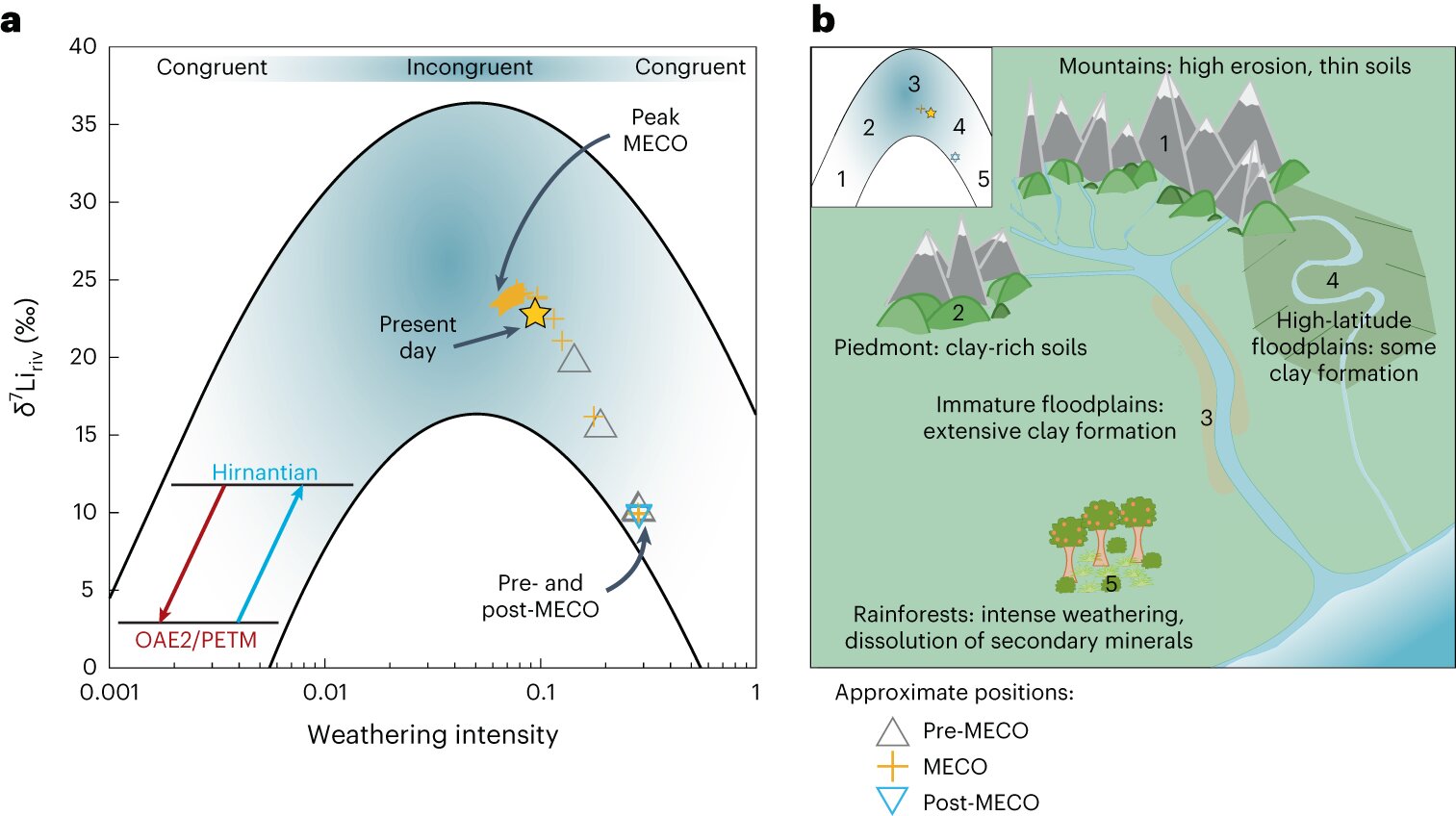
Researchers from Mainz University have studied global warming events from millions of years ago to understand the potential of enhanced weathering as a solution to the current climate crisis. They found that during periods of intense weathering, such as the Paleocene-Eocene Thermal Maximum (PETM), the climate recovered more rapidly due to the reduction of carbon dioxide levels in the atmosphere. However, during the Middle Eocene Climatic Optimum (MECO), the presence of clay soil prevented effective weathering, resulting in a slower climate recovery. The researchers suggest that blending crushed rock into arable soil could enhance weathering and help bind atmospheric carbon dioxide, but caution that the formation of clay could hinder the process. Further research is needed to determine the viability of enhanced weathering as a climate solution.

Volcanic Activity in North Atlantic Shaped Climate 56 Million Years Ago
earth-science2 years ago

Volcanic Activity in North Atlantic Shaped Climate 56 Million Years Ago

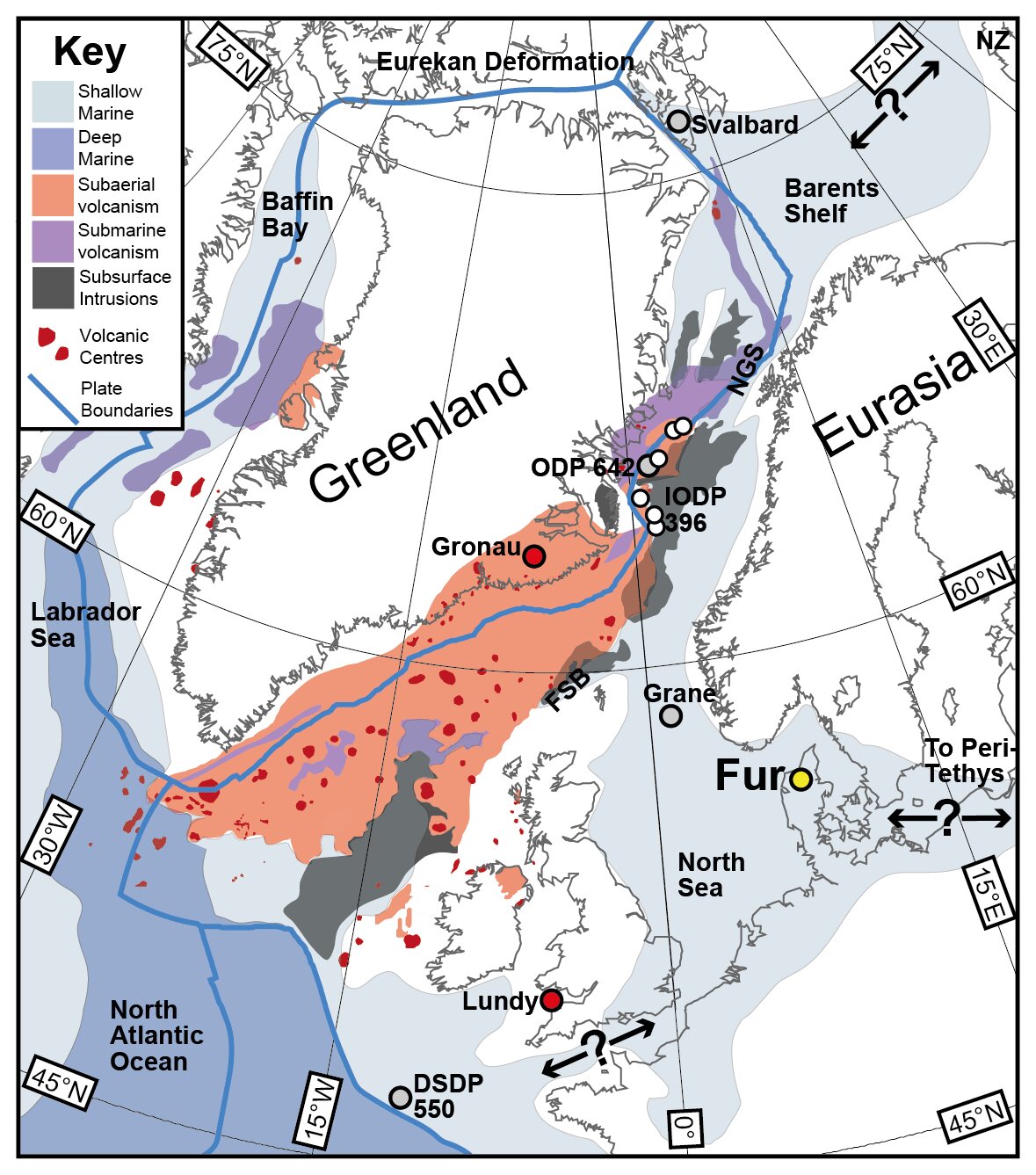
A new study suggests that volcanic activity in the North Atlantic region played a significant role in driving climate change during the Paleocene-Eocene Thermal Maximum (PETM) approximately 56 million years ago. The research indicates that increased carbon emissions from the volcanic activity contributed to a spike in greenhouse gases, leading to a positive feedback loop of rising temperatures. The North Atlantic Igneous Province (NAIP), located between Greenland, the United Kingdom, and Norway, was identified as the source of the volcanic activity. Sediment analysis from the island of Fur, Denmark, revealed ash layers and proxies indicating elevated volcanic activity leading up to the PETM. The study highlights the importance of understanding past climate change events to gain insights into future global warming.