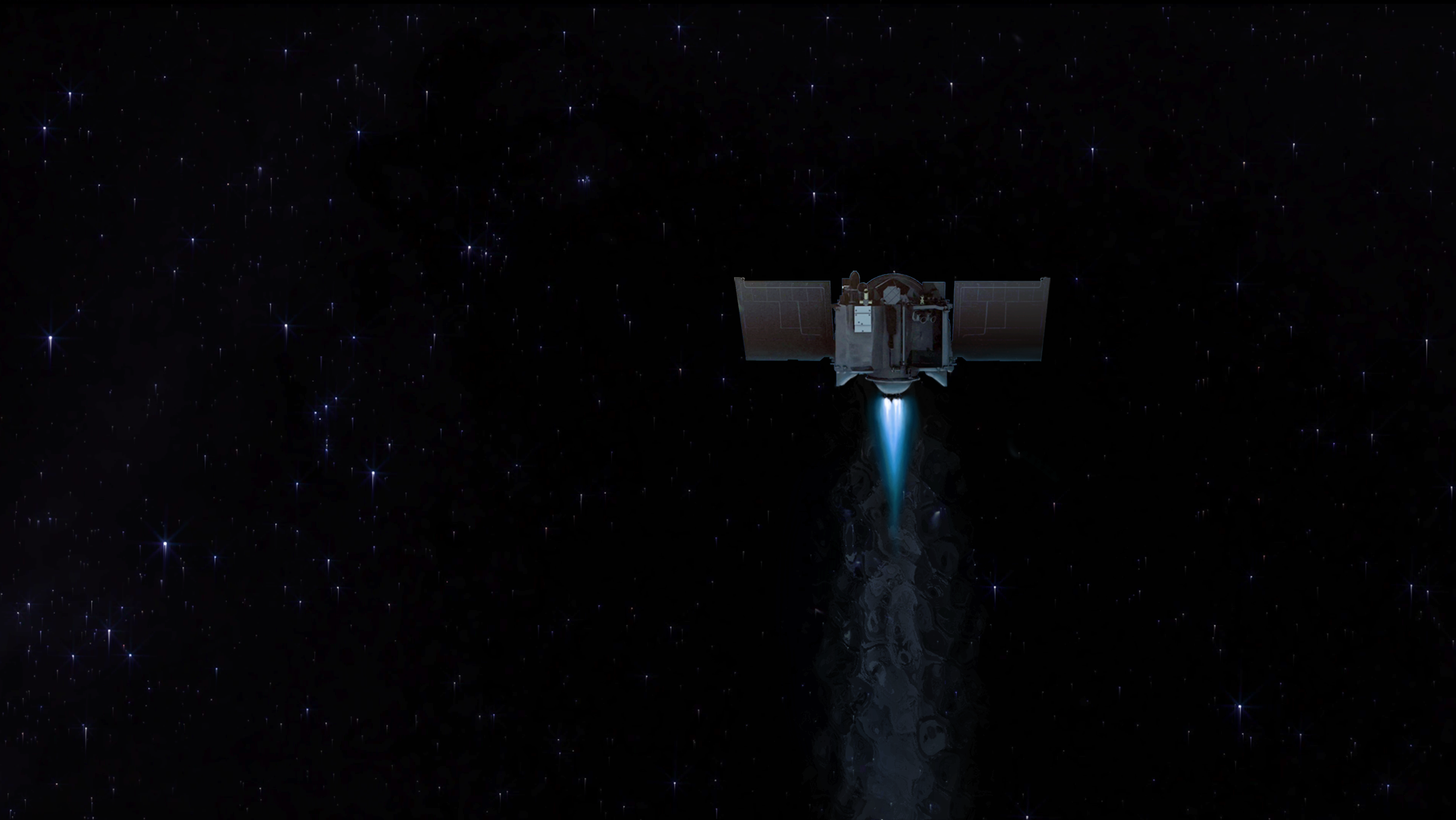
NASA's $20 million mission to study asteroid Apophis in 2029 has been saved from cancellation with last-minute funding, allowing continued observation of the asteroid's close approach, though ongoing budget issues threaten future operations and research.
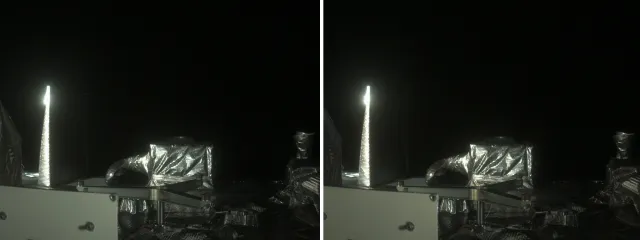
NASA's OSIRIS-APEX spacecraft successfully completed its closest solar pass, thanks to innovative engineering solutions that protected its sensitive components. The spacecraft's instruments showed unexpected improvements, such as a reduction in "hot pixels" in its camera and the dislodging of a rock from its spectrometer. Despite this success, engineers remain cautious as OSIRIS-APEX must complete several more challenging perihelions to reach its target, asteroid Apophis, by 2029.
NASA's OSIRIS-APEX probe successfully survived its closest approach to the sun on January 2, emerging unscathed and confirming the effectiveness of its protective measures. Originally known as OSIRIS-REx, the probe is now on an extended mission to the asteroid Apophis, requiring several close passes to the sun. The spacecraft's systems and onboard camera performed well despite the intense solar radiation, with the next close encounter scheduled for September 1.
NASA's OSIRIS-APEX spacecraft successfully endured its closest pass to the Sun on January 2, 2024, thanks to innovative engineering that protected its sensitive components. The spacecraft, which is on a mission to rendezvous with asteroid Apophis in 2029, showed better-than-expected performance, with some instruments even improving after the high-temperature exposure. However, the mission team remains cautious as OSIRIS-APEX must complete several more close passes of the Sun and Earth gravity assists to reach its target.
NASA's OSIRIS-APEX space probe has resumed communication after surviving a close pass by the sun, during which it tucked in one of its solar panels to protect its instruments. The spacecraft is now performing well, but a full assessment of its performance will take a few months. OSIRIS-APEX is on its way to encounter the asteroid Apophis in 2029 after successfully completing the OSIRIS-REx mission to collect samples from the asteroid Bennu.
NASA's spacecraft, OSIRIS-APEX, previously known as OSIRIS-REx, successfully completed its first close solar flyby on its extended mission to asteroid Apophis. The spacecraft, which had previously collected samples from asteroid Bennu, is now undertaking a challenging journey that includes flying closer to the Sun than it was designed for and using innovative techniques to protect itself from the intense heat. This mission will help study asteroid Apophis before its close approach to Earth in 2029, an asteroid once considered a potential threat but now deemed safe for the next century.
NASA's spacecraft OSIRIS-APEX, previously OSIRIS-REx, is set to explore the 'God of Darkness' asteroid, Apophis, after its historic mission to Bennu. Apophis will make a close flyby of Earth in 2029, offering a unique opportunity to study its surface changes due to Earth's gravity and to gain insights into planet formation and potentially hazardous asteroids. The mission will help advance our understanding of asteroid dynamics and contribute to planetary defense research.
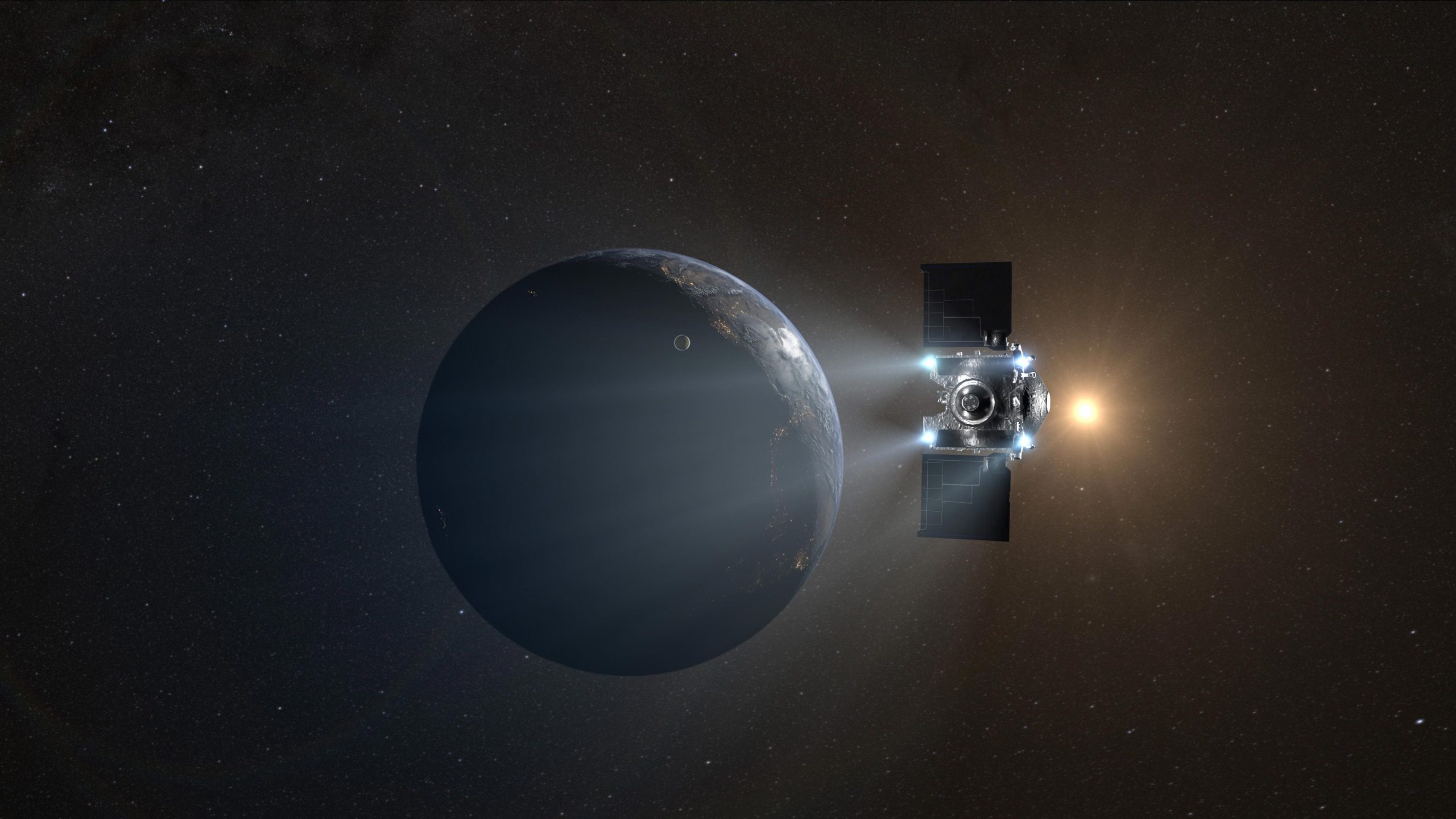
NASA's OSIRIS-APEX spacecraft, on its extended mission after successfully returning samples from asteroid Bennu, is preparing for its first close solar encounter as it heads towards the asteroid Apophis. The spacecraft will pass within 46.5 million miles of the sun's surface, closer than it was designed to operate, and the mission team is adjusting the probe's solar panels to protect its sensitive instruments from radiation. OSIRIS-APEX will make multiple passes near the sun before encountering Apophis in April 2029, providing scientists with valuable data about the asteroid's structure and composition.
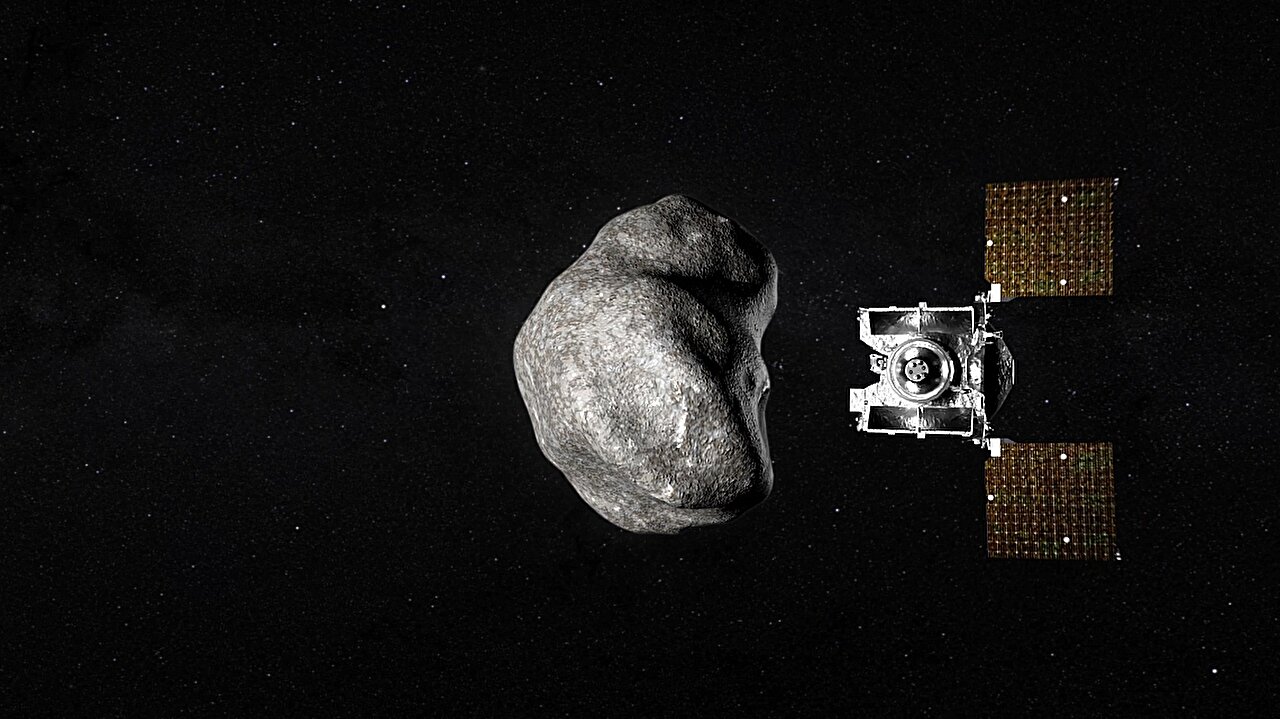
NASA's OSIRIS-REx mission, which successfully collected and delivered the first U.S. sample from a near-Earth asteroid, has been extended and renamed OSIRIS-APEX to study another asteroid named Apophis. The spacecraft will rendezvous with Apophis in 5½ years, just after its close approach to Earth, and spend the next 18 months studying the asteroid in detail. This close encounter with Apophis, which will pass closer than some of Earth's satellites, presents a rare opportunity to study interactions with Earth's gravitational forces and learn more about the asteroid's evolution and characteristics. The mission aims to inform planetary defense research and understand the processes involved in planet formation.
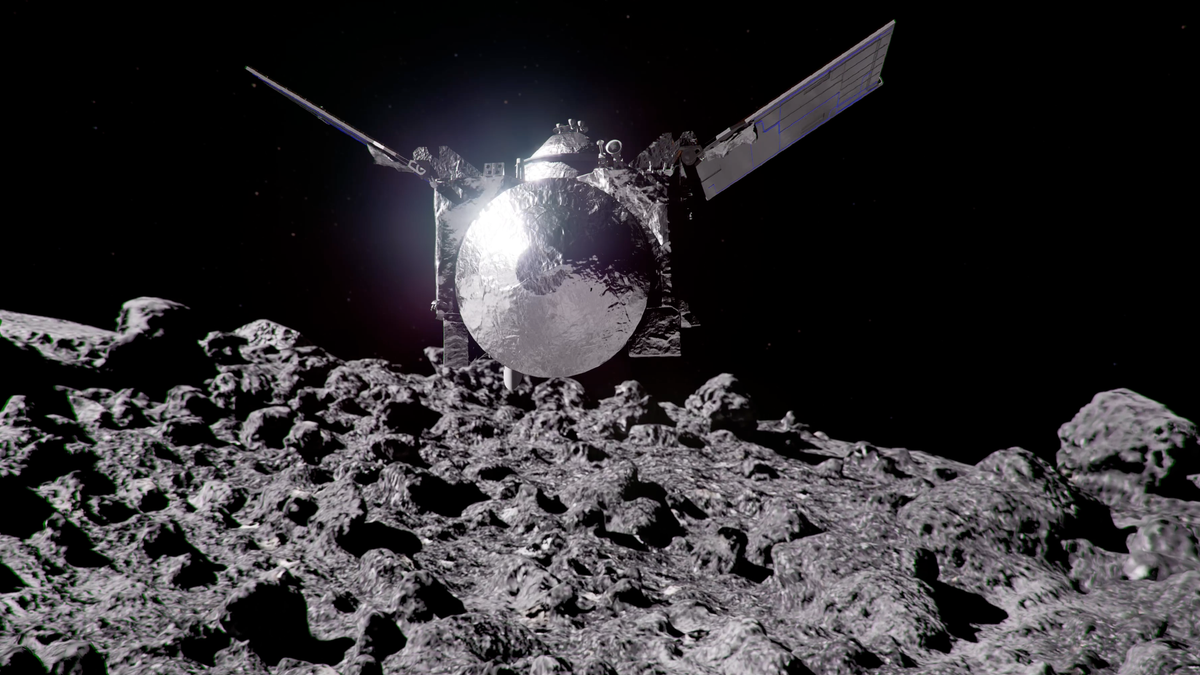
NASA's OSIRIS-REx spacecraft, after successfully collecting a sample from asteroid Bennu, has been repurposed and renamed OSIRIS-APEX for a new mission to study asteroid Apophis. The spacecraft will take advantage of Apophis' close flyby of Earth in 2029, which will bring the asteroid within 20,000 miles of our planet, closer than some satellites. This event provides a unique opportunity to observe the effects of Earth's gravity on the asteroid and to gather data that could inform planetary defense strategies. OSIRIS-APEX will conduct detailed surface mapping and chemical analysis, similar to its previous mission, and will perform a maneuver to stir up surface material for study. The mission is managed by NASA's Goddard Space Flight Center with international partnerships and is part of NASA's New Frontiers Program.