
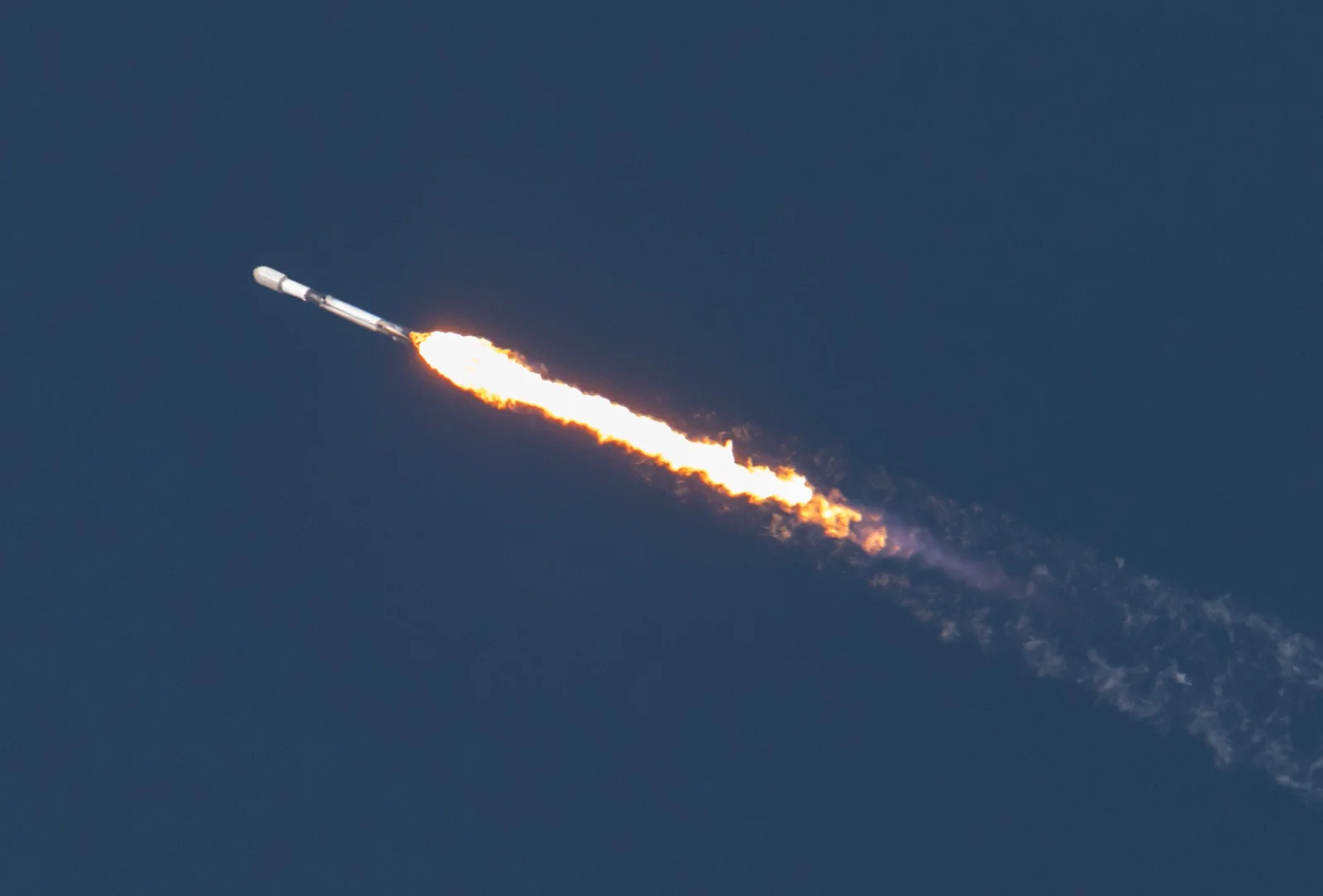
In 2025, global orbital launch attempts reached a record 324, driven mainly by SpaceX and China, with SpaceX conducting 165 Falcon 9 launches and China 92. The growth is expected to slow for Falcon 9 in 2026, as SpaceX shifts focus to Starship, which is anticipated to begin orbital launches in 2026 alongside increased activity from other launch providers. Overall, the trend indicates a significant rise in space launch activity, with the US and China dominating the market.
SpaceX is set to break its 2024 orbital launch record with its 135th Falcon 9 launch of 2025, deploying 28 new Starlink satellites from Vandenberg Space Force Base, and aiming for a successful booster landing on the drone ship 'Of Course I Still Love You.'
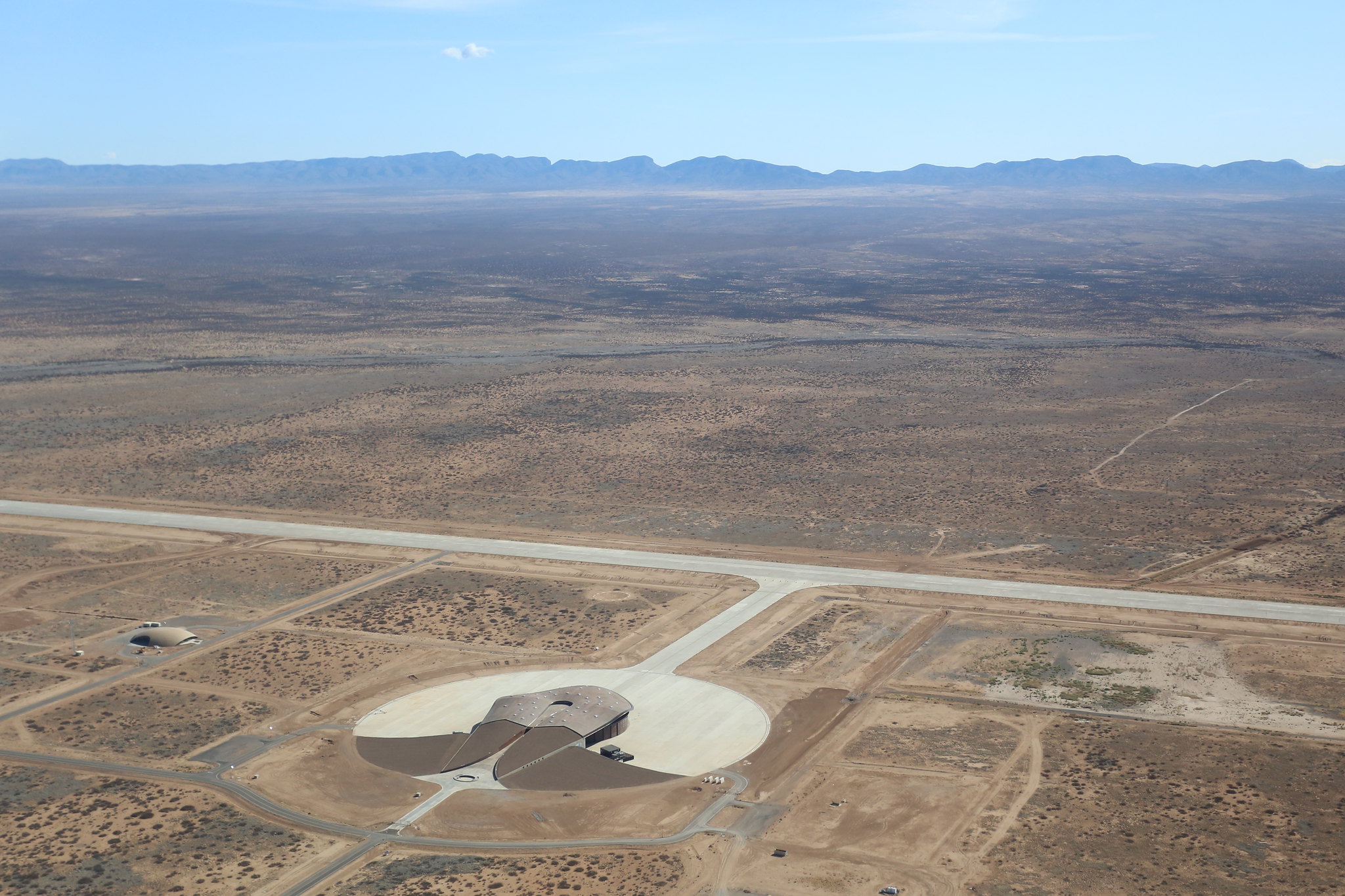
Inland spaceports are seeking ways to accommodate the increasing number of orbital launches, as congestion grows at major launch sites in California and Florida. The Federal Aviation Administration has seen a significant increase in licensed commercial launches, with federal ranges accounting for the majority. Spaceport America in New Mexico is working to win funding for an "Orbital Launch Challenge" prize to encourage orbital launches from inland locations, while other spaceport operators and Space Force officials believe that inland vertical launches may still be years away due to safety and policy implications.