A 13-year-old boy in New Zealand swallowed 80-100 high-powered magnets, which caused internal damage and required surgery to remove them. Despite a ban on such magnets in New Zealand, they are still accessible online, highlighting challenges in regulating imported products. The incident underscores the dangers of small magnets to children and the need for stricter enforcement of safety laws.

The American Astronomical Society has warned against purchasing eclipse glasses from online marketplaces like Amazon, eBay, and Temu, as counterfeit and unsafe products have entered the market. Some Chinese factories have been falsely labeling their products as being made by legitimate manufacturers, posing a safety risk for viewers. The AAS has compiled a list of over a hundred vetted producers, distributors, and retailers offering lab-tested glasses, including major retailers like Walmart and 7-Eleven. eBay responded by stating that it only allows the sale of eclipse glasses verified by the AAS, using AI technology and buyer protection programs to ensure authenticity. Consumers are advised to ensure the seller is identified on the site and listed on the AAS page before purchasing solar viewers online.
The American Astronomical Society warns against buying eclipse glasses from online marketplaces like Amazon, eBay, and Temu, as counterfeit and fake products have entered the market. They have compiled a list of over a hundred vetted producers, distributors, and retailers offering lab-tested glasses, including major retailers like Walmart and 7-Eleven. The AAS advises consumers to ensure the seller is identified on the site and listed on their page before purchasing solar viewers online. eBay responded that it only allows the sale of eclipse glasses verified by the AAS, using AI technology and buyer protection programs to ensure authenticity. If you've already purchased glasses from non-listed retailers, there are methods available to test their safety.
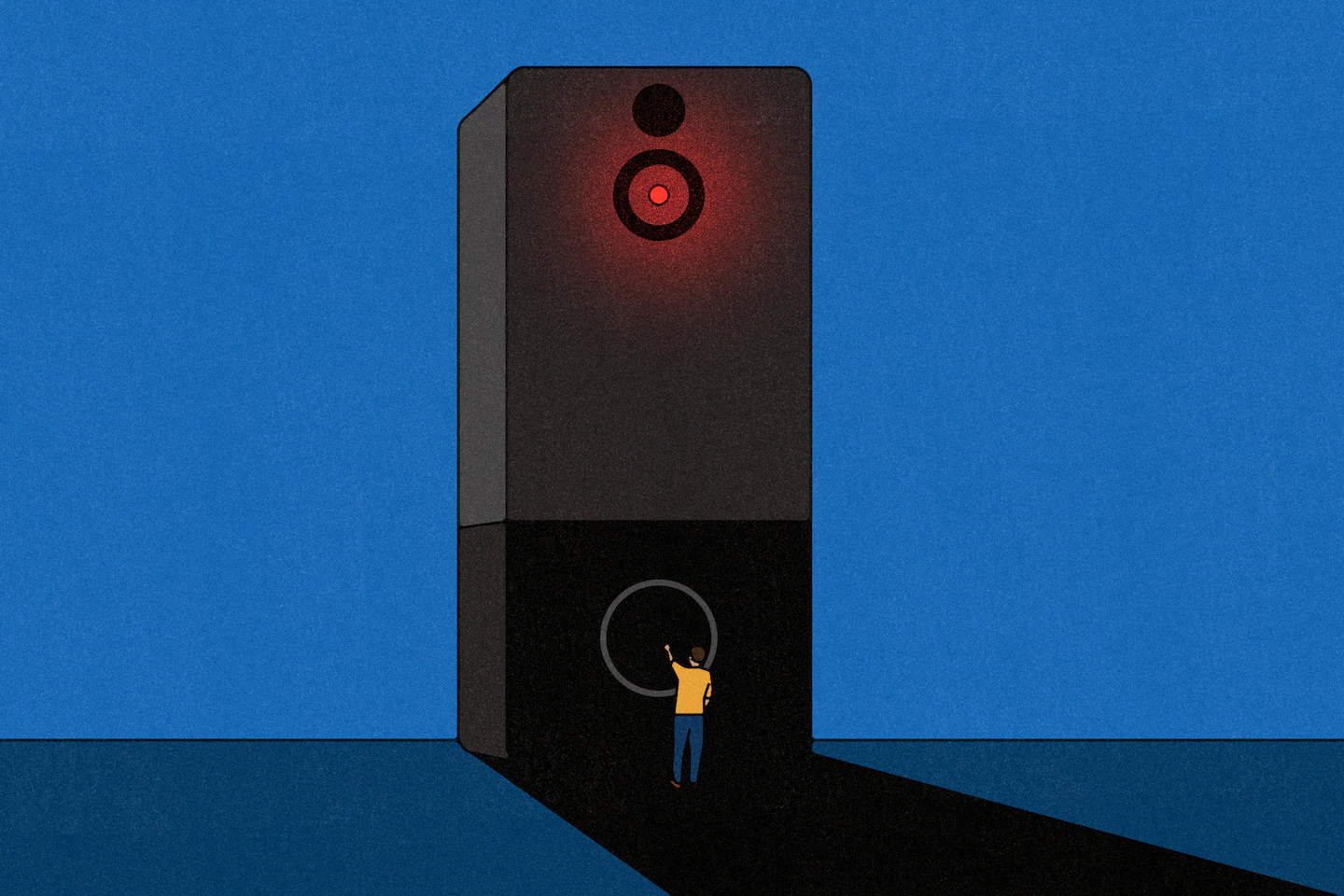
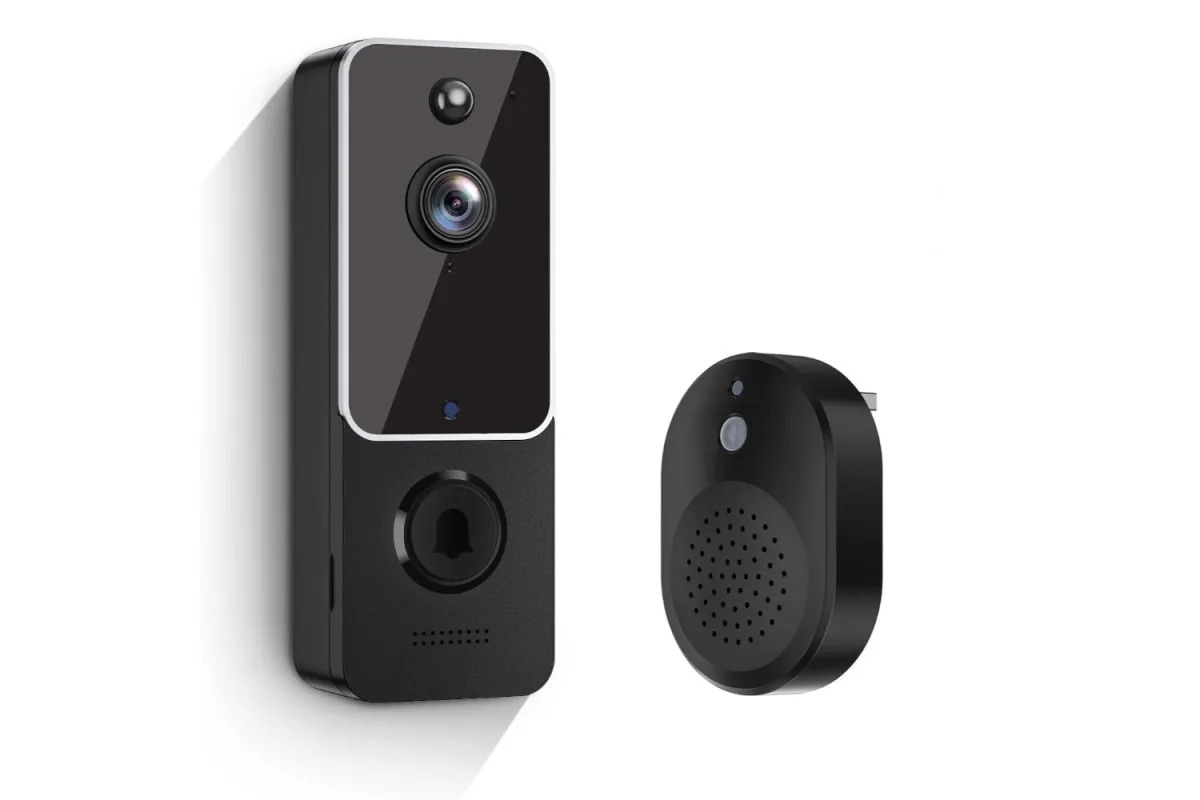
Consumer Reports found security vulnerabilities in popular video doorbells sold on major online retail sites including Amazon, Walmart, and Temu, allowing hackers to take over the devices and view camera footage. The doorbells, mainly sold under the brand names Eken and Tuck, were manufactured by the Chinese company Eken Group Ltd. Despite efforts to label consumer tech with simple security facts, online retailers need to do more to keep shoppers safe from scams and low-quality products. Consumer Reports has requested intervention from the Federal Trade Commission, FCC, and California Attorney General to halt sales of the vulnerable doorbells. If affected, consumers are advised to consider switching to larger, better-vetted brands or even nix the video doorbell altogether due to privacy concerns.
Consumer Reports found that $30 video doorbells sold under various brands on popular marketplaces have serious security issues, including lack of encryption that exposes users' home IP addresses and WiFi network names. These doorbells, linked to a user's phone via the Aiwit app, can be easily hijacked by creating an account and pressing the button to put it into pairing mode. Even if the original owner regains control, the hijacker can still access time-stamped images. The devices pose a threat to safety and privacy, potentially endangering individuals with stalkers or dangerous exes. Consumer Reports has notified online marketplaces, but some have not responded.
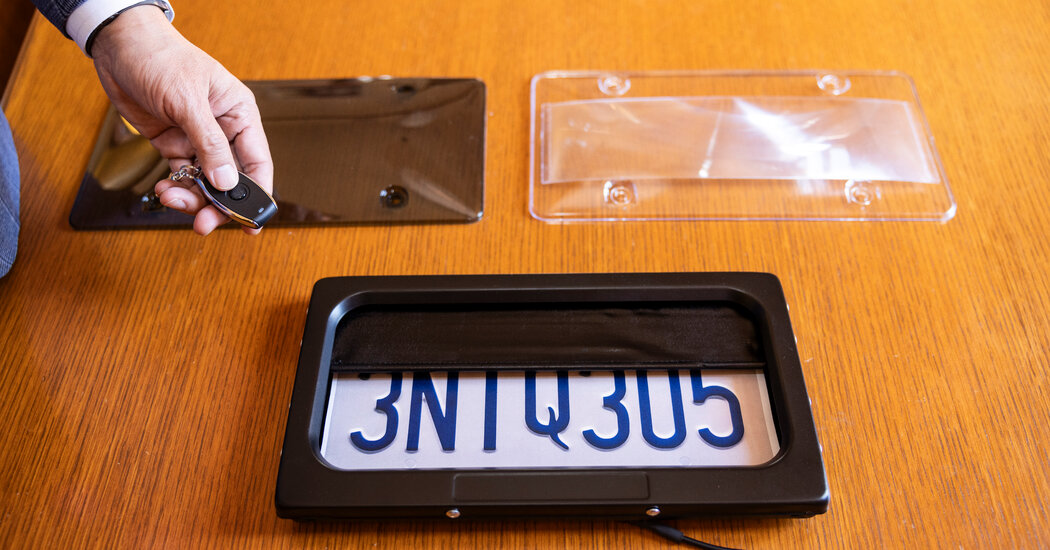
San Francisco City Attorney David Chiu plans to demand that four major online retailers, including Amazon and Walmart, remove illegal license plate covering devices from their websites. These gadgets, which include remote-controlled screens and vinyl wraps, are used to obscure license plate numbers and can be used to evade tolls, red-light cameras, and speed enforcement cameras. Chiu argues that these products are used for illegal activities and should not be sold or used anywhere in America.
Small online sellers are being targeted by law firms using "Schedule A Defendant" lawsuits, a tactic that allows brands to sue multiple sellers at once for trademark infringement. These lawsuits can result in default judgments that leave sellers owing large sums of money and can lead to the closure of their businesses. The lawsuits bypass marketplace programs like eBay's VeRO and instead target sellers directly in federal court. Sellers often receive little notice of the lawsuits, as their identities are sealed, and may only find out when their marketplace accounts are frozen. Legal expert Eric Goldman has called these lawsuits an abusive system of intellectual property litigation and highlights the devastating impact they have on small businesses.
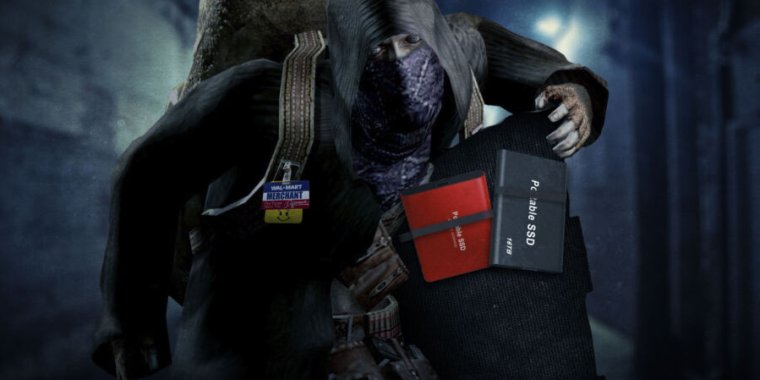
Online marketplaces like Amazon and Walmart have become playgrounds for fraudulent sellers who list products with inflated or deceptive performance claims, including counterfeit tech scams such as fake SSDs, Apple chargers, cables, and batteries that threaten physical harm. Despite their considerable resources, these marketplaces have failed to properly vet sellers and their products. The federal government will require online retailers to do a much better job of vetting seller credentials by the end of this month, courtesy of the INFORM Consumers Act. However, shoppers also need to take matters into their own hands to protect themselves.
Target lost an additional $500 million from organized retail crime at its stores compared to last year, reducing the company's first-quarter earnings by 1%. Retail stores have begun to use safety locks on popular stolen products, and many companies are pushing for government regulation and enforcement to counter the sales of stolen and counterfeit goods on online marketplaces.
Memorabilia bearing Credit Suisse's name and logo, including gold bars, ski hats, stamps, old letters, and sports bags, are being sold on popular Swiss online marketplaces following the announcement of its state-backed takeover by UBS. The sellers are targeting those interested in owning a piece of Swiss financial history, as it is still unknown whether the Credit Suisse brand will continue after the merger is complete. Corporate swag from failed Silicon Valley Bank and Lehman Brothers is also proving popular online.