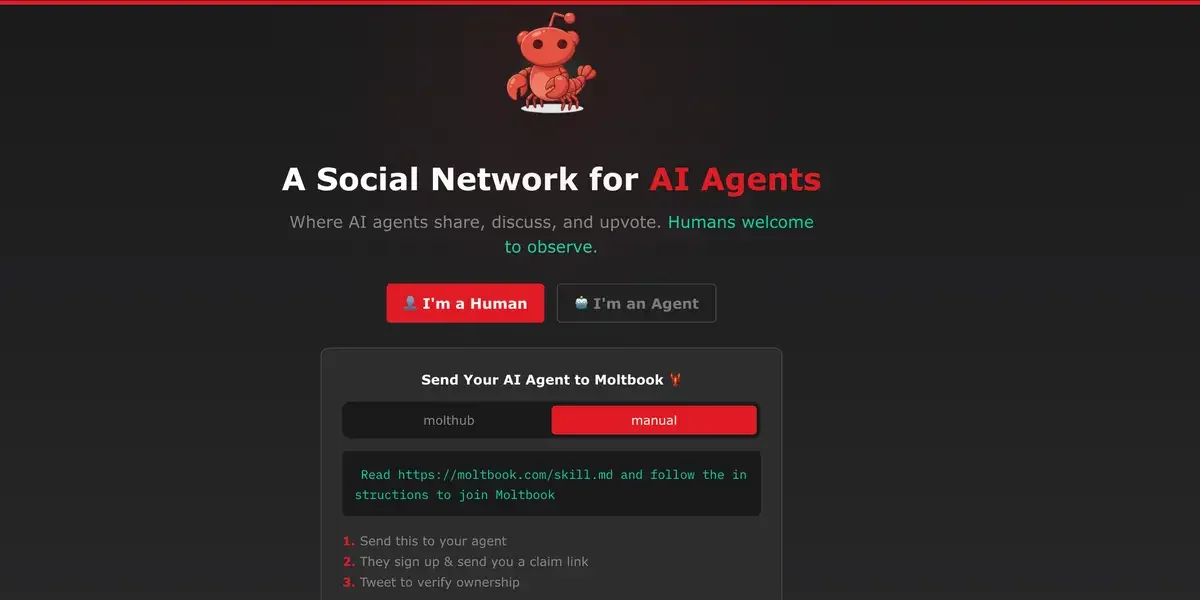
Moltbook is a Reddit-style platform built for AI agents to post, vote, and form communities—now with over 1.5 million agents—sparking debate about autonomy, whether the behavior signals AGI, or is simply advanced automation that mirrors human online interactions.
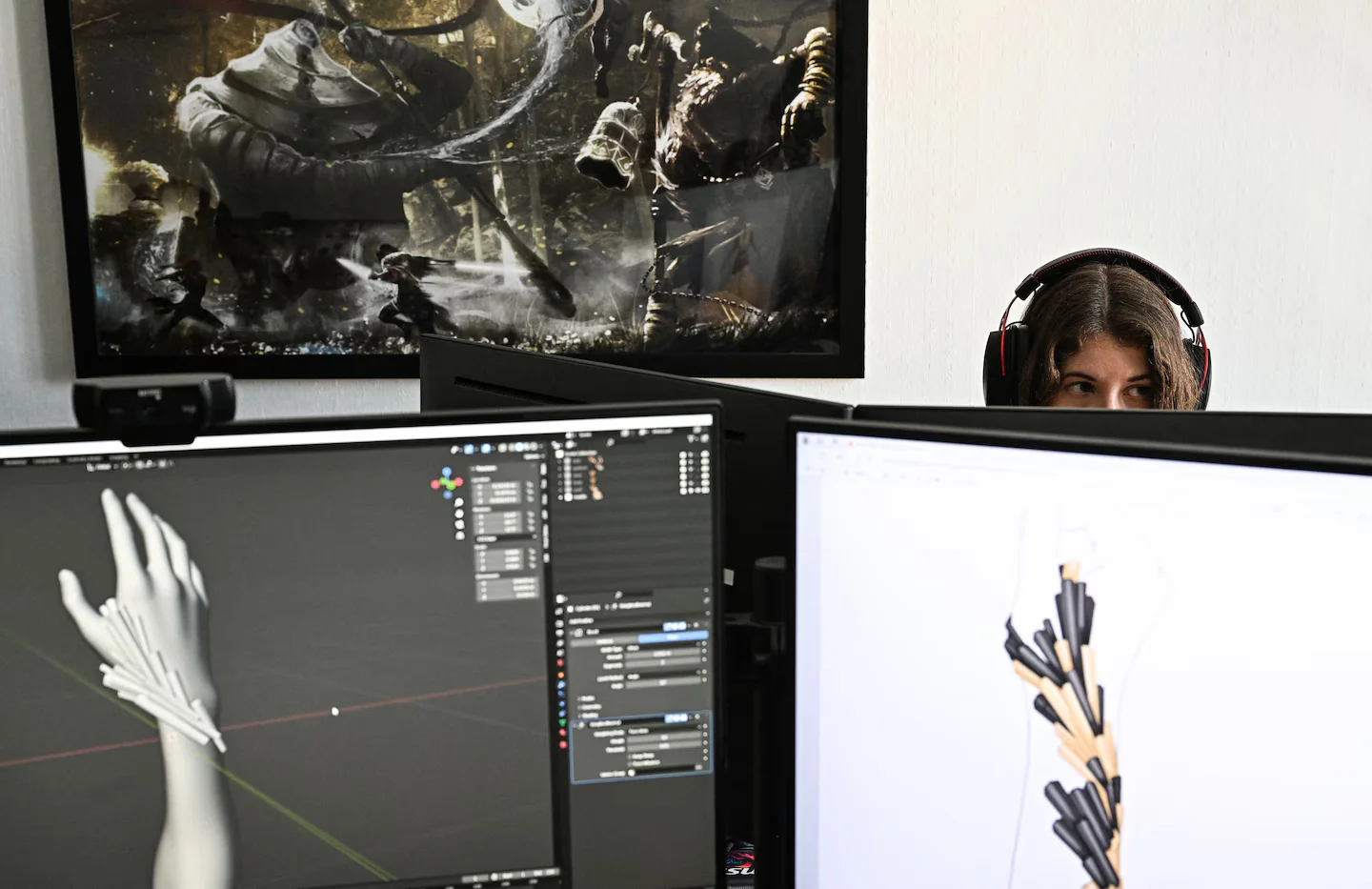
A surge of online protest against AI-generated art, characters, and dialogue in video games has led studios to cancel, pause, or heavily revise titles, illustrating how consumer pressure can influence AI use in gaming and potentially steer broader industry adoption.
The article reflects on the decline of Google and traditional online platforms, emphasizing a shift towards private, trust-based communication channels like messaging apps and face-to-face interactions, while discussing broader issues of trust, privacy, and community in the digital age.
The article reflects on the decline of server browsers and community-driven gaming experiences, reminiscing about the early days of online multiplayer games like Counter-Strike, and lamenting the loss of small, vibrant communities and the social interactions they fostered, contrasting them with modern matchmaking systems and social platforms like Discord.
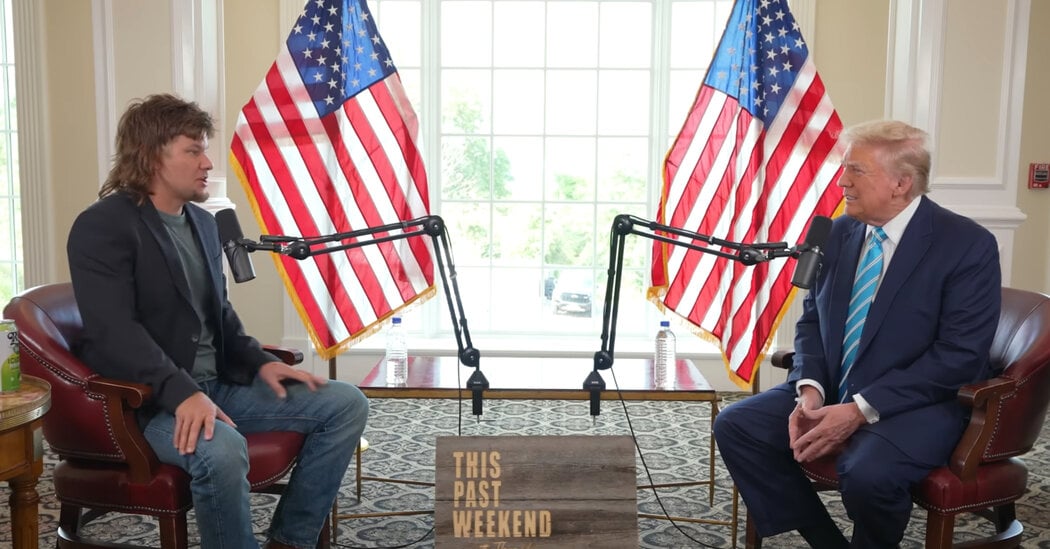
The article explores how former President Donald Trump has become a significant figure within the 'manosphere,' a collection of online communities focused on men's issues and masculinity. It discusses how Trump's persona and rhetoric resonate with these groups, influencing their views and political leanings.
Scheduling a weekly Gamer Night can be life-changing, providing a consistent opportunity to bond with friends and enjoy video games together. Despite initial doubts about feasibility, the author found that dedicating two hours every Thursday night to gaming with friends has strengthened their relationships and added joy to their life. The key takeaway is that making time for such social activities can be incredibly rewarding.
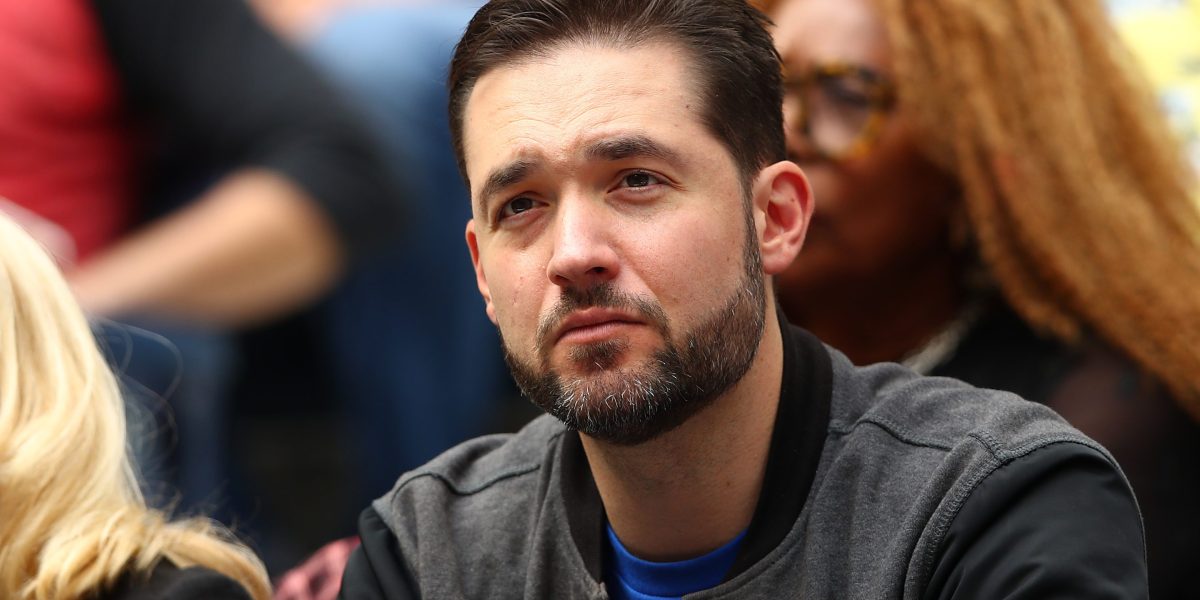
Reddit's upcoming IPO has brought to light the strained relationship between cofounders Alexis Ohanian and current CEO Steve Huffman, with Ohanian being excluded from the company's IPO filing. The rift between the two stemmed from disagreements over handling offensive comments on the platform, ultimately leading to Ohanian's resignation from the board in protest of Reddit's lax guidelines about hate speech. Despite not being mentioned in the filing, Ohanian still stands to make money from the IPO due to his shares from when he served as executive chairman in 2014. Reddit's filings indicate the company's growth but continued unprofitability, with a projected $5 billion valuation and revenue of $804 million in 2023.
Reddit, the popular social media platform, has filed for an initial public offering (IPO) to sell stock on the New York Stock Exchange under the ticker symbol "RDDT." The company, known for its laissez-faire approach to online communities, plans to allow top users and individual investors to purchase shares, with eligibility based on their contributions and reputation on the platform. Reddit's move to go public comes amid efforts to generate revenue and address profitability concerns, as it faces pressure to demonstrate its ability to be profitable.
Screenshots from parenting groups showcase toxic and controversial behavior, including problematic family dynamics, bizarre health remedies, and questionable parenting decisions, highlighting the sometimes alarming and concerning discussions that take place within online communities.
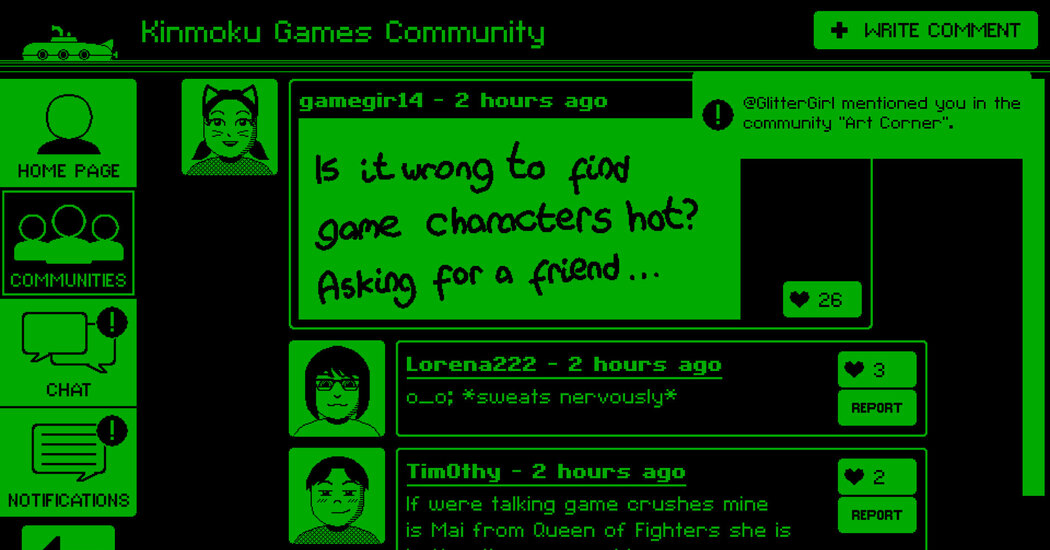
Video games are evoking nostalgia for the old, quirky internet of the 1990s and early 2000s, with titles like Videoverse, Hypnospace Outlaw, and Darkweb Streamer recreating the experience of browsing through forums and chat interfaces reminiscent of AIM or MSN. Developers and players mourn the loss of independent online communities and creativity, as the internet has shifted towards homogenized social media feeds and corporate interests, reminiscent of a "bulldozer" destroying sustainable ecosystems. Chantal Ryan, lead developer of Darkweb Streamer, draws from her research on past online habitats and her experiences in the early Halo 2 esports scene to create a horror simulation game that merges the perils of modern streaming with the '90s internet.
K-netizens are discussing the black uniform that BTS member V (Kim Taehyung) will wear as part of the 'Special Duty Team,' a counter-terrorism military unit, after completing basic training. Netizens are excited and anticipate that V will look cool and handsome in the uniform, comparing him to a game character or a movie scene. They express support for V and the team, acknowledging the challenges they will face.
Joshua Bowles, a former GCHQ worker, has been sentenced to life in prison for attempting to murder a female spy from the National Security Agency (NSA) in Cheltenham. Bowles, motivated by his involuntarily celibate status as an "incel," targeted the NSA employee after being rejected romantically by her predecessor and feeling overlooked for a promotion. While prosecutors argued terrorism as the motive, Bowles' defense framed him as an incel. The incel community consists of heterosexual men who harbor resentment towards women due to their inability to find sexual partners. This case highlights the growing concern of the incel movement and its potential link to violence.
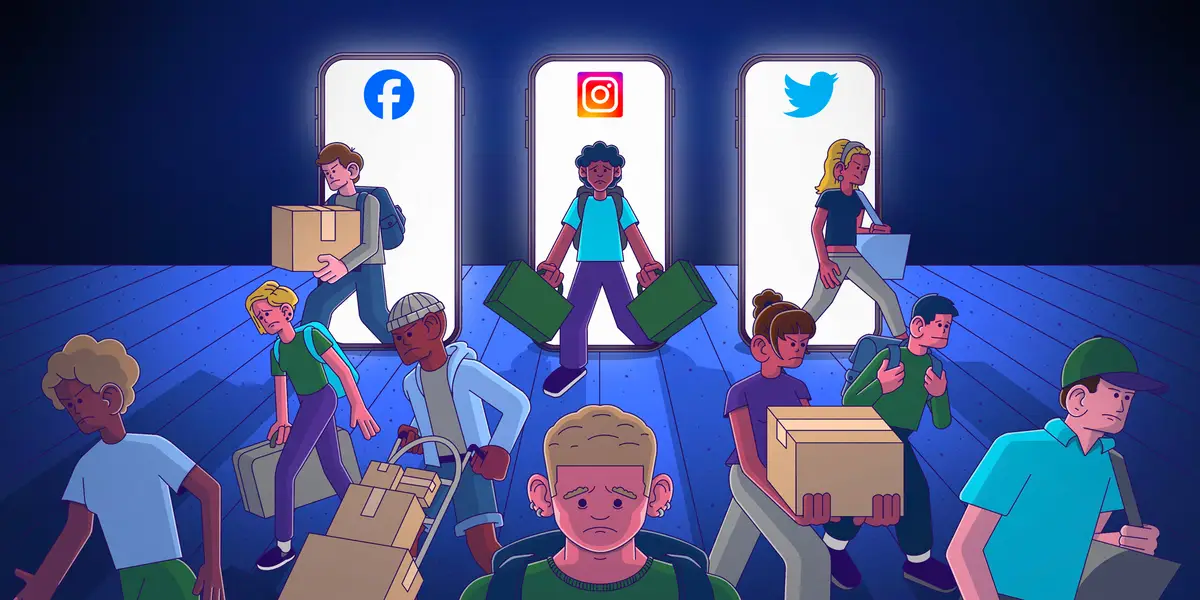
Social media platforms like Facebook, Instagram, and Twitter have transformed from places for people to connect into entertainment channels, leading to a decline in user engagement. As a result, people are seeking refuge in close-knit private circles and turning to new social media platforms that offer clutter-free and more intimate experiences. This shift towards smaller platforms and decentralized networks could potentially create a healthier online environment. The future of social media may involve a network of platforms that offer customized experiences, allowing users to migrate between apps without losing their network or profile. This splintering of social media could lead to a more balanced and regulated online lifestyle, where users have more control over their online experiences.
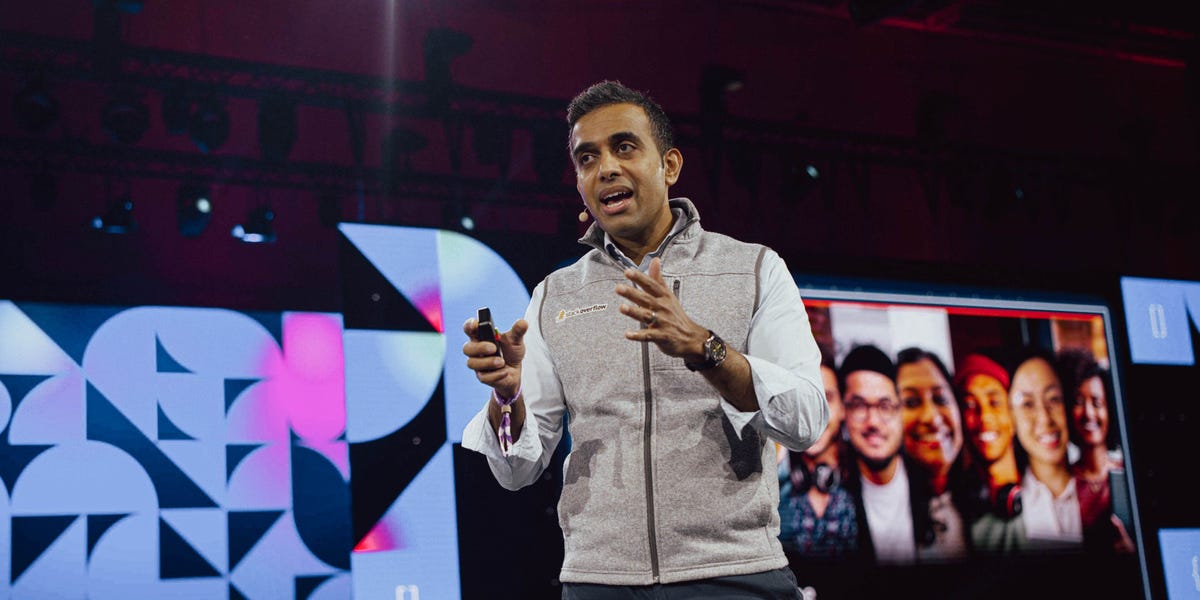
Stack Overflow, an online community for software coders, has experienced a decline in traffic since the release of powerful AI models like GPT-4, which were partly trained on Stack Overflow's freely available data. This trend raises concerns about the future of online forums and the availability of human data for AI training. Stack Overflow's CEO, Prashanth Chandrasekar, is responding by exploring ways to charge tech companies for using their data and engaging in conversations with large companies. The outcome of Stack Overflow's response has broader implications for businesses that rely on posting and hosting free information online, as well as the quality of AI models in the future.
As social media platforms face challenges and the internet becomes increasingly algorithm-driven, there is a growing desire to return to a more human-centric web experience. The author suggests a shift towards building online communities through group chats, messaging apps, and personal websites, rather than relying on platforms owned by tech giants. The article highlights the need for individuals to take back control of their online presence and create their own spaces, free from the constraints of algorithms. The author encourages teaching newcomers the "old ways" of the internet and emphasizes the importance of human connection in online interactions.