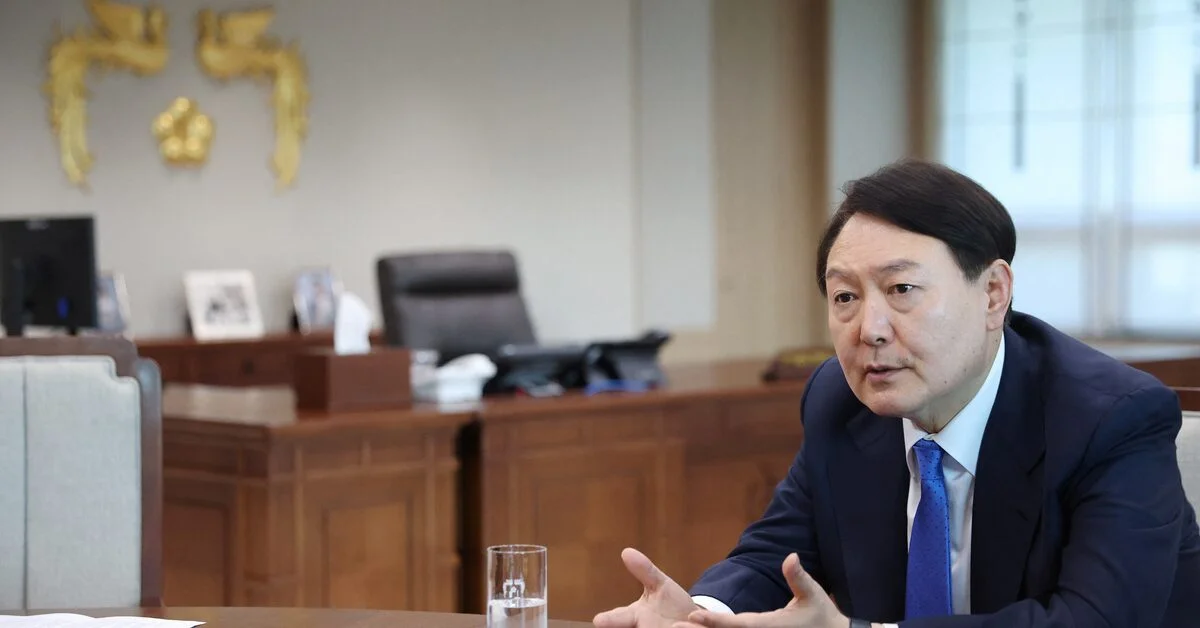
President Lee Jae-myung reaffirmed South Korea's support for the 'One China' principle ahead of his first state visit to China, emphasizing the importance of strategic autonomy, mutual economic benefits, and strengthening diplomatic ties with China under President Xi Jinping's leadership.
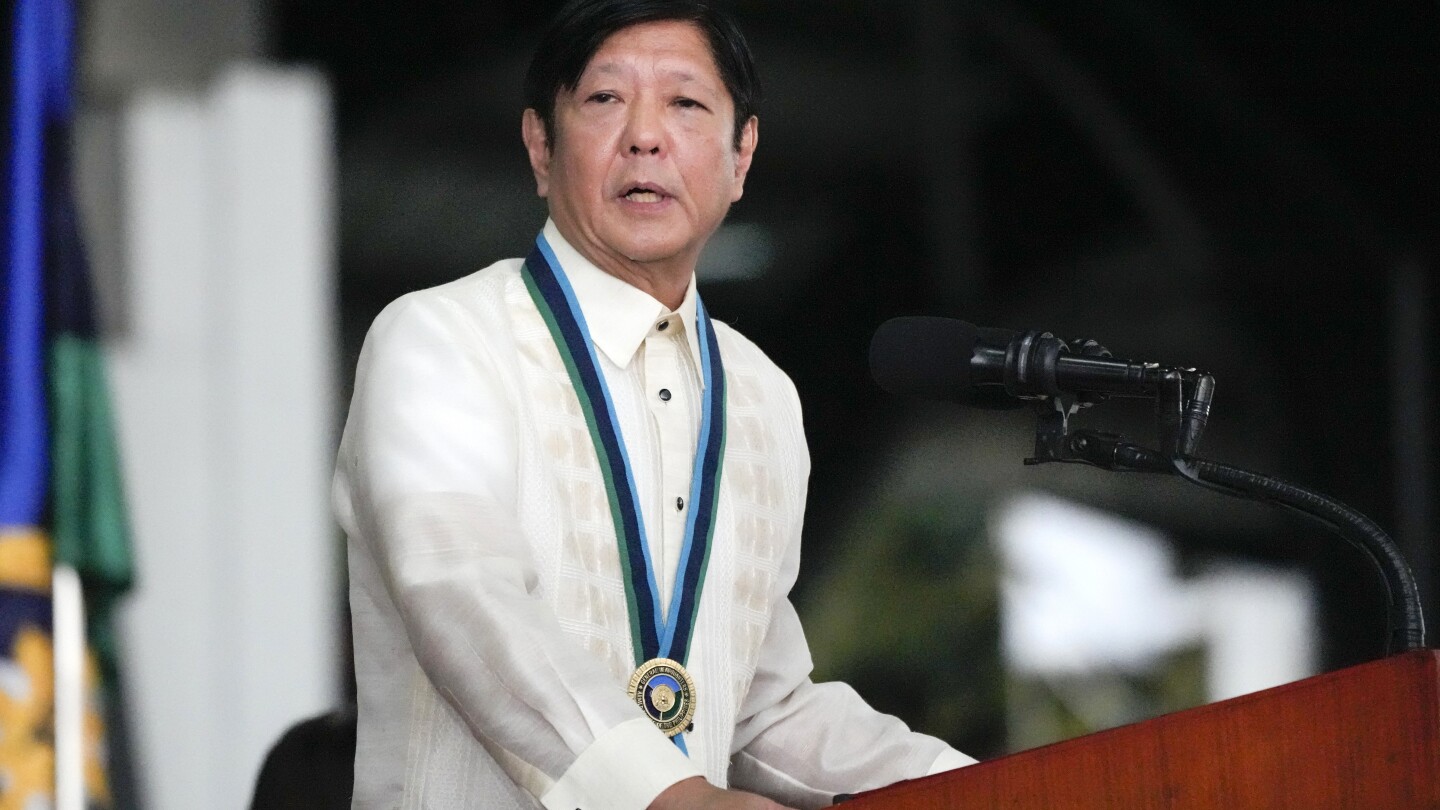
Philippine President Ferdinand Marcos Jr. congratulates Taiwan's president-elect, Lai Ching-te, expressing a desire for close collaboration and mutual interests, a move likely to displease China, which claims Taiwan as its own territory. The Philippines adheres to the One China principle but has been involved in territorial standoffs with China in the South China Sea.
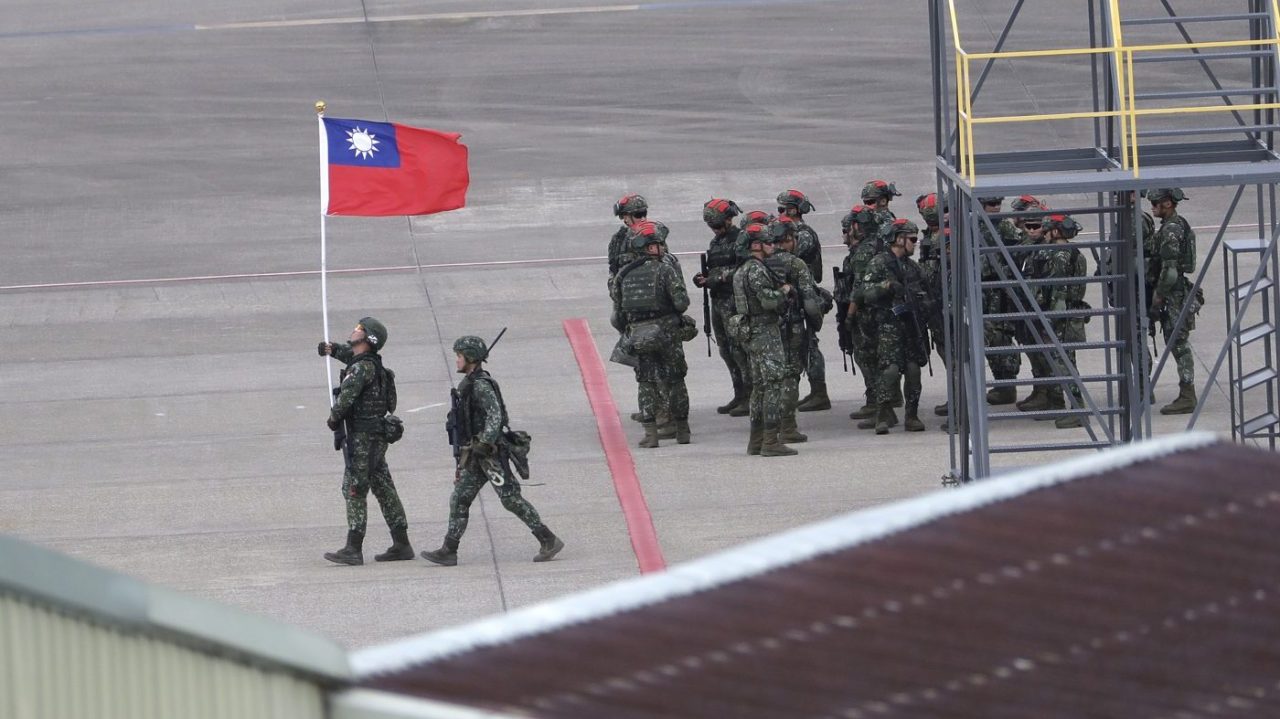
China has expressed strong opposition to the US military transfer to Taiwan, which marks the first-ever use of the Foreign Military Financing program for the island. China claims that the transfer violates the one-China principle and the three China-US joint communiques. The US State Department notified Congress of an $80 million package to strengthen Taiwan's self-defense capabilities. While US officials maintain that this does not indicate a change in policy, China has urged the US to stop enhancing military connections and arming Taiwan. The exact weapons and equipment in the package are unknown but could include air and coastal defense systems, armed vehicles, ballistic missile and cyber defenses, ammunition, or training support.
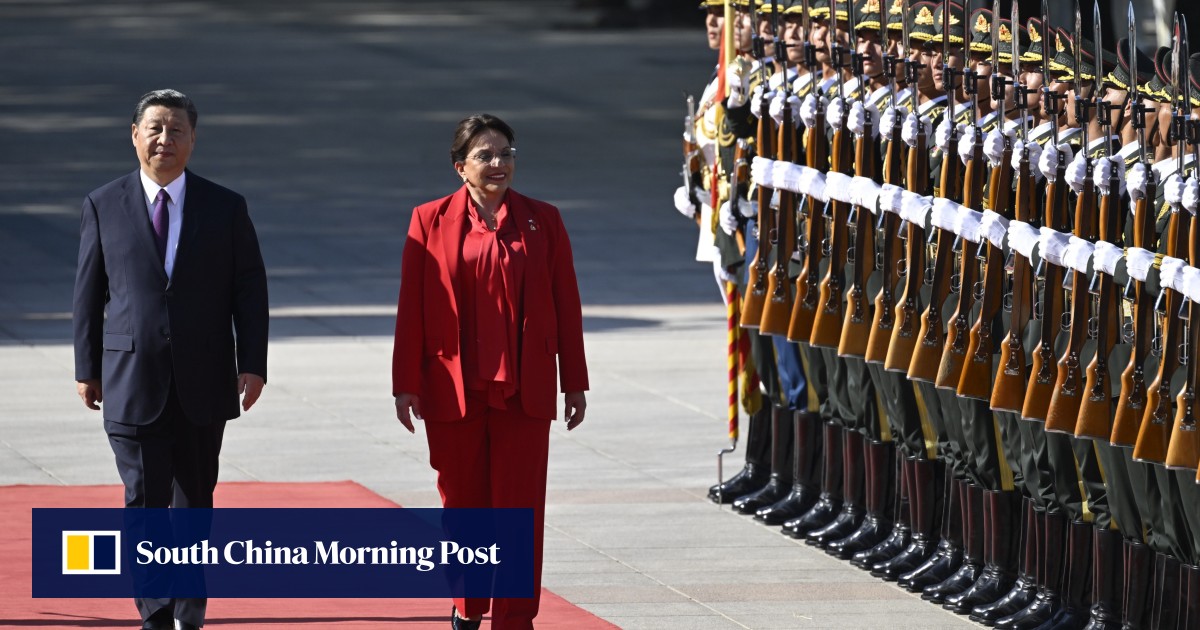
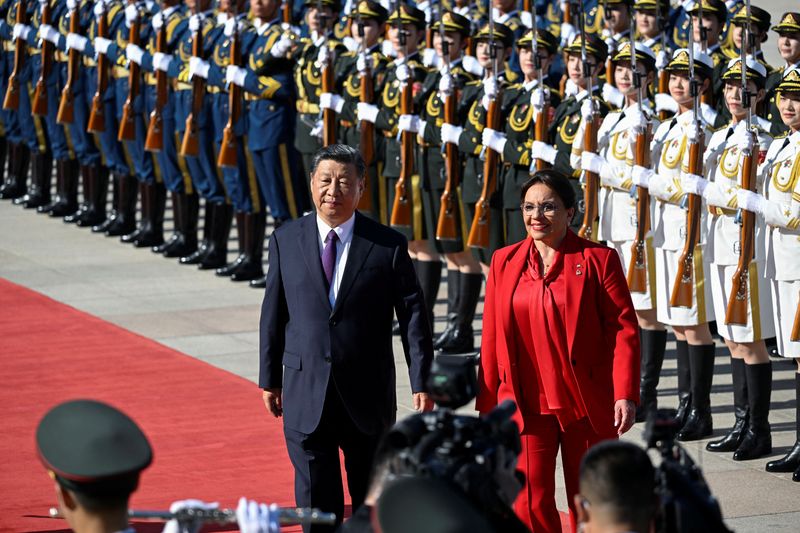
Chinese President Xi Jinping met with Honduran President Xiomara Castro and vowed to support Honduras' economy while emphasizing the "one-China principle" as the foundation for their ties. This comes after Honduras switched allegiance from Taipei to Beijing. The leaders witnessed the signing of 17 bilateral agreements in various areas including trade, agriculture, technology, and education.
Chinese President Xi Jinping has expressed his willingness to begin talks on a free trade agreement with Honduras "as soon as possible" during the first visit by the Central American country's president since forming diplomatic ties in March. Honduras is seeking support from China to mitigate its debt burden and to attract more investment and jobs. China will actively promote Honduran products to enter the Chinese market, and Xi emphasized that both sides should deepen political mutual trust and uphold the "One-China" principle.
China has summoned the South Korean ambassador over President Yoon Suk-yeol's comments equating Taiwan to the South and North Korea issue, which Beijing has called "totally unacceptable". Chinese Vice Foreign Minister Sun Weidong has urged South Korea to adhere to the one-China principle and be careful in its words and actions on the Taiwan issue, stating that the two issues are completely different in nature.
China's Vice Foreign Minister Sun Weidong has lodged a complaint with the South Korean ambassador over "erroneous" remarks by the South Korean president about Taiwan, saying that the remarks are "totally unacceptable" and that the Taiwan issue is not comparable to the Korean Peninsula issue. China demands that countries with which it has ties must adopt its position that Taiwan is Chinese territory.
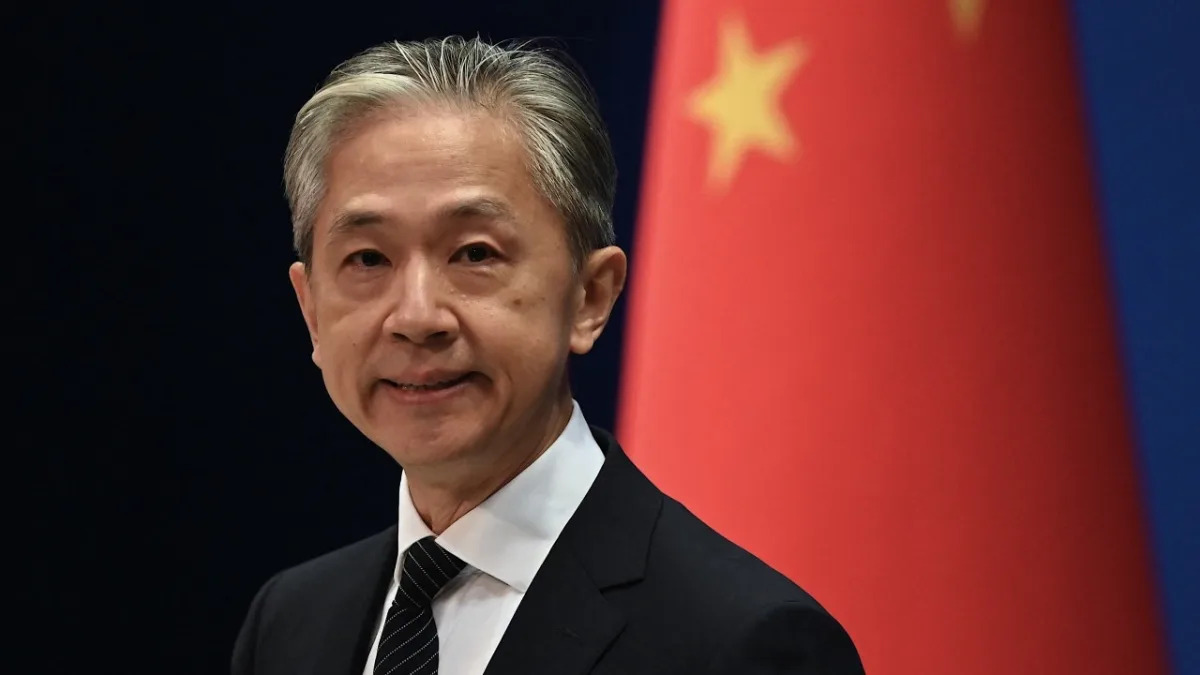
A Chinese Ministry of Foreign Affairs official corrected a Western reporter who referred to the "Taiwanese president," stating that "Taiwan is an inalienable part of China and there is no such thing as 'Taiwanese president.'" China does not recognize Taiwan independence and wants it to formally unite with the mainland. Taiwanese President Tsai Ing-wen is expected to visit the United States in the coming weeks during a multinational trip, which China strongly opposes.