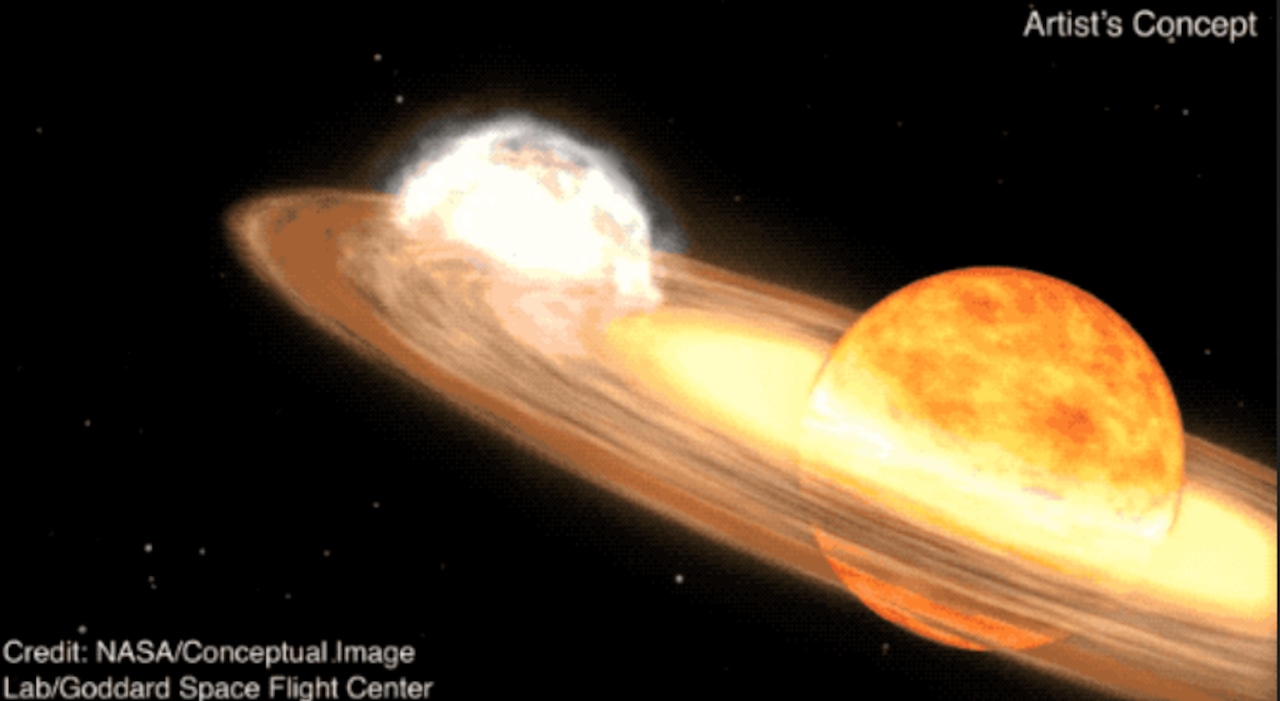
A star system located 3,000 light-years away is expected to become visible to the naked eye due to a nova outburst, a rare event that occurs approximately every 80 years. Known as T Coronae Borealis, or T CrB, the star last exploded in 1946 and is predicted to do so again between February and September 2024. NASA experts describe this as a "once-in-a-lifetime" event, with the star system becoming as bright as the North Star during the outburst, visible for several days and longer with binoculars.
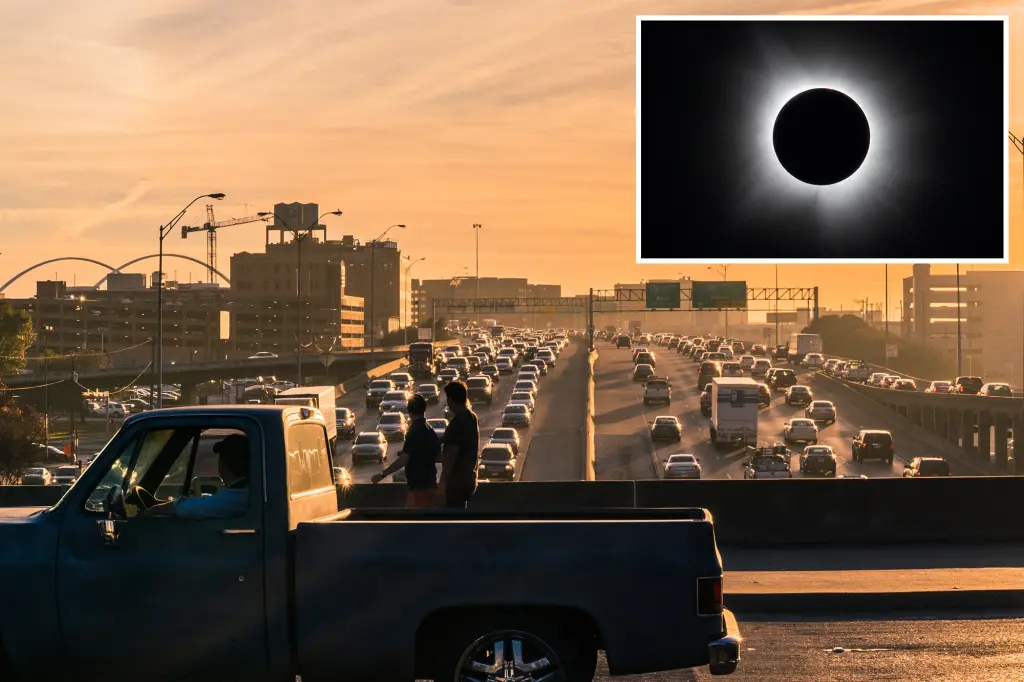
Tens of thousands of people across the US experienced nightmarish traffic jams as they headed home after viewing the total solar eclipse, with highways in Indiana, Illinois, Vermont, Ohio, and Michigan affected. Rest stops reached capacity, exacerbating the congestion, and even New York City experienced traffic jams as people filled the streets to catch glimpses of the eclipse.
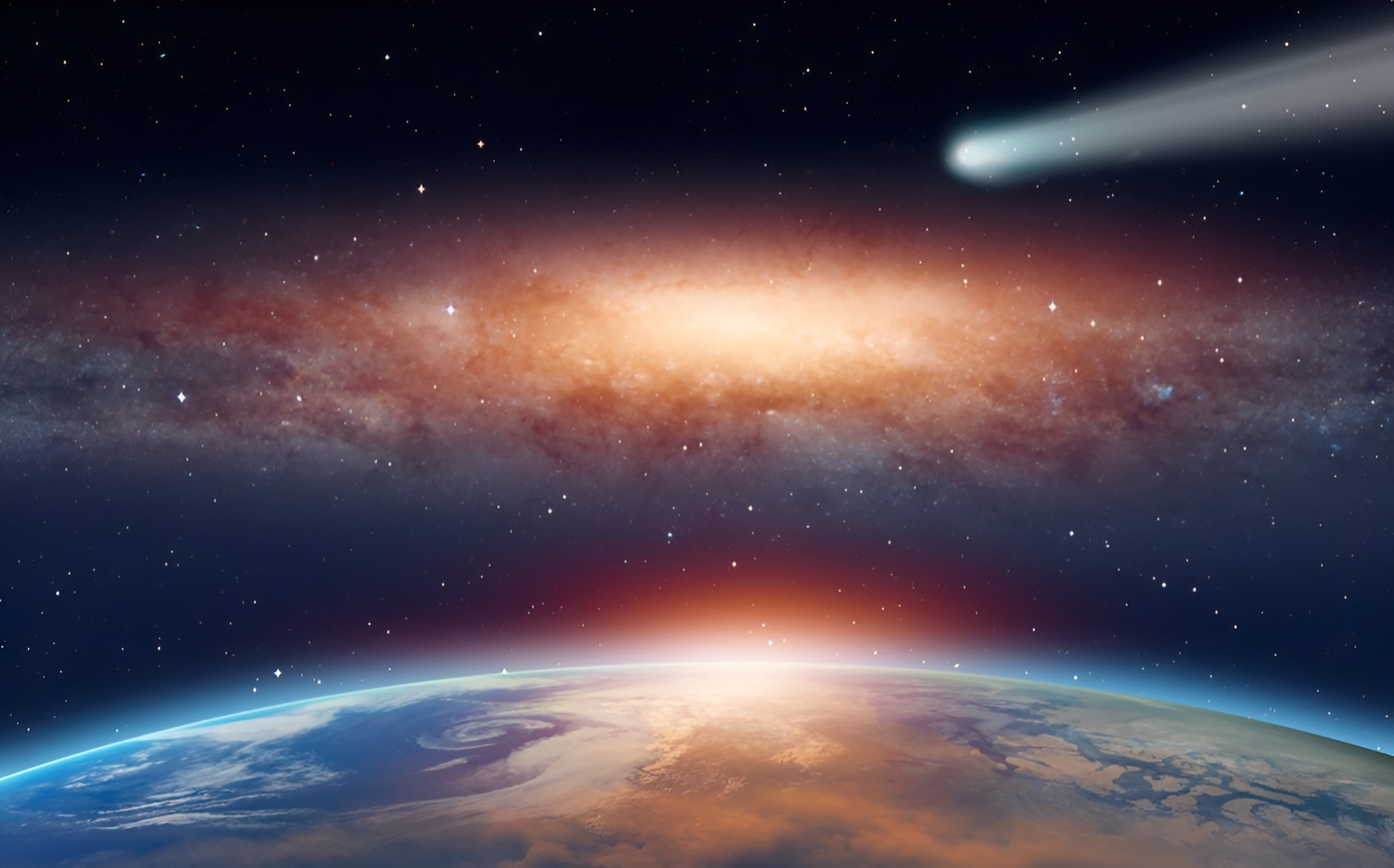
Skywatchers are in for a rare treat as the "once-in-a-lifetime" Comet 12P/Pons-Brooks, larger than Mount Everest and likened to the Millennium Falcon, becomes visible in the night sky this month. Observers can spot it westward after nightfall, with the prime viewing period predicted to be in late March. This cryovolcanic comet, with explosive activity and a 71-year orbit, is expected to reach its closest approach to the sun on April 21 and pass near Earth on June 2 before not returning until 2095.
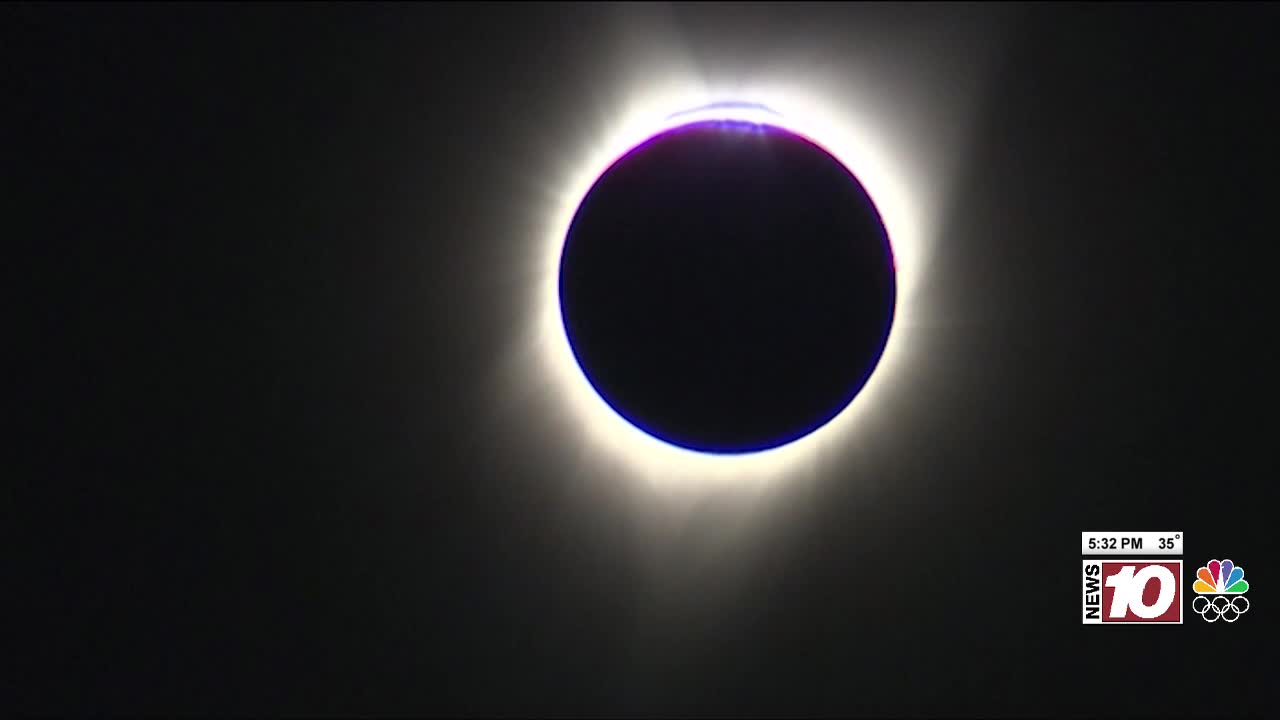
The total solar eclipse on April 8 is a once-in-a-lifetime event for Rochester, and the best place to watch is anywhere in the line of totality. Planning for the experience is key, with options for intimate or large group settings. Local events and activities are available, and families can engage in free journal exercises with kids to enhance the experience. It's a rare opportunity that won't occur again in Rochester for 120 years.
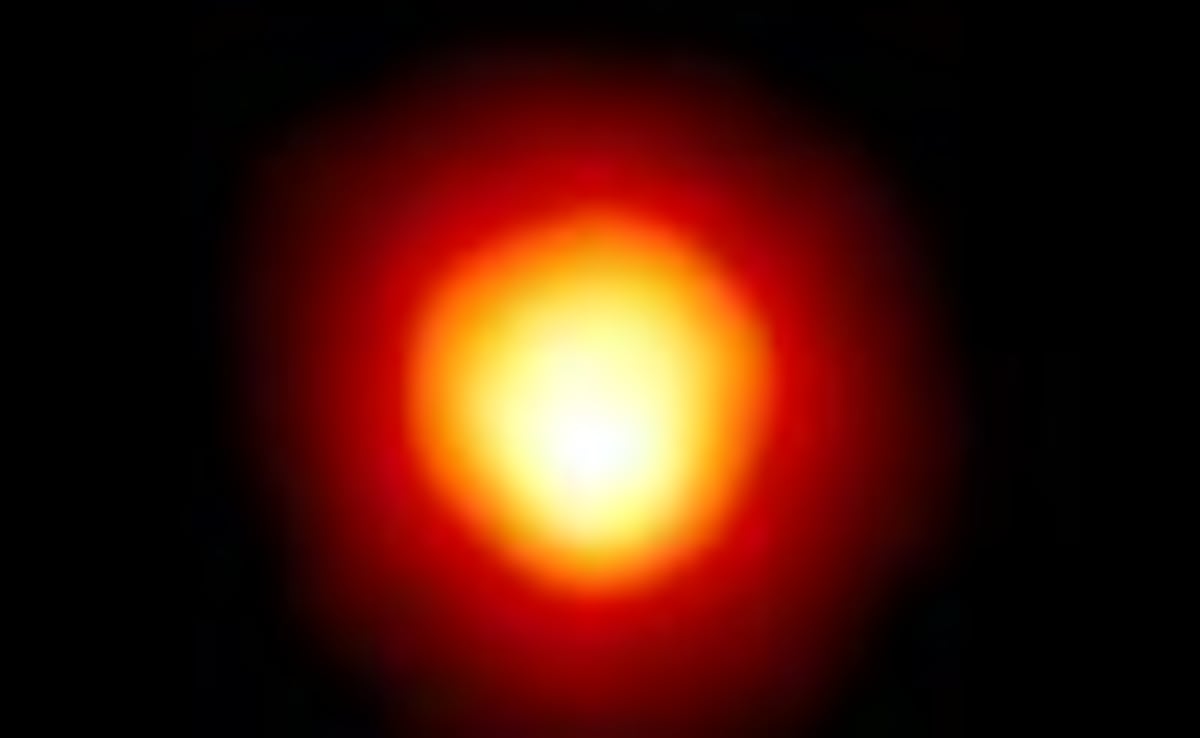
Betelgeuse, one of the brightest stars visible from Earth, is predicted to nearly disappear for 7 to 12 seconds in a "once-in-a-lifetime" event as asteroid Leona passes in front of it. Skywatchers in certain regions will be able to witness this historic event, which is expected to peak in Florida on December 11. Betelgeuse, a red supergiant star, has been of interest due to its fluctuating brightness and concerns of a potential explosion. Scientists hope to learn more about the star and the asteroid through this rare occurrence.