The article discusses how oil traders anticipated and responded to the Middle East conflict, highlighting their strategies and insights into the oil market during geopolitical tensions.
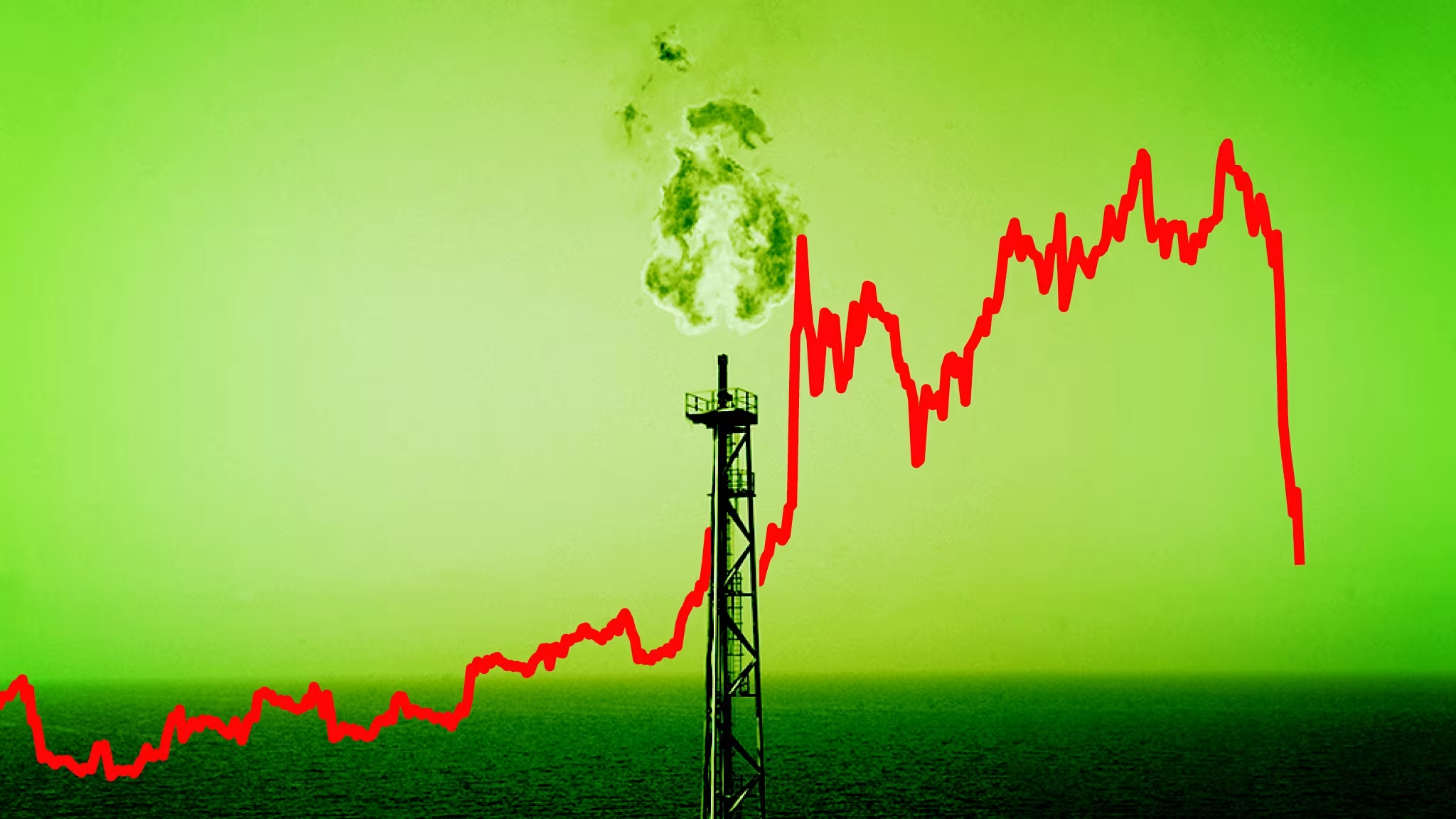
Oil traders are making significant bets on $250 oil, with record levels of bullish options amid geopolitical tensions between Israel and Iran. Despite trading down on Tuesday due to the U.S. Federal Reserve's monetary policy and additional sanctions on Iran, oil prices remain near $90 per barrel for Brent crude. The market is now awaiting Israel's response to Iran's attack to determine the risk premium for crude oil.
As oil traders monitor the conflict between Israel and Hamas, their focus is shifting to Iran, a major oil producer and backer of Hamas. While there is no immediate threat to oil supply, a retaliatory strike against Iran or a crackdown on Iranian oil exports by the US could impact prices. The conflict also raises concerns about the Strait of Hormuz, a vital shipping artery that Iran has threatened to close in the past. The recent surge in Iranian oil shipments and the depletion of global crude supplies due to production cutbacks by Saudi Arabia and Russia have already tightened the market. However, the presence of spare production capacity in Saudi Arabia and the UAE may mitigate an immediate price surge.
Oil traders have been aggressively buying futures contracts in the crude and fuel markets, resulting in a significant increase in bullish bets on oil prices. However, some analysts believe that this surge in buying indicates that oil prices may soon experience a correction. While JP Morgan predicts Brent could reach $150 per barrel, others anticipate Brent hitting $100 by the end of the year. Factors such as high interest rates, growing supply from non-OPEC nations, and potential demand destruction could undermine the current price rally. The delicate balance between pushing prices higher and avoiding excessive increases will be crucial for OPEC's Saudi Arabia and Russia.
Despite Saudi Arabia's pledge to cut oil production to the lowest in over a decade, oil traders are becoming less responsive, with Brent futures remaining almost exactly where they were a week earlier. The bears' confidence is fueled by booming Russian shipments and concerns about China's economy, which has been the bedrock of demand growth. Additionally, global demand is less rosy, with manufacturing in contraction worldwide for each of the last nine months. However, some investors remain hopeful of meaningful market tightening in the second half of the year, as OPEC+ moves may boost buying of cargoes in other markets and tighten them up.