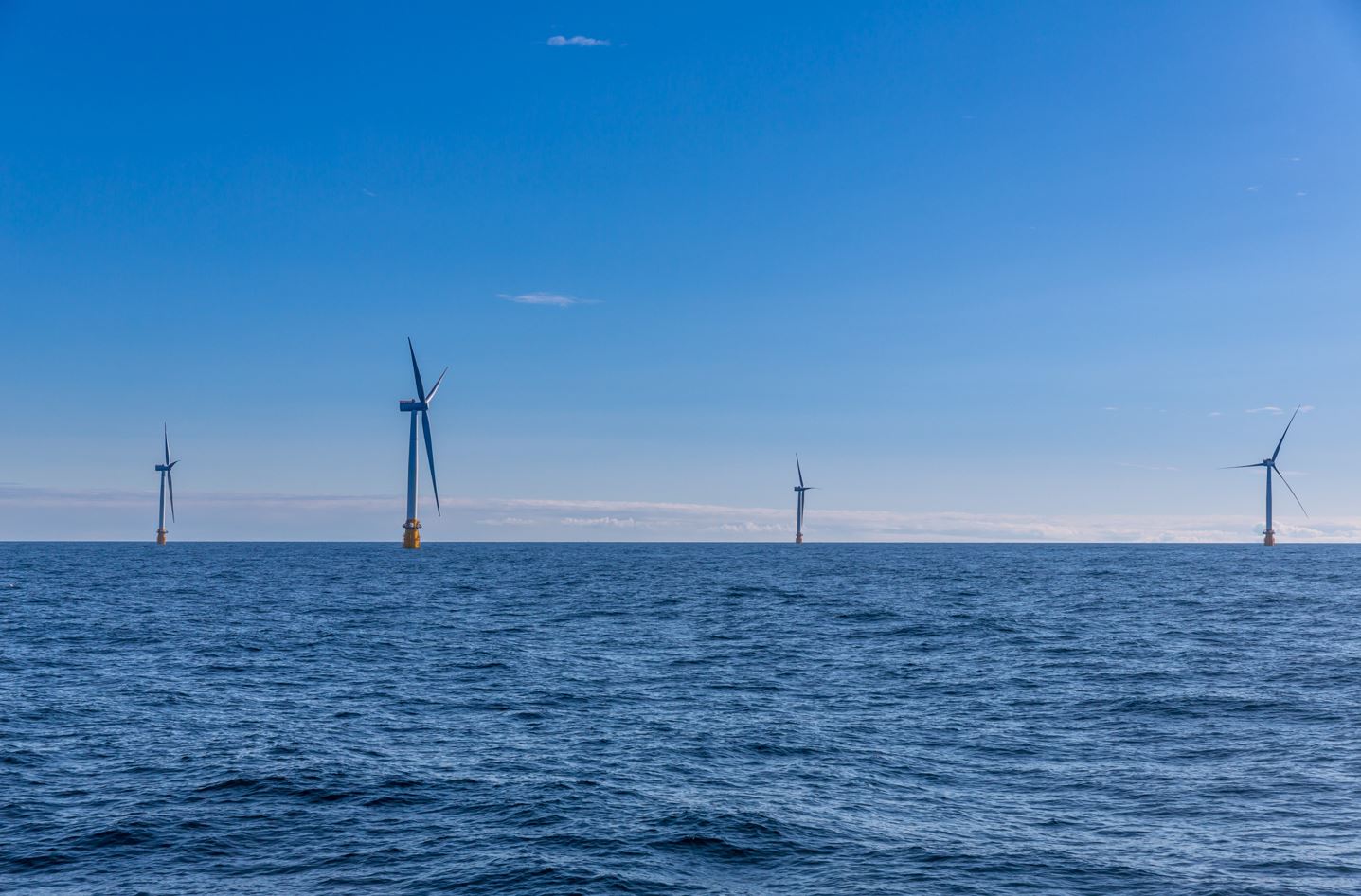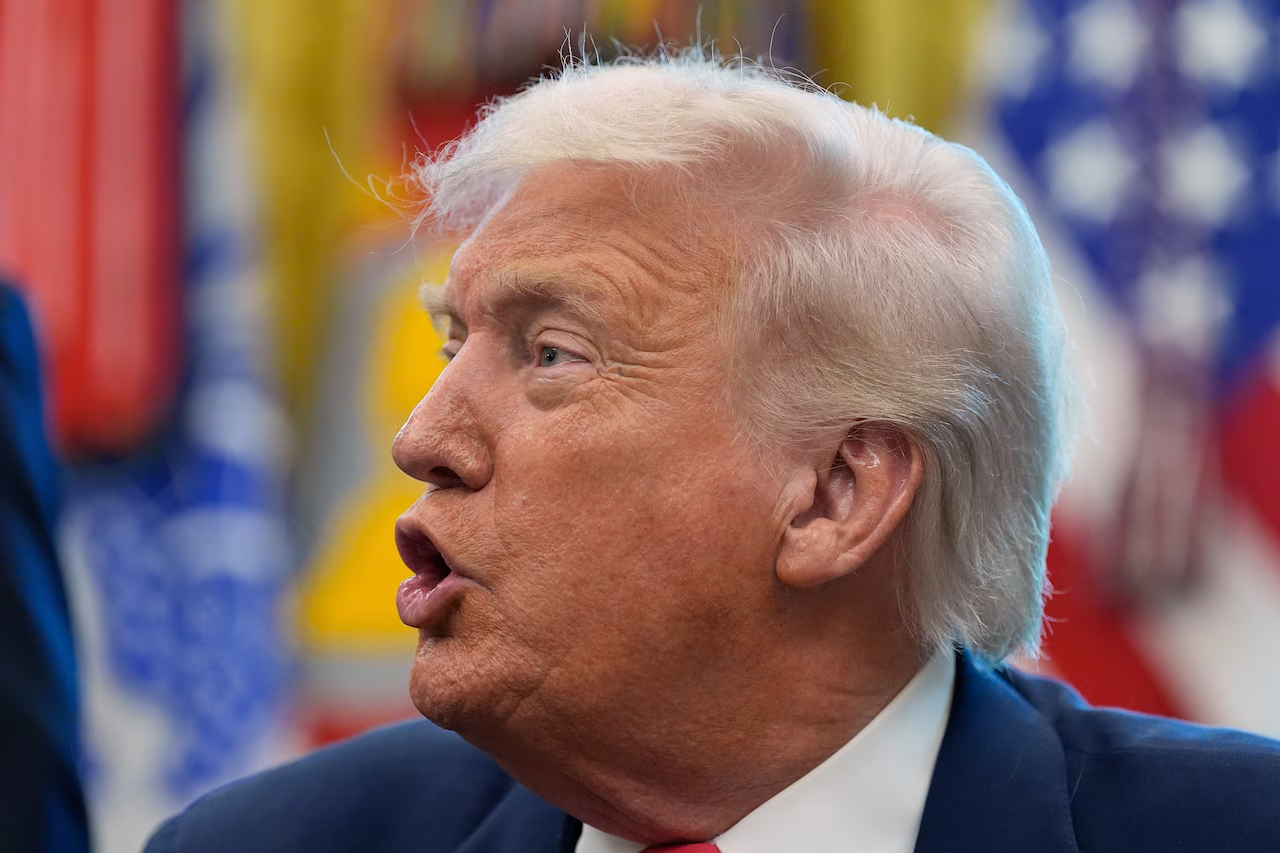
President Donald Trump falsely claimed that windmills in New Jersey are responsible for rising energy prices, but the state's offshore wind projects have not been built and wind energy contributes minimally to its electricity supply. The increase in energy costs is due to other factors, and recent developments include canceled wind projects and increased energy bills amid a hot summer.
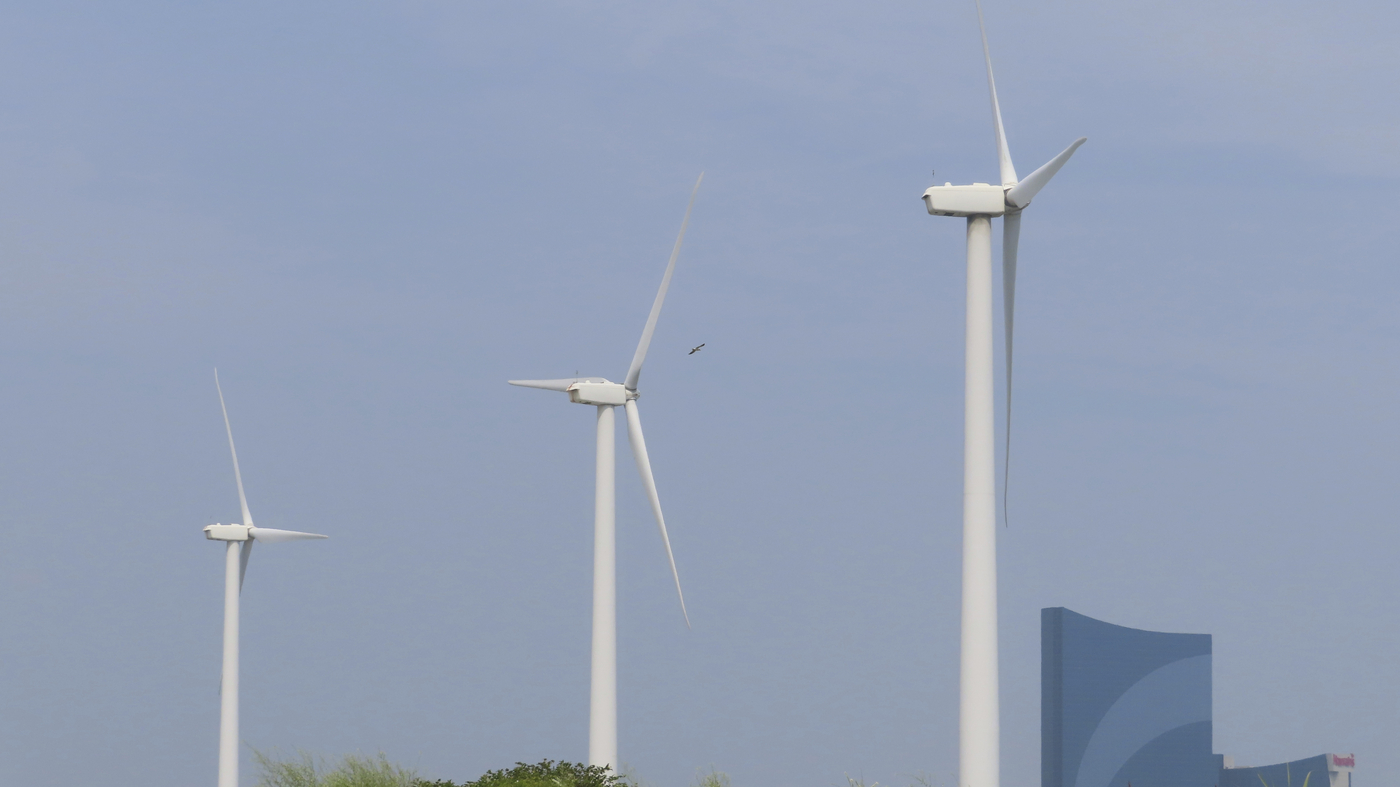
Wind developer Orsted has canceled two large offshore wind projects in New Jersey, citing supply chain problems, high interest rates, and a failure to obtain desired tax credits. The cancellation highlights the financial challenges facing the offshore wind industry, which is seen by supporters as a crucial part of transitioning to clean, renewable energy. However, opponents argue that the industry is unworkable without significant financial subsidies. Despite this setback, other wind projects are still moving forward, and New Jersey has several other offshore wind projects in development.
BP and Equinor are renegotiating the power purchase agreements (PPAs) for their joint offshore wind projects in the USA and may cancel the projects unless they meet the desired return thresholds. The projects include the Empire Wind 1 and 2 off New York, and the Beacon Wind 1 and 2 off Massachusetts, with a combined capacity of 2.4 GW. The partners have secured PPAs covering 3.3 GW of capacity. This comes after AVANGRID terminated the PPA for its Commonwealth Wind project and SouthCoast Wind is also in discussions to cancel and rebid its PPAs for its SouthCoast offshore wind project.
New York City Mayor Eric Adams sued 30 of the 57 counties outside the city over their issuance of emergency orders aimed at blocking migrants from moving to their jurisdictions. The legality of their orders have increasingly come under scrutiny, even as some counties have won temporary restraining orders in state court to prevent hotels from contracting with the city to house migrants. Meanwhile, developers of New York’s offshore wind projects that the state is relying on to meet its climate targets are asking for increased subsidies from ratepayers, saying their work is in jeopardy without additional funding.