Ørsted to Cut 25% of Workforce Amid US Wind Power Challenges
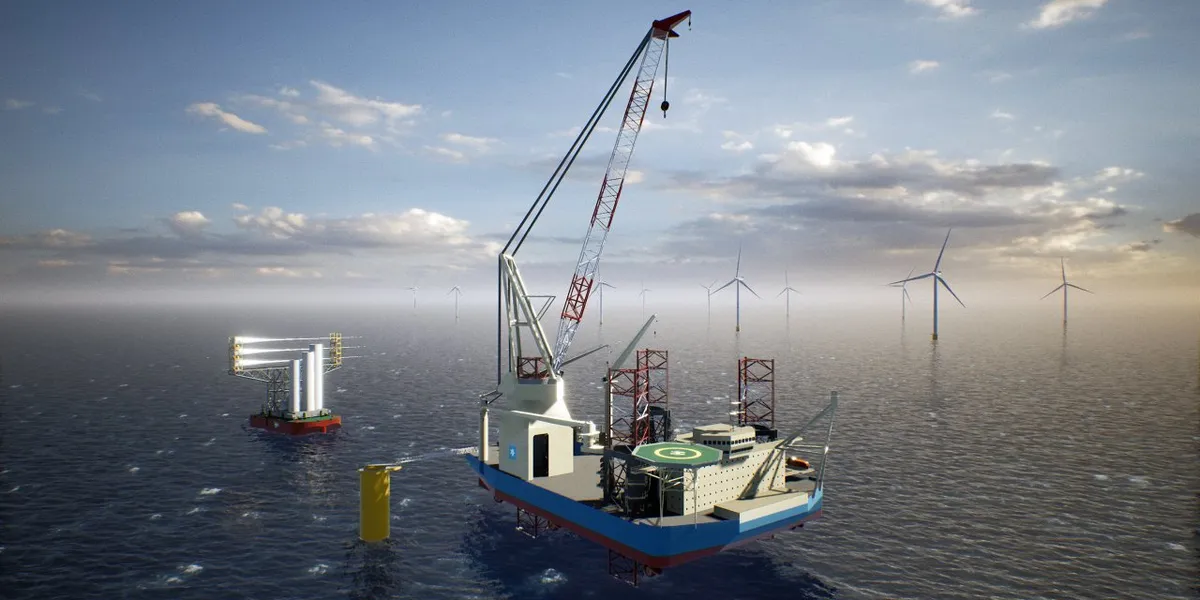
Equinor is considering options after cancelling the Empire Wind vessel project, which was 99% complete, amid uncertainties in the renewable energy sector.

All articles tagged with #equinor
Equinor is considering options after cancelling the Empire Wind vessel project, which was 99% complete, amid uncertainties in the renewable energy sector.
Equinor is investing nearly $1 billion in Ørsted's rights issue to support the Danish renewable energy company amid US political pressures on offshore wind projects, highlighting potential industry consolidation and strategic collaboration between the two firms.

Shell and Equinor have announced plans to merge their British offshore oil and gas assets to form the UK's largest independent oil and gas company. The joint venture, based in Aberdeen, Scotland, aims to enhance energy security and sustain fossil fuel production in the UK. Expected to produce over 140,000 barrels of oil equivalent per day by 2025, the deal is set to be completed by the end of next year, pending approvals. This move is part of a balanced energy transition strategy, ensuring a secure energy supply for the UK.
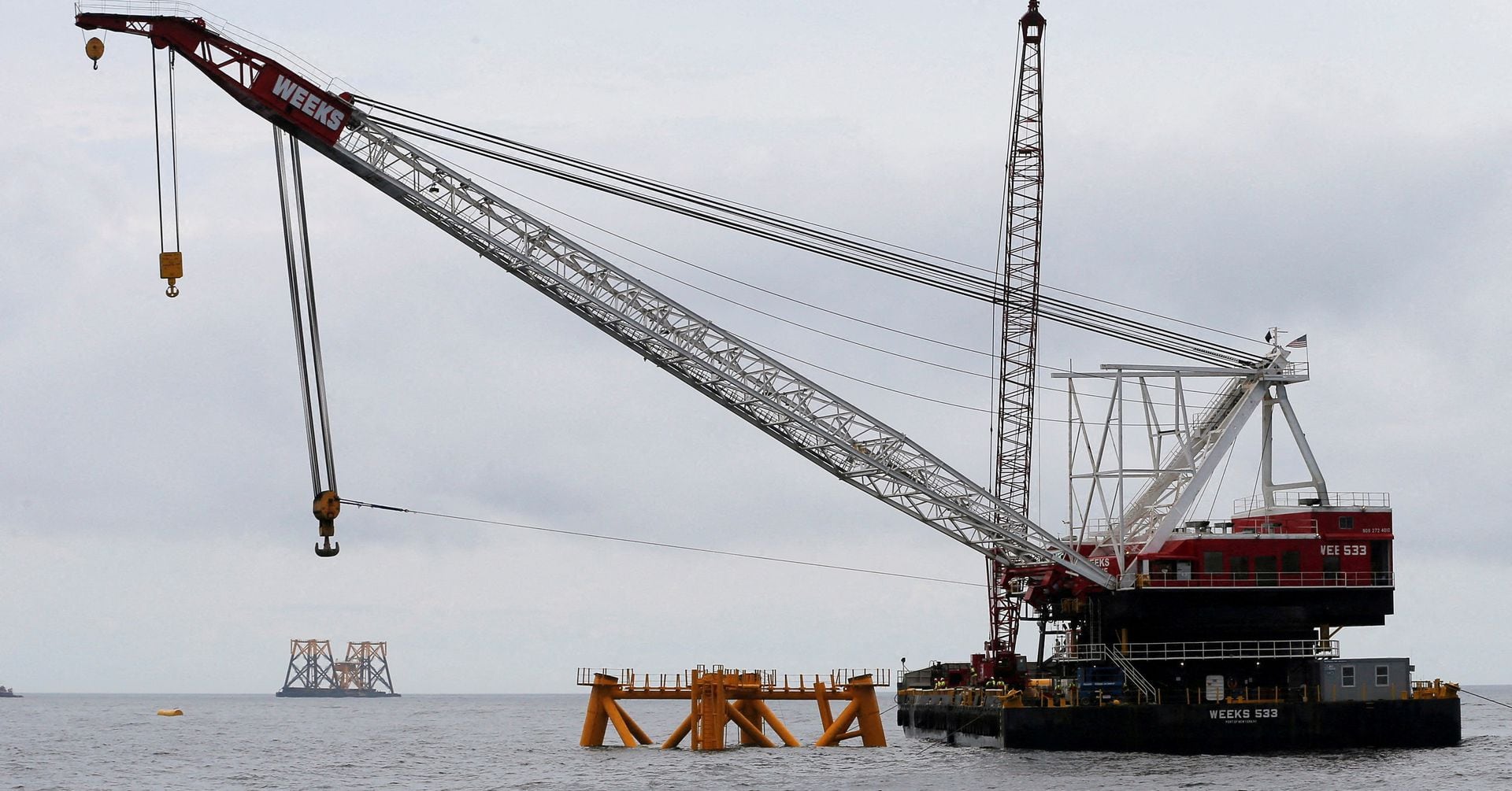
Offshore wind developers, including Equinor and BP, submitted revised bids to supply power to New York state as construction costs soar, leading to industry turmoil and project cancellations. Equinor and BP have split their joint projects, with Equinor taking full ownership of the Empire Wind project and submitting a bid for it, while BP's plans for the Beacon Wind project remain unspecified. Orsted also submitted a bid for the Sunrise Wind project and plans to acquire its partner Eversource's stake if successful. The New York state is expected to announce the winners of the solicitation in February.
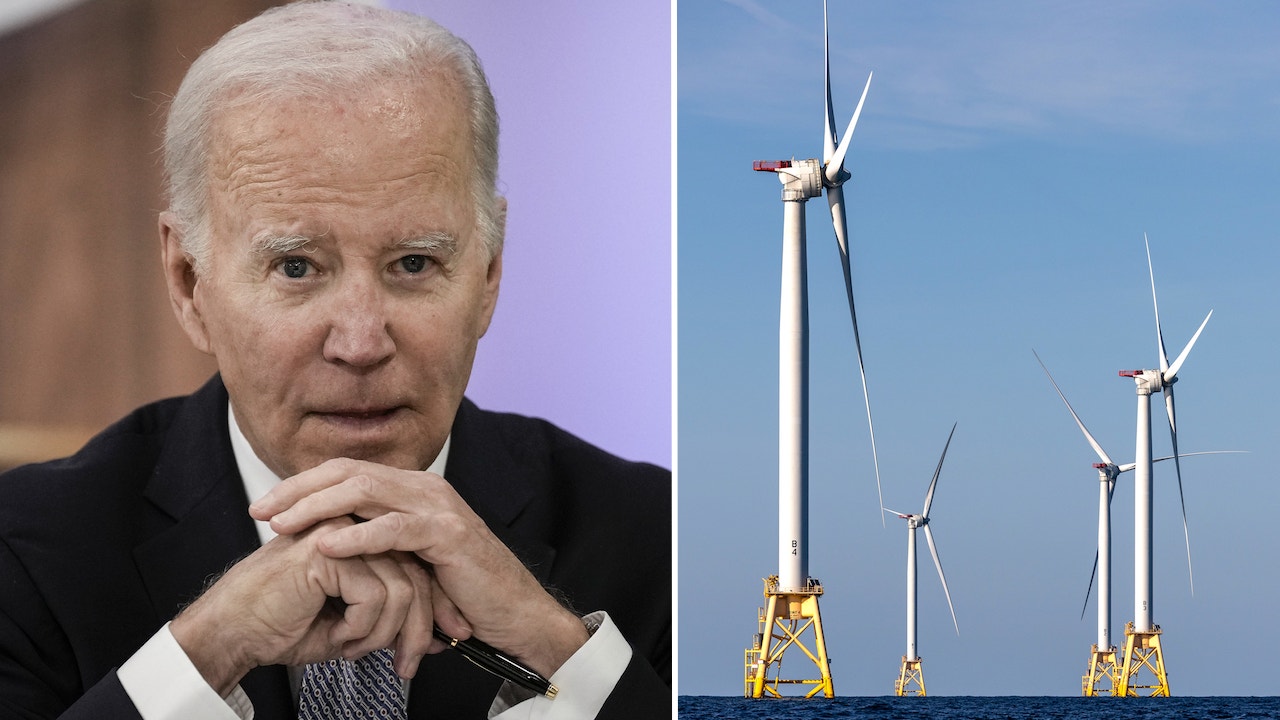
Equinor and BP have terminated their contract for the Empire Wind 2 project off the coast of New York due to economic challenges such as inflation and supply chain issues. This decision is a setback for President Biden's ambitious green energy goals, which include deploying 30 gigawatts of offshore wind energy by 2030. The project's cancellation follows the approval of the first two large-scale offshore wind projects in U.S. history and the recent cancellation of Orsted's Ocean Wind projects, further impacting the administration's clean energy agenda.
Equinor and BP have canceled their contract to sell power from the Empire Wind 2 offshore wind farm to New York State due to economic challenges such as inflation, higher borrowing costs, and supply chain issues. The companies are repositioning the project in light of a new solicitation by New York that allows for renegotiation of contracts, potentially at higher prices. The state's commitment to offshore wind remains strong, with an expedited solicitation's winners to be announced in February. Despite setbacks, the offshore wind industry is crucial for U.S. decarbonization goals, with the first power from New York's and Massachusetts' offshore wind farms being delivered recently.
BP Plc and Equinor ASA have canceled their contract with New York for the Empire Wind 2 project, a 1.3-gigawatt offshore wind farm, due to economic challenges that rendered the project unfeasible. The decision reflects broader issues in the U.S. offshore wind industry, including inflation and supply chain problems. The companies are looking for new opportunities and will forfeit a $6.3 million security deposit to New York. This setback is part of a larger trend of disputes and cancellations affecting nearly half of the U.S. offshore wind capacity under contract.
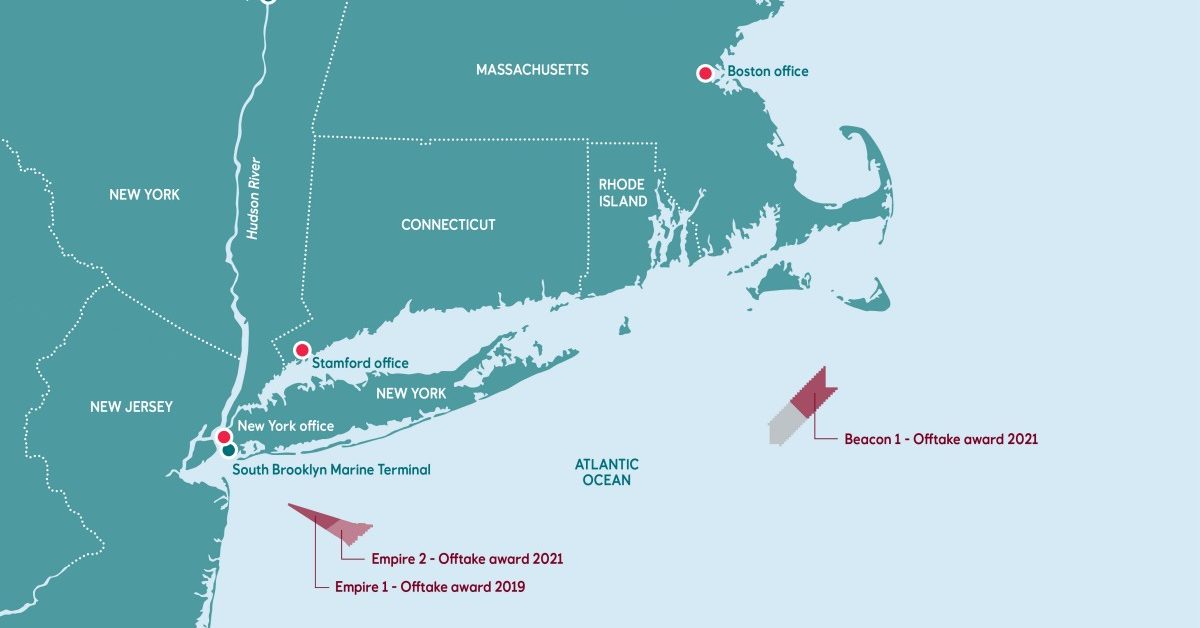
Equinor and bp have terminated the Empire Wind 2 offshore wind farm project in New York due to economic challenges, including inflation and supply chain issues, after the New York Public Service Commission refused to renegotiate the contract at higher prices. Despite this setback, the companies view the termination as a "reset" and are looking for new opportunities to revive the project, buoyed by the state's support and recent higher-priced offshore wind contracts awarded to other developers. Empire Wind 1 remains unaffected, and the Biden administration had approved both projects in November 2023.
Shell and Equinor have given the green light for the construction of a new oil and gas platform, called Sparta, in the U.S. Gulf of Mexico. The platform, with a production capacity of 90,000 barrels per day, is set to start production in 2028. Shell plans to aggressively invest in exploration in the Gulf of Mexico and aims to continue production through 2050. The company has shifted its focus back to oil to boost profits and has scrapped its plan to reduce oil output. Shell holds a 51% stake in the project, with Equinor holding the remaining share.
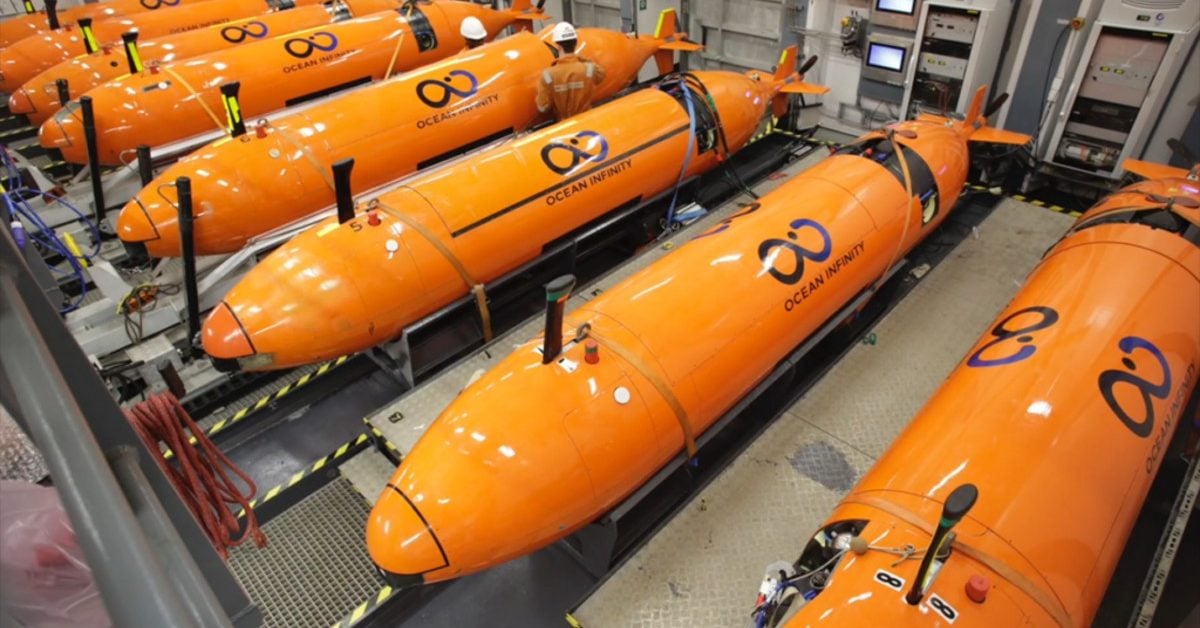
Equinor, the Norwegian energy company, has contracted with marine robotics company Ocean Infinity to conduct a site investigation survey using autonomous underwater robots (AUVs) at the site of the US's first floating offshore wind farm in Morro Bay, California. The AUVs will collect data to help Equinor develop and refine the wind farm design and inform the site assessment and construction plans. The project has the potential to generate enough energy to power around 750,000 US households.

Equinor and its joint venture partner Kufpec have submitted a development and operation plan for the Eirin field, a 45-year-old offshore gas discovery near the Gina Krog field in the North Sea, to the Norwegian Ministry of Petroleum & Energy. The move aims to extend the field's life and enhance European energy security by boosting gas supplies to the region.
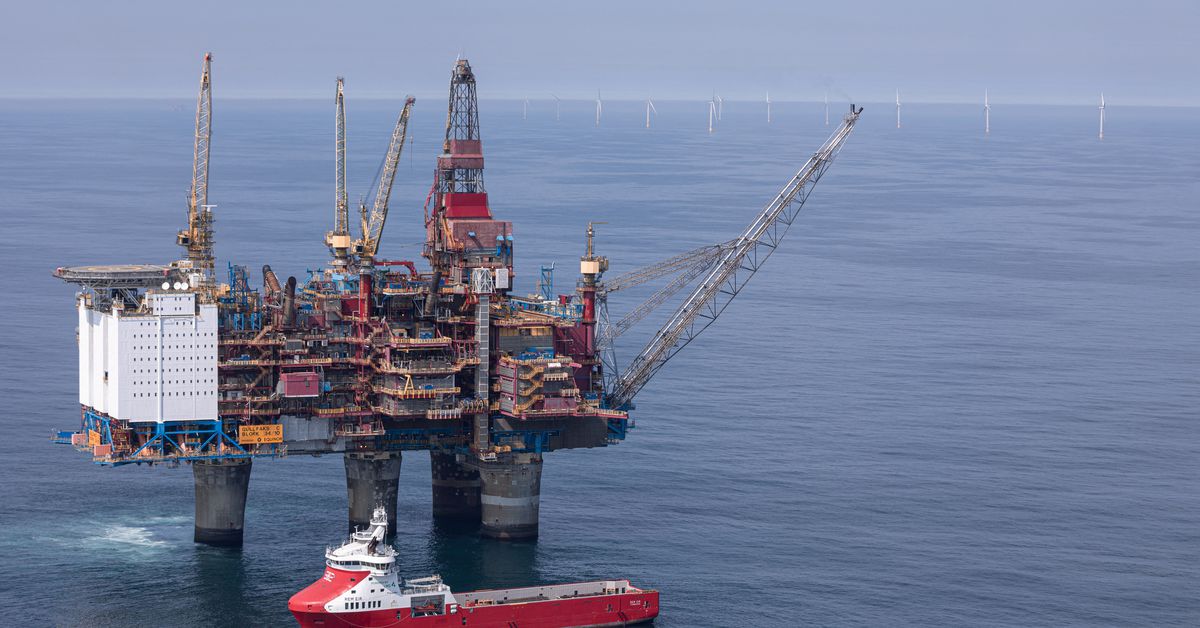
Equinor and its partners have officially opened the world's largest floating offshore wind farm, Hywind Tampen, in Norway. The wind farm, with 11 turbines, will supply power to nearby oil and gas platforms, reducing their greenhouse gas emissions. It is part of Norway's plan to pivot towards offshore wind and is expected to cover around 35% of the annual power demand for five platforms in the North Sea. The project aims to reduce CO2 emissions by 200,000 tonnes annually and is seen as a step towards creating a new industry in Norway. However, some environmentalists argue that Norway should focus on stopping oil and gas production altogether.
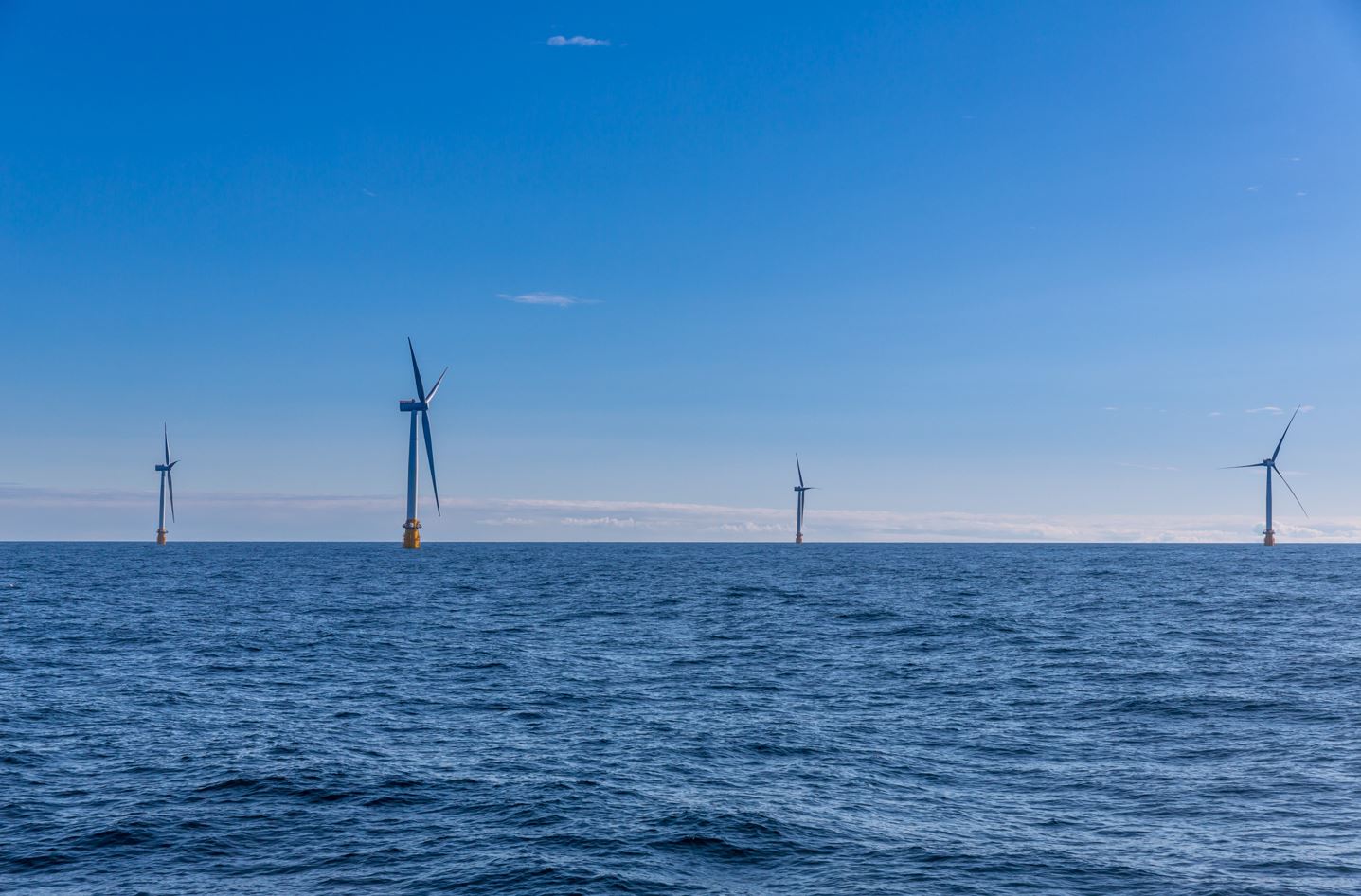
BP and Equinor are renegotiating the power purchase agreements (PPAs) for their joint offshore wind projects in the USA and may cancel the projects unless they meet the desired return thresholds. The projects include the Empire Wind 1 and 2 off New York, and the Beacon Wind 1 and 2 off Massachusetts, with a combined capacity of 2.4 GW. The partners have secured PPAs covering 3.3 GW of capacity. This comes after AVANGRID terminated the PPA for its Commonwealth Wind project and SouthCoast Wind is also in discussions to cancel and rebid its PPAs for its SouthCoast offshore wind project.