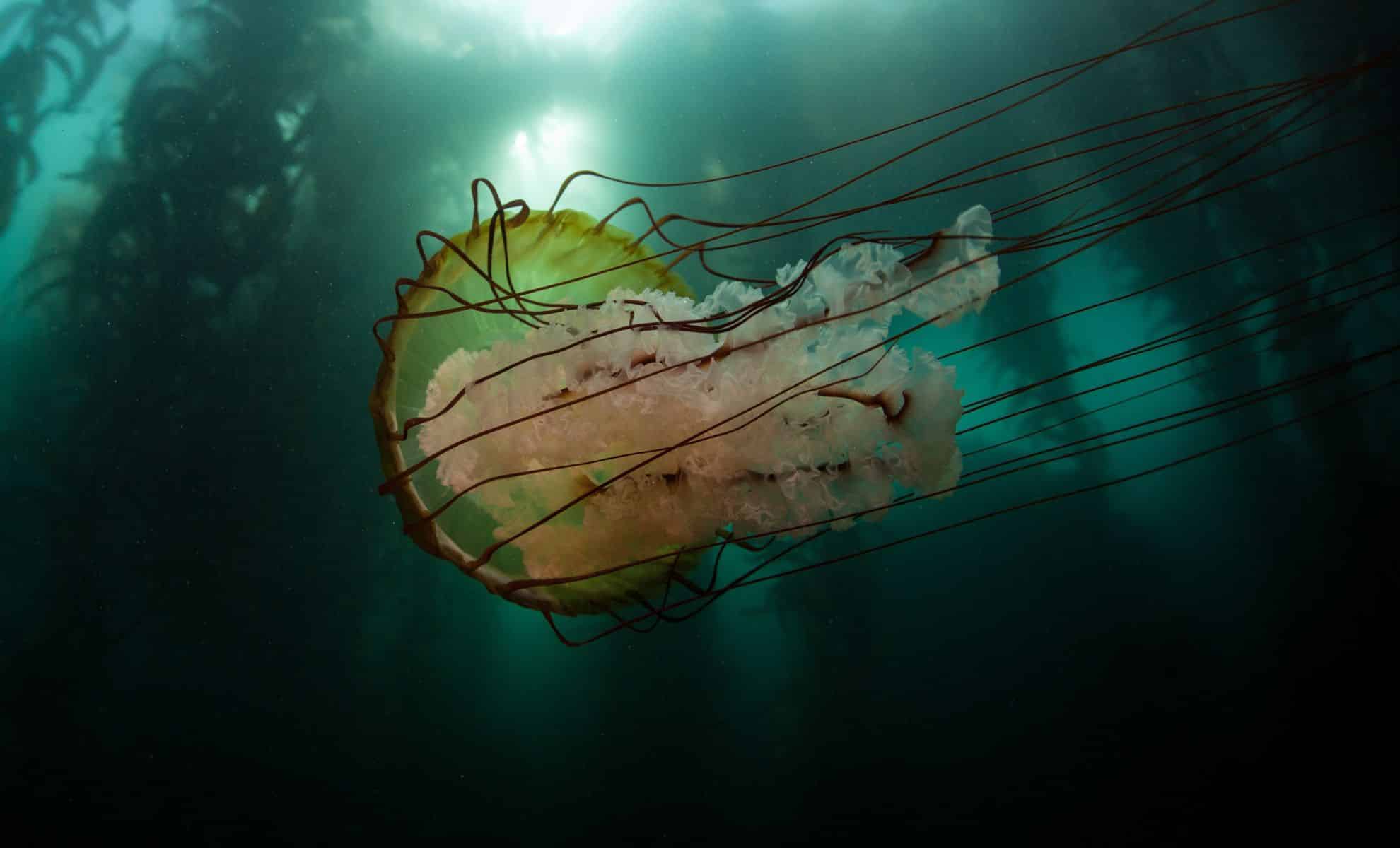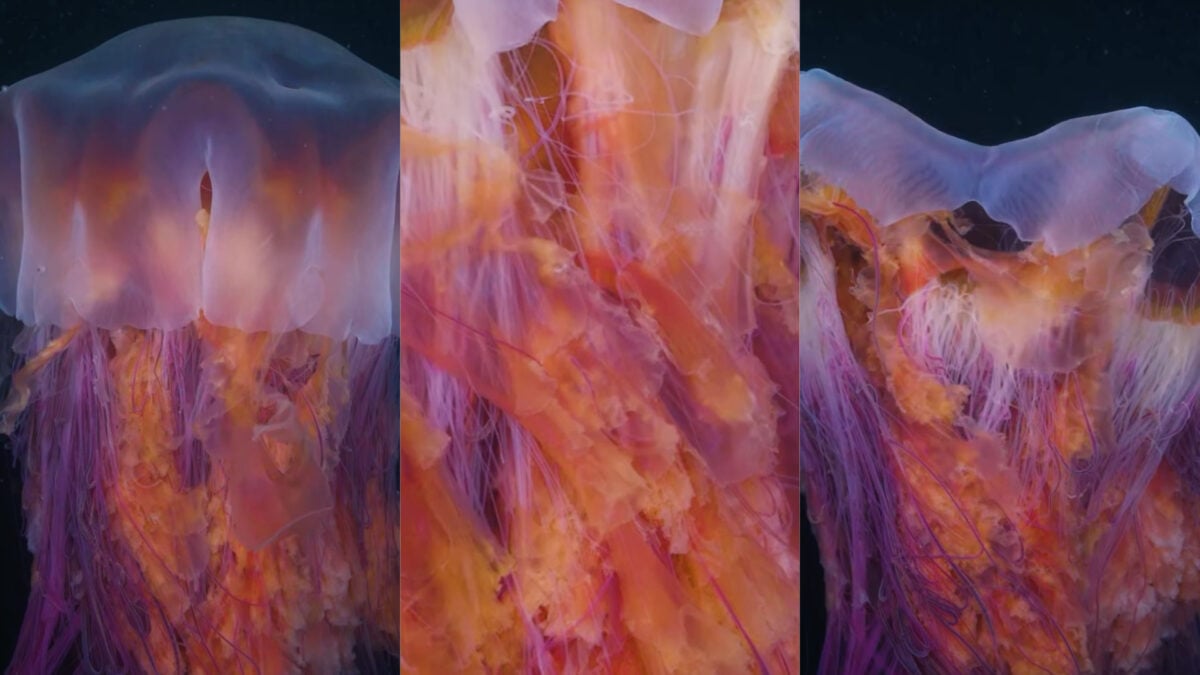
An underwater videographer captured mesmerizing footage of the world's largest jellyfish, the lion's mane, showcasing its impressive size, vibrant colors, and gentle movement in the Salish Sea, while highlighting its moderate sting and the creature's fascinating biology.
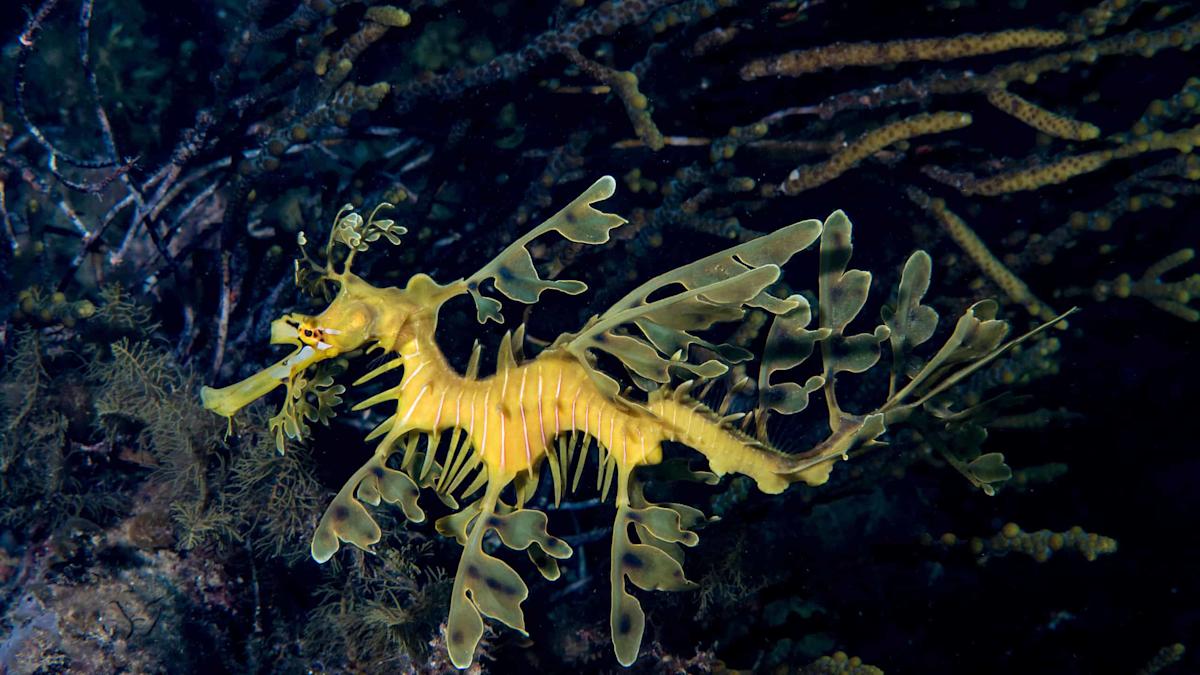
The article explores some of the strangest and most fascinating creatures living deep in the ocean, including blobfish, vampire squid, blue dragon sea slug, mantis shrimp, frilled shark, immortal jellyfish, sea pig, and leafy sea dragon, highlighting their unique appearances and adaptations to deep-sea environments.
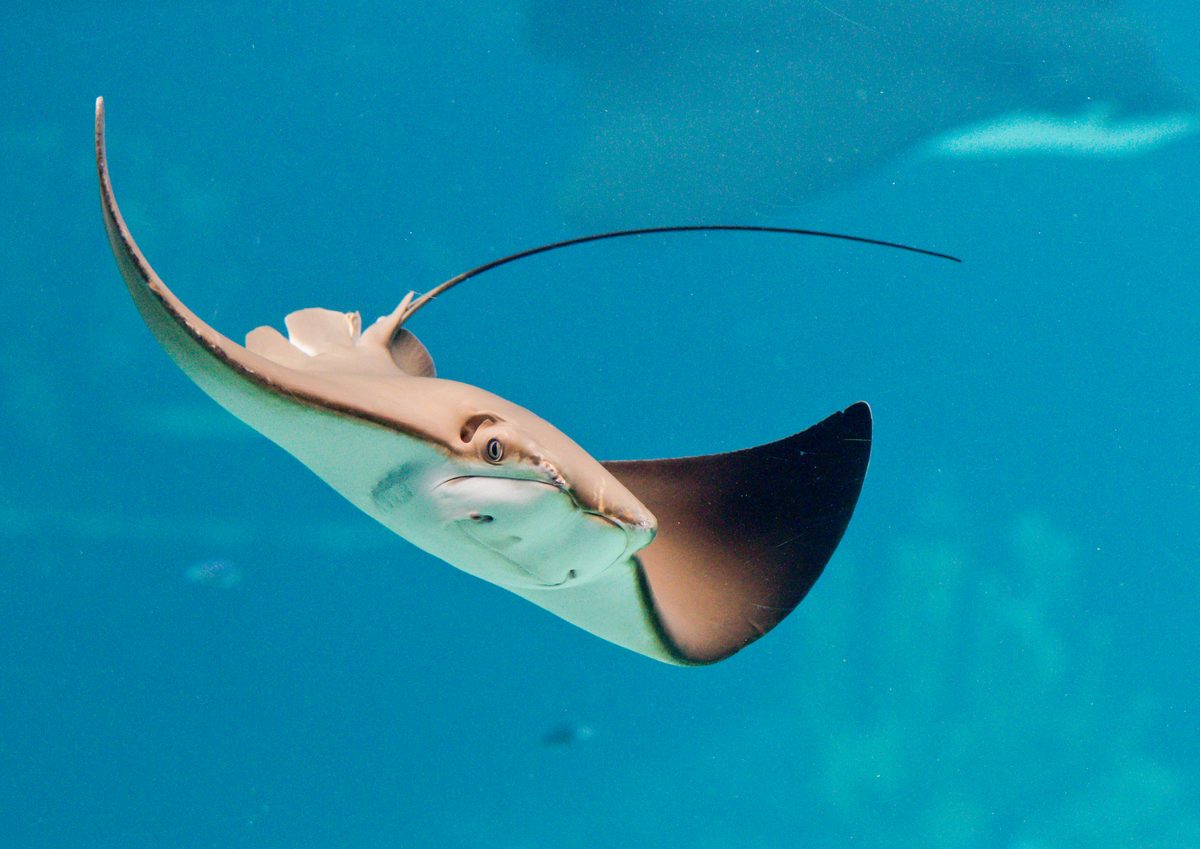
Stingrays are flat, disc-shaped fish related to sharks, known for their venomous spines on their tails. They are generally harmless but can be dangerous if threatened, as famously exemplified by Steve Irwin's death. These animals live in warm, shallow waters worldwide, often buried in sand, and reproduce via live birth. Despite their peaceful nature, they face threats from human activities, and some species are critically endangered.
The lion’s mane jellyfish, the largest species of jellyfish, can grow up to 8 feet in diameter with tentacles extending up to 60 feet, and is increasingly found in human-populated regions due to climate change. Despite its size and stinging tentacles, it is not aggressive towards humans but can cause painful stings. Remarkably, it lacks a brain and heart, relying on a nerve network and being mostly water, yet it continues to thrive in the oceans.
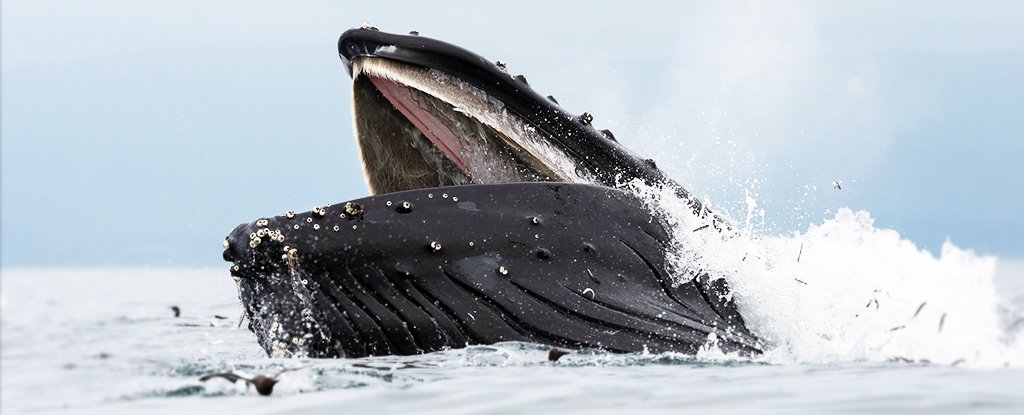
Scientists from Brazil's University of Campinas Institute of Biology have discovered that the large size variation among cetacean species is largely explained by the activity of specific gene regions, shedding light on the genetic basis of giant ocean creatures. The study focused on the promoter region of a gene called NCAPG, revealing that it plays a crucial role in causing cetaceans to grow to enormous sizes. The research may also advance cancer treatments, as the regulatory sequences identified could influence the animals' ability to suppress cancer. This new understanding of cetacean genetics could potentially lead to the development of future cancer treatments through the activation or inhibition of specific regions of the genome.