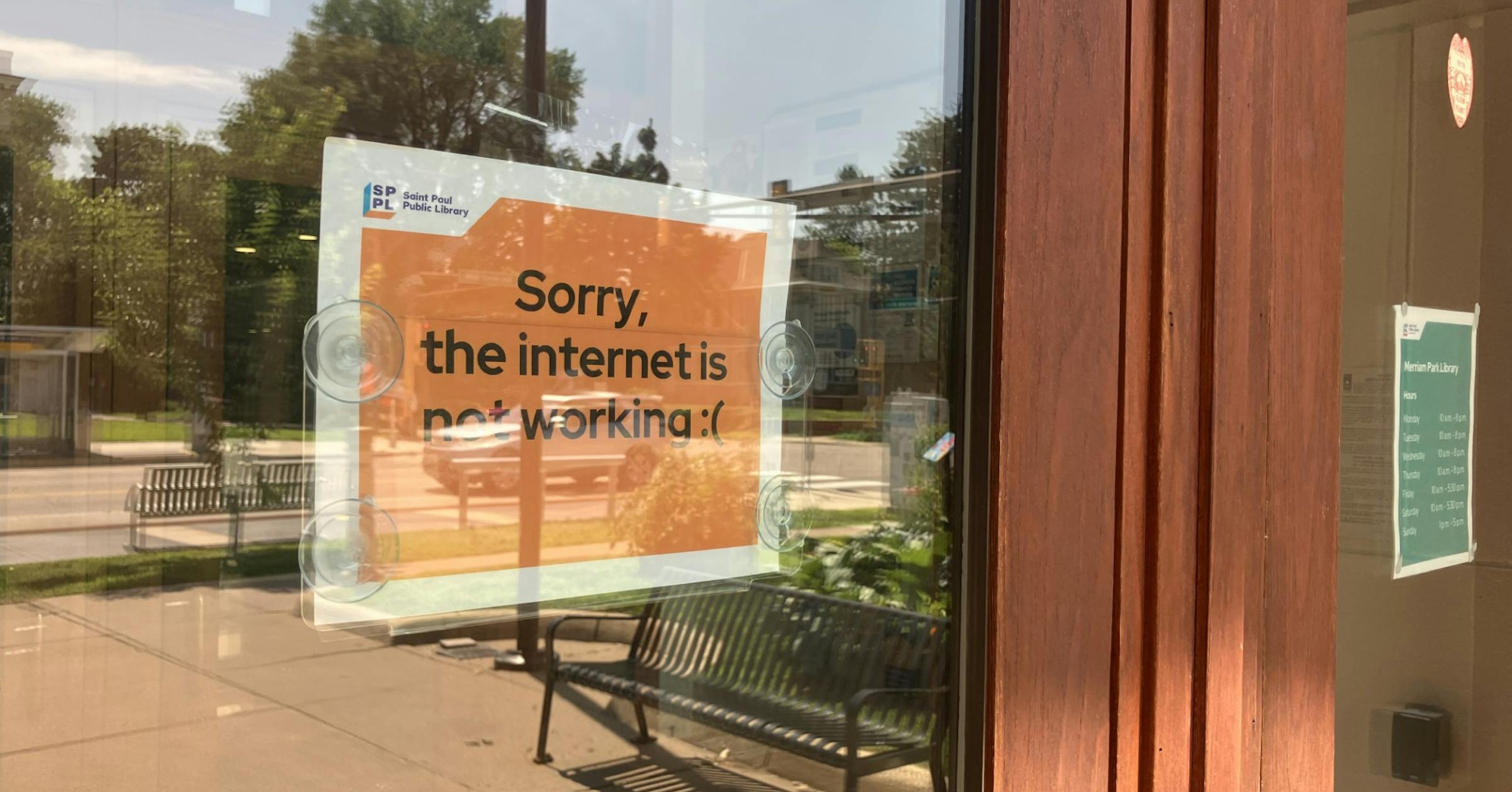
St. Paul experienced a major cyberattack that disrupted city services, including libraries, pools, and online payments, prompting collaboration with federal and state agencies to contain the damage and investigate the incident, with no ransom requested and limited resident data at risk.
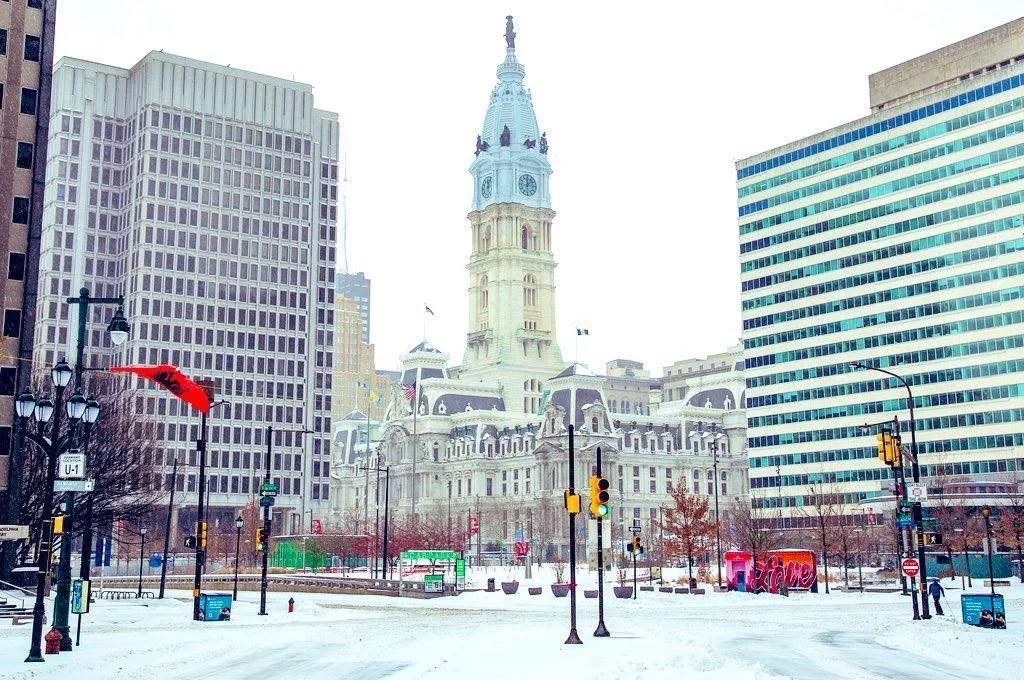
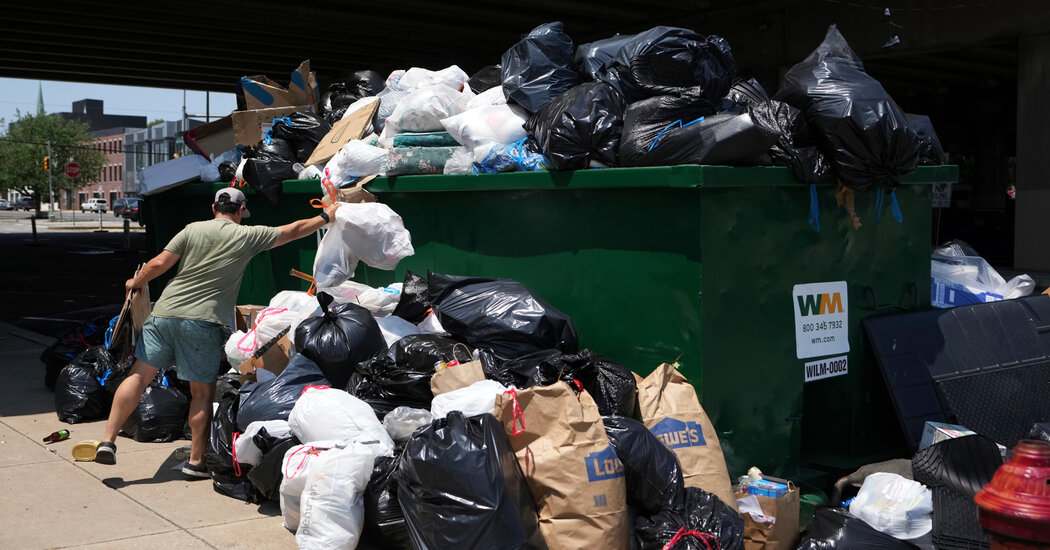
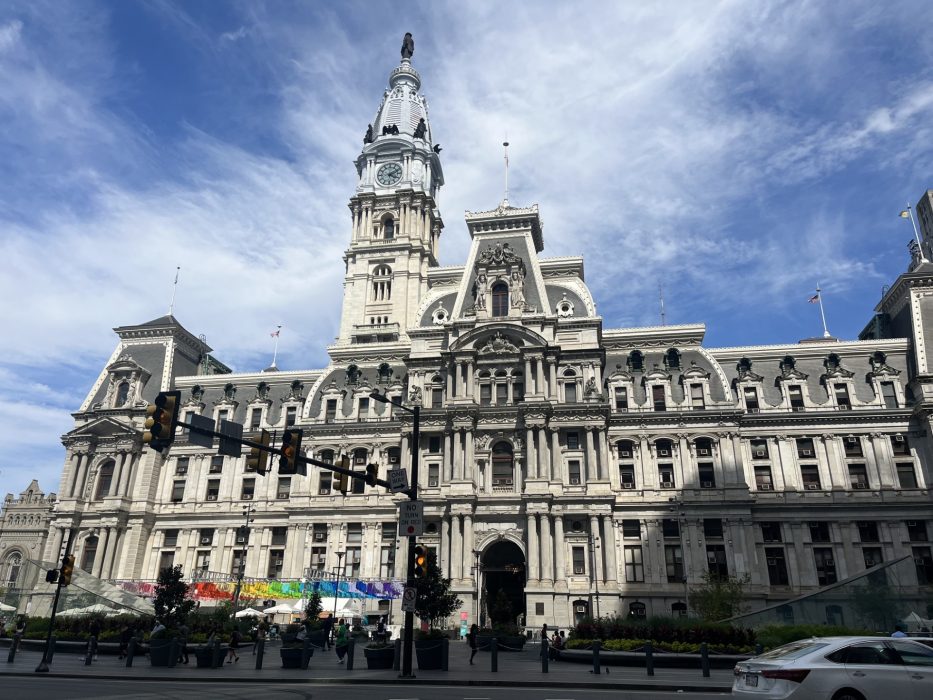
Philadelphia faces a growing trash crisis as a week-long strike by city sanitation workers, represented by AFSCME District Council 33, causes overflowing trash and disrupted city services, with negotiations ongoing over wages and contract terms.
Philadelphia is experiencing a city work stoppage due to AFSCME District Council 33 negotiations, leading to service disruptions across various departments. Court orders have mandated essential workers like 911 dispatchers and water department staff to return to work, while picketing restrictions are in place. City services such as emergency response, sanitation, parks, and transportation are operating with modifications, and residents are advised to stay informed through official channels. The city is working to resolve the negotiations and minimize impact on residents.
Philadelphia is preparing for a potential strike by over 9,000 city employees represented by AFSCME District Council 33, with contingency plans in place to ensure essential services like emergency response, sanitation, and public health continue uninterrupted. The city is actively negotiating and has outlined measures to manage disruptions, including alternative trash disposal sites and maintaining critical public safety operations.
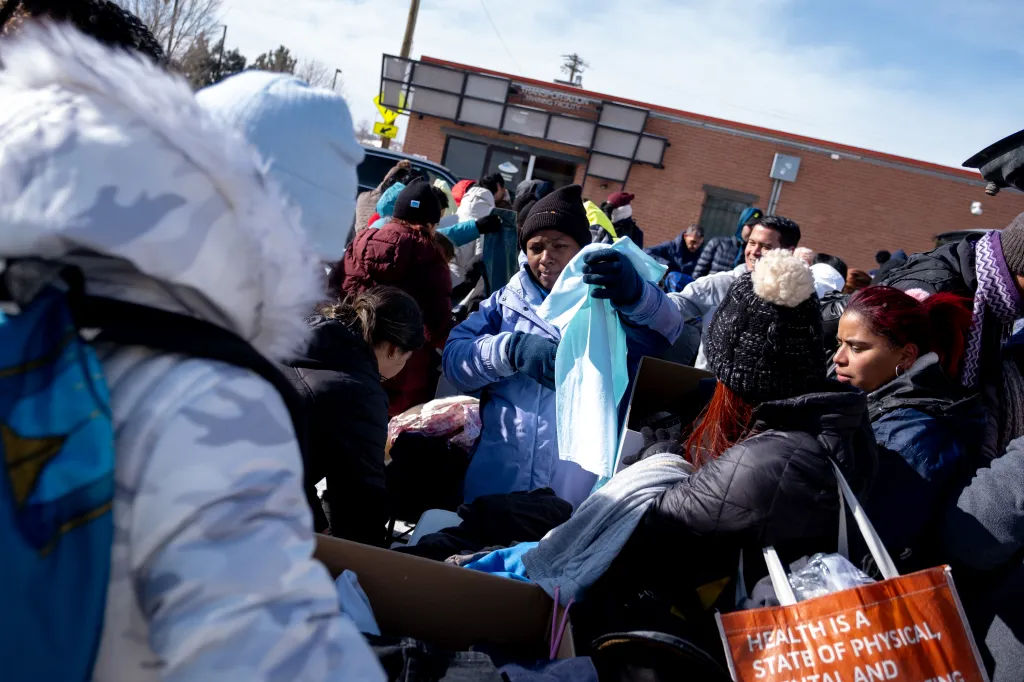
Denver is implementing budget cuts, including reduced hours at recreation centers and DMV offices, to offset the costs of sheltering migrants, with a projected $180 million budget shortfall in 2024. The city has been hosting over 38,000 migrants since December 2022, spending more than $42 million to support them. Mayor Mike Johnston blames federal leaders for the financial crisis and emphasizes that the migrants are not to blame. The city council will vote on reallocating $25 million for migrant response, and the mayor calls for federal support to address the situation.
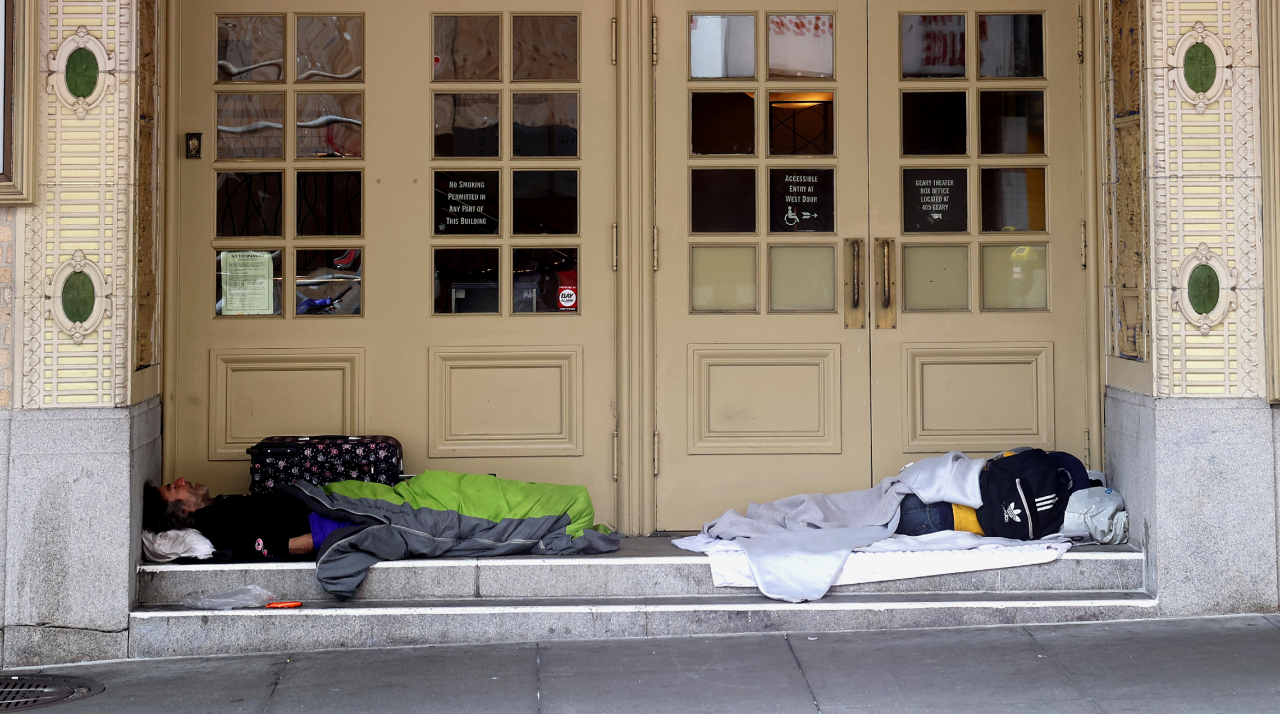
According to data released by San Francisco's Department of Emergency Management, 54% of the city's homeless population, or 1,278 people, have refused offers for shelter services. Additionally, 153 individuals who had some form of shelter or housing were still living in encampments. The city is facing criticism for its handling of the homeless population, with residents complaining about warming fires set by homeless individuals. Mayor London Breed acknowledged the challenges faced by outreach teams and the limitations in forcing people to accept shelter. San Francisco is currently under a federal injunction that prevents the city from enforcing laws against camping, sitting, or sleeping in public spaces as long as there are more homeless individuals than available shelter beds. The mayor stated that the city will continue expanding shelter services.
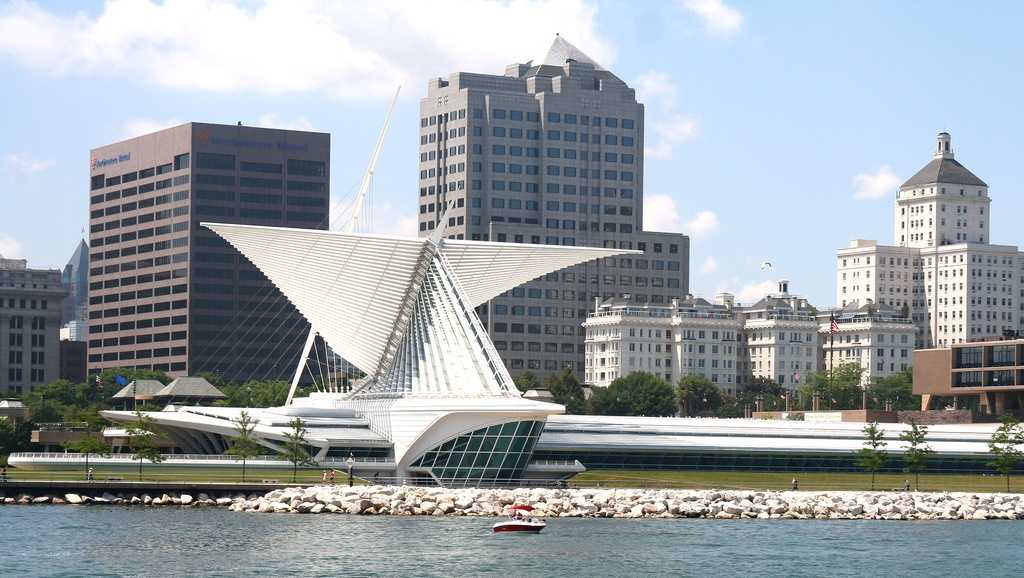
The Milwaukee Common Council has passed a 2% sales tax increase, the first of its kind in the city's history. The tax hike is connected to a statewide shared revenue plan aimed at addressing budget deficits and underfunded pensions. The additional revenue will go towards maintaining essential city services, such as police, fire, and emergency services, as well as the underfunded pension system. The sales tax increase will take effect on January 1, 2024, and will raise the total sales tax for Milwaukee residents to 7.9%. The decision to implement the tax hike was made to prevent deep cuts to core services and avoid insolvency in the future.
The Milwaukee Common Council has approved a 2% sales tax increase, with a 12-3 vote in favor. The higher sales tax is aimed at avoiding a financial crisis and preventing deep cuts to core services such as police and fire protection. The additional revenue generated, estimated to be nearly $200 million, will be used to address the city's underfunded pension system and increase the number of police officers and firefighters. Milwaukee was previously the only city of its size without the power to raise its own sales tax.
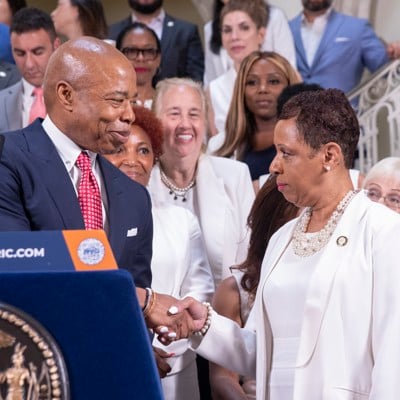
New York City Mayor Eric Adams and City Council Speaker Adrienne Adams announced a $107 billion operating budget for fiscal year 2024, reaching a deal just before the July 1 deadline. The budget includes cuts to city agencies, but funding was restored for meal programs serving seniors and some City University of New York programs. The budget also includes new funding for legal service providers and renews funding for PromiseNYC, a child care subsidy program for undocumented families. The capital budget includes $4 billion for housing, but it won't be recurring. The negotiations were challenging, and some cuts remained in the final budget deal. The Department of Homeless Services and the Department of Correction are among the agencies facing reductions. The budget exceeds last year's adopted budget by $6 billion, making it the largest in city history.
Due to poor air quality caused by wildfire smoke from Canada, the City of Philadelphia has directed non-emergency personnel to avoid working outdoors on Thursday, June 8. This will impact some City services, including sanitation and recycling collections, school crossing guards, and outdoor programs and permitted events at parks and recreation sites. Residents are advised to stay inside unless necessary, wear high-quality masks if going out, and stay up to date on the situation. The Health Department warns that the smoke may lessen but can still be dangerous, and residents can receive free masks at various locations.
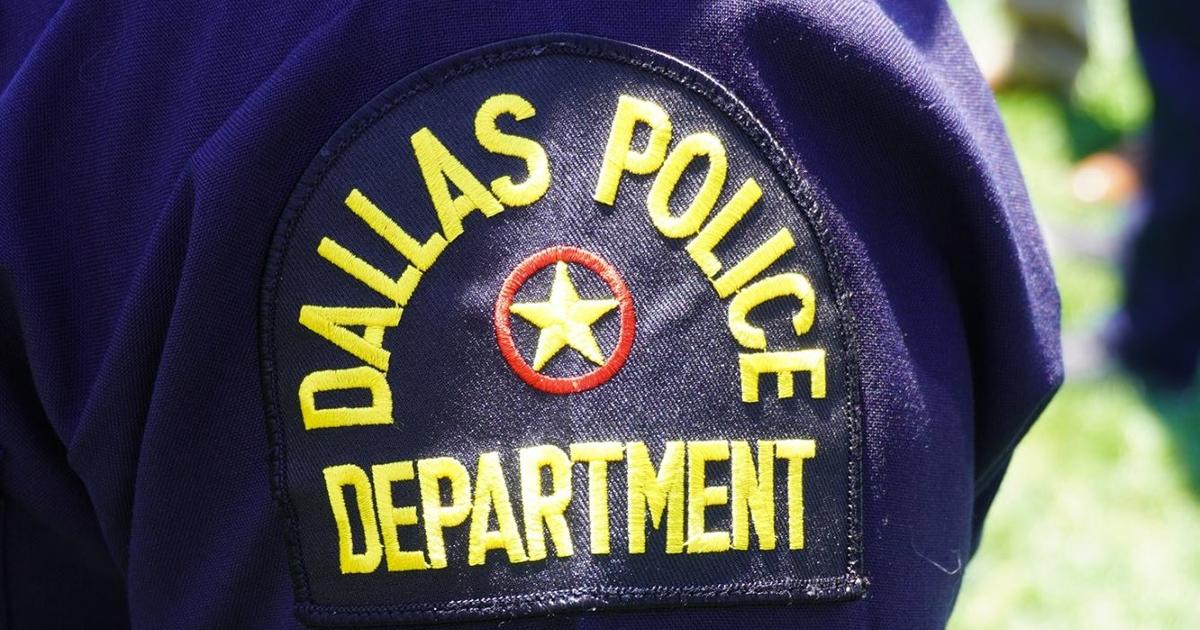
A ransomware attack has caused a major outage in the City of Dallas' police communications system, including the computer assisted dispatch system (CAD) that directs police to emergencies and other calls. 911 call takers are able to receive calls, but officers are only able to respond through their phones and radios. The attack is also impacting other city services, and the extent of the damage is still being assessed.
New York City Mayor Eric Adams has cancelled the proposed 4% budget cuts to the city's public libraries, which would have forced many branches to close on weekends. However, library officials are still concerned about the impact of previously announced budget cuts of $36 million. The public library system is a vital community resource, with over 200 locations across the city, and is a foundation of critical priorities like childhood reading and providing access to the internet. The back-and-forth between the mayor and City Council leaders over budget cuts is a governmental rite of spring in New York, with negotiations expected to continue.