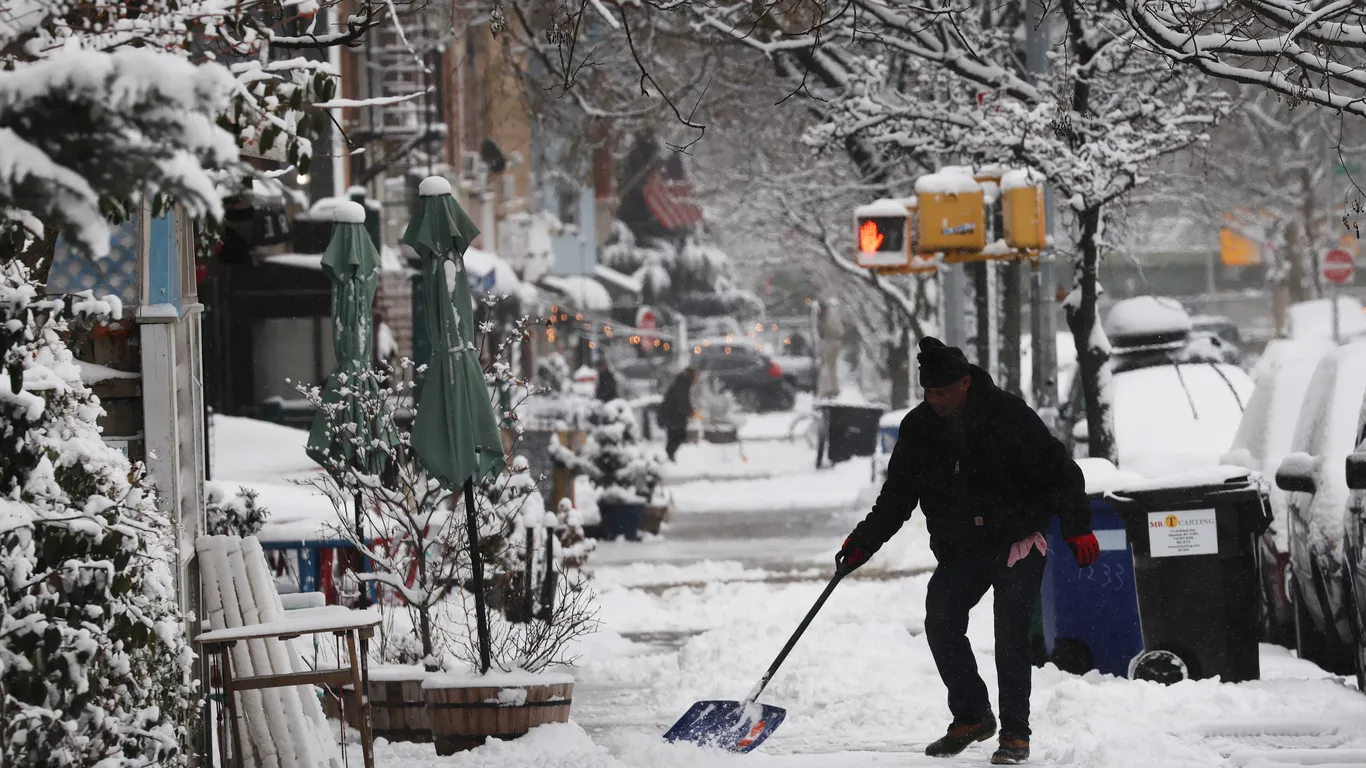
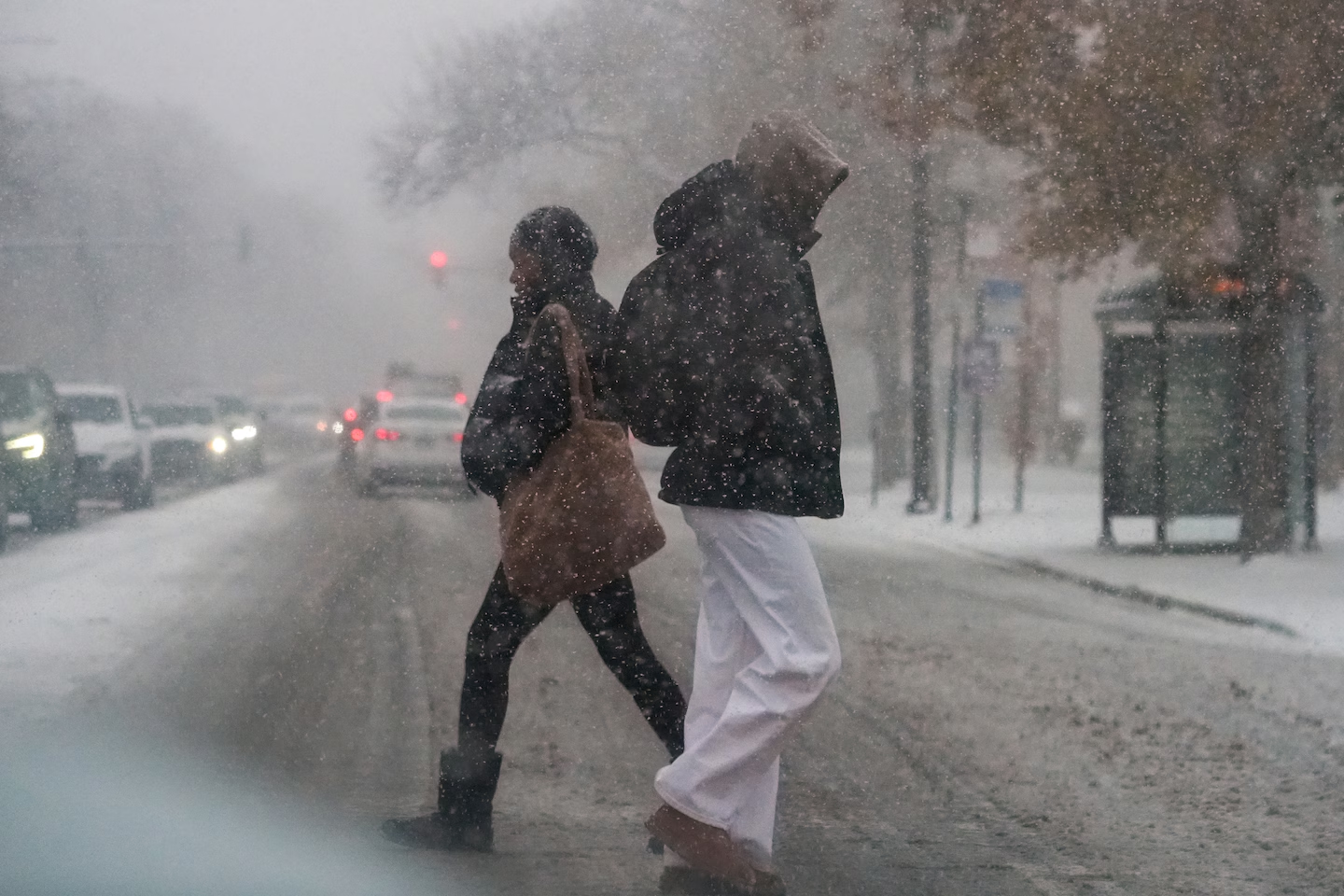
A powerful winter storm with heavy snow, blizzards, and strong winds is causing widespread travel disruptions across the US Midwest and Northeast, affecting nearly 10 million people with warnings and delays, and prompting emergency responses in states like Minnesota and Michigan.
Thanksgiving in the northeastern United States may be marked by wet and snowy weather as a storm system is expected to bring rain and snow to the region. This weather pattern is part of a transition involving several Arctic air masses moving into the central and eastern US from late November into early December.
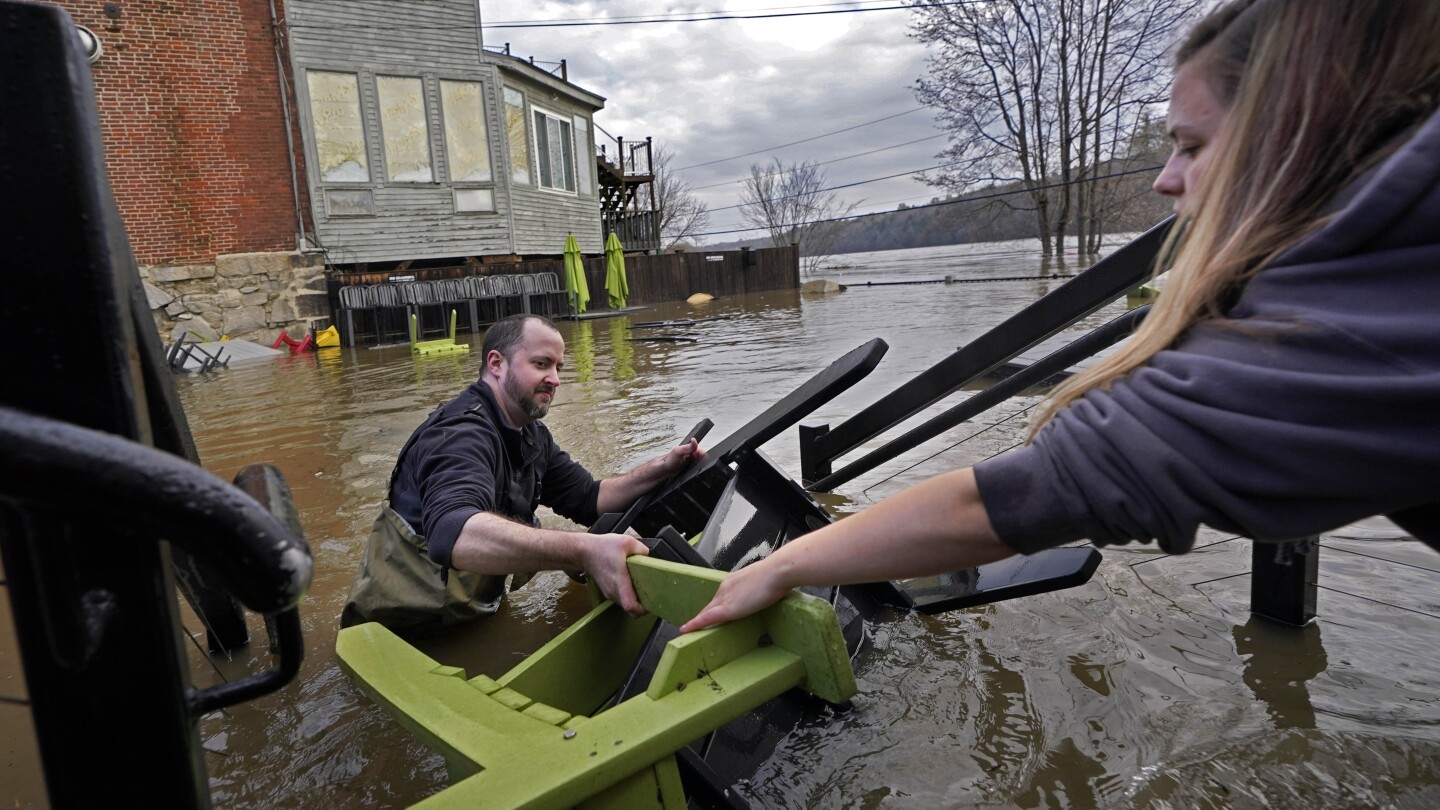
A major storm hit the northeastern US just days before Christmas, causing torrential rains, damaging winds, and flooding in several states. At least five people were killed, and hundreds of thousands of customers were left without power. The storm disrupted holiday business and shopping, with some towns experiencing more flood damage. Rivers in the region rose to dangerous levels, and evacuation orders were issued in some areas. Cleanup efforts are underway, but the storm has caused significant infrastructure damage and hardship for residents during the holiday season.
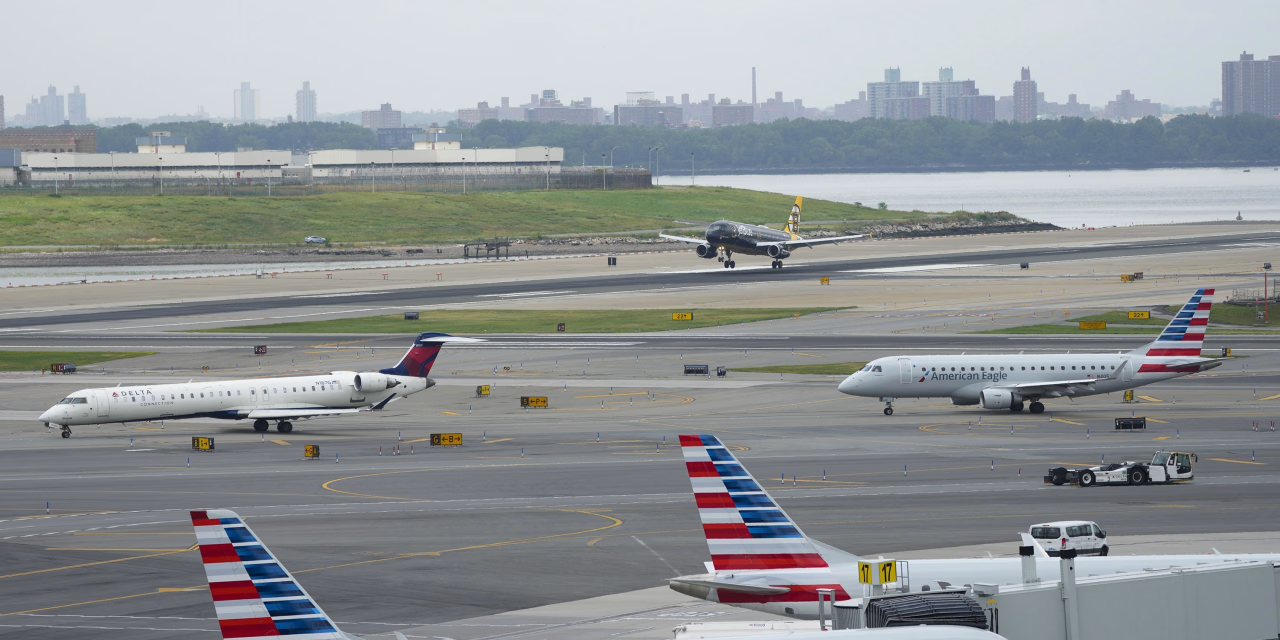
The northeastern U.S. is bracing for heavy rain and thunderstorms, with a risk of flash flooding from North Carolina to New Hampshire. As a result, a growing number of flights departing from airports in New York, New Jersey, Philadelphia, and Washington, D.C. are being canceled, with over 40% of flights scheduled to depart from New York's LaGuardia Airport already canceled.
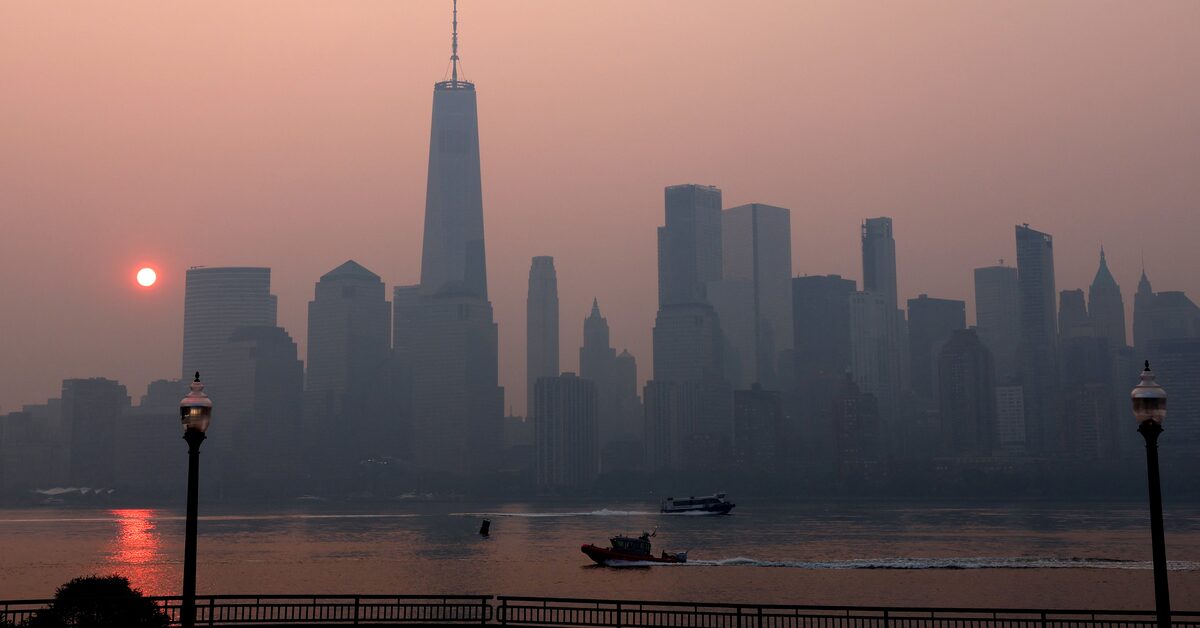
Wildfire smoke drifting southward from eastern Canada is a new experience for the tens of millions who live in the US Northeast. Health experts warn that there is no safe level of inhaled particles from wildfire smoke, and even at levels below national safety standards, these particles can make people sick. Children, the elderly, and people with chronic illnesses are most vulnerable. Particulates from wildfire smoke enter most buildings in high concentrations, and experts recommend indoor use of air purifiers that can trap particles smaller than 2.5 microns, especially for those at risk. Even healthy people should avoid being outside when the air quality is dangerously low and in particular, they should avoid outdoor exertion.
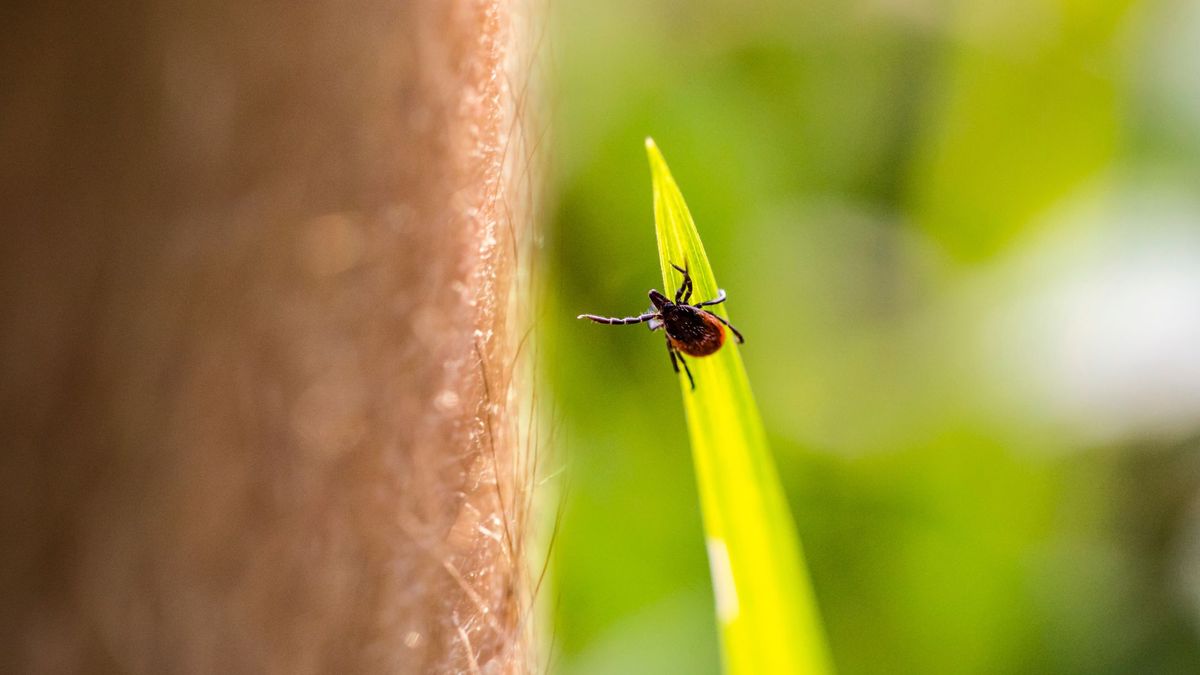
Babesiosis, a tick-borne illness caused by a microscopic parasite called Babesia microti, is becoming more common in the northeastern U.S. and is now considered "endemic" in three additional states, according to the Centers for Disease Control and Prevention (CDC). The parasite invades red blood cells and can cause flu-like symptoms, and in rare cases, can be severe and even deadly. The CDC recommends tick bite prevention measures for those spending time outdoors in states with endemic babesiosis.