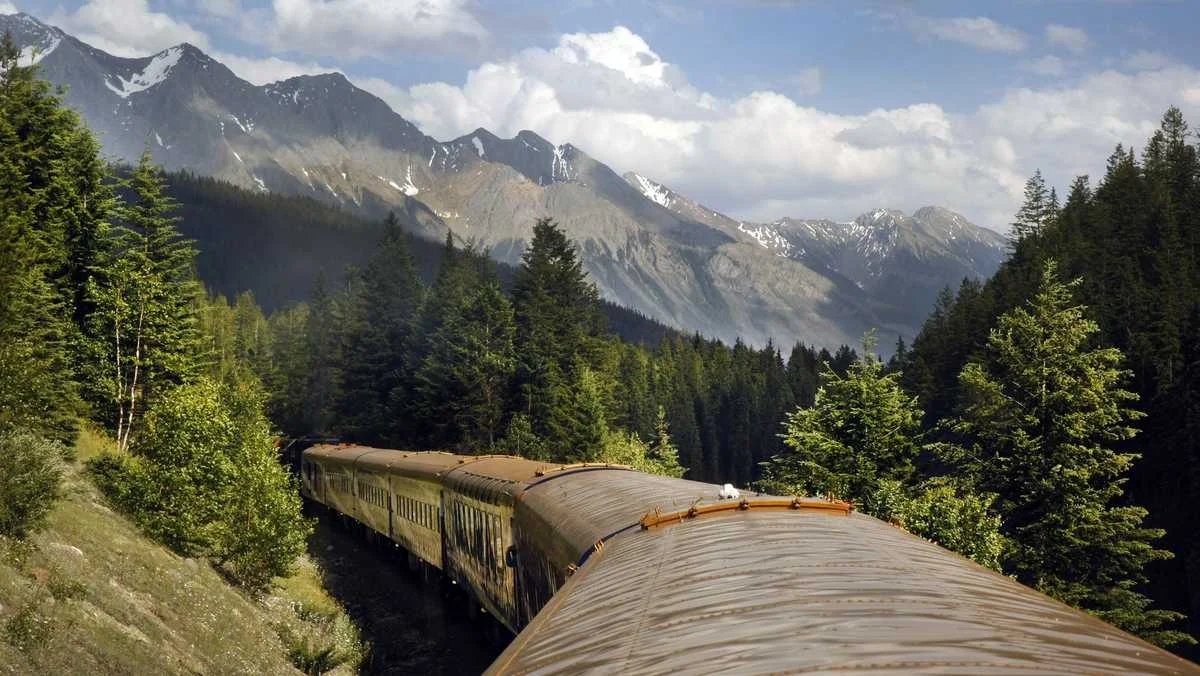
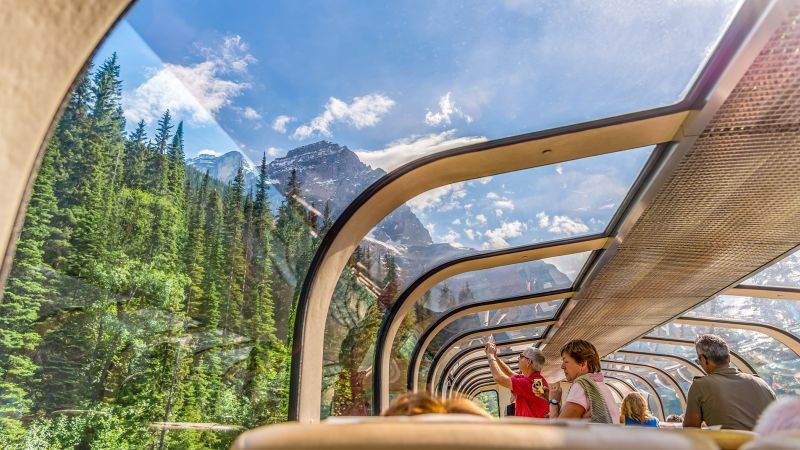
2026 is set to be an exciting year for train travel, with new high-speed routes, luxury scenic journeys like the Rocky Mountaineer expansion and Japan's Seven Stars, and the revival of night trains across Europe, reflecting a global push towards more diverse and luxurious rail experiences.
2026 is set to be an exciting year for train travel with new high-speed routes across Europe, luxury scenic journeys in North America and Saudi Arabia, revived night train services, and innovative connections like Prague-Copenhagen and UAE's high-speed network, reflecting a global push towards more efficient, luxurious, and scenic rail experiences.
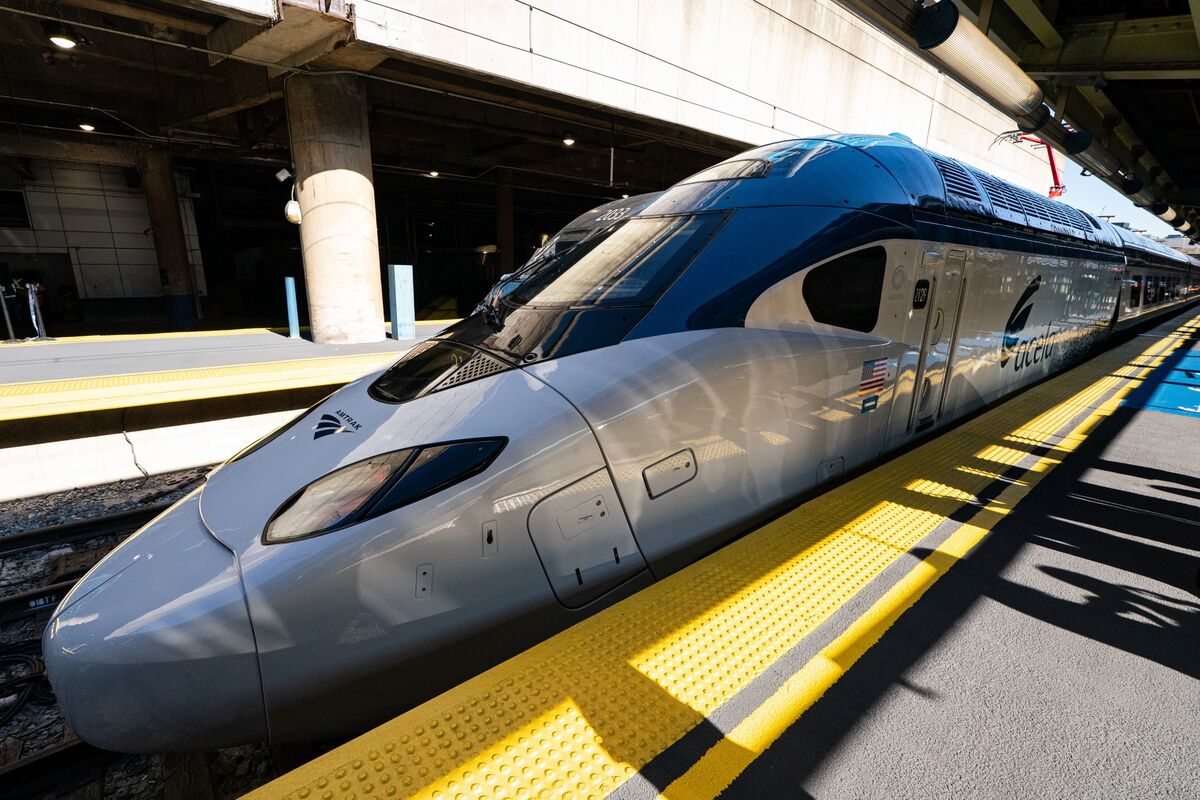
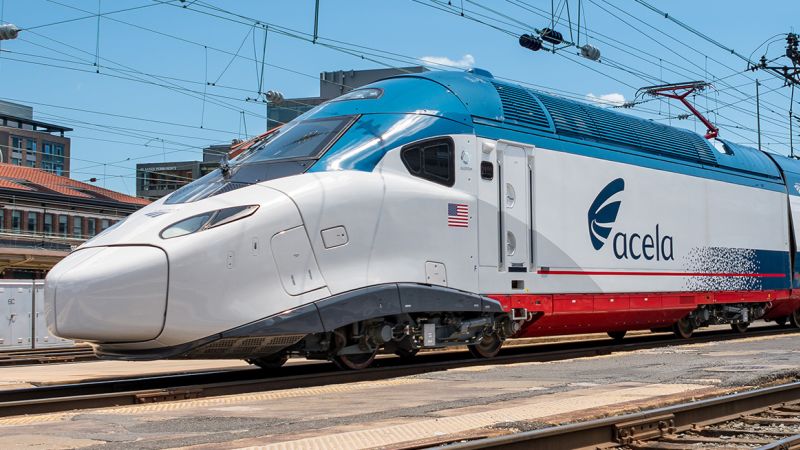
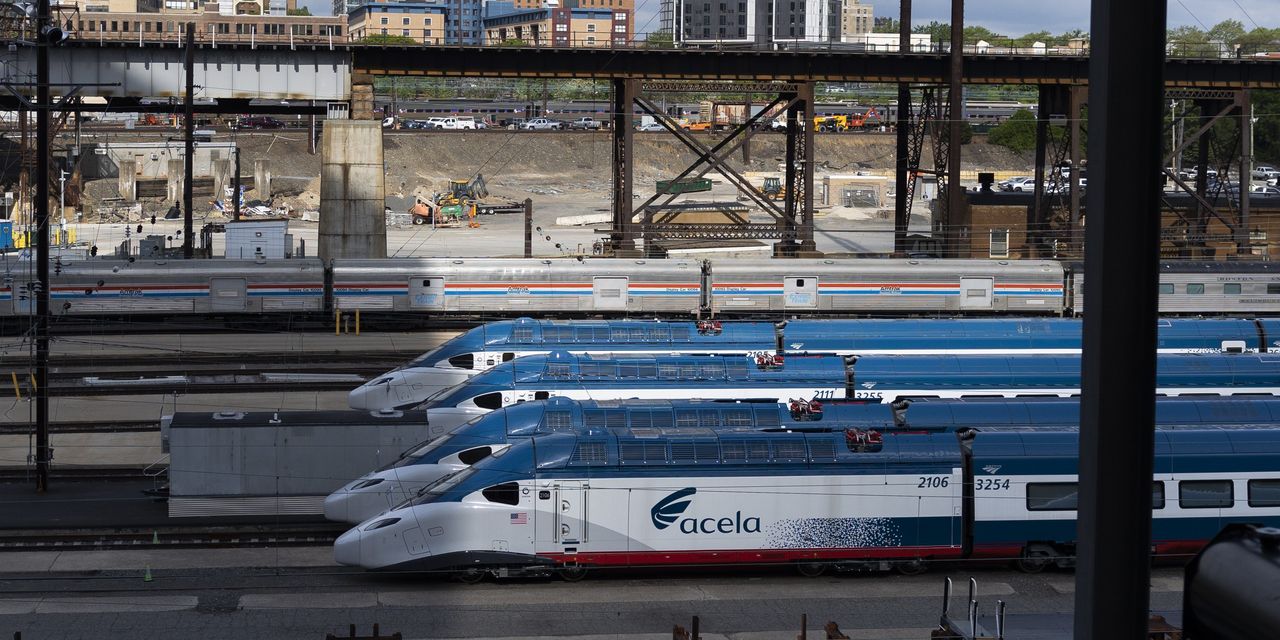
Amtrak has launched its new high-speed Acela trains on the Northeast Corridor, replacing the older fleet with faster, more passenger-friendly vehicles capable of reaching 160 mph, after years of delays due to testing and infrastructure issues. The project, part of a $2.35 billion investment, aims to improve service and eventually achieve operational break-even by 2028, with the trains featuring modern amenities like WiFi and USB ports.
Amtrak's new NextGen Acela high-speed trains will begin service on August 28 along the Northeast Corridor, offering faster speeds, increased capacity, and enhanced passenger amenities, marking a significant upgrade in American train travel despite being slower than the fastest trains in Asia and Europe.
The possibility of a room temperature superconductor, known as LK-99, that could revolutionize quantum computing and high-speed trains garnered attention on social media. However, the papers announcing the discovery had not been peer-reviewed and faced accusations of being published without the approval of all authors. Weeks later, no other researchers were able to replicate the findings, revealing that LK-99 was not a superconductor but an insulator. While the potential benefits of a room temperature superconductor are significant, such breakthroughs take time to develop and have practical applications. Nonetheless, the attention brought to the field of materials physics is seen as positive by scientists.
Amtrak's "Lincoln service" trains between St. Louis and Chicago will now run at 110 mph, cutting travel time by 15 minutes. The $2 billion cost of upgrading the tracks was mostly covered by the American Recovery and Reinvestment Act, and construction and testing took a total of 13 years.
Amtrak's $2 billion plan to replace its Acela express trains with high-speed trains has been slowed down due to the old railroad tracks on the Washington-to-Boston corridor. The new trains require modern tracks and infrastructure to operate at their full potential, but the century-old tracks are not capable of handling the new trains' speed.
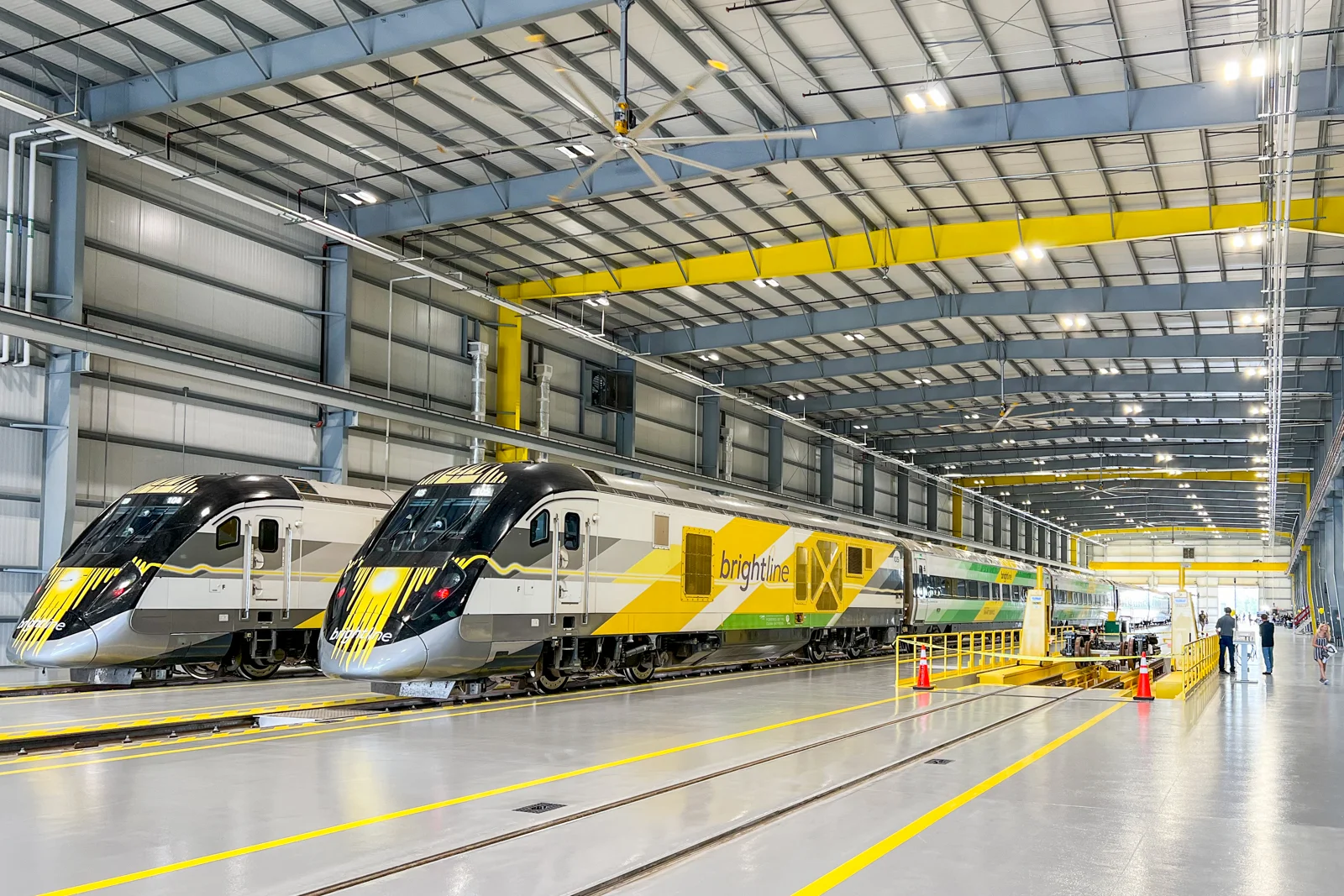
Brightline, the Florida-based rail company, opened its new $100 million maintenance facility, "Basecamp," on the grounds of Orlando International Airport. The state-of-the-art complex spans 62 acres and features a number of buildings with 135,000 square feet of space to perform all kinds of repairs and routine servicing of Brightline's vehicles. The facility was built in partnership with the Greater Orlando Aviation Authority. Brightline is currently running test trains ahead of the anticipated launch of long-awaited service to Orlando International Airport later this year. The company is also investing millions of dollars into safety along Florida's east coast.