The Federal Trade Commission is reversing its previous ban on noncompete agreements, citing legal challenges and authority concerns, with the new approach focusing on enforcement rather than a nationwide ban, sparking debate over worker protections and business impacts.
The FTC's new rule banning noncompete agreements in employment contracts is welcomed by many healthcare workers but may not protect those employed by nonprofit hospitals, which make up a significant portion of the healthcare sector. The rule aims to enhance worker mobility and reduce healthcare costs but faces legal challenges and concerns about its impact on labor competition and costs.
The FTC's decision to ban noncompete agreements is expected to significantly impact the health care sector by empowering clinicians and potentially lowering health care costs, but it raises concerns among private practices about increased competition and staffing challenges. The rule, set to take effect on September 4, faces opposition from the U.S. Chamber of Commerce and may not fully apply to nonprofit hospitals.
Doctors across the United States are facing legal battles over noncompete agreements that restrict them from seeing patients in the same geographic region if they leave their jobs. These agreements, increasingly common in the healthcare industry, have been criticized for contributing to physician shortages, disrupting patient care, and deterring doctors from speaking out about unsafe conditions. While hospitals argue that noncompetes are necessary to protect their investments in recruiting and training doctors, critics, including physician groups, argue that these agreements harm patients and sever doctor-patient relationships. President Biden has pledged to ban noncompetes across the economy, and the FTC is considering a proposed ban.

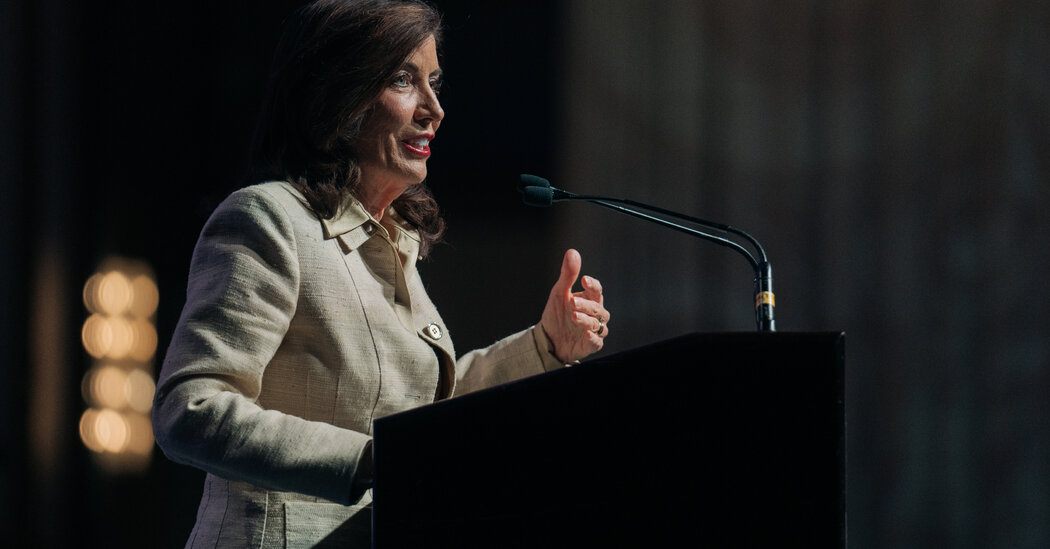
As the year comes to a close, New York Governor Kathy Hochul has less than two weeks to sign or veto around 100 bills passed by the State Legislature. Among the proposals awaiting action are a ban on noncompete agreements and a push to stop New York from purchasing paper from the Amazon rainforest to combat deforestation. While some bills, such as one addressing racial injustice, have already been signed into law, the fate of others remains uncertain as last-minute lobbying efforts intensify in Albany.
California has passed several new laws that will impact the workplace in 2024. These include an increase in the minimum wage for all workers, a specific minimum wage increase for healthcare and fast food workers, employers covering the cost of food handling cards, an increase in paid sick days, expanded family leave for reproductive loss, a ban on noncompete agreements, protection for recreational cannabis users, restrictions on asking about cannabis use during the hiring process, and the implementation of workplace violence prevention plans.
New York lawmakers have passed a bill that would ban employee noncompete agreements, which are compulsory for all employees in an estimated 23% of workplaces statewide. The bill, if signed into law by Gov. Hochul, could mark a major labor victory in New York and could also ripple across the U.S. Employment lawyers said that it would amount to a national labor earthquake. About 30 million American workers are restricted by noncompetes, according to the Federal Trade Commission.
Major business groups, including the U.S. Chamber of Commerce and a leading human resources group, have asked the Federal Trade Commission (FTC) to stand down or shrink its proposal to ban noncompete agreements. On the other side, top labor unions and consumer advocates have argued in favor of barring employers from limiting where their staffers can take jobs or start businesses after leaving. The outcome of the battle will affect large swaths of the U.S. workforce, with roughly 30% of private sector employers currently using noncompete agreements for all their workers.
Corporate America is lobbying to weaken or block the Federal Trade Commission's (FTC) proposed ban on noncompete agreements, which the FTC estimates affects one in five U.S. workers and costs them at least $250 billion in wages annually. Business groups argue that noncompetes protect intellectual property and help retain workers, threatening to sue the FTC if it doesn't rescind the proposal. However, the proposal has drawn support from small business groups and 18 Democratic-run states and D.C. Labor unions are pushing for the ban to also apply to agreements that force employees to repay training costs if they leave the company.