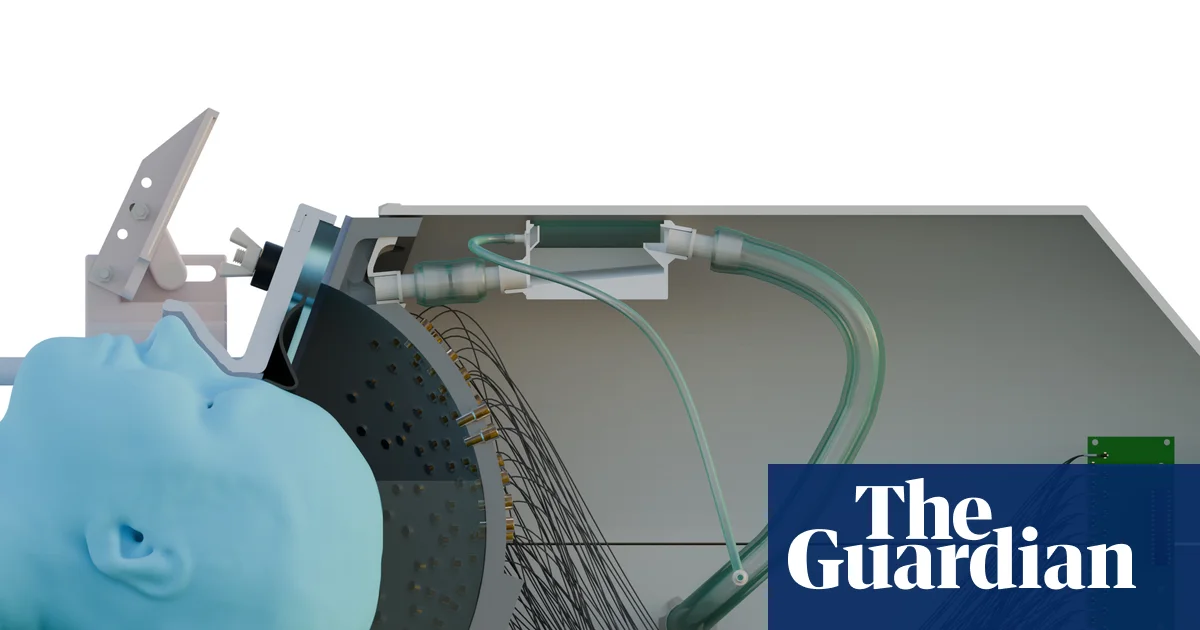
A new ultrasound helmet developed by researchers offers a promising non-invasive approach to treat neurological conditions like Parkinson's disease by precisely targeting small brain regions, potentially replacing invasive procedures like deep brain stimulation, with ongoing studies to expand its applications.
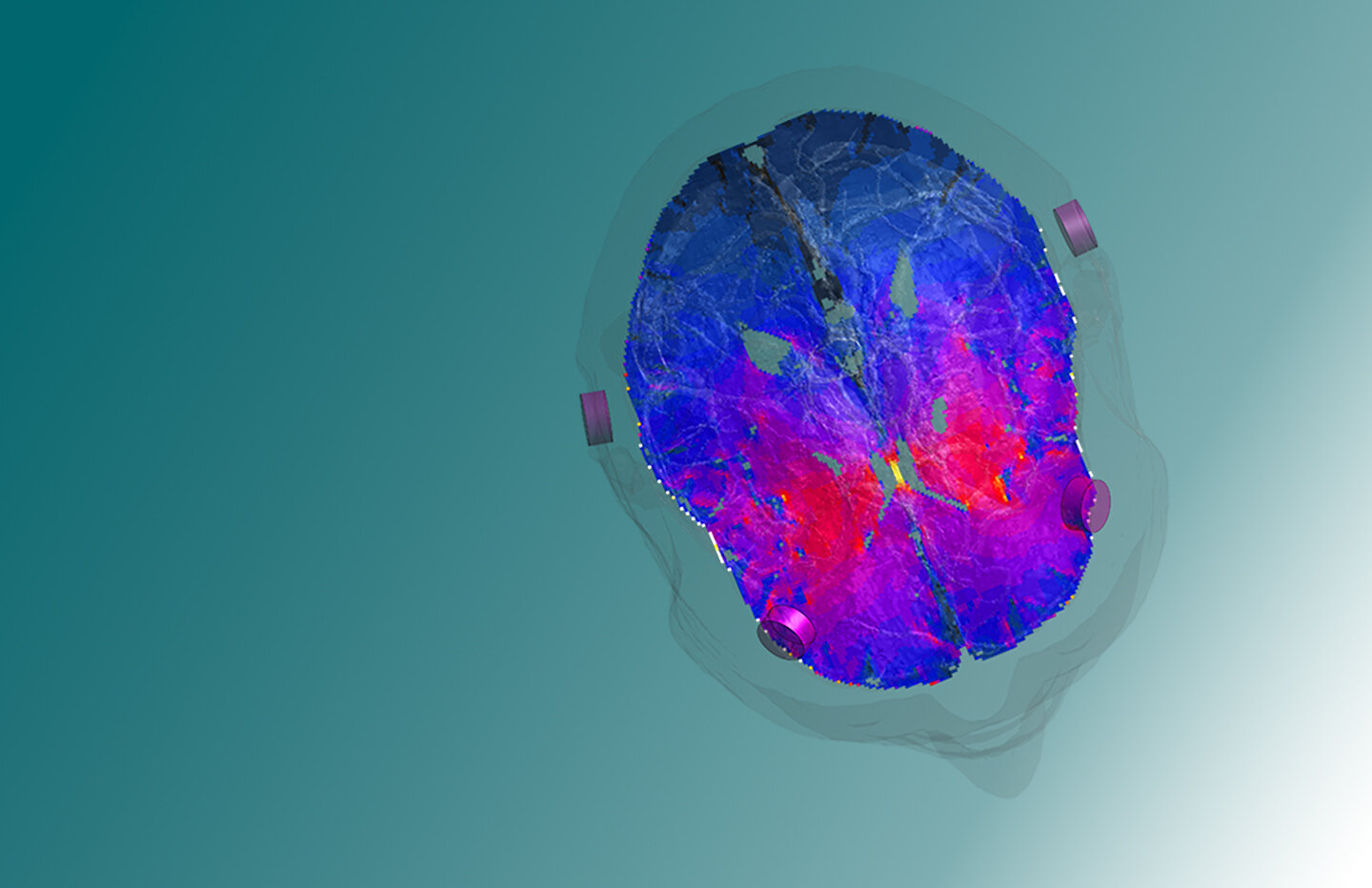
Researchers at EPFL have developed a non-invasive brain stimulation technique called transcranial Temporal Interference Electric Stimulation (tTIS) that targets deep brain regions like the striatum, which are involved in conditions such as addiction, depression, and OCD. This method uses low-level electrical stimulation on the scalp to selectively stimulate deep brain areas, offering a promising new approach for treating these complex neurological disorders with minimal side effects.
MIT researchers have found that daily exposure to 40 Hz gamma frequency brain rhythm tactile stimulation improved brain health and motor function in mice and reduced key markers of Alzheimer’s disease, including levels of the hallmark Alzheimer’s protein phosphorylated tau, neural DNA damage, and neuron death. The study reinforces the potential of non-invasive sensory stimulation as a new therapeutic strategy for neurodegenerative diseases.