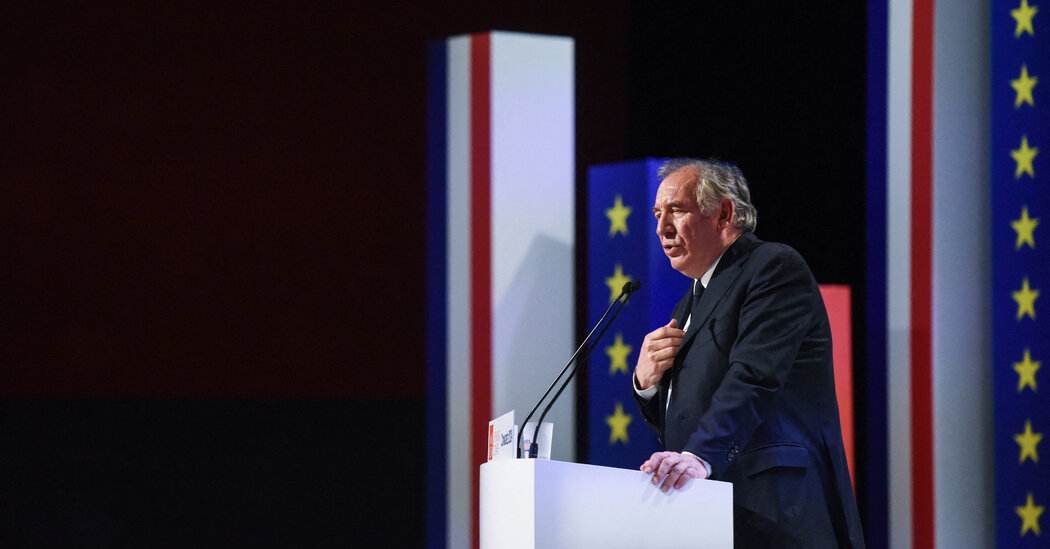
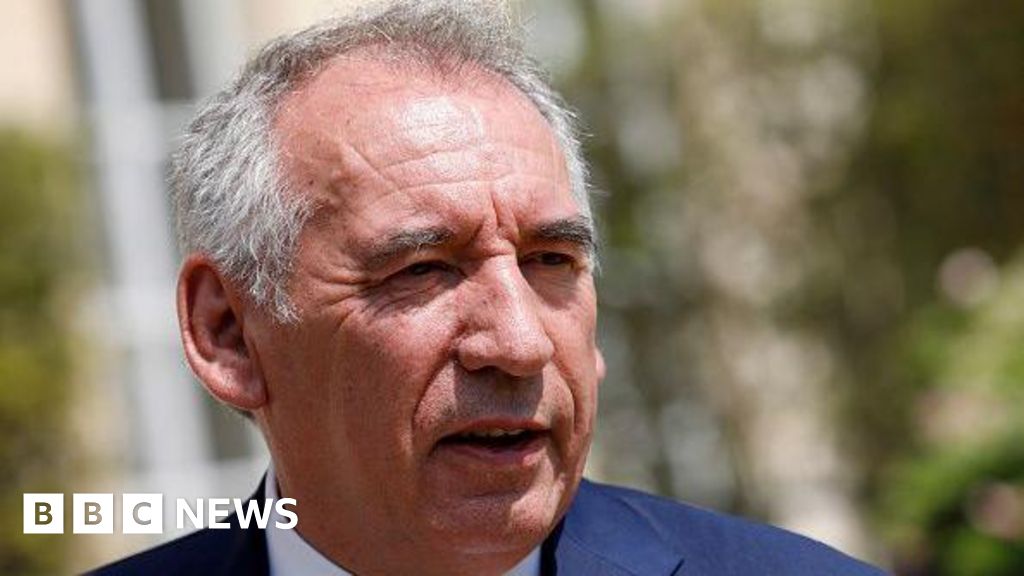
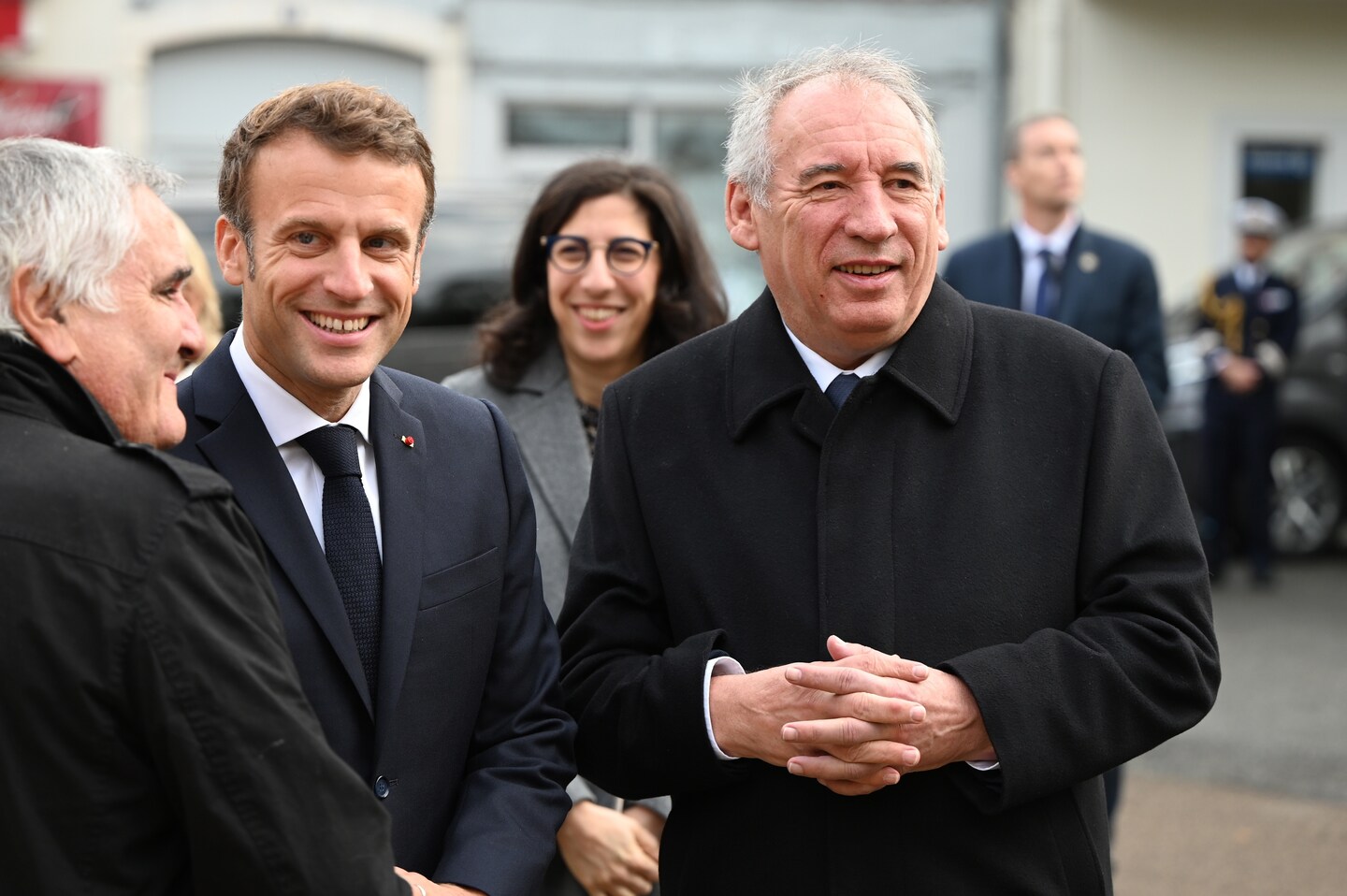
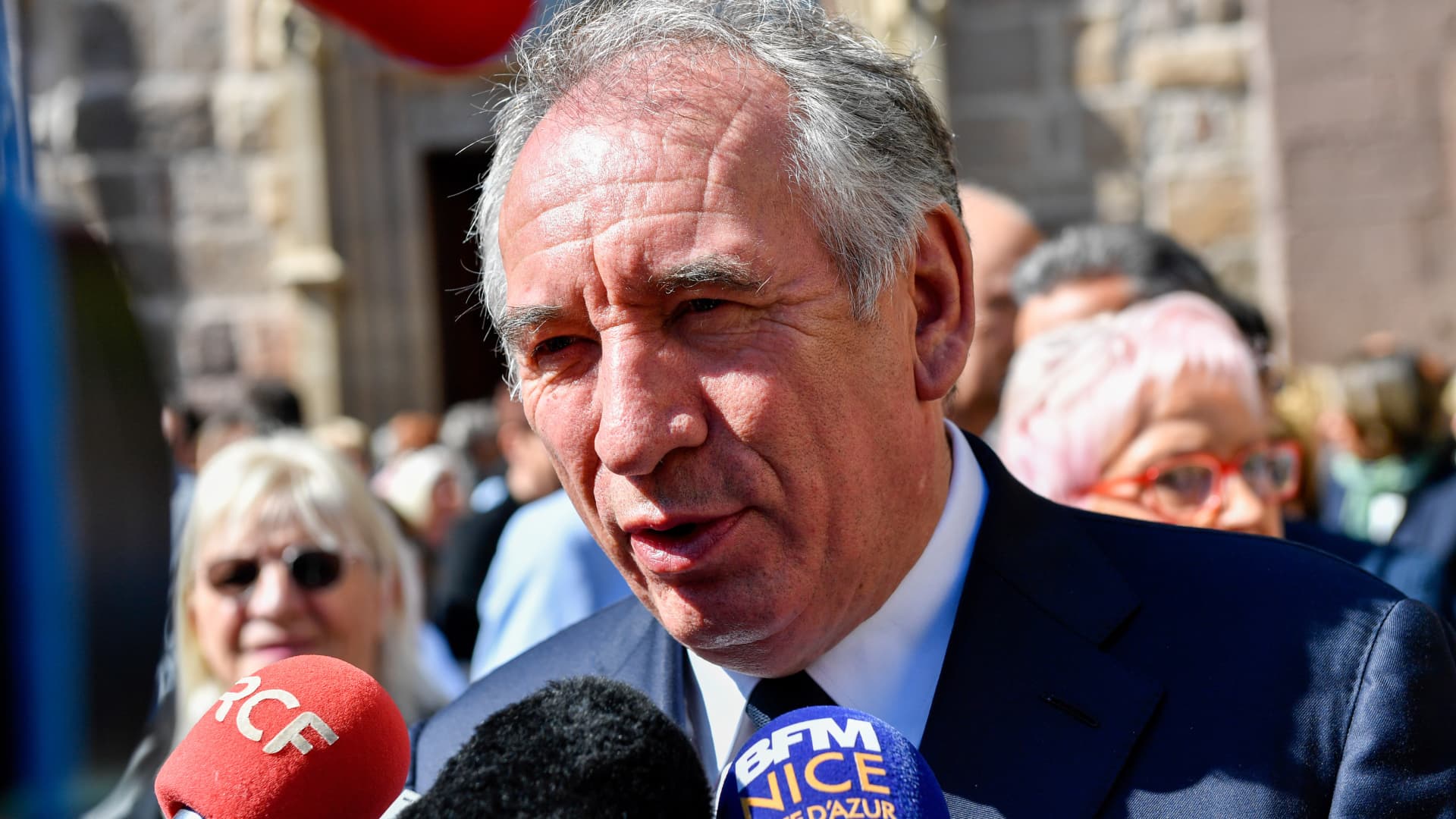
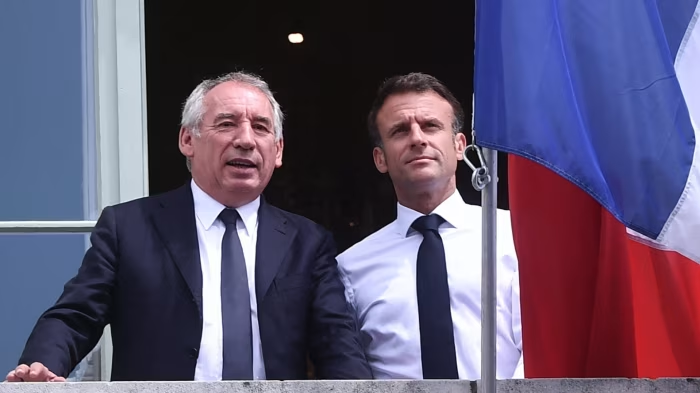
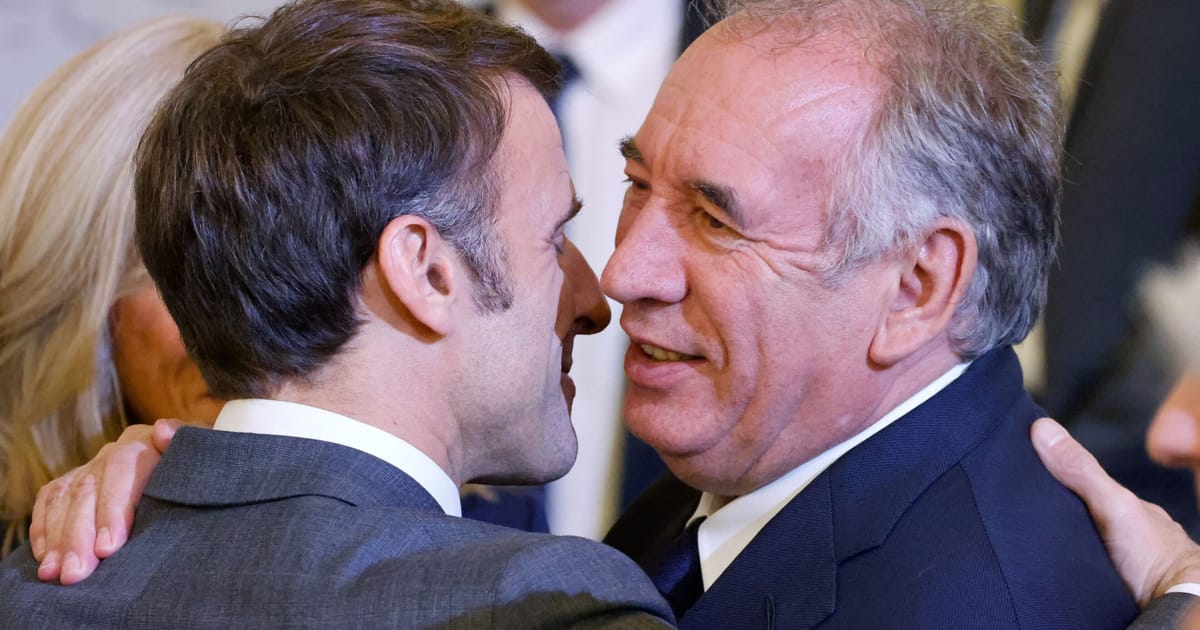
France's government has collapsed after Prime Minister François Bayrou was ousted in a confidence vote, leading President Macron to seek a new prime minister amid ongoing political instability and legislative deadlock.
French Prime Minister Francois Bayrou proposed significant austerity measures, including scrapping two public holidays and freezing welfare spending, to reduce France's budget deficit and address public debt, facing criticism from opposition parties.
François Bayrou, a centrist political veteran and ally of President Emmanuel Macron, has been appointed as France's new prime minister following the ousting of Michel Barnier. Bayrou, who leads the MoDem party, faces the challenge of navigating a hung parliament and passing a 2025 budget amid political turmoil. His success will depend on building coalitions across the political spectrum, including neutralizing the far-right and negotiating with the moderate left, while maintaining fiscal discipline.
French President Emmanuel Macron has appointed François Bayrou as the new Prime Minister of France, marking a significant political decision in his administration.
François Bayrou, a respected centrist politician, has been appointed by President Macron to navigate France's governmental crisis, characterized by a deadlocked National Assembly. Despite his experience and cross-party respect, Bayrou faces significant challenges, including forming a new government and drafting a 2025 budget amidst potential opposition from both the left and far-right. His ability to build coalitions and avoid the pitfalls that led to his predecessor's downfall will be crucial in determining his success.
French President Emmanuel Macron has appointed François Bayrou as the new prime minister following a no-confidence vote that toppled the government. Bayrou, a centrist ally, faces the challenge of forming a stable government and addressing France's financial issues amid political divisions. The appointment comes as European allies urge France to stabilize, especially with global tensions rising due to U.S. policy shifts under President-elect Donald Trump. The new government must also draft a budget that satisfies diverse political factions to avoid further instability.
French President Emmanuel Macron has appointed Francois Bayrou as the new prime minister following the ousting of Michel Barnier's government after a historic no-confidence vote. This marks France's fourth prime minister this year amid ongoing political instability and economic challenges. The new government faces pressure from both left and right political factions over the 2025 budget, with potential provisional budget agreements to avoid a government shutdown. Investors remain cautious as France's fiscal issues persist.
French President Emmanuel Macron has appointed centrist François Bayrou as the new prime minister in an effort to stabilize the country's political turmoil. Bayrou, a long-time ally of Macron, replaces Michel Barnier, who was ousted after losing a confidence vote. The appointment has been met with criticism from both the far-right and moderate left, who demand more inclusive governance. Bayrou's challenge will be to navigate a divided parliament and address France's economic issues, including a high deficit and slowing growth. Macron's popularity has hit a record low, and the political landscape remains tense.
French President Emmanuel Macron is in the process of selecting a new prime minister after Michel Barnier was ousted in a no-confidence vote. Macron met with centrist leader François Bayrou, a potential candidate, amid ongoing political deadlock following snap parliamentary elections. The political situation has left France in turmoil, with Macron seeking to form a stable government without relying on far-right support. Other potential candidates include Defence Minister Sebastien Lecornu and former PM Bernard Cazeneuve. Macron aims to restore stability by possibly including centre-left parties in the government.
François Bayrou, a key centrist ally of President Emmanuel Macron, has declined to join the new government, citing a "difference of approach" on essential topics and criticizing a growing rift between the people and power structures. This move has cast uncertainty on the future of the pro-Macron coalition, particularly the role of Bayrou's Democratic Movement, which makes up one-fifth of the coalition's members of parliament. The decision has sparked controversy within the party and raised questions about the fate of its members who held cabinet positions in the previous government.