
Tag

Night Sky Brightness

All articles tagged with #night sky brightness

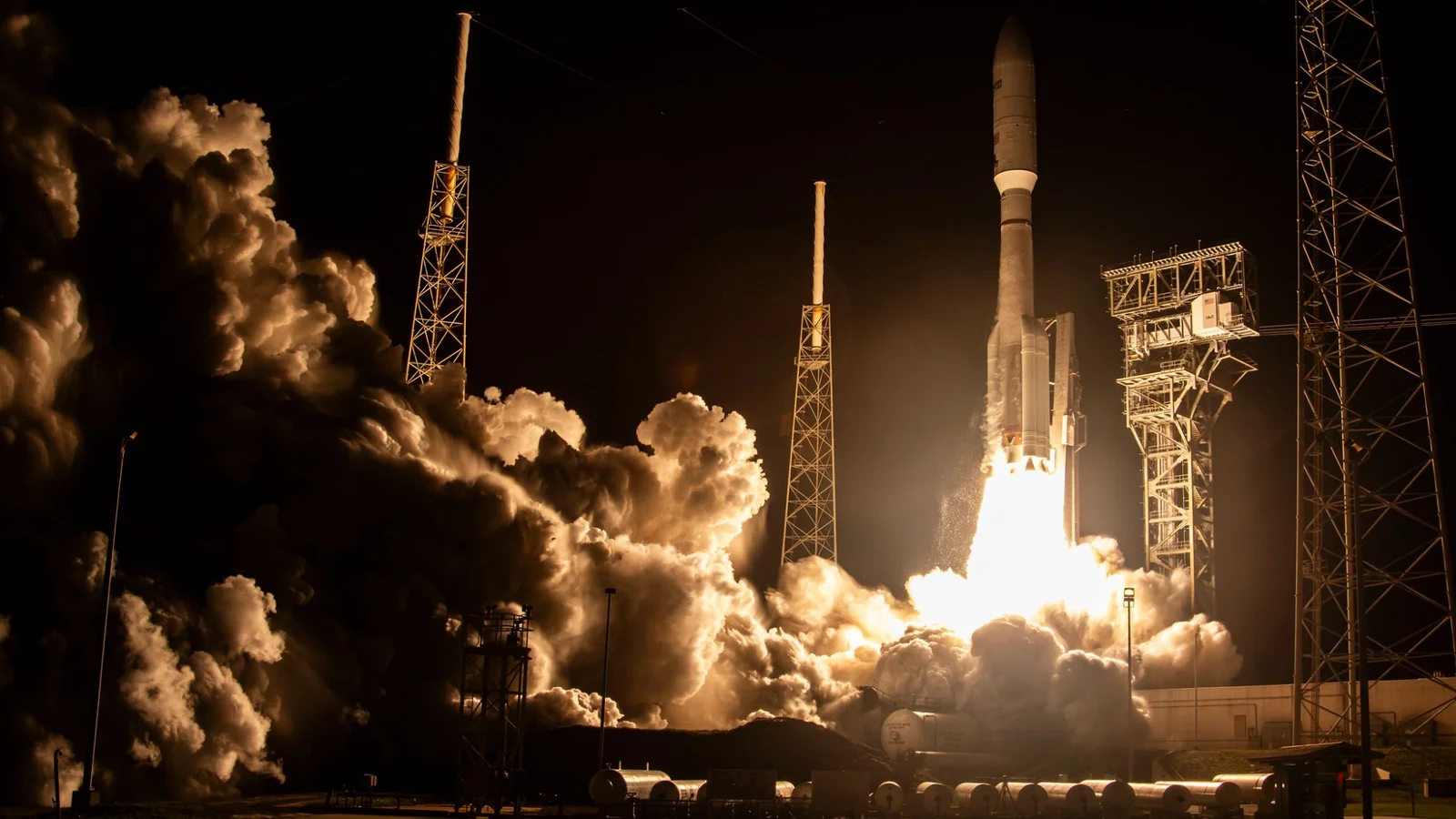
Amazon's internet satellites could blur the night sky, study warns
space-exploration1 month ago

Amazon's internet satellites could blur the night sky, study warns

A study posted to arXiv analyzed about 2,000 observations of Amazon's Leo internet satellites and found they are bright enough to interfere with astronomical research, though not visible to the naked eye on average (avg magnitude ~6.28). About a quarter of observations showed brightness that could be seen without a telescope, exceeding the International Astronomical Union's recommended brightness limit for coexistence with astronomy. The satellites orbit ~630 km up, with future Amazon Leo deployments planned around 590 km, which could increase brightness. The research highlights potential impacts on ground- and space-based observatories and notes that Amazon has been engaging with astronomers to reduce brightness (e.g., reflective undersides, orientation). SpaceX's Starlink is discussed as another, brighter network, but similar mitigation efforts are underway.


Leamington’s Greenhouse Boom Lights Up the Night Sky
environment-earth-science1 month ago

Leamington’s Greenhouse Boom Lights Up the Night Sky

NASA’s Earth Observatory uses Landsat 8 imagery to show Leamington, Ontario, expanding to about 8 square kilometers of greenhouses—the largest concentration in North America—producing year-round LED-lit glows visible at distances of tens of kilometers. A 2022 bylaw requires light-blocking curtains to reduce night-sky brightness, and studies indicate these curtains help when properly deployed, though cloud cover and the Moon still affect brightness. The growing glow also intersects with ecological concerns for migratory birds near Point Pelee.

Orbiting sky mirrors could light nights but raise astronomy and wildlife concerns
science1 month ago

Orbiting sky mirrors could light nights but raise astronomy and wildlife concerns

Earth.com reports on Reflect Orbital’s plan to launch about 4,000 large sky mirrors into orbit to reflect sunlight onto Earth after sunset, using a sun‑synchronous path to illuminate select areas. The first satellite, Earendil-1, could launch in early 2026 for a demonstration visible from approved sites. While proponents say it could boost lighting and solar energy use, experts warn it could dramatically increase sky brightness, contaminate telescope data, create space debris risks, disturb wildlife and human sleep, and require international regulatory coordination. The piece calls for clear limits, public review, and shared tracking before any large deployment.