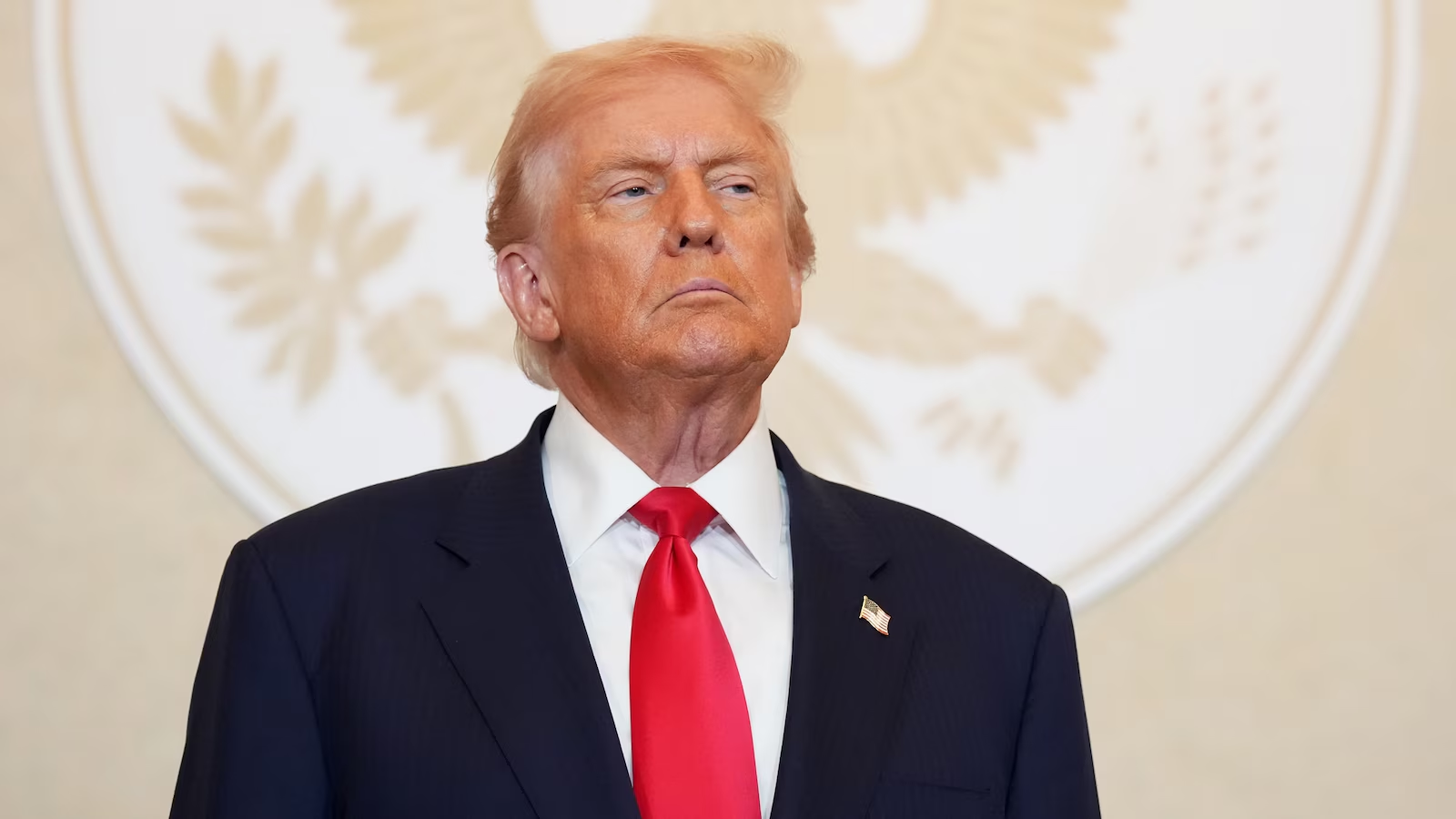
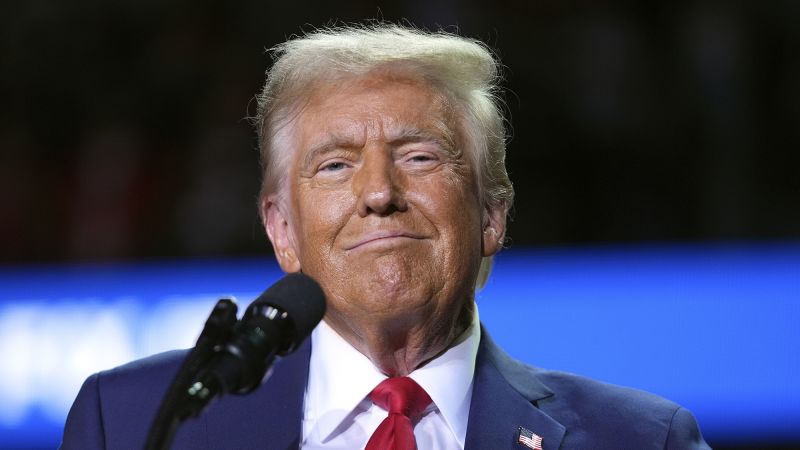
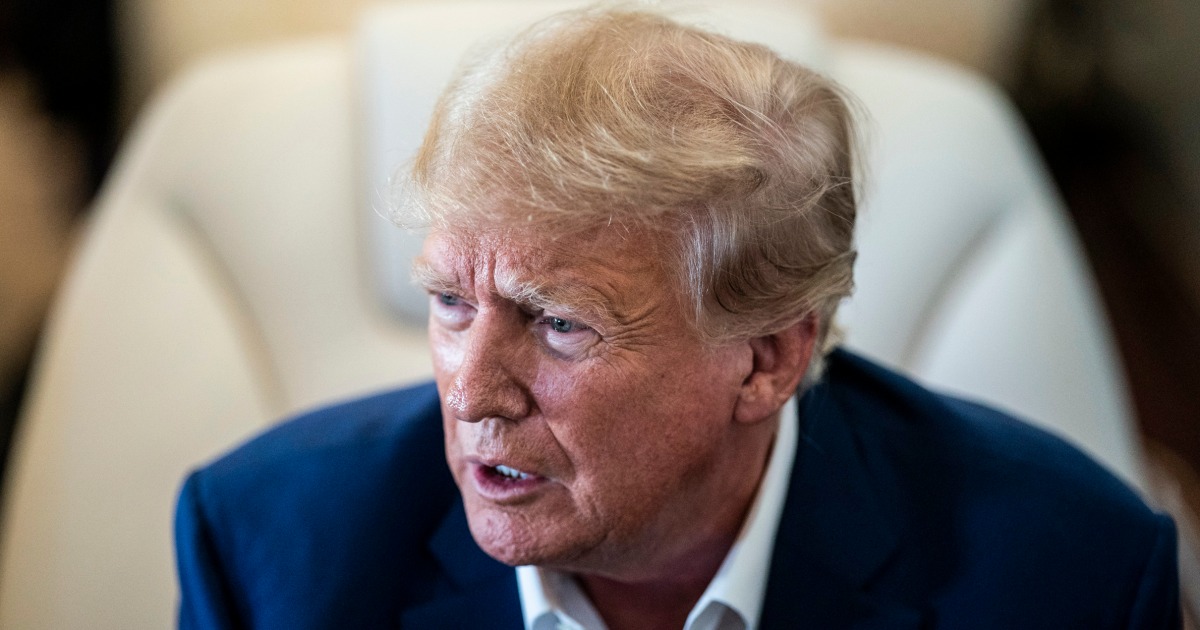
Donald Trump has formally appealed his 2024 New York hush money conviction, arguing that the trial was flawed due to faulty evidence, political bias, and judicial misconduct, and seeking to have the conviction overturned.
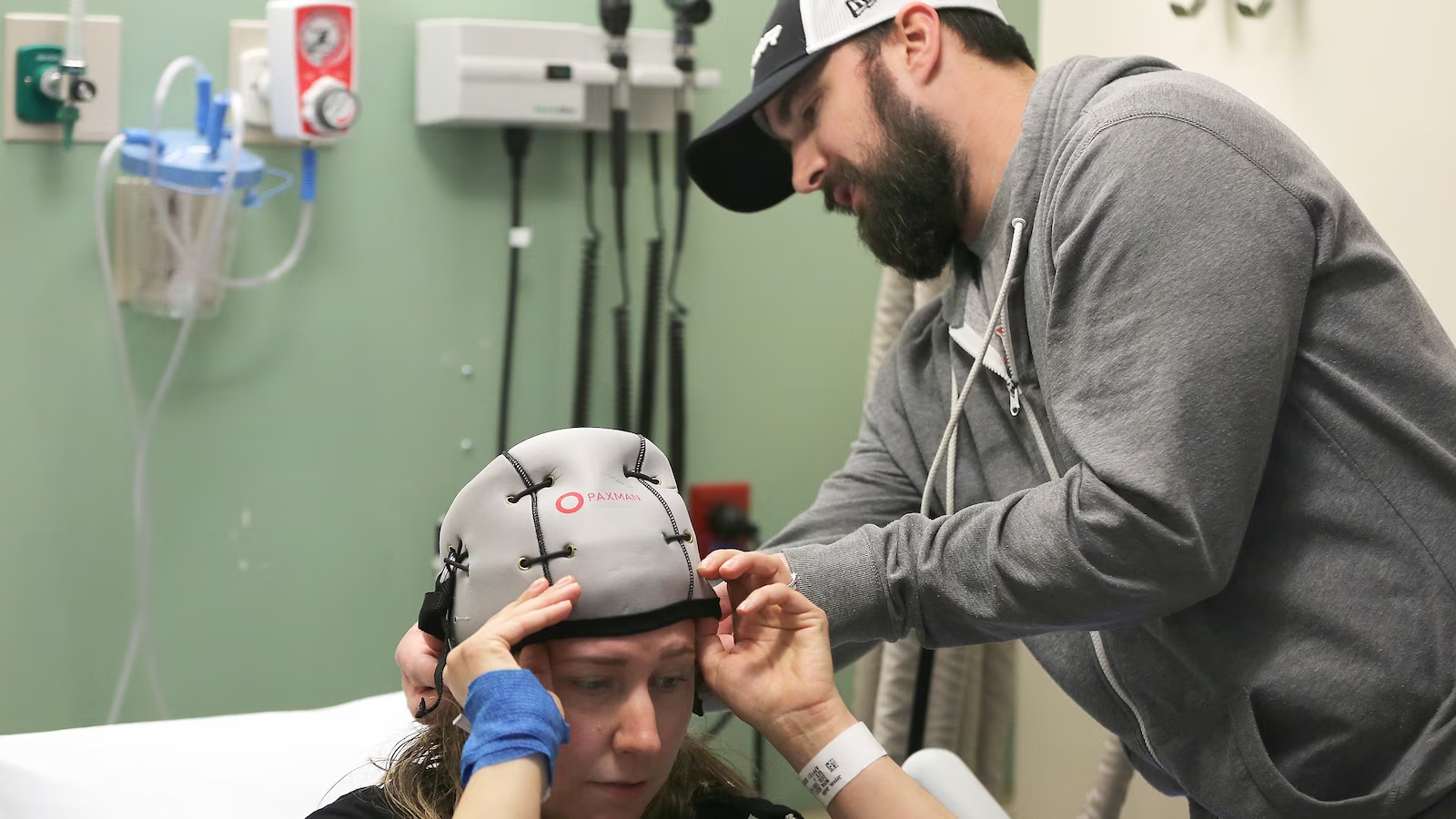
New York will become the first state to require private insurance to cover scalp cooling treatments for chemotherapy patients, helping them preserve their hair and maintain a sense of normalcy during cancer treatment.
A New York judge has dismissed terrorism charges against Luigi Mangione, accused of killing UnitedHealthcare CEO Brian Thompson, citing insufficient evidence to meet the legal definition of terrorism; the trial for the remaining charges is scheduled to begin in December.
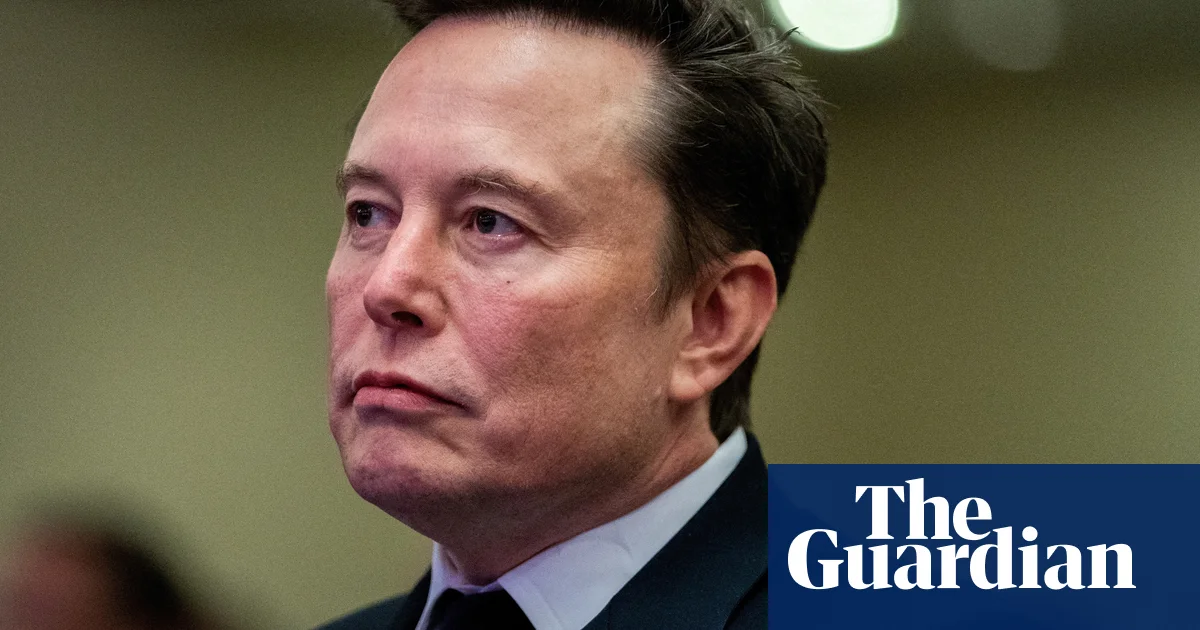
Elon Musk’s X Corp filed a lawsuit against New York over the recently enacted Stop Hiding Hate Act, claiming it violates free speech rights under the First Amendment by requiring transparency in content moderation and potentially imposing heavy penalties, while the state defends the law as necessary for transparency and accountability in combating online hate speech and disinformation.
Despite being a convicted felon, former President Donald Trump was able to vote in Florida due to a New York law allowing felons to vote if not incarcerated. Florida typically has stricter rules, requiring felons to pay all fines and fees before regaining voting rights, a process complicated by decentralized record-keeping. Trump's case highlights disparities in voting rights restoration between states.
Donald Trump's new lawyer, John Sauer, has filed a motion for a new trial and a motion for judgment as a matter of law in the E. Jean Carroll defamation case, arguing that the judge erred in instructing the jury on the common law malice standard under New York law and in refusing to let Trump testify about his motivation for defaming Carroll. Sauer contends that Trump's motive was not solely to harm Carroll but to defend his reputation, family, and presidency. However, the court had previously struck Trump's testimony on this matter. The first jury found the statements defamatory with actual and common law malice, and Judge Kaplan issued summary judgment in the second case, estopping Trump from denying the defamatory nature of the statements.
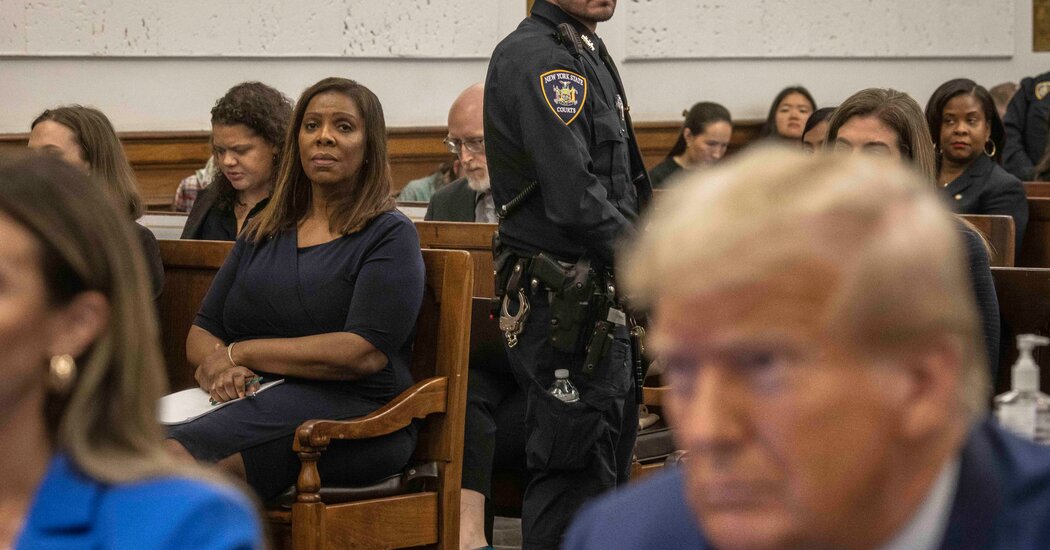
In a civil fraud case brought by Attorney General Letitia James, a little-known New York law, 63(12), could result in harsh financial penalties for former President Donald Trump, potentially amounting to hundreds of millions of dollars and imposing new restrictions on his family business. The law has been used by James's office to target various corporate entities, and in the Trump case, it alleges that he inflated his net worth to obtain favorable loans, thereby defrauding his lenders and undermining the integrity of New York's business world.
Employers are not required to offer paid vacation, but if they do, the policies and requirements vary. In the absence of a written policy, state laws govern how vacation is handled. In New York, employers can enforce a "use it or lose it" policy. If what you were told about paid vacation is not in writing and there is no practice of offering it to other employees, they may be in breach of an oral contract, but proving it can be difficult. Additionally, a new law in New York prohibits restaurants from discriminating against job applicants based on their looks.
SeatGeek, which committed to all-in pricing on Thursday, has been criticized for not using all-in prices even when legally required in New York. The company initially shows fee-less listings for tickets all over the venue map, and it's only after clicking that customers see the actual price, which is higher than initially advertised. New York State Senator James Skoufis, who sponsored the local bill, has expressed frustration with how ticketing companies have skirted the law. SeatGeek defended its system and its legality, saying it supports all-in pricing legislation at the state and federal level.
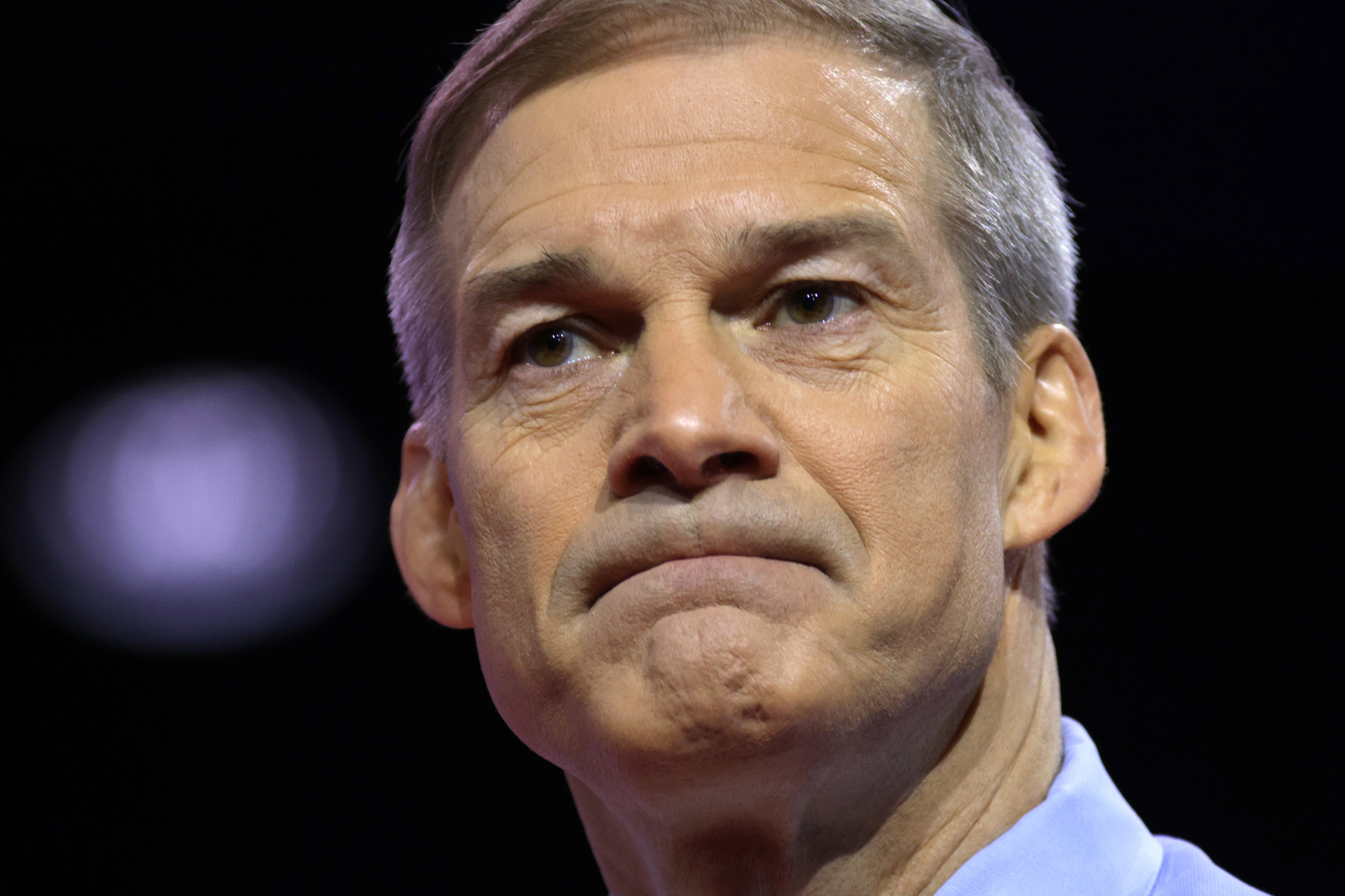
Legal analyst Glenn Kirschner has argued that Representative Jim Jordan violated a New York state law against "obstructing governmental administration" by threatening to investigate Manhattan District Attorney Alvin Bragg's conduct in bringing criminal charges against former President Donald Trump. Kirschner stated that Jordan's efforts were in violation of the 10th Amendment, as the federal government cannot interfere with a state-level prosecution. Bragg's office released a statement decrying Jordan's efforts as "an unprecedented campaign of harassment and intimidation."
Former President Donald Trump risks legal charges under New York law if he continues to threaten the prosecutor and make statements about the judge presiding over his criminal case. The judge could issue a gag order to prevent Trump or his attorneys from speaking publicly about the case. Even if the judge opts not to impose a gag order, Trump risks violating other laws if he continues to make statements about the case. The judge is expected to address Trump's statements at Tuesday's arraignment and set some "ground rules."