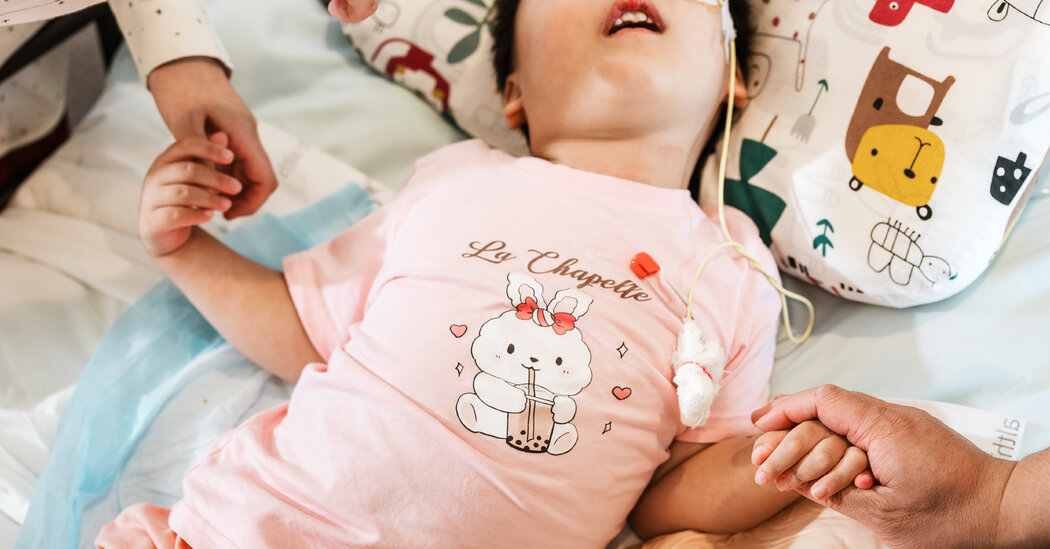
A rare but severe neurological complication called acute necrotizing encephalopathy (A.N.E.) can result from influenza, especially in unvaccinated children, leading to devastating outcomes including death or long-term disabilities, highlighting the importance of flu vaccination and early medical intervention.

A new study involving 99 million vaccinated individuals from eight countries reveals that while COVID-19 vaccines can cause serious side effects such as Guillain Barré syndrome and acute disseminated encephalomyelitis, these occurrences are rare. The study found that the overall incidence of vascular and neurological adverse reactions is low, and vaccinated individuals have a reduced risk for severe outcomes, including Long COVID.
A case report published in Pediatrics describes the first known instance of vocal cord paralysis in a teenager following a COVID-19 infection. The otherwise healthy 15-year-old girl experienced sudden breathing difficulties and required a tracheostomy to support her breathing for over a year. The report suggests that COVID-19's impact on the nervous system may lead to rare cases of vocal cord paralysis. The girl also experienced numbness, weakness, and difficulty swallowing, which improved over time. Despite unsuccessful treatments, she eventually had surgery to remove the tracheostomy and was able to attend her senior prom tracheostomy-free.
Benzodiazepines like Xanax and Valium, commonly prescribed for anxiety, have been linked to nervous system injury, negative life effects, memory issues, and cognitive decline. Many patients experience withdrawal symptoms and rebound anxiety when trying to stop using these drugs, with long-lasting symptoms such as low energy, difficulty focusing, memory loss, anxiety, insomnia, and more. The condition, known as benzodiazepine-induced neurological dysfunction (BIND), occurs in about one in five long-term users. The study highlights the need for further research and a change in how these drugs are prescribed.
Senator Dianne Feinstein was hospitalized for severe neurological complications of shingles that affected her brain and face. Although the encephalitis resolved itself shortly after she was released from the hospital in March, she continues to have complications from Ramsay Hunt syndrome. Ramsay Hunt syndrome is a rare neurological complication of shingles that classically occurs in adults over 60 years old. Encephalitis is when the brain gets inflamed, and it can be caused by infections, often due to a virus or to inflammatory conditions in which the body’s immune system attacks the brain.