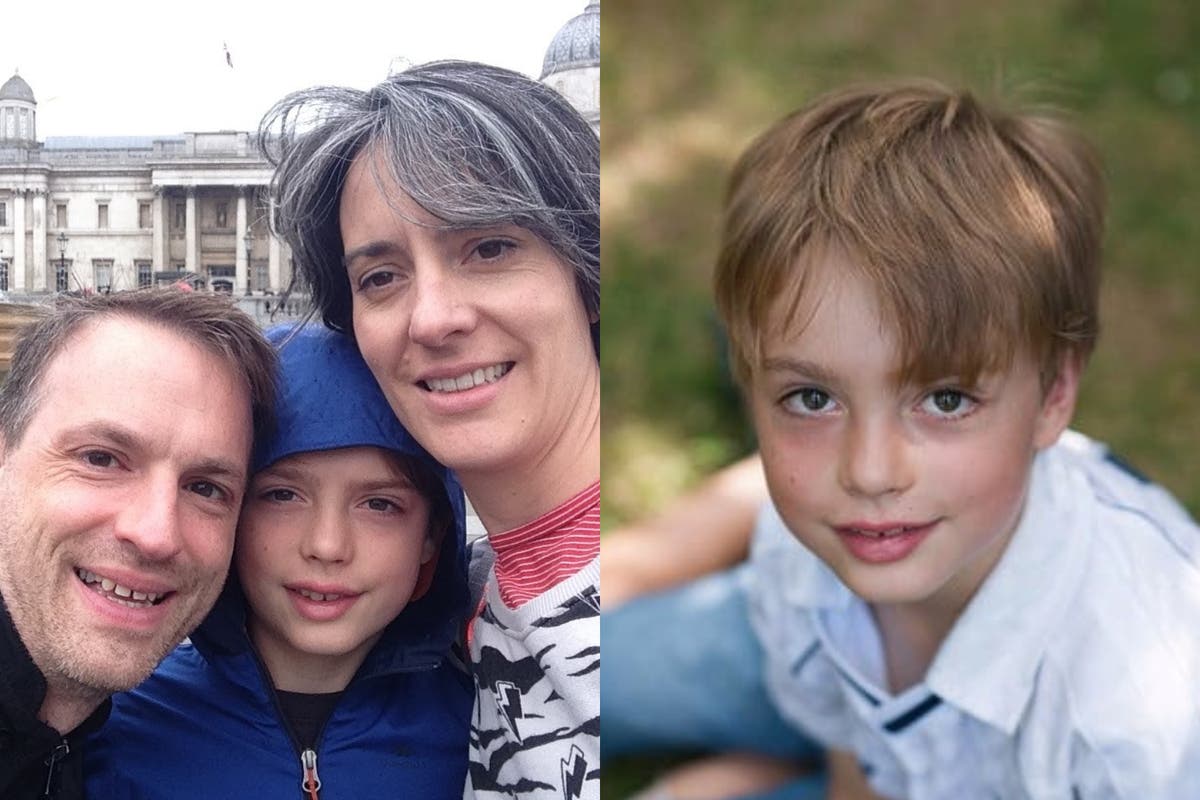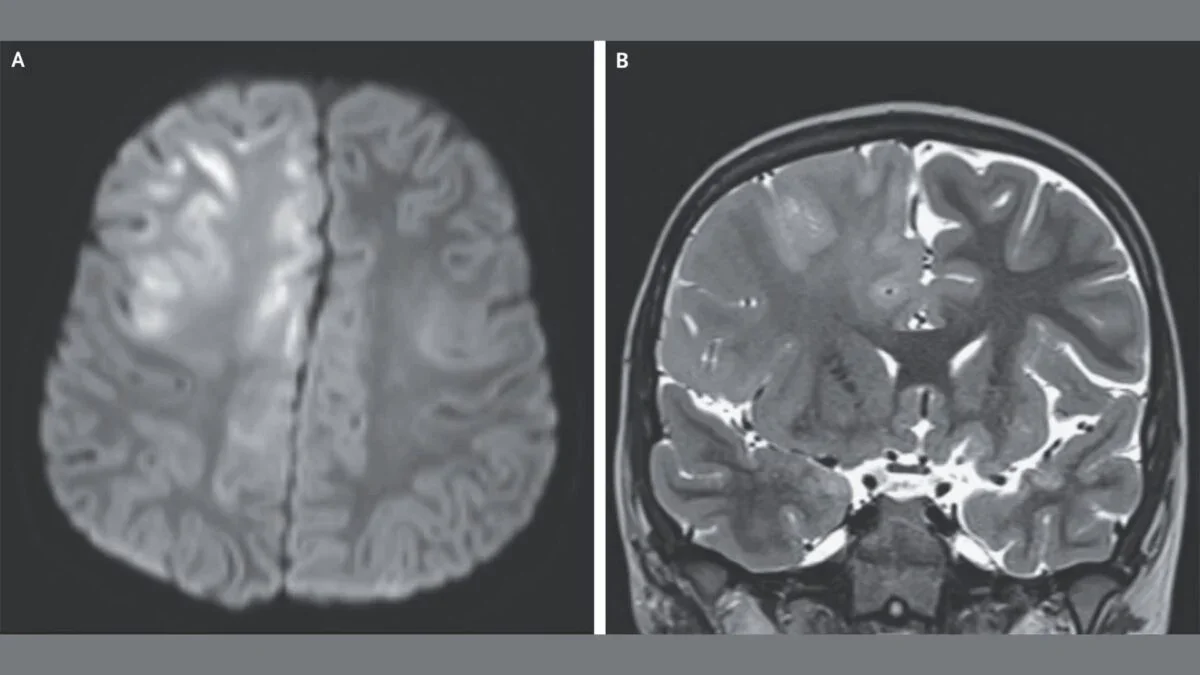
A couple from London, Louise and Richard Taylor, are urging doctors and parents to educate themselves on the symptoms of encephalitis after losing their eight-year-old son, Henry, to the brain condition. Henry's symptoms, including confusion and short-term memory loss, were not recognized as encephalitis-related by healthcare professionals prior to his death. The couple hopes to raise awareness of encephalitis and save lives by sharing their story and encouraging medical professionals to learn about the symptoms and causes of the condition.
A teenager's pregnancy led to a life-threatening medical mystery as she experienced severe symptoms including headaches, hallucinations, and bizarre behavior. After weeks of misdiagnoses, doctors discovered she had anti-NMDA receptor encephalitis, a rare and life-threatening disease. With limited guidance on treating the condition during pregnancy, her mother made the difficult decision to end the pregnancy to save her daughter's life. Following the procedure, the teenager made a stunning recovery and is now working and studying. She later became pregnant again and successfully gave birth to a healthy baby, affirming her mother's difficult decision.
Shane MacGowan, the frontman of The Pogues known for hits like "Fairytale of New York," has passed away at the age of 65. He had been diagnosed with encephalitis and had a history of struggles with drugs and alcohol. MacGowan's wife expressed her deep love and loss, while friends and fellow musicians paid tribute to his talent and influence. MacGowan's music connected Irish people to their culture and history, and he was hailed as a lyrical genius and a poet.
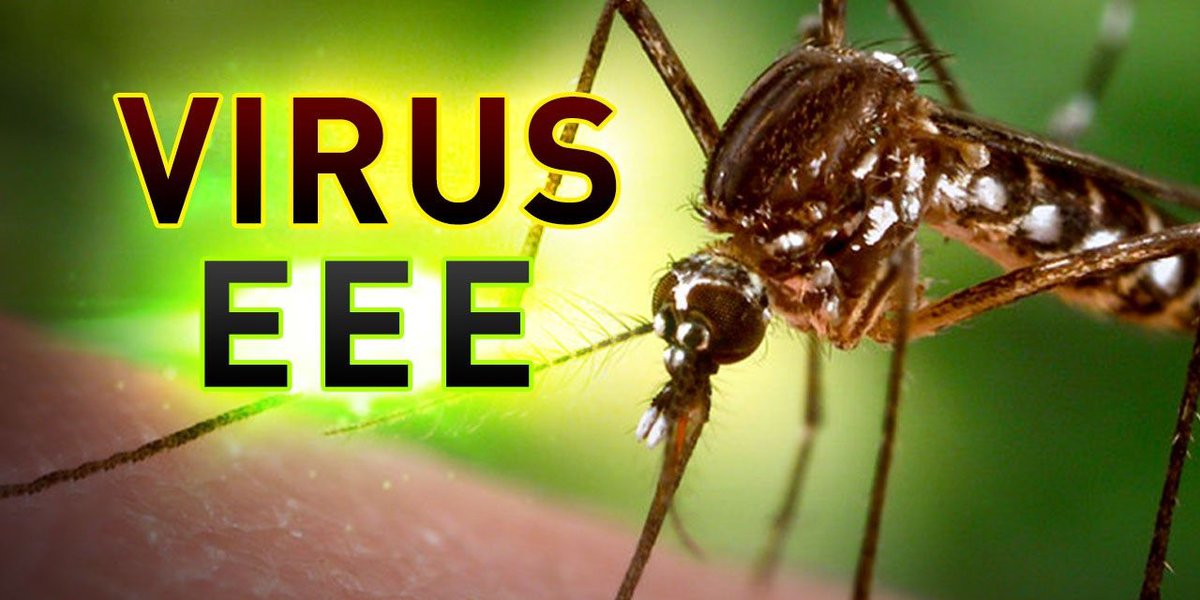
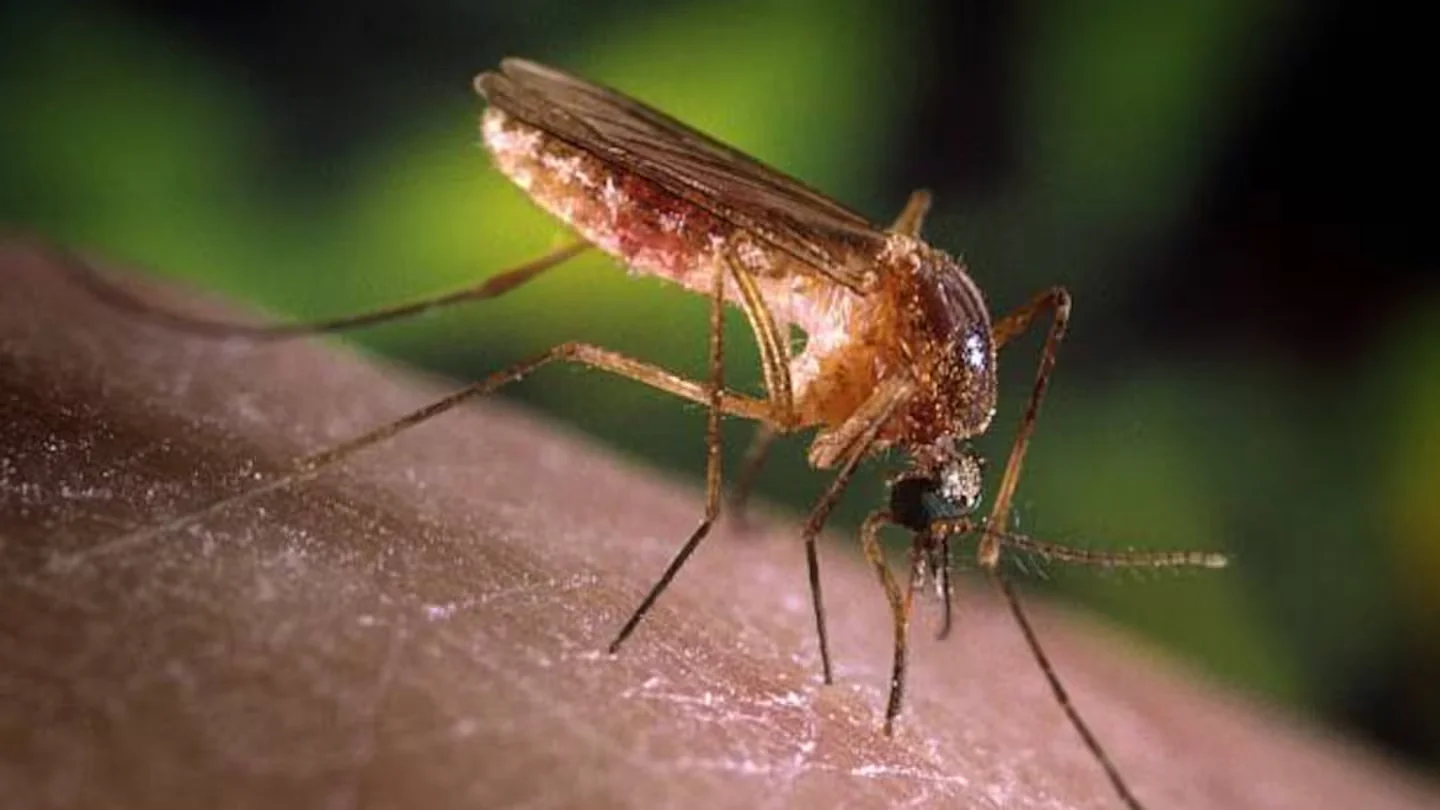
A horse in Schuyler Falls, Clinton County, has tested positive for the Eastern Equine Encephalitis (EEE) virus, marking the second case of the virus in northern New York this summer. EEE is a rare but serious virus transmitted by mosquitoes that can cause inflammation of the brain. While there have been no human cases reported in New York so far in 2023, it is important to protect oneself from mosquito bites as there are no medications to prevent or treat EEE virus infections in humans.
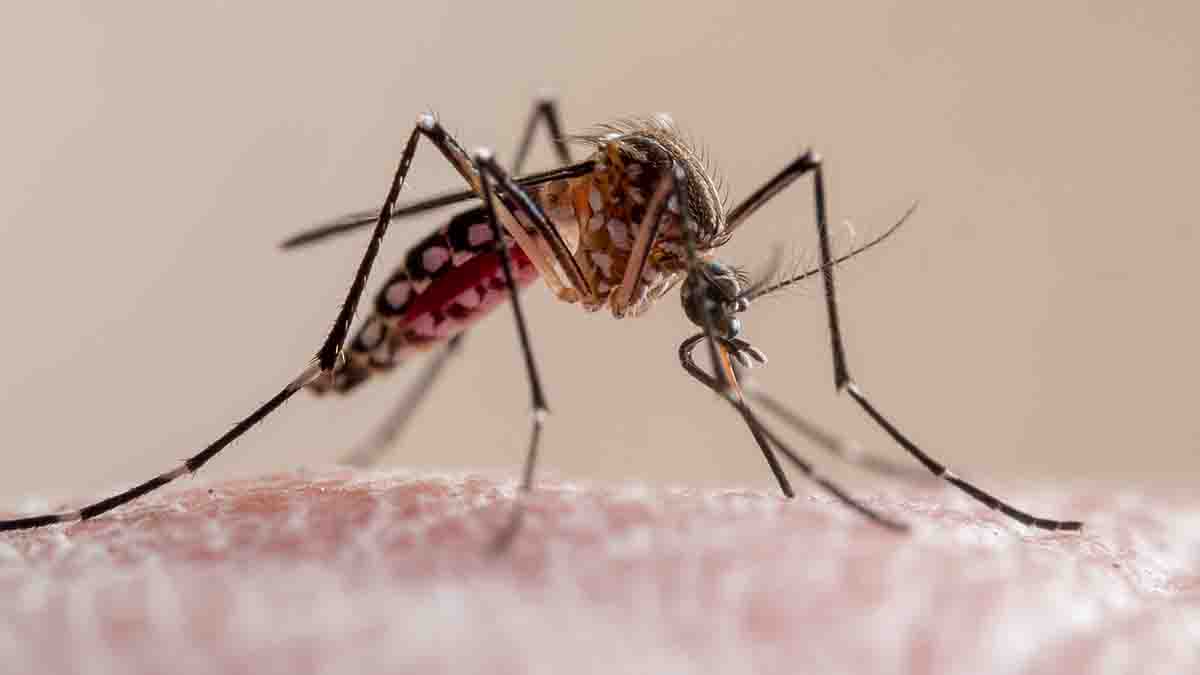
A mosquito sample in Wethersfield, Connecticut, has tested positive for the Jamestown Canyon (JC) Virus, a mosquito-borne disease that can cause severe illness such as encephalitis. Symptoms include fever, headache, and fatigue. There is currently no vaccine available. Health officials recommend using mosquito repellent, wearing protective clothing, eliminating standing water, and avoiding mosquito-prone areas during peak activity times.
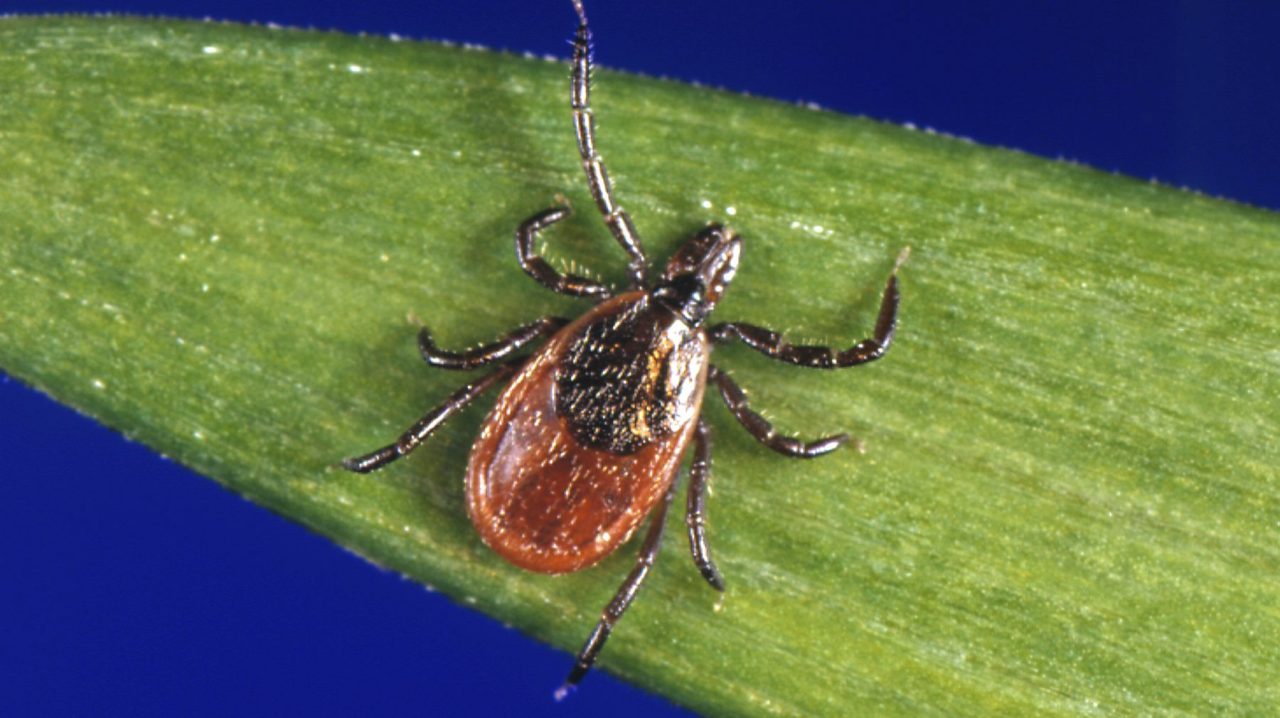
Four people in Connecticut have tested positive for the Powassan virus, a tick-borne illness that can cause severe illness such as encephalitis. The virus is primarily transmitted by the black-legged tick, which is also associated with Lyme disease. There are currently no vaccines or medicines available to prevent or treat Powassan virus disease.
A second horse in St. Lawrence County, New York, has tested positive for eastern equine encephalitis (EEE), a virus transmitted by mosquitoes that can cause inflammation of the brain. Health officials urge horse owners to consult a veterinarian about vaccinating their horses against EEE.
Ohio has the highest number of cases of La Crosse virus (LAC), an emerging mosquito-borne virus that causes encephalitis, in the country. The virus mostly affects young people under the age of 16, and there is no treatment for encephalitis besides prevention. Health officials recommend wearing long sleeve shirts and pants, applying repellants, and avoiding mosquito-prone areas. In Greene County, officials are monitoring mosquito populations, treating wet areas with larvicide, and occasionally spraying ultra-low volume (ULV) adulticide in known areas of heavy mosquito activity.
Senator Dianne Feinstein was hospitalized for severe neurological complications of shingles that affected her brain and face. Although the encephalitis resolved itself shortly after she was released from the hospital in March, she continues to have complications from Ramsay Hunt syndrome. Ramsay Hunt syndrome is a rare neurological complication of shingles that classically occurs in adults over 60 years old. Encephalitis is when the brain gets inflamed, and it can be caused by infections, often due to a virus or to inflammatory conditions in which the body’s immune system attacks the brain.
Senator Dianne Feinstein, who had been away from Congress for several months due to shingles, experienced a series of complications including Ramsay Hunt syndrome and encephalitis, which can cause lasting memory and language issues. Her prolonged illness hampered Democrats' ability to conduct business due to their slim majority in the chamber. Feinstein's condition has led some colleagues, voters, and donors to question whether she should retire sooner.
Democratic Sen. Dianne Feinstein’s office has confirmed that the 89-year-old had encephalitis, or brain inflammation, while recovering from shingles and continues to suffer from Ramsay Hunt syndrome. Shingles is a viral infection caused by the varicella zoster virus, the same virus that causes chickenpox. The CDC recommends adults 50 and older get two doses of the Shingrix vaccine to prevent shingles and complications from the disease.
Shingles, a common infection affecting a third of Americans, can lead to severe complications such as encephalitis and Ramsay Hunt syndrome. Sen. Dianne Feinstein was hospitalized in February due to these complications but has since recovered. She returned to Washington last week after a months-long absence.
US Senator Dianne Feinstein, 89, suffered from encephalitis, a brain inflammation, and Ramsay Hunt syndrome, which can cause facial paralysis, after a bout of shingles that left her unable to sit on key committee. While the encephalitis resolved itself, she continues to deal with Ramsay Hunt syndrome. Her absence had delayed the Senate Judiciary Committee's efforts to confirm federal judges. Members of her own party have led calls for her to resign, saying she is no longer fit to serve constituents.
Senator Dianne Feinstein, 89, returned to the Senate after several months at home in San Francisco with shingles and complications from Ramsay Hunt syndrome, which caused partial paralysis and a drooping eyelid and face. She has also had a case of encephalitis, a swelling of the brain, which can cause memory loss and other effects. Despite her health issues, Feinstein continues to vote and speak up in committee hearings. Her presence in the Senate is essential for Democrats to pursue their agenda, including confirming judges, while maintaining maximum leverage.
California Senator Dianne Feinstein suffered from Ramsay Hunt syndrome and encephalitis, or inflammation of the brain, as complications from shingles. She was away from the Senate for three months while recovering at home. While the encephalitis resolved itself shortly after she was released from the hospital in March, she continues to have complications from Ramsey Hunt syndrome. At 89, Feinstein is the oldest member of the Senate and has said she will retire at the end of her current term in January 2025.