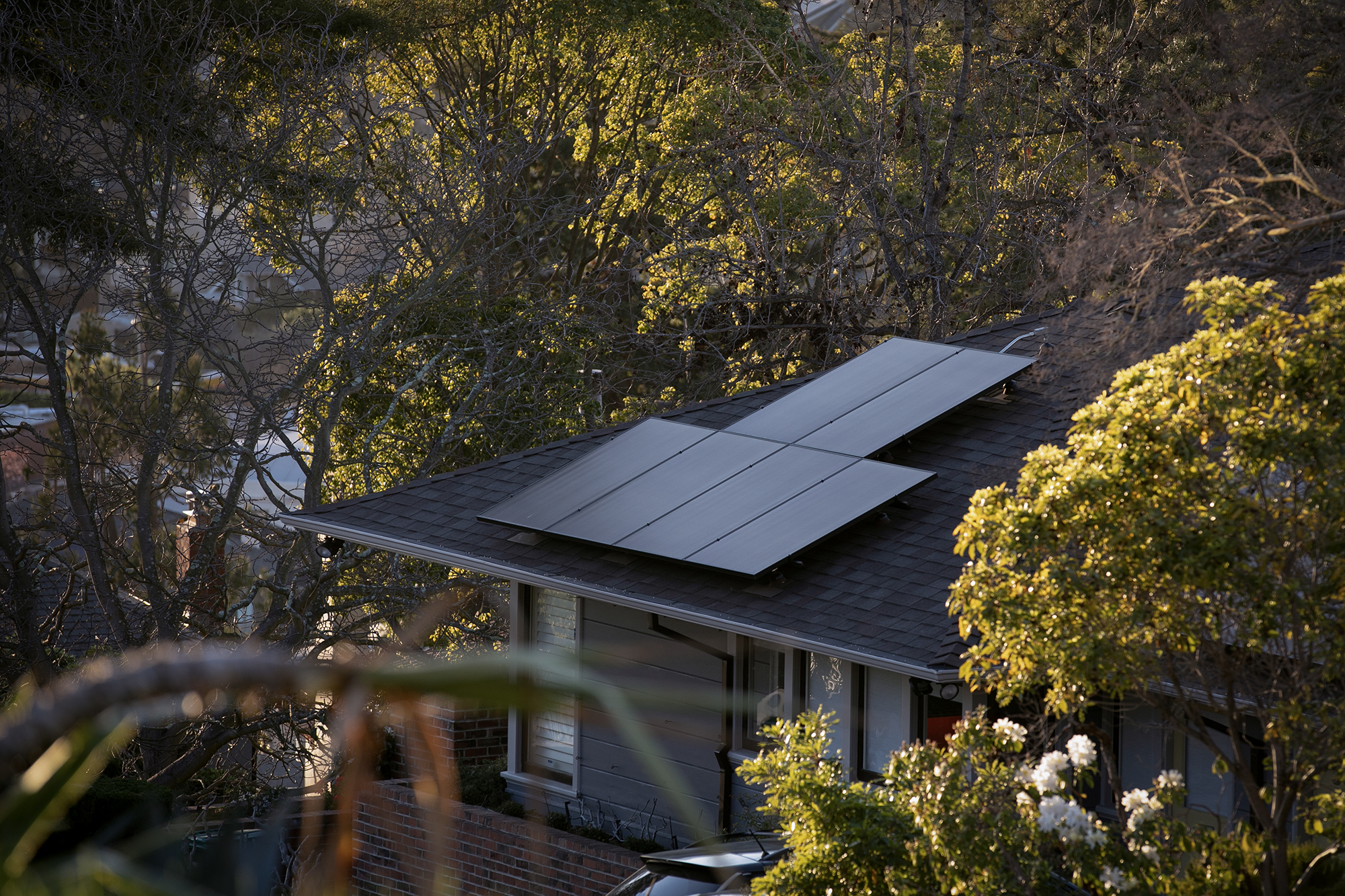
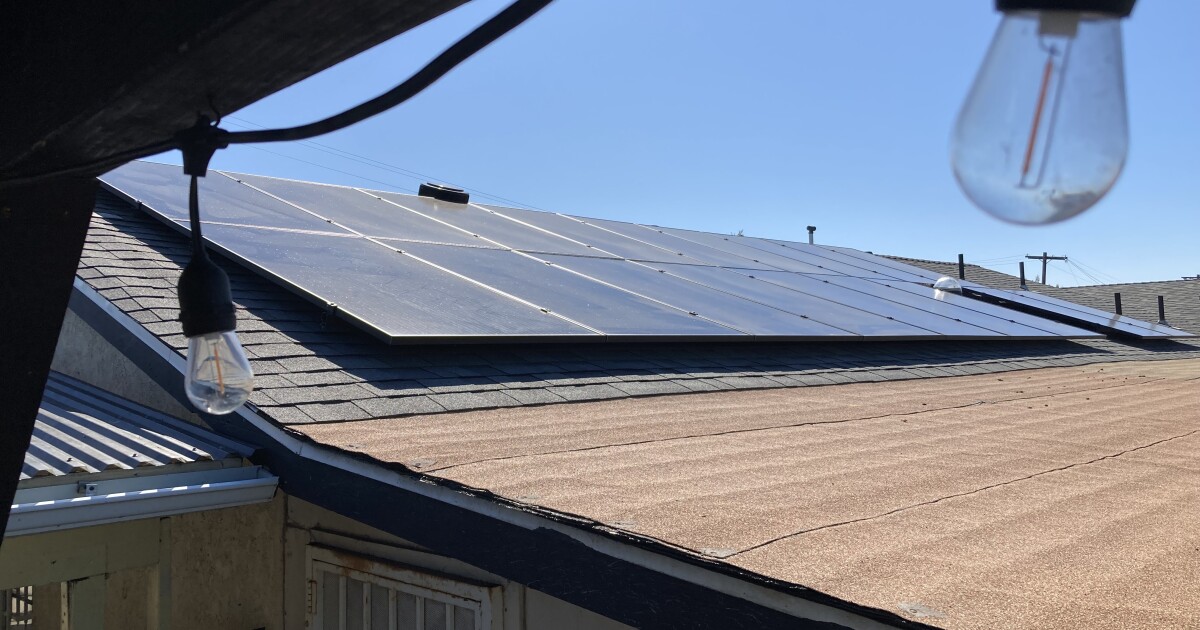
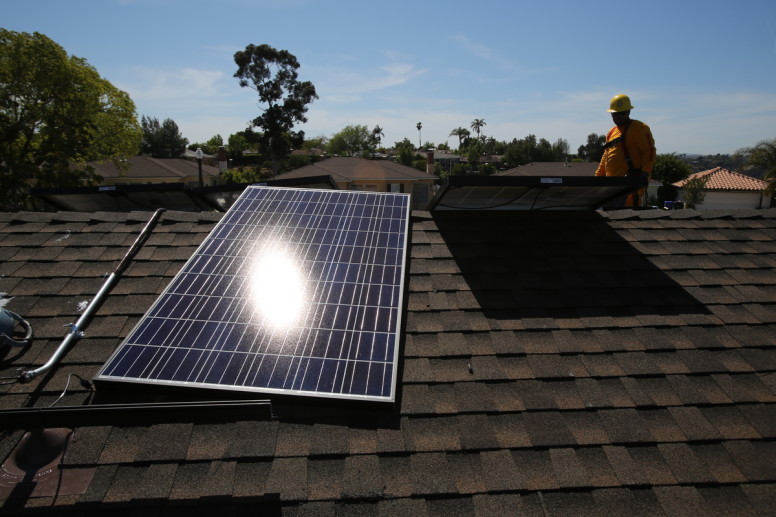
The California Supreme Court ruled that a lower court must revisit its decision to uphold a 75% cut in payments to rooftop solar owners for excess energy, a move that could impact the future of solar adoption and utility regulation in the state.
California regulators are considering changes to the net energy metering (NEM) rules for solar projects in apartments, schools, and farms, which critics argue would make investing in solar economically unappealing. The proposed decision would end virtual net metering for complexes with multiple electric meters but served by one solar array, potentially impacting the savings and benefits shared among tenants. Investor-owned utilities support the recommendation to require complexes to sell their solar-generated electricity to the utilities at wholesale prices, making solar financially unappealing for affordable housing complexes. The fate of the proposal will be decided by the California Public Utilities Commission (CPUC) when they meet on Thursday.
Most grid-connected solar systems are programmed to switch off during power outages to prevent unexpected energy from being sent to the power line. Therefore, solar panels alone cannot power homes and businesses during grid shutdowns unless paired with a battery. While rooftop solar is considered the cheapest form of solar energy, going off-grid entirely requires expensive batteries capable of powering a home through the night or on cloudy days. Hurricane Hilary's potential power outages have prompted San Diego Gas and Electric to increase field crews and staged equipment for a quick response.