
Tag

Neil Gehrels Swift Observatory

All articles tagged with #neil gehrels swift observatory

"Join NASA in Tracking Gamma Ray Bursts"
science-and-technology2 years ago

"Join NASA in Tracking Gamma Ray Bursts"

NASA is enlisting citizen-scientists to help track gamma ray bursts, the most powerful explosions in the universe, in order to determine their origins and understand more about their structure. The Burst Chaser initiative calls for volunteers to examine energy plots captured by the Neil Gehrels Swift Observatory and classify the pulses and shapes, contributing to the first catalogue of gamma ray pulse structures and future research on these massive explosions, which provide insight into extreme environments and the early universe.
Astronomers witness unprecedented cosmic explosion.
astronomy2 years ago

Astronomers witness unprecedented cosmic explosion.

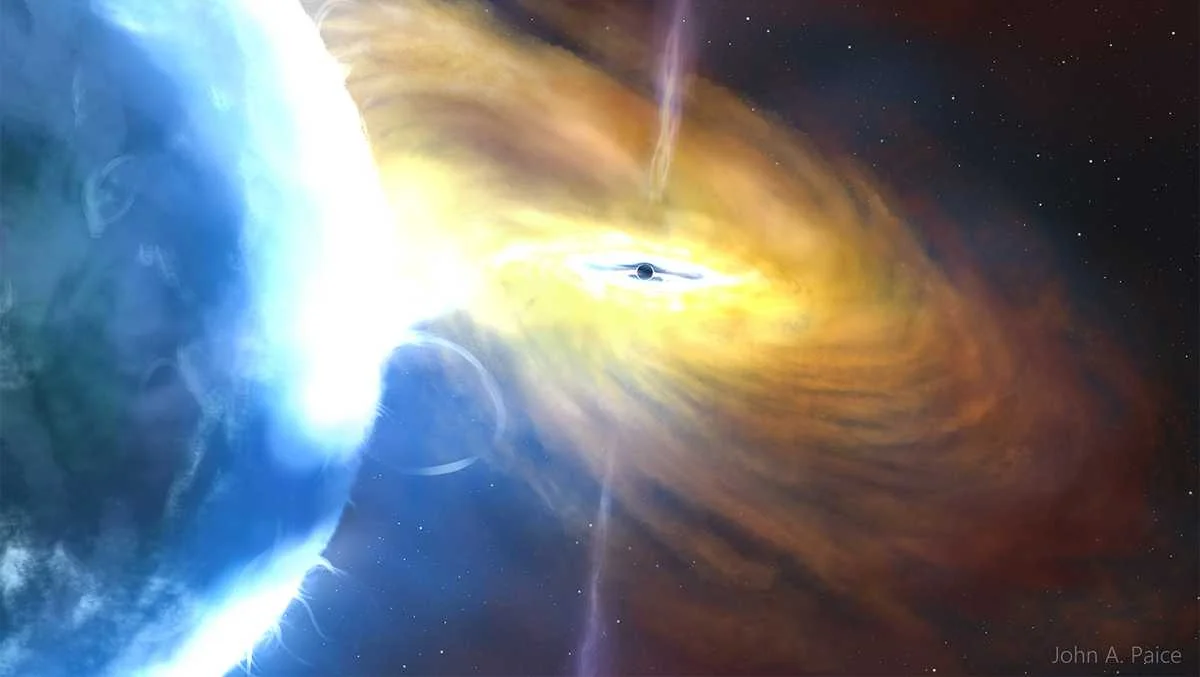
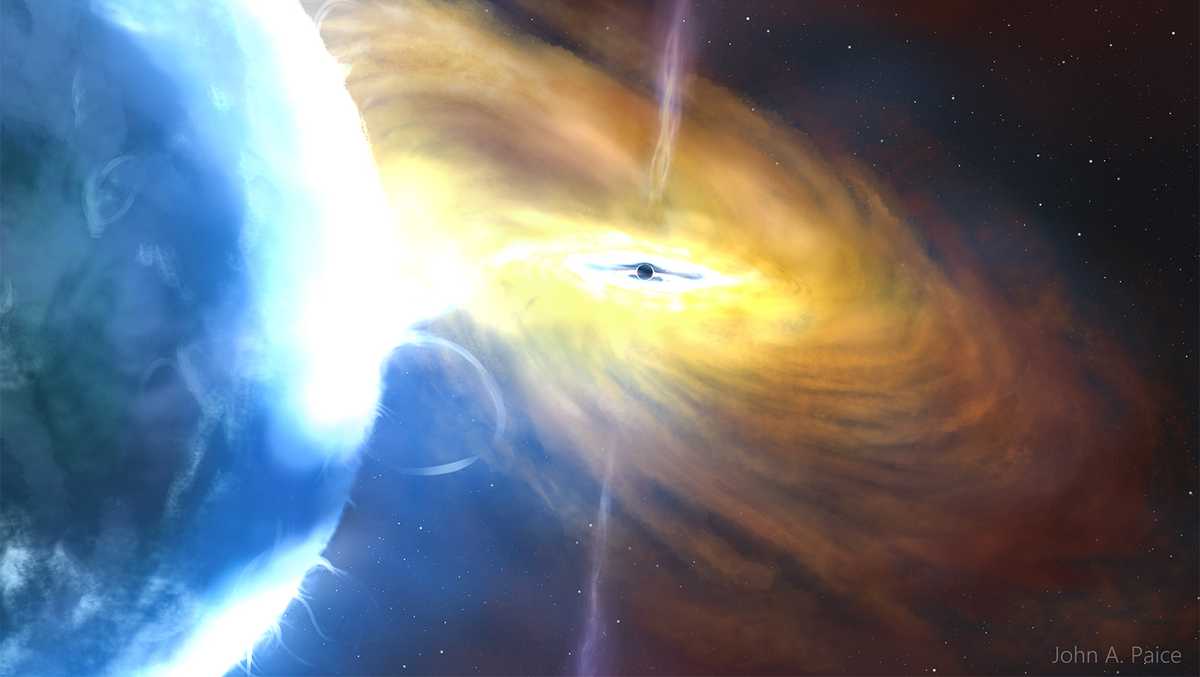
Astronomers have detected the largest cosmic explosion ever witnessed, called AT2021lwx, which is 10 times brighter than any known exploding star and has lasted for three years. The explosion occurred nearly 8 billion light-years away from Earth and is thought to have been triggered by a supermassive black hole disrupting a vast gas or dust cloud. The event dethrones gamma-ray burst GRB 221009A as the brightest recorded cosmic explosion. The research team wants to collect more data across different wavelengths of light to learn about the details of the event, including its temperature.

Astronomers witness largest cosmic explosion in history of universe.
astronomy2 years ago

Astronomers witness largest cosmic explosion in history of universe.

Astronomers have detected the largest cosmic explosion ever witnessed, called AT2021lwx, which is 10 times brighter than any known exploding star and has lasted for three years. The explosion occurred nearly 8 billion light-years away from Earth and is thought to have been triggered by a supermassive black hole disrupting a vast gas or dust cloud. The event dethrones gamma-ray burst GRB 221009A as the brightest recorded cosmic explosion. The research team wants to collect more data across different wavelengths of light to learn about the details of the event, including its temperature.