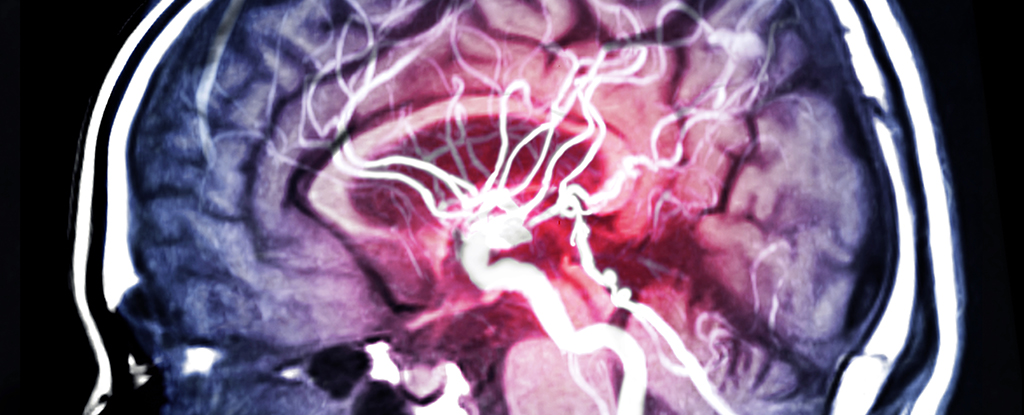
Researchers have developed a noninvasive nasal drop treatment using nanotechnology to target glioblastoma, an aggressive brain cancer, showing promising results in mice and potentially offering a safer, more effective therapy in the future.
Scientists have developed nasal drops containing the complement peptide C3a, which can help mice recover from the damaging biological consequences of a stroke. The treatment is initiated seven days after the stroke, making it possible for those who are unable to be assisted immediately after a stroke to still be protected against the worst effects of the condition. The C3a peptide helps to increase the number of connections between nerve cells in the brain, which can improve motor function. Clinical trials are needed to determine if the treatment is viable in humans.