Tag

Nanospheres

All articles tagged with #nanospheres

science2 years ago

Unraveling the Enigma of Antarctica's "Blood Falls": The Long-Awaited Revelation

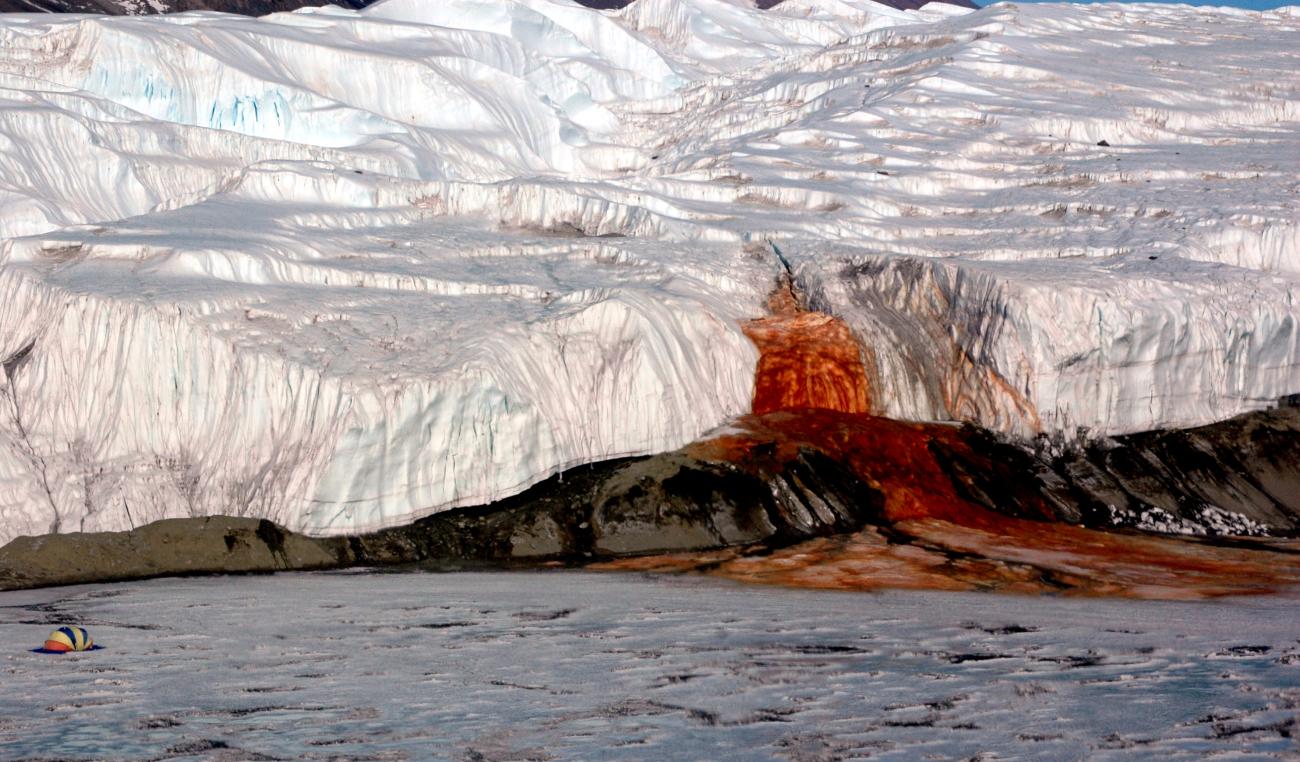
Scientists believe they have finally solved the century-old mystery of Antarctica's "Blood Falls." The red coloration of the meltwater flowing from beneath Taylor Glacier is caused by tiny non-crystalline nanospheres rich in iron, silica, calcium, aluminum, and sodium. These nanospheres, which are not technically minerals, have eluded previous analytical methods. The discovery has implications for astrobiology and the study of life in inhospitable environments. Researchers have also found living organisms in the lake beneath the glacier, including a salt-water-loving bacteria.

science-and-technology2 years ago

Unraveling the Enigma of Antarctica's 'Blood Falls'

Scientists have finally solved the mystery of Antarctica's "Blood Falls," a waterfall that appears to be blood-red. Using powerful transmission electron microscopes, researchers discovered an abundance of tiny iron-rich nanospheres in the water, which oxidize and give it a gory appearance. These nanospheres went undetected in previous studies because they are not minerals and have unique physical and chemical characteristics. The water's red color is caused by ancient iron- and salt-rich waters under the glacier, which host bacteria that may have existed for millions of years. Understanding this environment could provide insights into the search for life on other planets. However, the study also revealed that current methods used by rovers to analyze environmental materials on planets like Mars are inadequate, highlighting the need for more advanced technology.

science2 years ago

Unraveling the Enigma of Antarctica's Blood Falls

Scientists at Johns Hopkins University have finally unraveled the mystery behind Antarctica's Blood Falls, a waterfall that appears to flow with blood. Using powerful transmission electron microscopes, researchers discovered the presence of iron-rich nanospheres in the water, which oxidize and give it a gory appearance. These nanospheres, one-hundredth the size of a human red blood cell, contain elements such as silicon, calcium, aluminum, and sodium.

science2 years ago

Scientists Uncover the Enigma Behind Antarctica's Eerie 'Blood Falls'

Researcher Ken Livi from Johns Hopkins University may have solved the mystery of Antarctica's "Blood Falls," which are known for their bright red water. Instead of minerals, Livi discovered that the water gets its color from iron-rich nanospheres filled with various elements. These nanospheres were previously unseen due to their small size and because previous research focused on minerals. Livi believes that the nanospheres could be from ancient times, as they exist in waters that have been host to microorganisms for potentially millions of years. This discovery not only solves the mystery of the Blood Falls but also provides insights for identifying similar elements on other planets.

science2 years ago

Mysterious Red Fluid Flows from Melting Glacier, Puzzling Scientists

Scientists have discovered mysterious nanospheres in the blood-red liquid seeping out of a glacier in Antarctica, challenging the prevailing theory that the color was caused by an abundance of minerals. The nanospheres, which are 100 times smaller than red blood cells, contain various elements and could provide insights into microorganisms and bacteria that have lived beneath the glacier for potentially millions of years. The findings also suggest that if similar nanospheres were found on another planet, they could indicate signs of ancient life, although the challenge lies in the lack of a practical way to bring a transmission electron microscope to Mars.

science2 years ago

"Unexplained Phenomenon: Glaciers Found Oozing Mysterious Red Fluid"

Scientists have discovered mysterious nanospheres in the blood-red liquid seeping out of a glacier in Antarctica, challenging the prevailing theory that the color was caused by an abundance of minerals. These nanospheres, which are 100 times smaller than red blood cells, contain various elements and could have implications for the search for alien life on other planets. The discovery raises questions about the microorganisms and bacteria that have potentially lived for millions of years beneath the glacier's saline waters. However, the challenge remains as there is currently no practical way to bring a transmission electron microscope to Mars to analyze similar nanospheres that could indicate signs of ancient life.

science2 years ago

Unveiling the Truth: The Mystery of Antarctica's Blood Falls Revealed

Researchers at Johns Hopkins University have finally solved the century-old mystery of Blood Falls, a waterfall in Antarctica that appears to be blood-red. Using powerful transmission electron microscopes, they discovered an abundance of tiny, iron-rich nanospheres in the water that oxidize and give it a gory appearance. These nanospheres went undetected previously because they are not minerals and do not have a crystalline structure. The researchers also found that the water contains ancient microorganisms that have been existing for potentially millions of years. Understanding this unique environment could provide insights into the search for life on other planets. However, the study also revealed that current methods used by rover vehicles to analyze environmental materials on planets like Mars are inadequate, as they cannot detect nanosized and non-crystalline materials.