

Tag

Nanopillars

All articles tagged with #nanopillars

science-and-technology2 years ago

"Cicada Wings: The Secret Weapon Against Superbugs Revealed"

Researchers have used simulations to study the antibacterial properties of cicada wings, specifically focusing on the functions of nanopillars on their surface. The study found that surfaces with super-small nanopillars were effective at killing and removing bacteria, leaving no accumulated dead bacteria or debris. High-resolution molecular dynamics simulations revealed that the lipid outer shell of bacteria strongly interacts with the nanopillars, leading to membrane rupture and detachment from the pillars. Adding a thin layer of titanium oxide further enhanced the bacteria-killing properties. The findings could help develop more effective antibacterial coatings for medical devices.
energy2 years ago

Innovative Technologies Generate Electricity from Waste Heat, Air, and Plants.

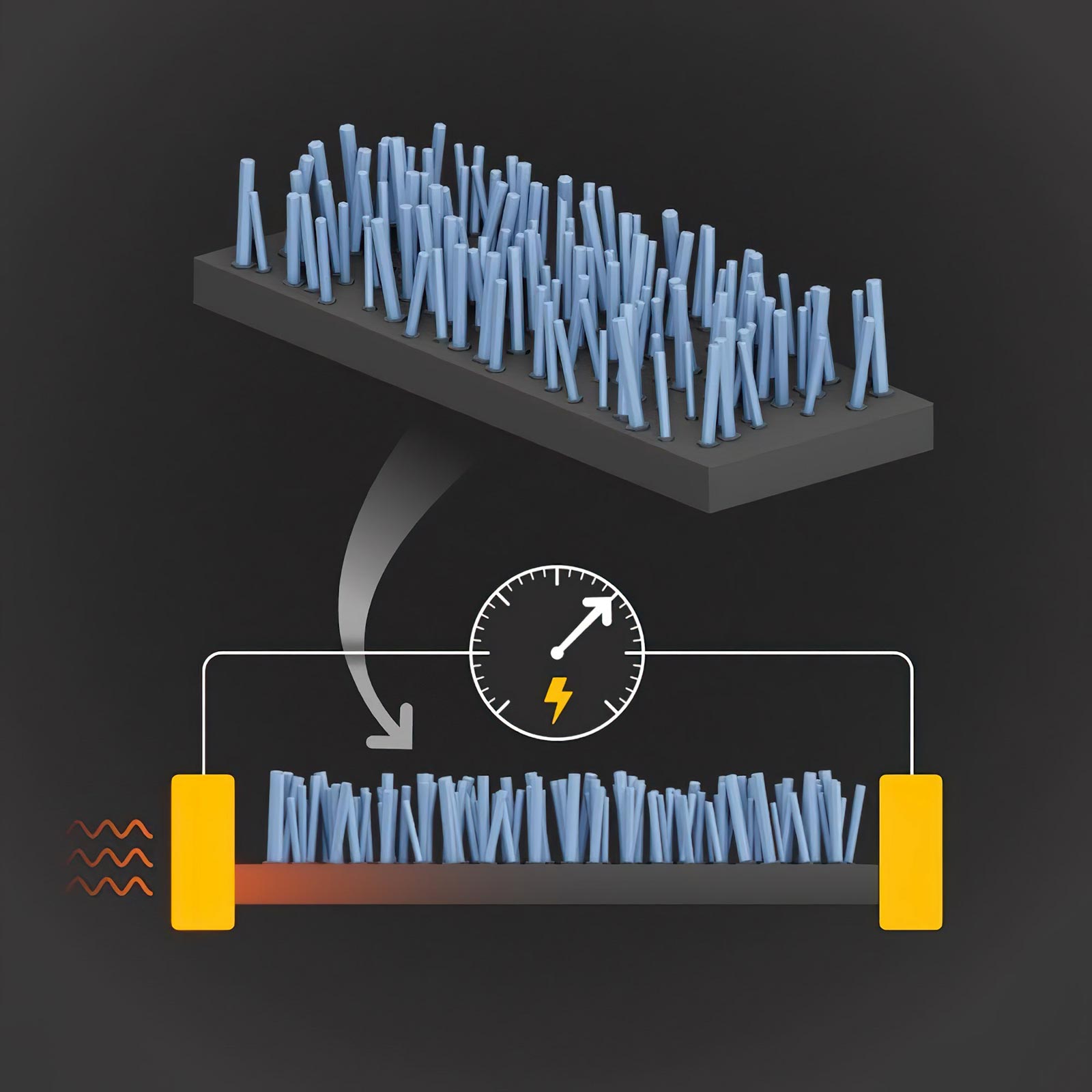
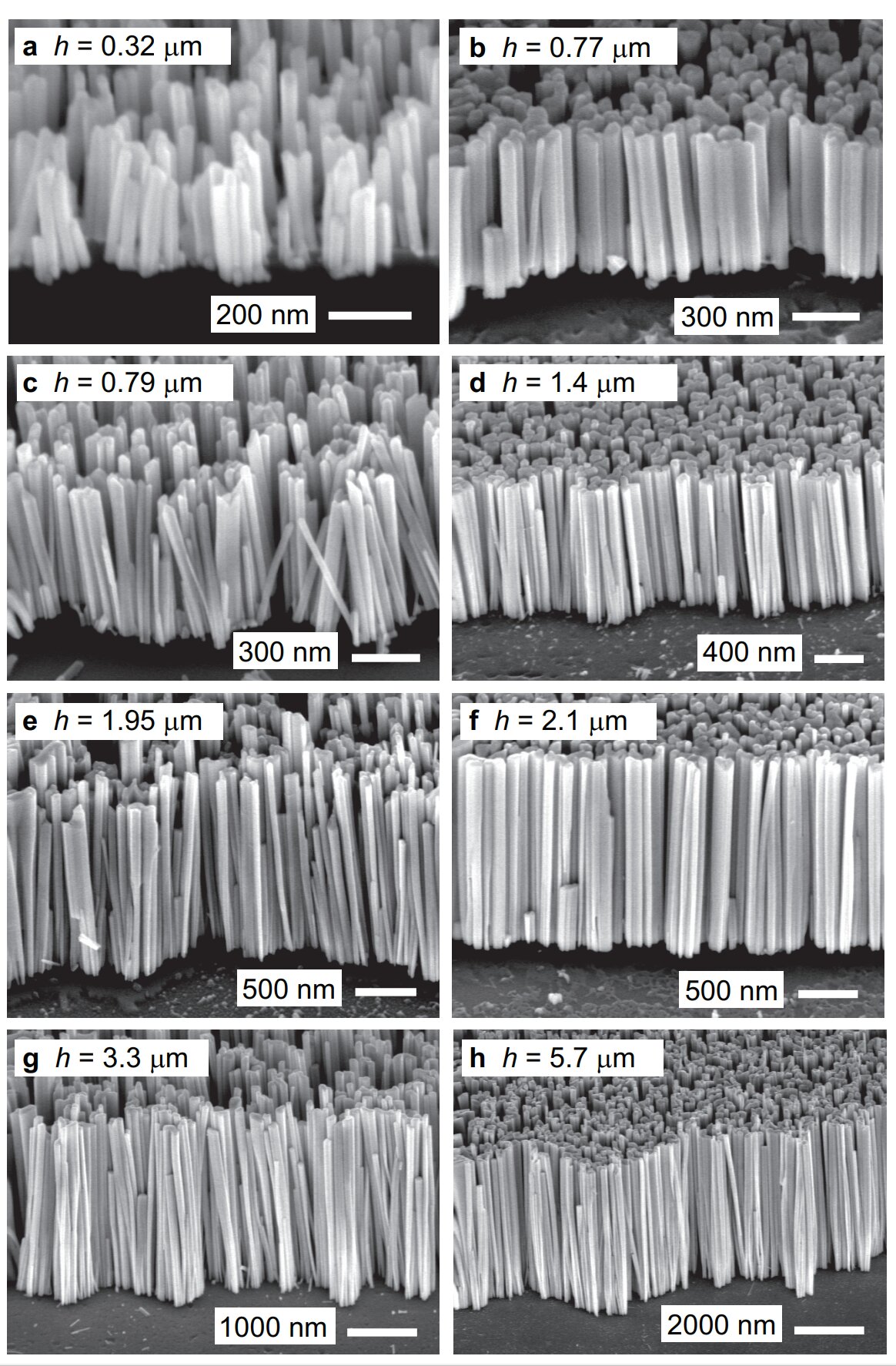
Researchers at the National Institute of Standards and Technology (NIST) and the University of Colorado Boulder have developed a new device using gallium nitride nanopillars on silicon that significantly improves the conversion of heat into electricity. By growing nanopillars above a silicon membrane, NIST scientists and their colleagues have reduced heat conduction by 21% without reducing electrical conductivity, a result that could dramatically boost the conversion of heat energy into electrical energy. The silicon sheets could be wrapped around steam or exhaust pipes to convert heat emissions into electricity that could power nearby devices or be delivered to a power grid.

science-and-technology2 years ago

Innovative Method Converts Heat into Electricity.

Researchers at the National Institute of Standards and Technology (NIST) have developed a new fabrication technique that involves depositing microscopic columns of gallium nitride atop a silicon wafer to boost the conversion of heat into electricity. The interaction between the pillars and the silicon sheet slows the transport of heat in the silicon, enabling more of the heat to convert to electric current. The silicon sheets could be wrapped around steam or exhaust pipes to convert heat emissions into electricity that could power nearby devices or be delivered to a power grid.