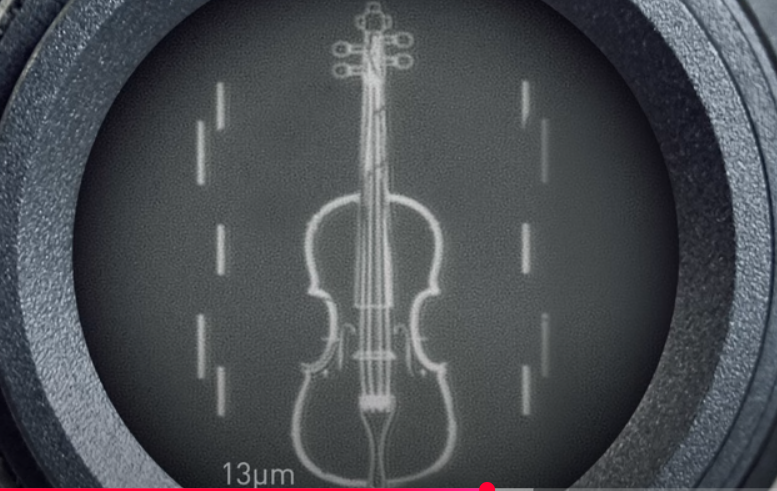
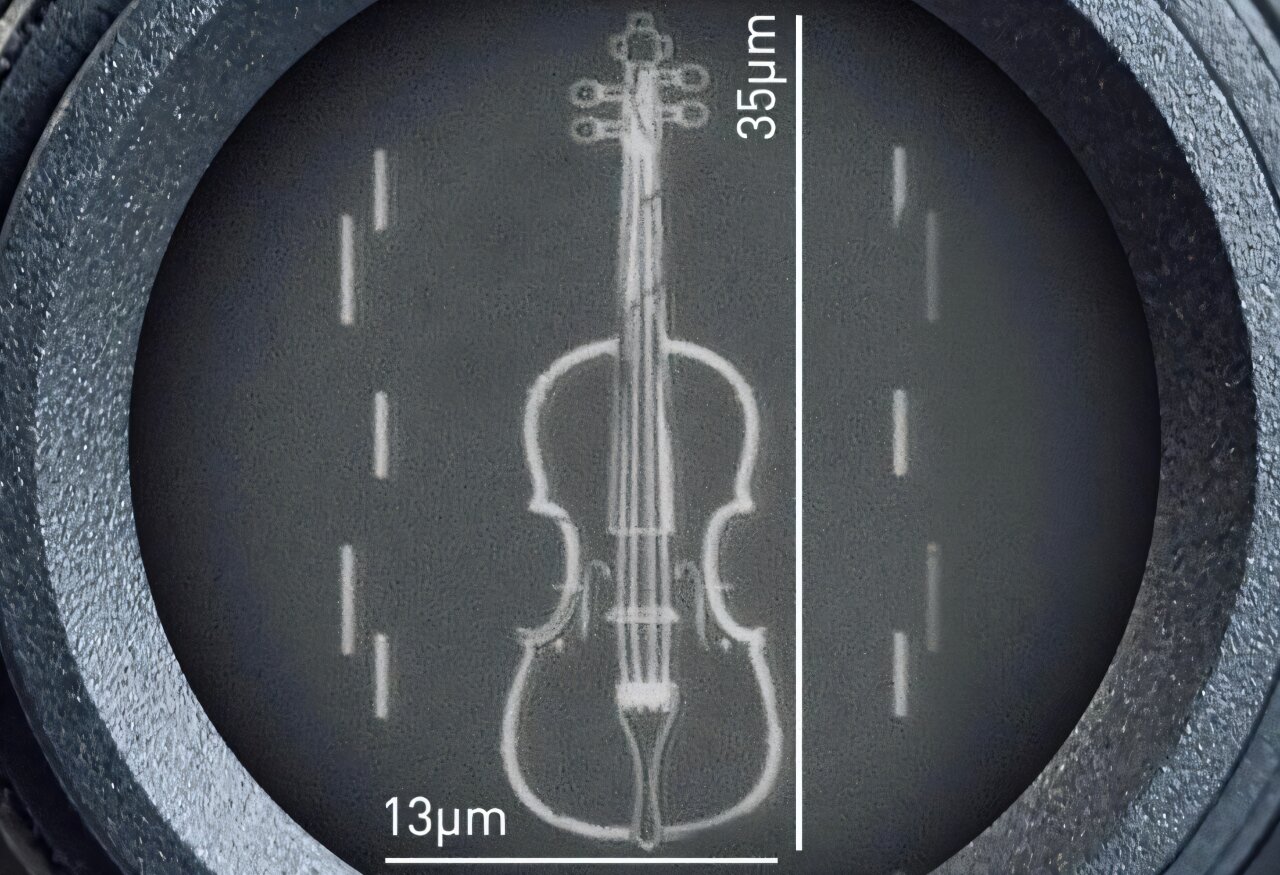
Scientists at Loughborough University have created the world's smallest violin, measuring just 35 by 13 microns, as a demonstration of their nanolithography capabilities, which could pave the way for advancements in computing and energy harvesting, though the violin is not playable.
Loughborough University physicists have used advanced nanolithography to create what may be the world's smallest violin, measuring just 35 by 13 microns, as a demonstration of their new nanotechnology system. This tiny violin serves as a test project to explore nanoscale materials and techniques that could lead to innovations in computing and energy storage. The project also highlights the playful cultural reference to the phrase 'the world's smallest violin.'
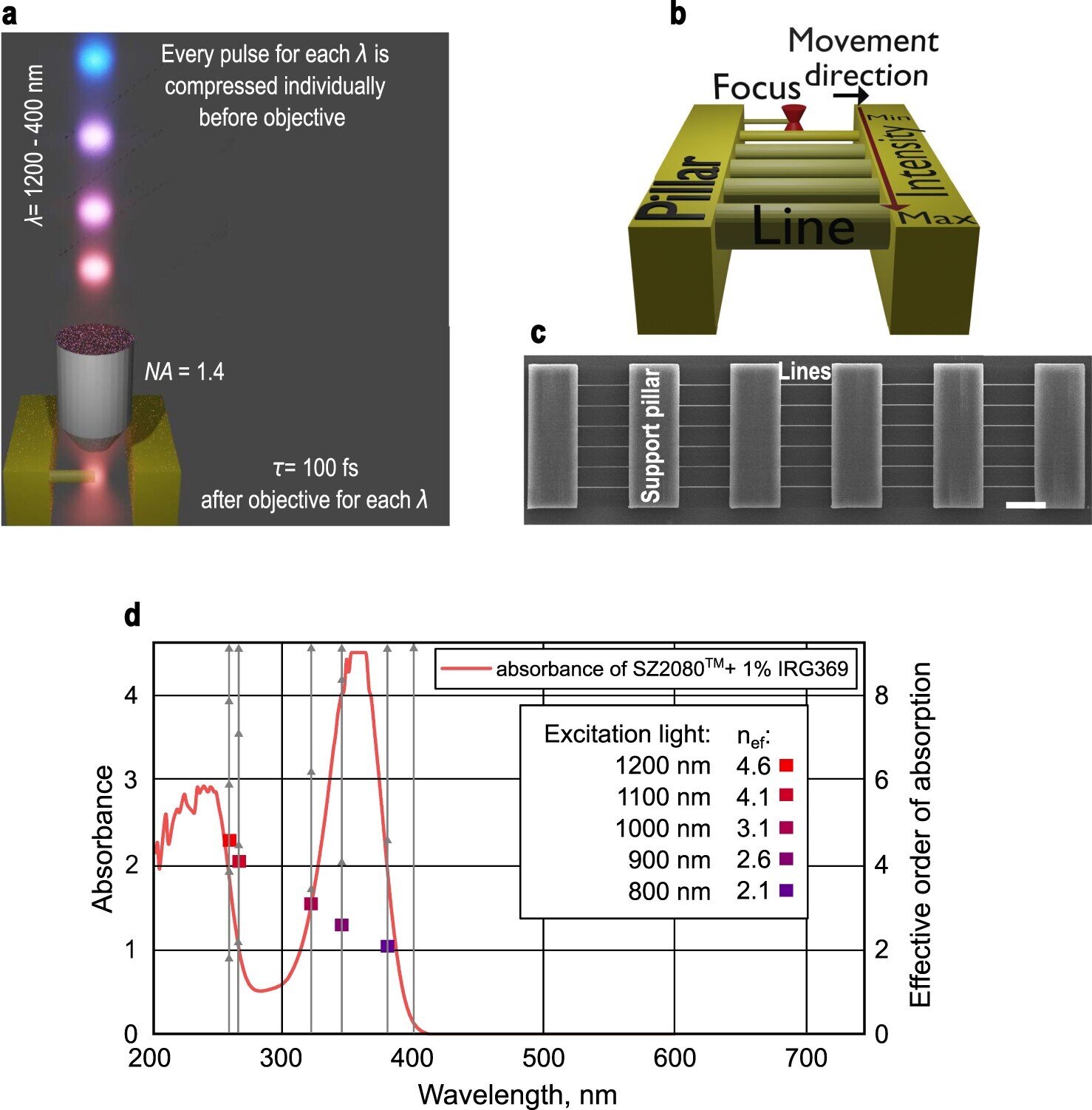
Researchers have developed a technique called X-photon 3D nanolithography, which uses ultra-short laser pulses to create complex three-dimensional structures at the micro- and nanoscale. By tuning the wavelength of the laser, the researchers were able to achieve an interplay of photophysical mechanisms that resulted in a 10-fold increase in the dynamic fabrication window. They also observed a non-trivial energy deposition by X-photon absorption, which allowed for control over the voxel aspect ratio and improved 3D nanoprinting efficiency. This technique has applications in various fields such as micro-optics, nanophotonic devices, metamaterials, integrated chips, and tissue engineering. Further investigations are needed to understand the mechanism of heat accumulation and optimize parameters for high-throughput applications.