Spotify, while popular for its extensive catalog and features, has several uncomfortable truths including the rise of AI-generated music, low artist payouts, repetitive recommendation algorithms, the fact that users only rent rather than own music, and that not all songs are available on the platform, which may influence user experience and perceptions.
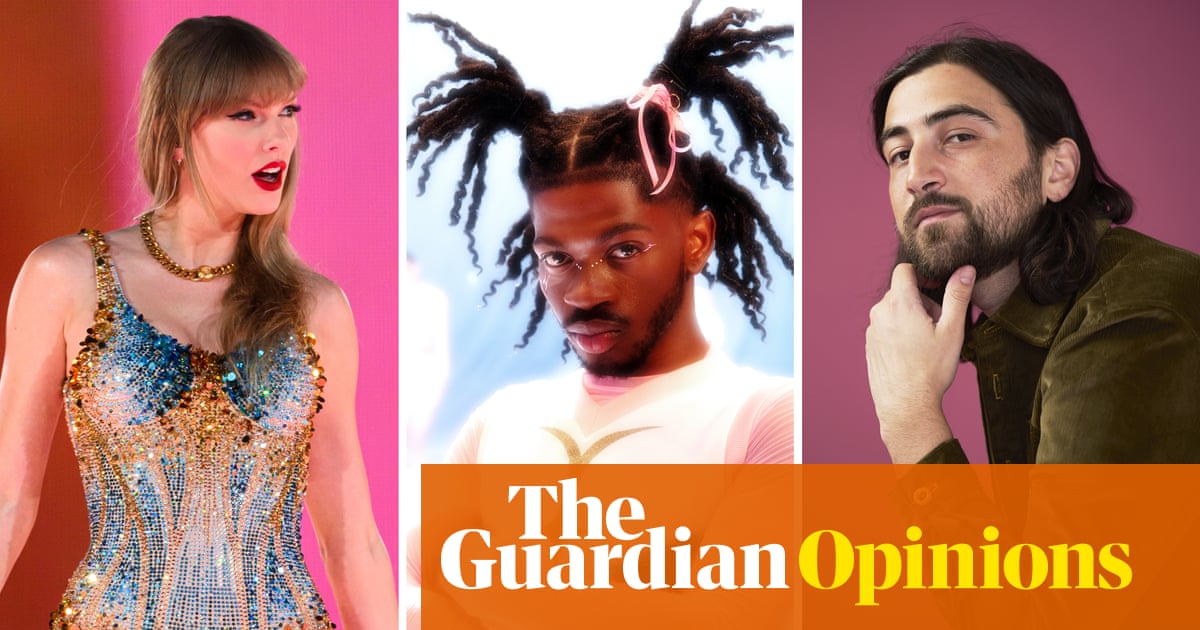
Universal Music Group's decision to pull its entire catalogue from TikTok due to low compensation rates and lack of protections for artists has sparked a major shake-up in the music industry. The move highlights the industry's over-reliance on the platform for virality and the potential negative impact on emerging artists. This decision may prompt a reevaluation of the industry's approach to promoting music and the need for fair compensation for artists.
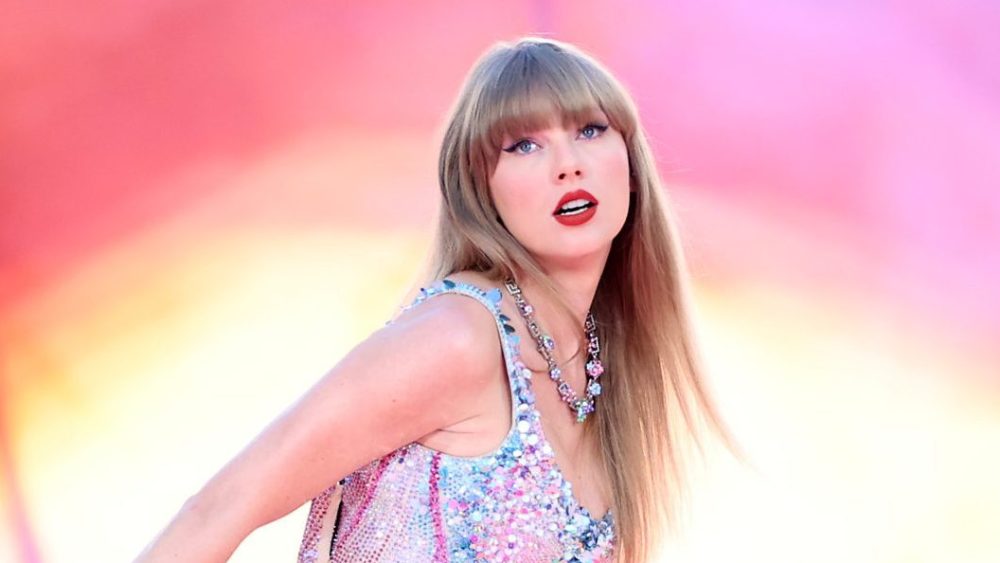
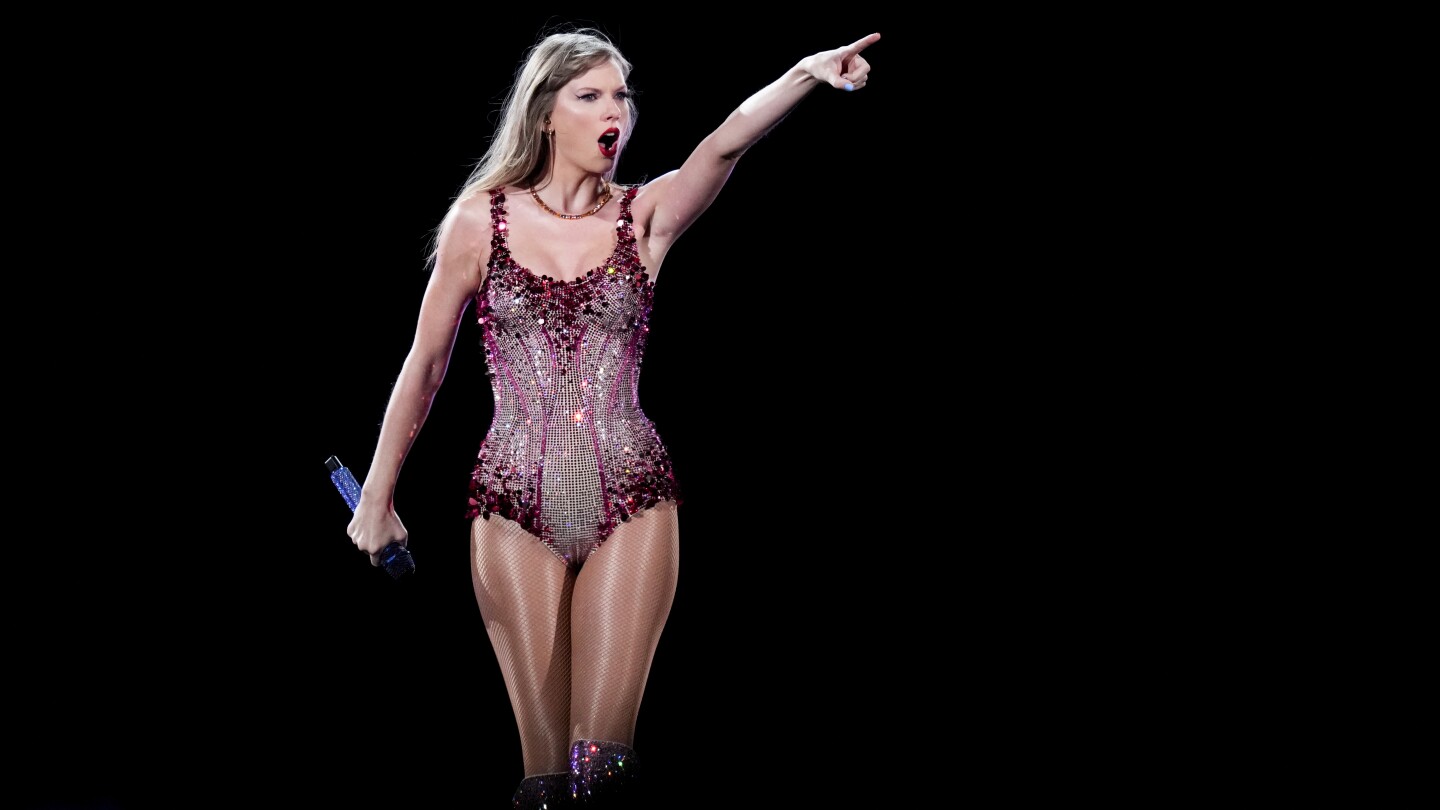
TikTok has begun removing all music from Universal Music Group, including artists like Taylor Swift and Drake, after the two companies failed to renew a licensing pact. Universal Music accused TikTok of trying to "bully" them into a deal worth less than their previous agreement, while TikTok criticized Universal's actions as not in the best interests of artists and fans. The removals currently affect recorded music licensed to UMG, and if a deal isn't reached soon, content from the Universal Music Publishing Group catalog will also be pulled. Universal Music emphasized the need for appropriate compensation for artists and songwriters, as well as addressing AI and piracy concerns, while TikTok claimed to have "artist-first" agreements with every other label and publisher.
Universal Music Group is pulling its artists' music, including Taylor Swift and Bad Bunny, from TikTok after a licensing deal expired, citing issues with artist compensation, AI music creation, and online safety. UMG claims that TikTok proposed paying artists and songwriters a fraction of the rate other platforms pay and is developing tools that could replace human artists with AI. TikTok disputes these claims, accusing UMG of prioritizing greed over artists' interests. UMG also criticizes TikTok for its handling of hate speech and harassment, calling for better safety measures.
Universal Music Group is threatening to remove its song catalog from TikTok as the companies have failed to reach an agreement on issues such as artist compensation and AI. In a scathing open letter, UMG accused TikTok of attempting to bully and intimidate them into accepting a deal worth less than fair market value. TikTok, in response, accused UMG of prioritizing greed over the interests of their artists and songwriters. The dispute also involves concerns about AI-generated music flooding the platform. If an agreement is not reached, UMG's songs will be removed from TikTok once the current deal expires.
Universal Music Group (UMG) is set to remove its entire music catalog from TikTok as its contract with the platform expires, citing concerns over artist compensation, AI-generated content diluting royalties, and inadequate measures to combat infringement and hate speech. UMG accuses TikTok of attempting to bully them into accepting a deal undervaluing music, potentially impacting artists like Taylor Swift, Drake, BTS, and others. This move follows failed licensing negotiations, with UMG emphasizing its commitment to fair compensation and a safe, artist-respecting platform environment.
Universal Music Group has announced that it will no longer license content to TikTok due to failed negotiations over issues including artist compensation and AI. The company accused TikTok of attempting to "bully" them into a deal worth less than their previous pact and failing to address concerns about AI-generated content, copyright infringement, and online safety. Universal Music Group represents a wide range of popular artists and claims that TikTok's proposed compensation for artists and songwriters is significantly lower than that of other major social platforms.