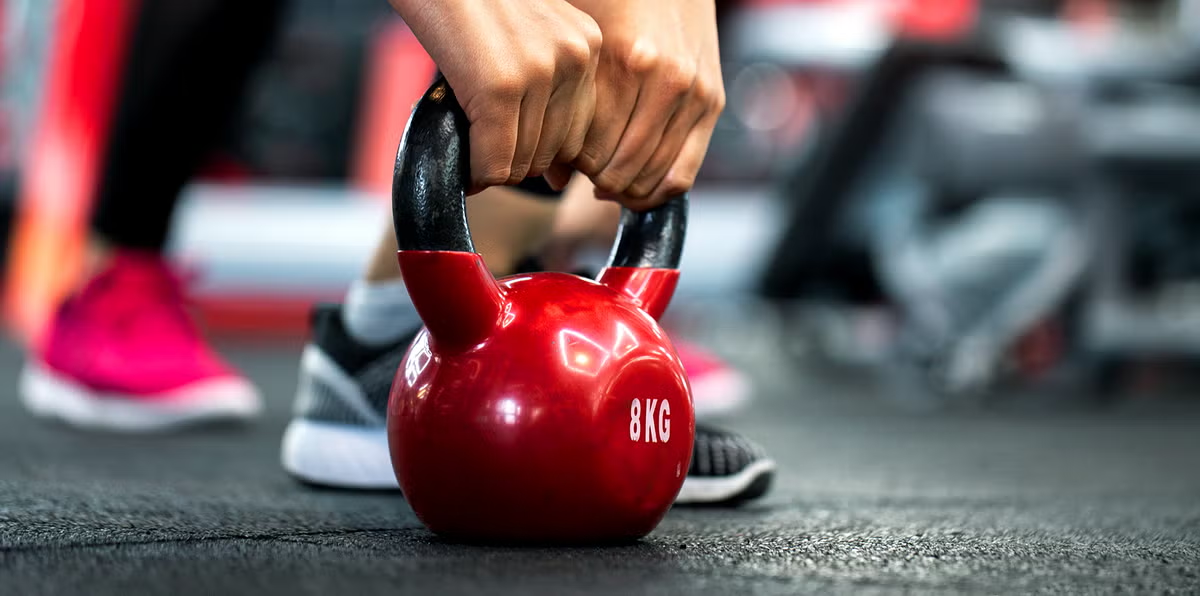
An experienced exerciser suffered rhabdomyolysis, a serious muscle breakdown condition, after a moderate kettlebell workout, highlighting the importance of listening to your body, easing into new or resumed exercises, and taking adequate rest to prevent injury.
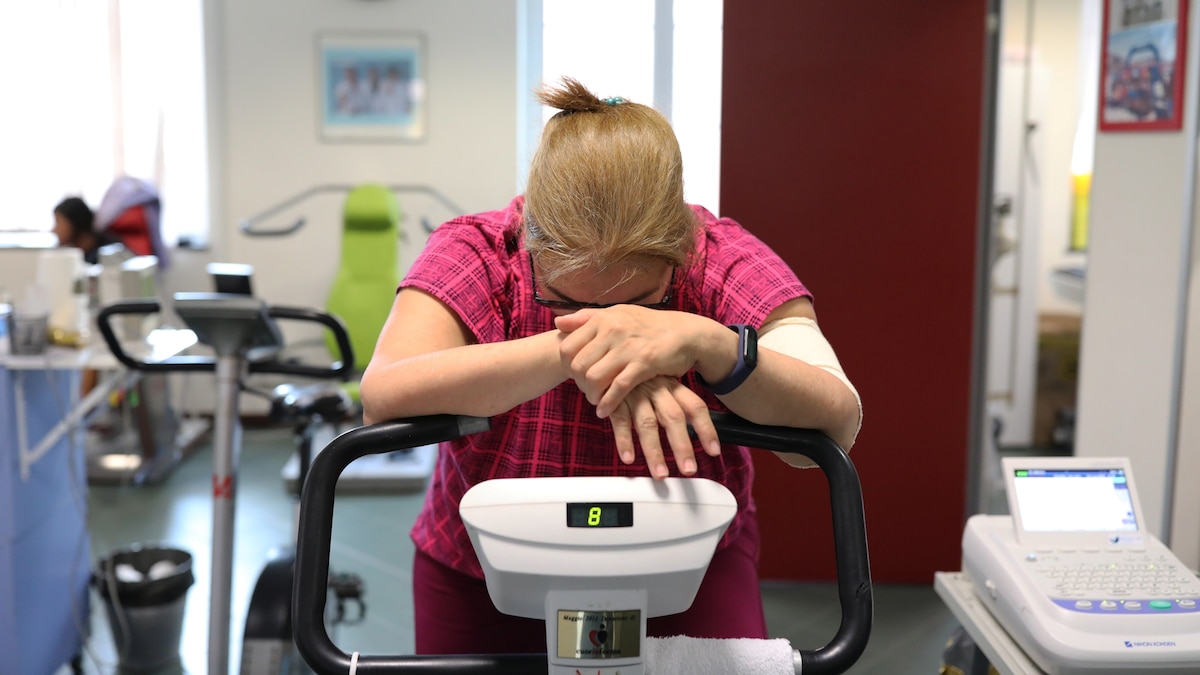
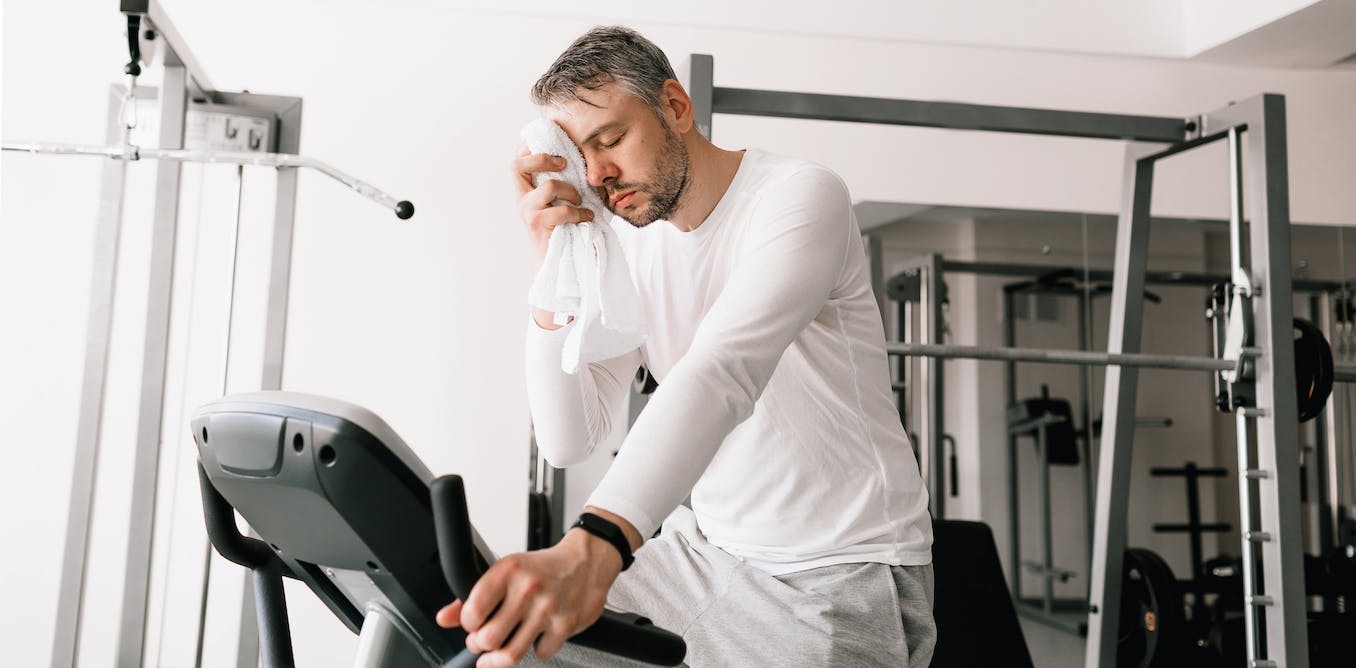
A new study published in Nature Communications explains the impact of post-exertional malaise (PEM) on long COVID patients, revealing widespread muscle damage, changes in muscle composition, and disrupted energy metabolism after exercise. Long COVID patients experience a unique phenomenon where their ability to generate energy is impaired, leading to a rapid decline in mitochondrial function and metabolism. Additionally, they exhibit changes in muscle fiber composition and an impaired ability to recover from exercise, resulting in muscle damage, scarring, inflammation, and blood clots. The study emphasizes the importance of pacing to minimize the severity and duration of post-exertional malaise for long COVID patients.
A study suggests that people with long COVID exhibit alterations in their muscle structure, with a higher proportion of fatiguable muscle fibers and dysfunctional mitochondria, leading to reduced exercise capacity and worsening symptoms after physical activity. The presence of microclots in muscles and locally activated immune cells indicates tissue damage and inflammation. Targeting mitochondria with compounds like coenzyme Q10 may improve symptoms, highlighting the need for caution in rehabilitation strategies for long COVID sufferers.