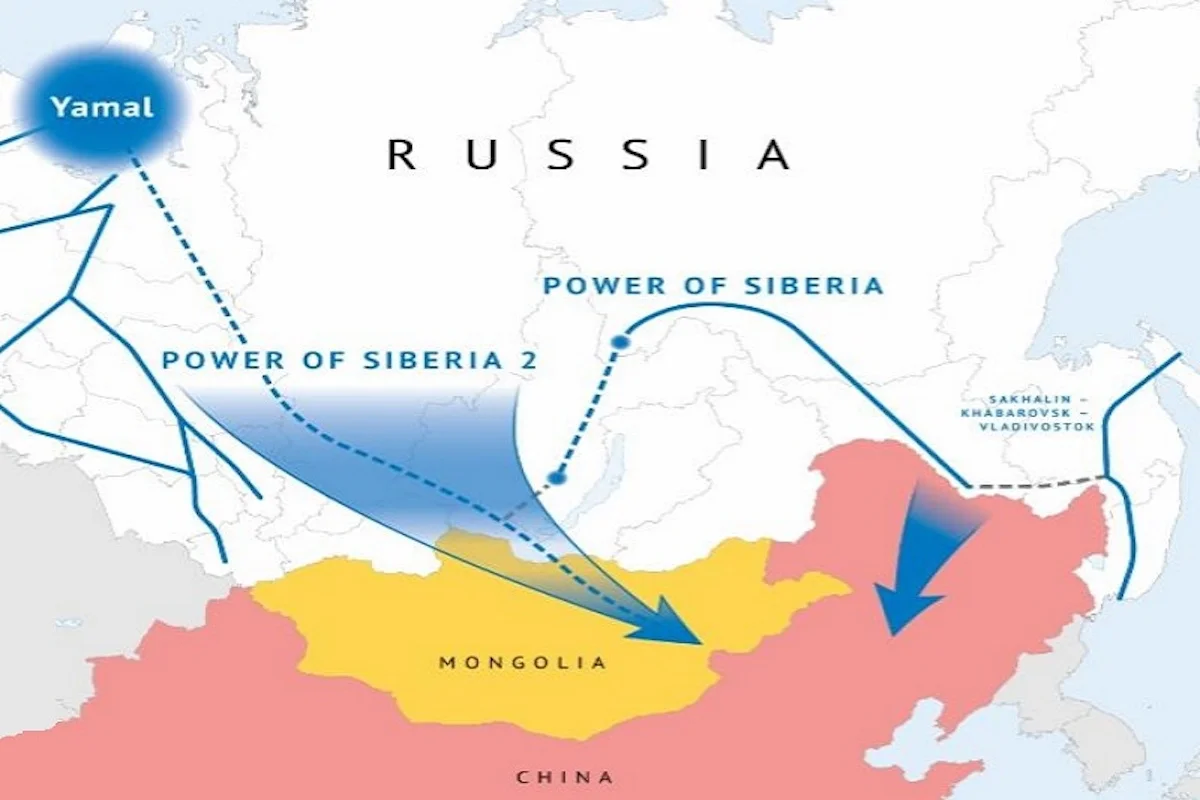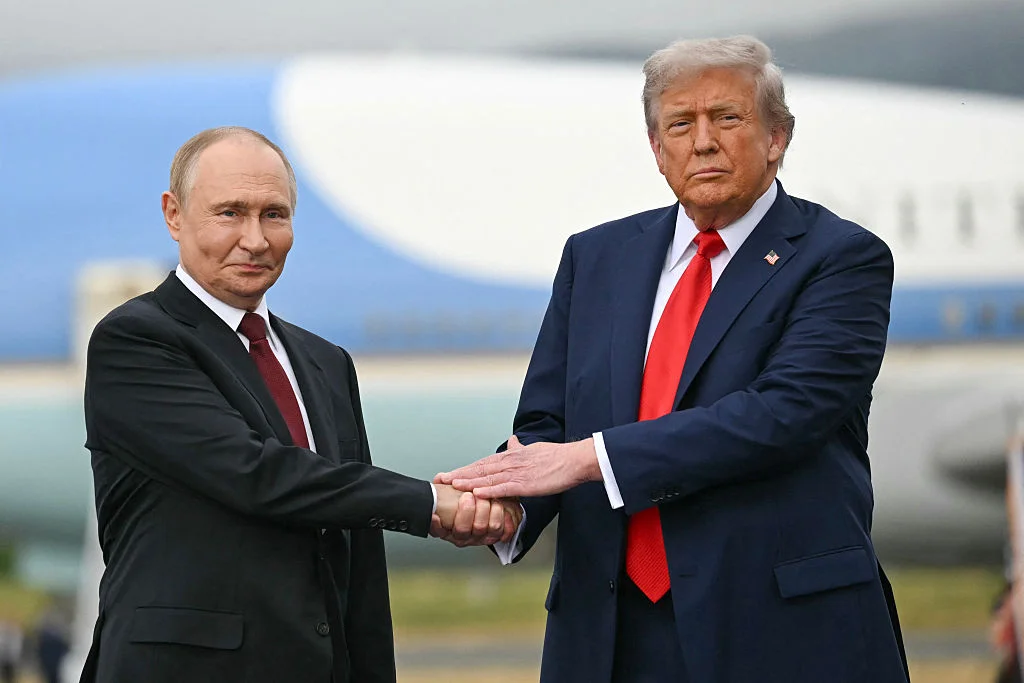
The China-Russia Power of Siberia 2 pipeline deal signifies a major failure of Trump's Eurasian strategy, as Russia pivots towards China and India, undermining US influence and accelerating global multipolarity.
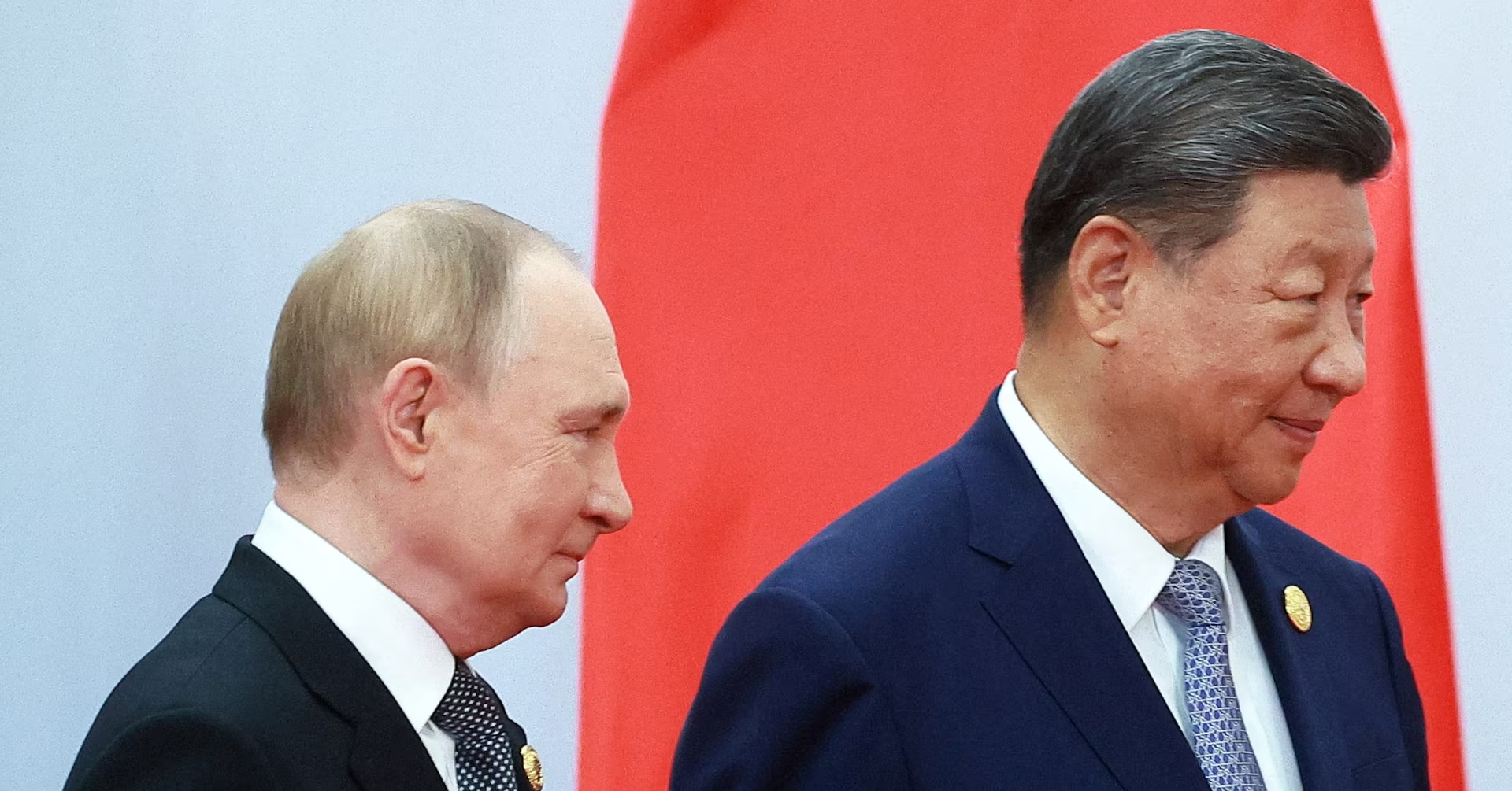
Chinese President Xi Jinping and Russian President Vladimir Putin expressed support for a new multipolar global order at the SCO summit, emphasizing cooperation among developing nations, opposing Cold War mentalities, and promoting economic and security partnerships that challenge U.S. influence.
The article argues that Donald Trump is exploiting Europe's vulnerabilities to strengthen US dominance, highlighting recent diplomatic moves that favor US interests over European sovereignty, and discusses the broader decline of US hegemony amid Europe's political and economic crises, emphasizing the complex and competitive nature of modern multipolar global power dynamics.
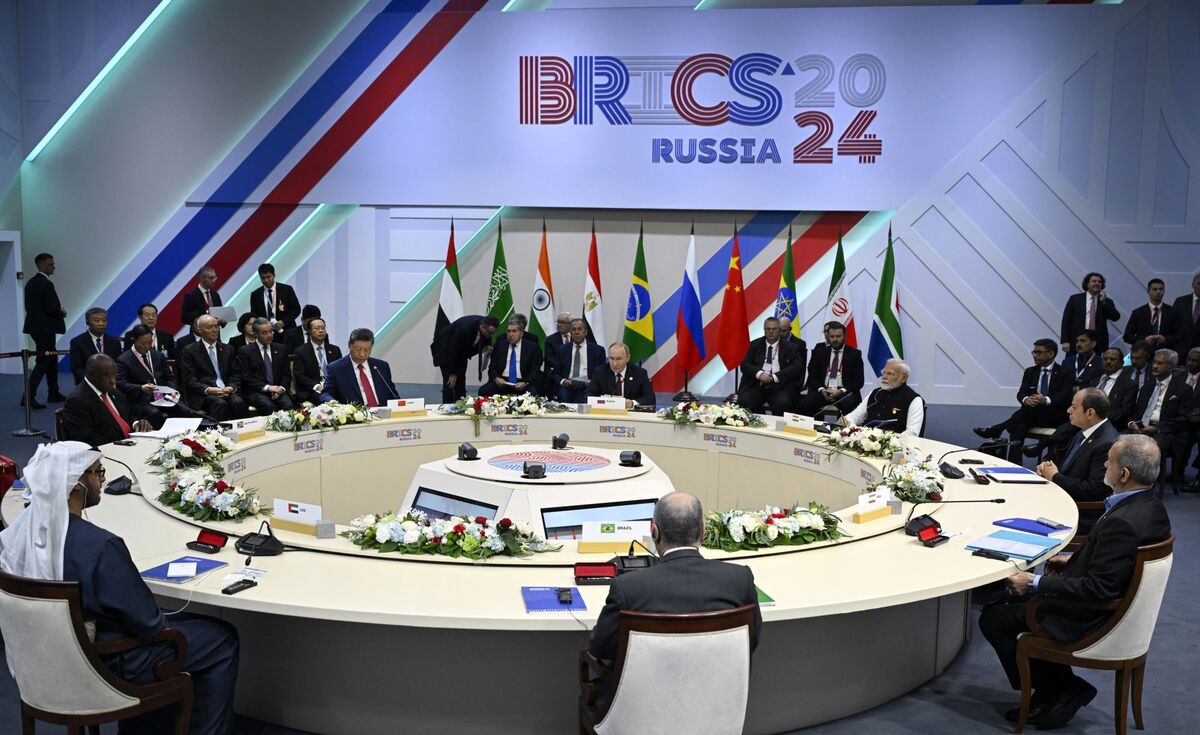
The article discusses the BRICS summit in Rio de Janeiro, highlighting its efforts to reform global governance, promote multipolarity, and challenge US economic and political dominance, which has caused concern for the US, especially regarding de-dollarization and the push for a more equitable international system.
BRICS, a coalition of Brazil, Russia, India, China, and South Africa, has expanded to include new members like Iran, UAE, Ethiopia, Egypt, and Indonesia, aiming to boost its economic influence and challenge US dominance, with initiatives like a shared reserve fund and the New Development Bank. The group promotes multipolarity and has diverse political stances, with its expansion driven mainly by China to increase global clout, though its economic impact is currently limited by geopolitical tensions and differing member trajectories.