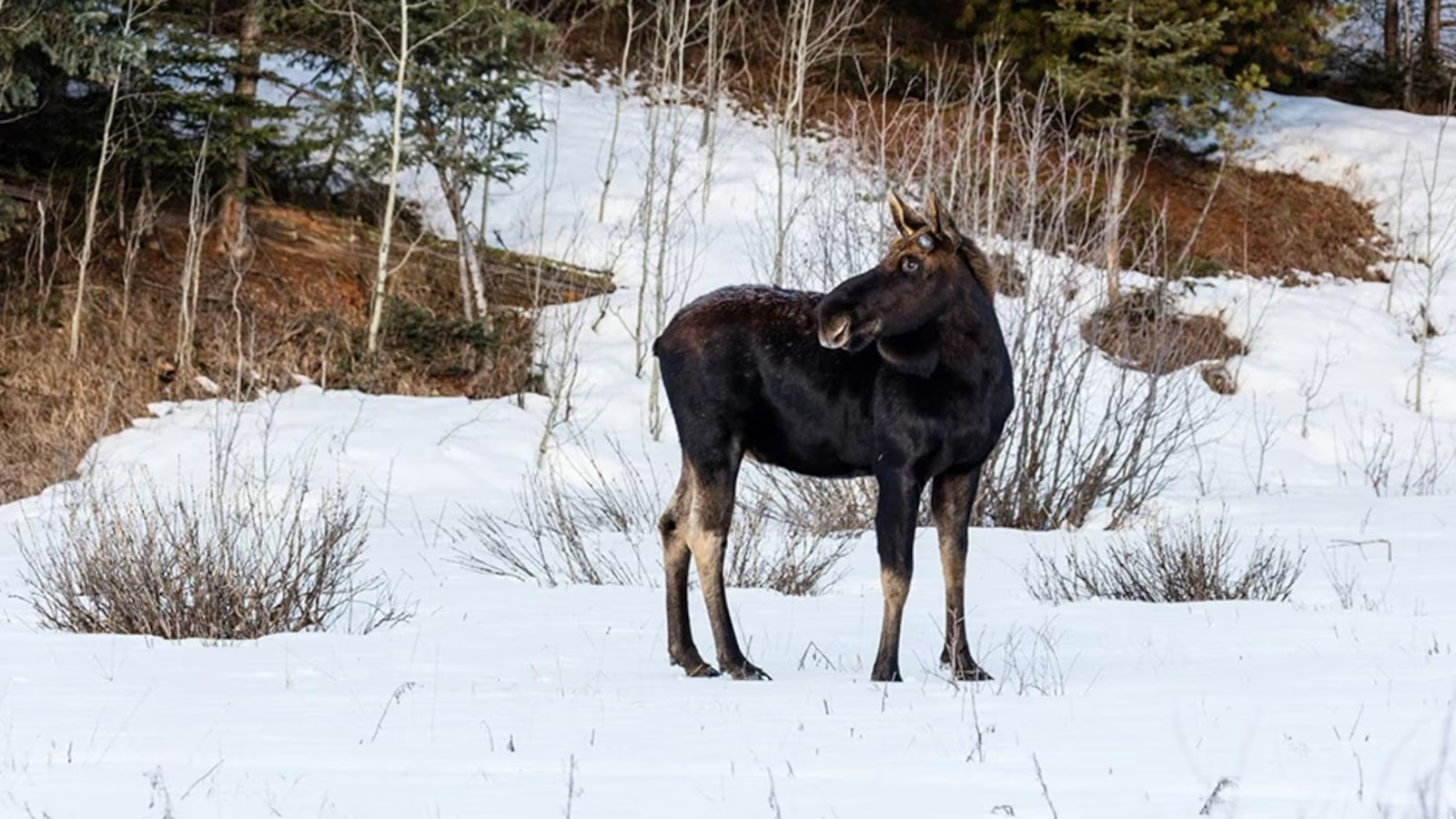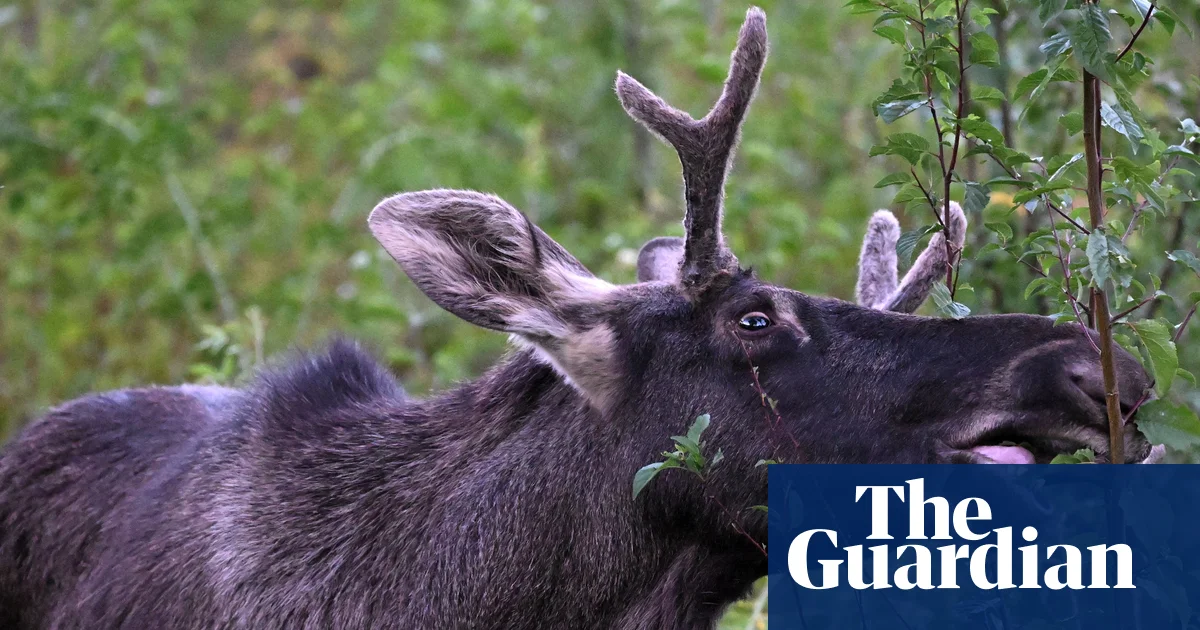
A young male moose named Emil caused chaos in Austria during the summer, attracting social media fans and media attention. Authorities safely captured, sedated, and relocated him to a Czech nature reserve to prevent accidents, with Emil now wearing a GPS tracker and enjoying his new freedom. The incident highlighted the challenges of wildlife in populated areas and the public's affection for Emil.
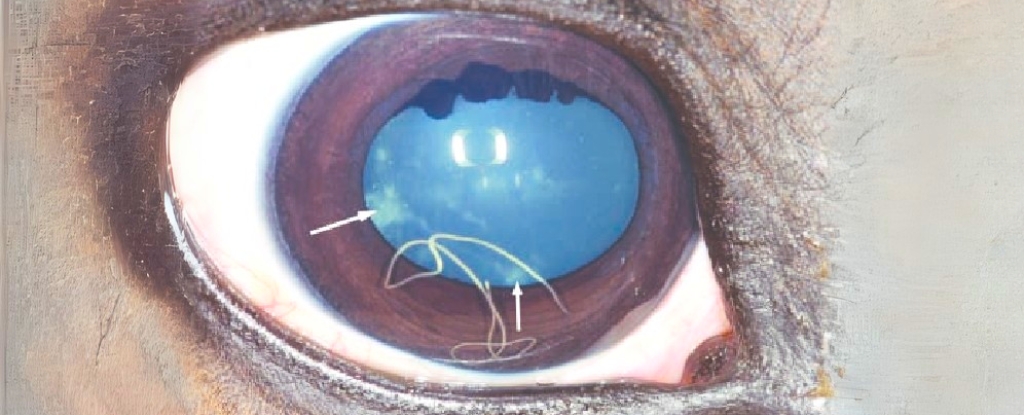
Researchers have developed a new blood test to detect the brainworm Parelaphostrongylus tenuis in live moose and other wildlife, aiding in tracking and managing the spread of this deadly parasite that affects herbivores like moose and elk across North America.
A rare moose named Emil has been wandering in Lower Austria for nearly three weeks, attracting public attention and causing disruptions like a railway closure, but authorities advise against approaching or feeding him to ensure his safety and well-being.
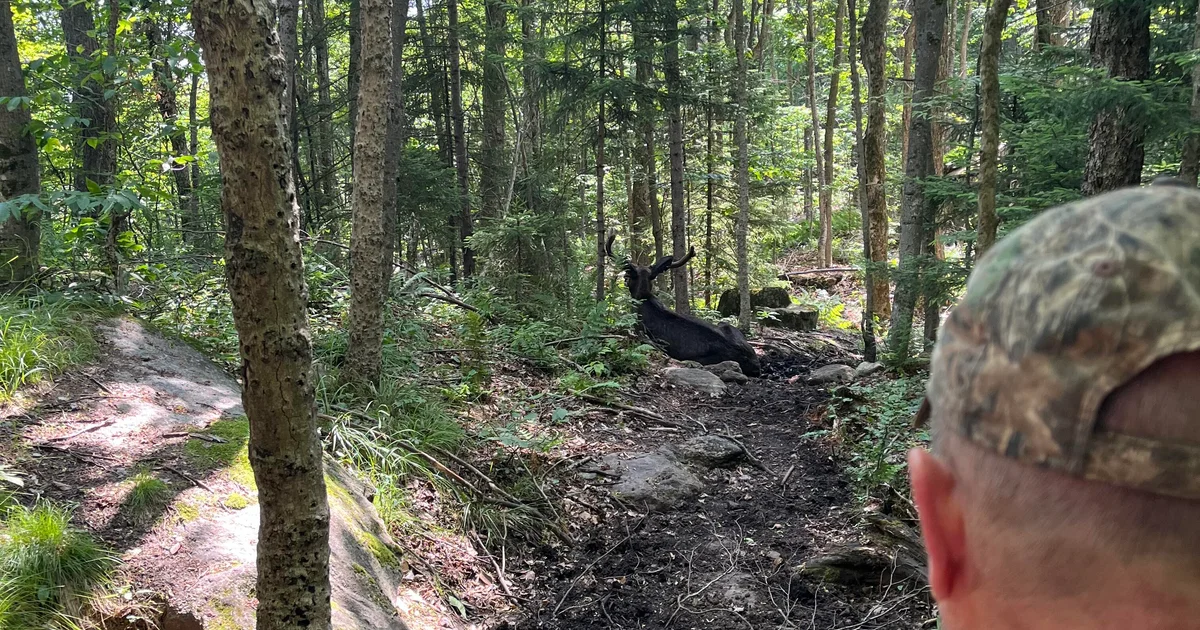
A moose that had been lingering around a New York Adirondack trail, causing its closure, was euthanized after showing signs of severe health deterioration, with authorities planning further studies to understand its decline and threats to local moose populations.
The New York State Department of Environmental Conservation has temporarily closed a hiking trail in the Adirondack Mountains due to a moose exhibiting unusual behaviors, possibly caused by illness, to protect both the animal and the public. The trail will remain closed until it is deemed safe to reopen, with officials monitoring the situation closely.
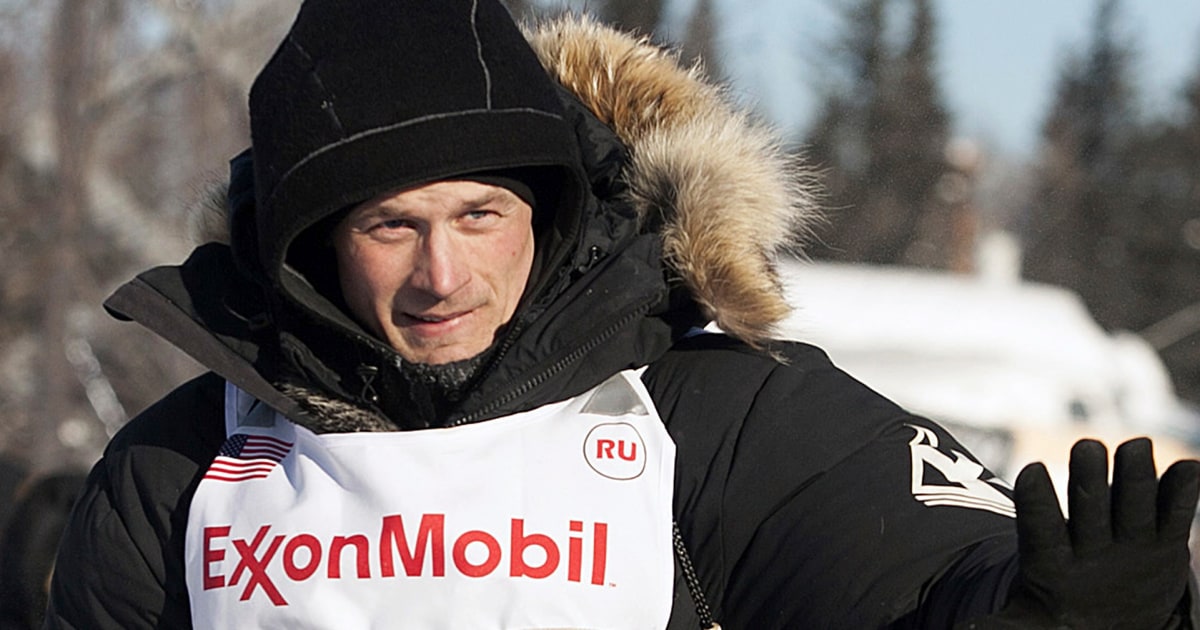
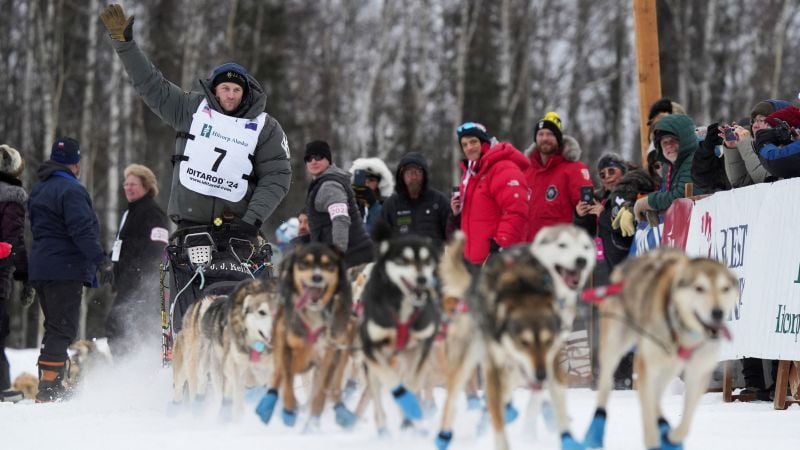
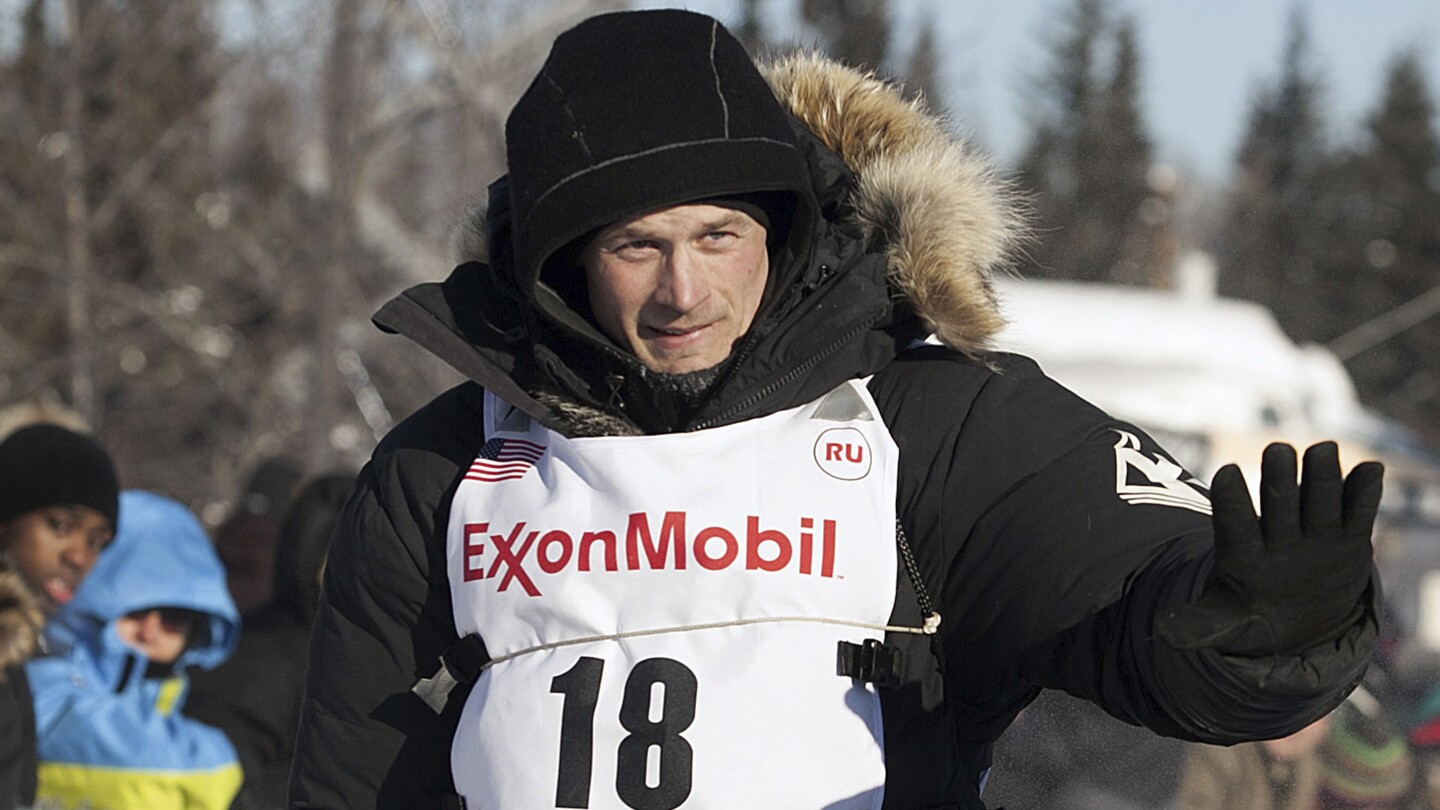
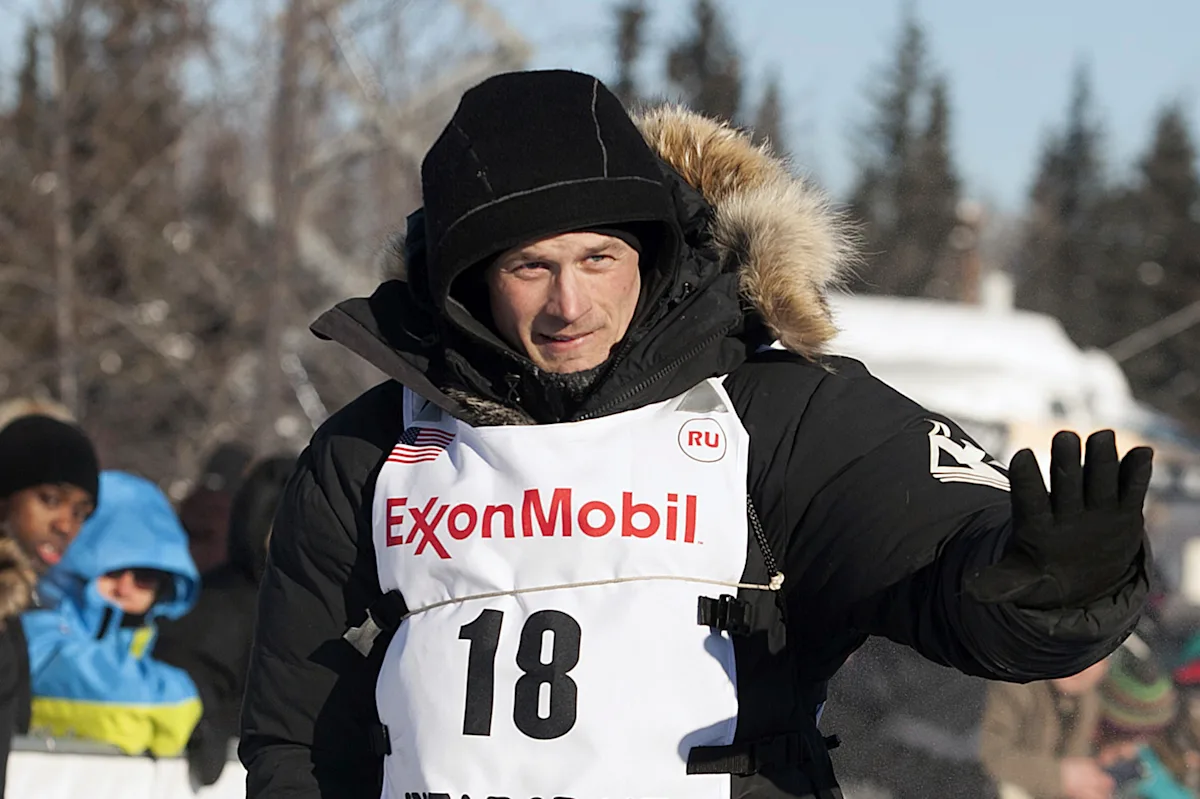
Iditarod officials imposed a two-hour time penalty on musher Dallas Seavey for not properly gutting the moose he killed during the race, following an investigation into the incident. Seavey encountered the moose shortly after leaving a checkpoint, used a handgun to shoot and kill it, and reported the kill at the next checkpoint. The panel found that the animal was not sufficiently gutted, leading to the time penalty being added to Seavey’s mandatory 24-hour layover. The moose was retrieved, and its meat salvaged and processed, with Seavey leading the race at the time of the penalty announcement.
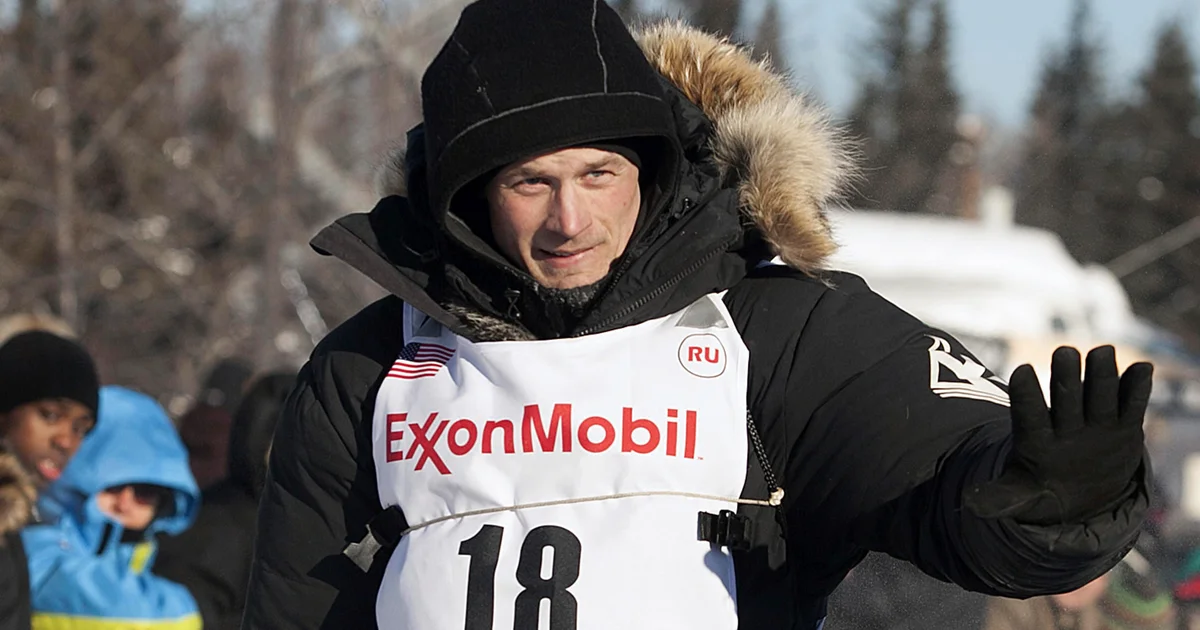
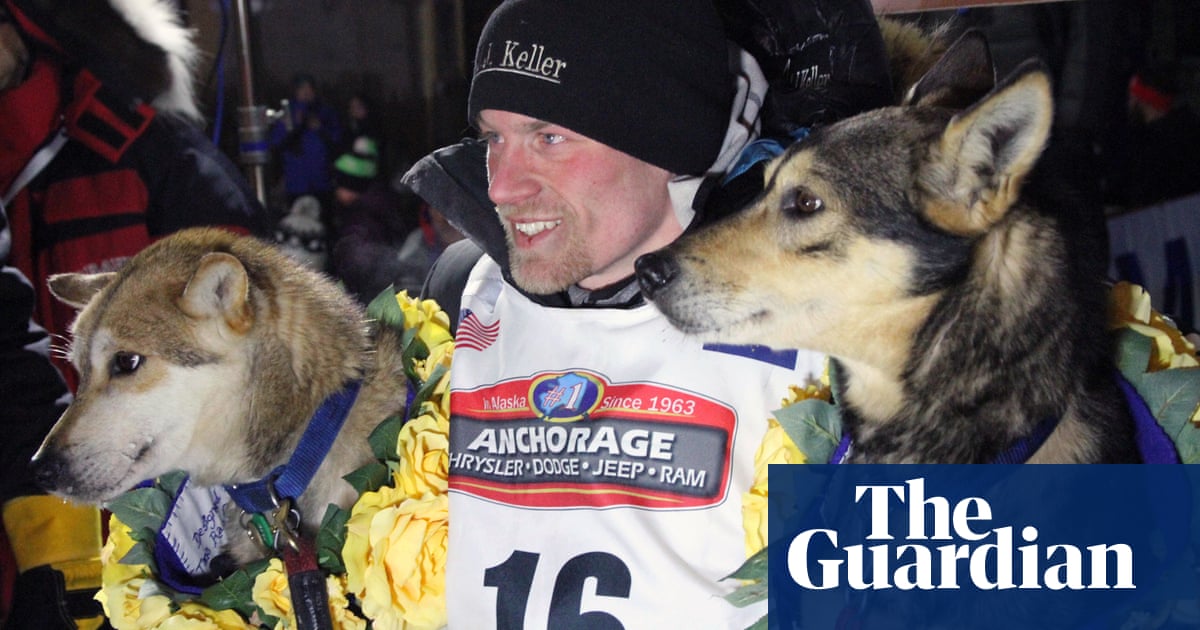
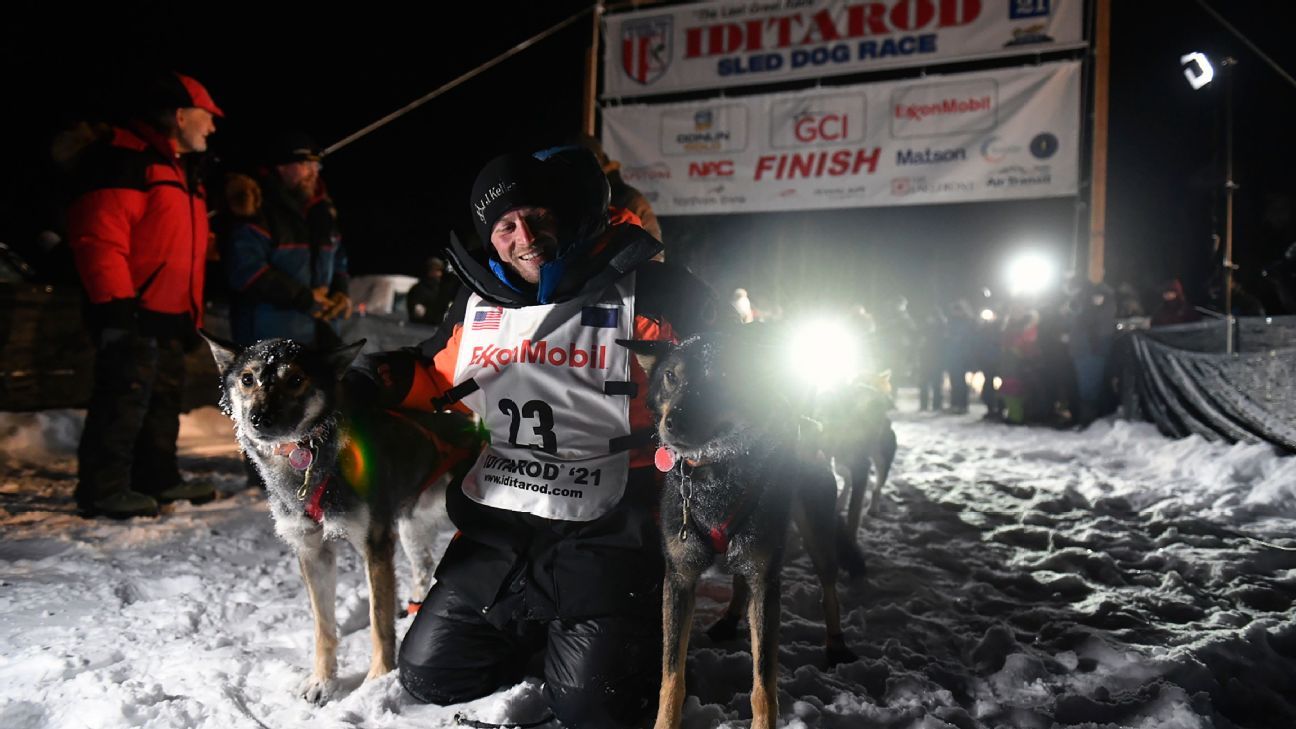
Five-time Iditarod champion Dallas Seavey has been penalized for failing to properly gut a moose he was forced to kill during the race, receiving a two-hour time penalty. The incident occurred 14 miles outside the Skwentna checkpoint, where Seavey was defending his dogs from the moose. Despite leading the race, Seavey's penalty may affect his standing in the iconic sled dog race known as "The Last Great Race on Earth."
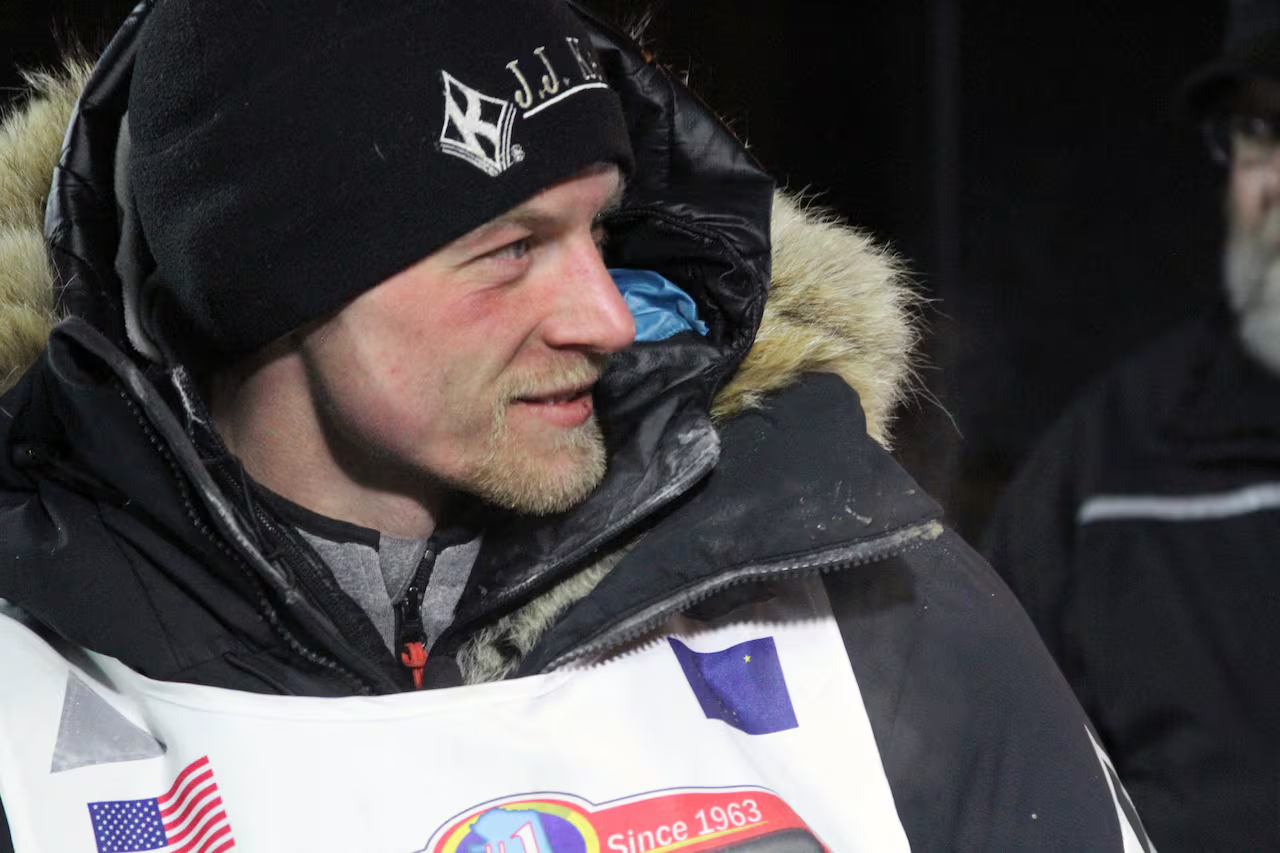
Iditarod musher Dallas Seavey was penalized with a two-hour time penalty for not sufficiently gutting a moose he killed in self-defense during the race, violating race rules. The incident occurred after the moose became entangled with his dogs, resulting in one dog being injured. Seavey, a five-time race winner, notified officials but was judged to have not properly gutted the animal. The penalty will be assessed at his next layover, and the moose was later processed and distributed. The race has faced criticism from animal rights groups, with PETA calling for Seavey's removal after he continued to the next checkpoint before his injured dog received immediate care.
Iditarod musher Dallas Seavey was penalized with a two-hour time penalty for not properly gutting a moose he killed to protect his dog team during the race, with the moose becoming tangled with the team and injuring one dog. Seavey encountered the moose shortly after leaving a checkpoint, used a handgun to shoot and kill it, but did not sufficiently gut the animal as required by race rules. The penalty will be added to his mandatory 24-hour layover, but Seavey has since continued to lead the race, reaching the halfway point and winning an award. This incident is not the first time a musher has had to kill a moose during the Iditarod race.
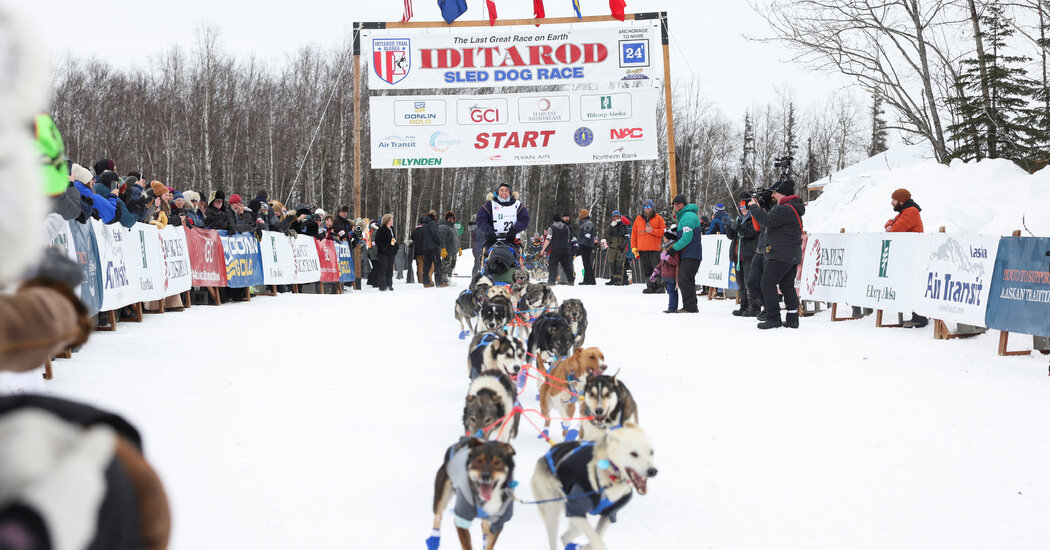
Iditarod musher Dallas Seavey was penalized with a two-hour time penalty for failing to properly gut a moose he killed during the race, as required by race rules. The moose had become entangled with Seavey and his dog team, resulting in one dog being injured. Seavey encountered the moose shortly after leaving a checkpoint, shot and killed it, but did not sufficiently gut it. The penalty will be added to his mandatory 24-hour layover. The race, which has 38 mushers, covers about 1,000 miles and is currently ongoing.
Iditarod musher Dallas Seavey received a two-hour time penalty for not properly gutting a moose he killed during the race, as required by race rules. The moose became entangled with Seavey and his dog team, resulting in one injured dog. Seavey encountered the moose shortly after leaving a checkpoint, shot and killed it, but did not sufficiently gut it before reporting the kill at the next checkpoint. The penalty will be added to his mandatory 24-hour layover, and the moose's meat was salvaged and distributed. Seavey was leading the race at the time of the penalty.
Iditarod officials imposed a two-hour time penalty on musher Dallas Seavey for not properly gutting a moose he killed during the race, as required by race rules. Seavey encountered the moose shortly after leaving a checkpoint, used a handgun to shoot and kill it, and spent about 10 minutes at the kill site before mushing his team further. The penalty will be added to his mandatory 24-hour layover, and the moose's meat was salvaged and distributed. Seavey was leading the race at the time of the penalty.
Iditarod musher Dallas Seavey was issued a two-hour time penalty for not properly gutting a moose he killed in defense of his dog team during the race, violating race rules. The moose encounter occurred about 12 hours after the race officially started, resulting in an injured dog. Seavey, a five-time Iditarod champion, encountered the moose shortly after leaving a checkpoint and used a handgun to shoot and kill it. The penalty will be added to his mandatory 24-hour layover, and the moose's meat was salvaged and distributed by Iditarod associates.
During the Iditarod dog-sledding race in Alaska, musher Dallas Seavey shot and killed a moose in self-defense after it became entangled with his dogs, shedding light on the risks of moose encounters during the race. Wildlife experts attribute moose aggression to food shortages and large snowfall, causing them to seek easier paths, while mushers believe moose may mistake their dogs for wolves. Moose attacks pose a serious threat to sled dogs, and race rules allow mushers to kill large game animals in defense of life or property, with the meat salvaged for charity. Despite the necessity of self-defense, the incident has sparked controversy and raised concerns about the ethical treatment of moose during the race.
Five-time Iditarod winner Dallas Seavey shot and killed a moose to protect himself and his dogs during the sled dog race in Alaska, nearly 100 miles from the race's start. He had to gut the moose to comply with the race's rules, and one of his dogs was injured in the encounter and flown to Anchorage for evaluation. Race officials are gathering information about the incident and ensuring that every attempt is made to utilize and salvage the moose meat, in accordance with the race's rules.