Tag

Moon Sniper

All articles tagged with #moon sniper

"Japan's Moon Lander Defies Odds, Survives Harsh Lunar Nights"
space-exploration1 year ago

"Japan's Moon Lander Defies Odds, Survives Harsh Lunar Nights"

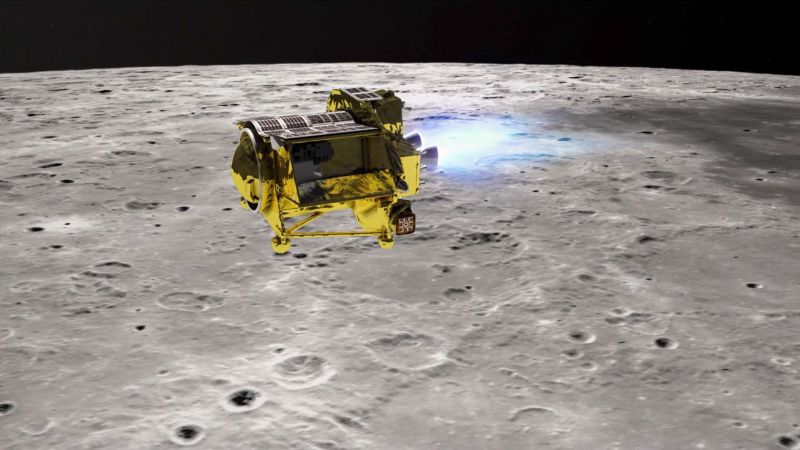
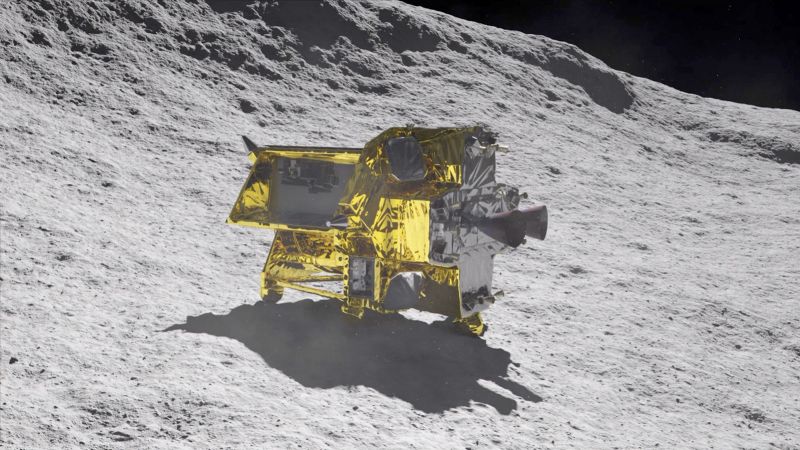
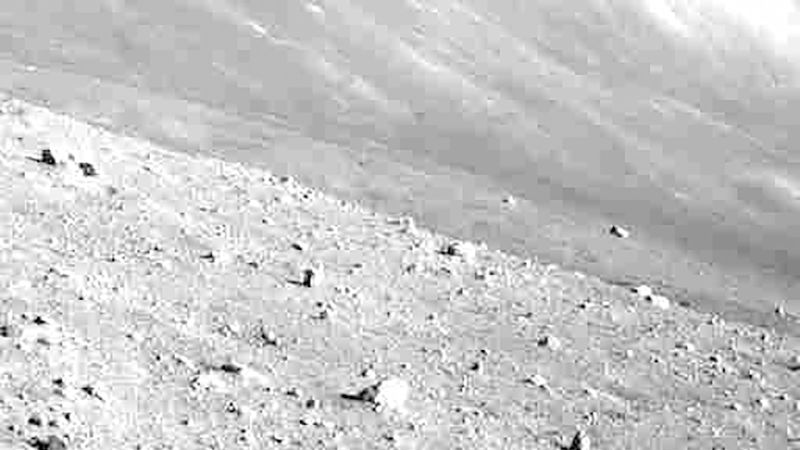
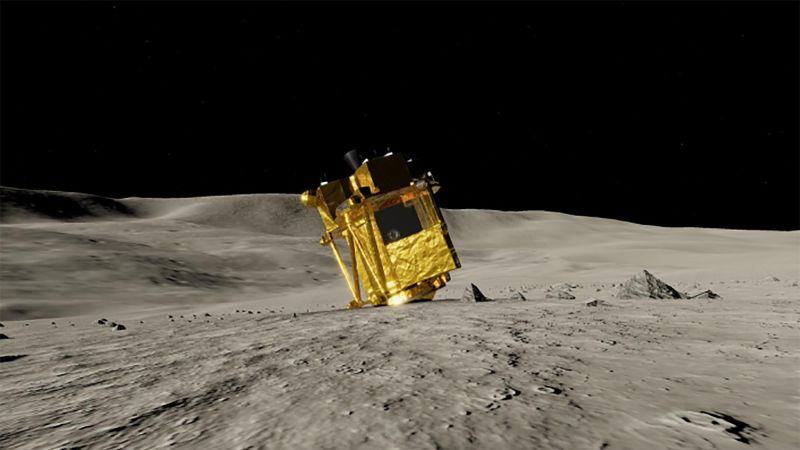
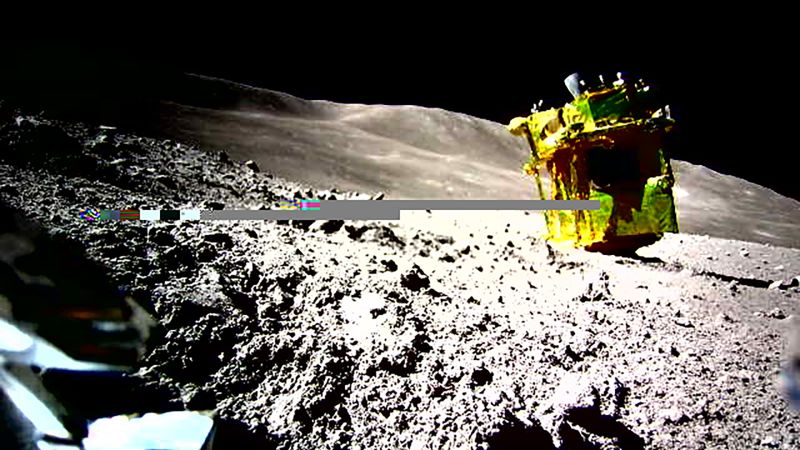
Japan's lunar mission, the "Moon Sniper," unexpectedly woke up on the lunar surface after being dormant for most of February, transmitting new images to Earth despite not being designed to survive the moon's harsh temperatures. The spacecraft, known as SLIM, landed on the moon on January 19 but experienced an anomaly during descent, landing on its nose and facing challenges with power generation. Despite entering a dormancy period during the lunar night, the mission team successfully reestablished communication with the lander, which captured new images and is being analyzed for further observations.
"Resumed: Japan's 'Moon Sniper' Robot Explorer on Lunar Surface"
space-exploration2 years ago

"Resumed: Japan's 'Moon Sniper' Robot Explorer on Lunar Surface"

Japan's "Moon Sniper" robotic explorer, which faced a power issue upon landing on the moon, has resumed operations after successfully establishing communication with the spacecraft. The explorer executed a precise landing and aims to collect unprecedented information about the lunar region called the Sea of Nectar. This mission is part of the new lunar space race driven by countries' desire to access water trapped as ice in permanently shadowed regions at the lunar south pole.

"Insights into Japan's Upside-Down Moon Landing and Lunar Surface Struggles"
space-exploration2 years ago

"Insights into Japan's Upside-Down Moon Landing and Lunar Surface Struggles"

Japan's Moon Sniper lander, part of the SLIM mission, landed near the small crater Shioli on the moon's surface, aiming to collect unprecedented information about the Sea of Nectar. The site's proximity to a larger crater and the presence of olivine make it an ideal location for exploration. The lander's pinpoint accuracy in landing showcases advancements in technology for future missions, and the area's geological significance could provide valuable insights into the moon's history. Additionally, upcoming missions are targeting the moon's south pole region, which is rich in volatiles and could potentially provide a game-changing source of water for lunar exploration.

"Japan's Moon Landing Mission in Peril: Power Issue Threatens Lunar Exploration"
science-and-technology2 years ago

"Japan's Moon Landing Mission in Peril: Power Issue Threatens Lunar Exploration"

Japan's "Moon Sniper" mission encountered a critical power issue after landing on the lunar surface, potentially hindering its study of the moon's origins; researchers traced the movements of a female mammoth and discovered human hunting camps in the same areas; Malaysia's tiger population is dwindling, with only an estimated 150 left, prompting conservation efforts; a rare fossilized grasshopper nursery from 29 million years ago was discovered in Oregon; and winter storms in the US brought "frost quakes," loud sounds and tremors caused by sudden freezing of the ground, prompting scientists to study the phenomenon further.

"Japan's Lunar Mission: Countdown to Moon Sniper Landing"
space-exploration2 years ago

"Japan's Lunar Mission: Countdown to Moon Sniper Landing"

Japan's space agency, JAXA, is attempting to land its high-precision "Moon Sniper" probe on the lunar surface, aiming to become the fifth country to achieve this feat. The mission, part of the Smart Lander for Investigating Moon (SLIM) project, is crucial for advancing lunar exploration and could provide a significant advantage in international missions like NASA's Artemis program. The spacecraft also carries a shape-shifting robot, SORA-Q, designed to navigate the lunar surface and capture valuable images. If successful, this mission could pave the way for future exploration of the moon's hilly poles and potential sources of oxygen, fuel, and water.

"Japan's Moon Sniper: Aiming for a Soft Landing on the Lunar Surface"
space2 years ago

"Japan's Moon Sniper: Aiming for a Soft Landing on the Lunar Surface"

Japan's "Moon Sniper" spacecraft, part of the Smart Lander for Investigating Moon (SLIM) mission, is set to attempt a historic pinpoint landing on the lunar surface this weekend. Equipped with precision technology, the mission aims to become the fifth nation to achieve a soft landing on the moon. Success would mark a significant milestone for Japan's space program, providing crucial information on the moon's history and potential water resources, while showcasing the country's presence in space.

"Japan's Lunar Missions Face Setbacks: Revolutionary Satellite and Moon Sniper Lander Launch Scrubbed"
space2 years ago

"Japan's Lunar Missions Face Setbacks: Revolutionary Satellite and Moon Sniper Lander Launch Scrubbed"

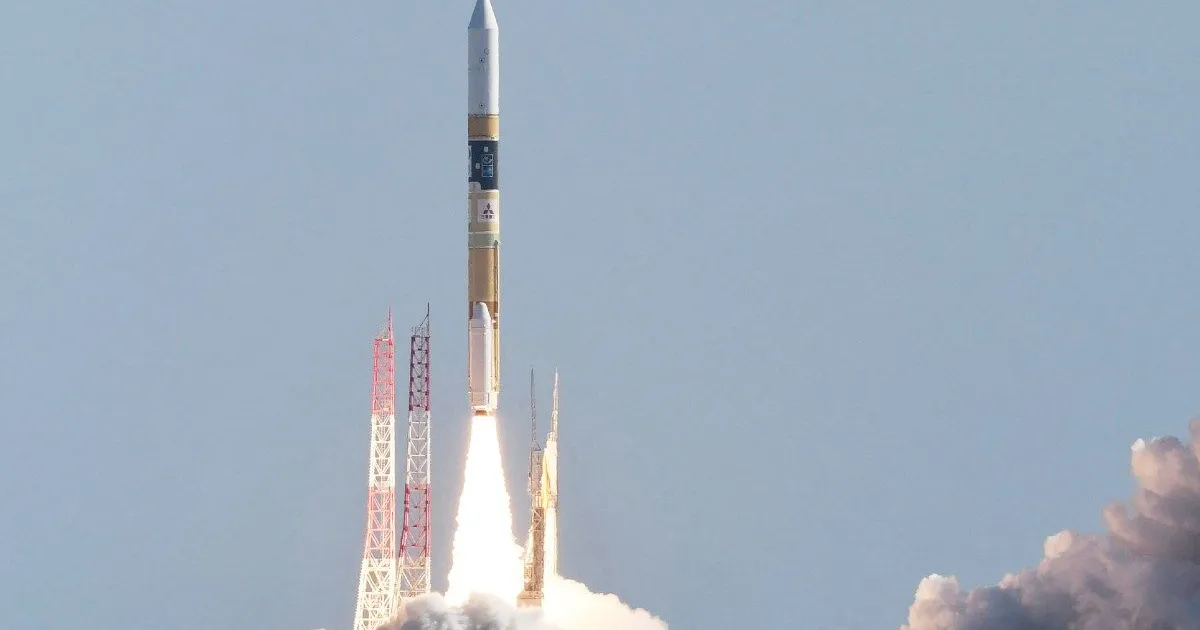
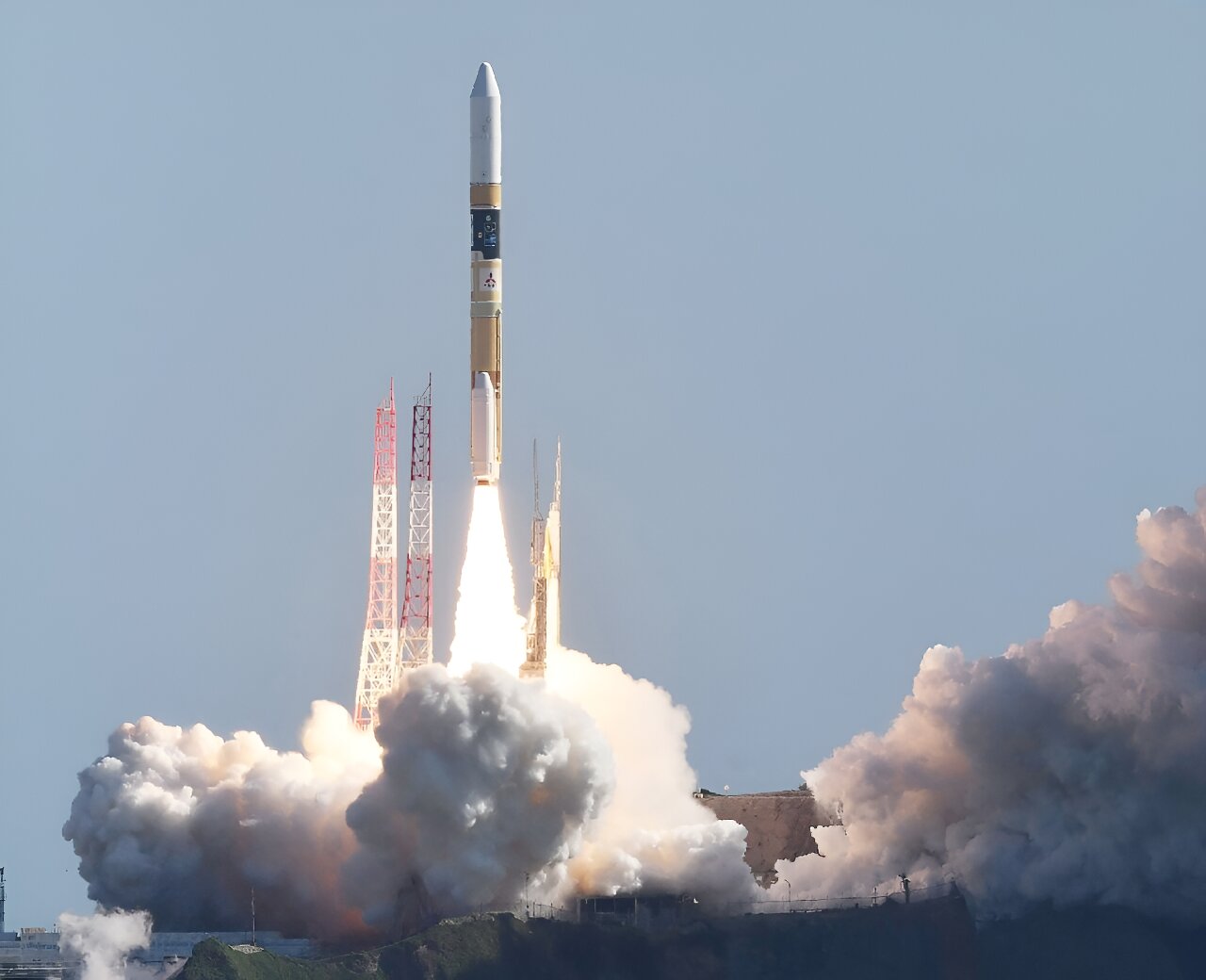
The launch of a revolutionary satellite, XRISM, and the "Moon Sniper" lunar lander has been postponed due to inclement weather. XRISM, a joint mission between JAXA, NASA, ESA, and CSA, will observe the universe's hottest regions and objects using X-ray light. The satellite carries two instruments, Resolve and Xtend, which will provide detailed insights into cosmic phenomena. The Moon Sniper lander, designed for a pinpoint landing on the moon, aims to investigate the composition of rocks near the Sea of Nectar. Both missions have been rescheduled multiple times due to bad weather.

"Japan's 'Moon Sniper' Lunar Lander and X-ray Satellite Set for Launch"
space2 years ago

"Japan's 'Moon Sniper' Lunar Lander and X-ray Satellite Set for Launch"

Japan's X-ray satellite, XRISM, and the "Moon Sniper" lunar lander are set to launch on Sunday night. XRISM, a joint mission between JAXA, NASA, the European Space Agency, and the Canadian Space Agency, will observe the universe's hottest regions and objects using X-ray light. The satellite carries two instruments, Resolve and Xtend, which will provide detailed insights into cosmic phenomena. Meanwhile, the Moon Sniper lander aims to achieve a pinpoint landing on the moon's surface near the Sea of Nectar, investigating the composition of rocks to uncover the moon's origins.