

The article discusses how tokenisation and a unified ledger could transform the next-generation monetary and financial system by improving efficiency, trust, and accessibility, while highlighting the limitations of stablecoins and the importance of central bank reserves to maintain stability and integrity.
The Federal Reserve's website indicates that a page you were looking for has been moved or no longer exists, suggesting users utilize the search function or other navigation tools to find the desired information.
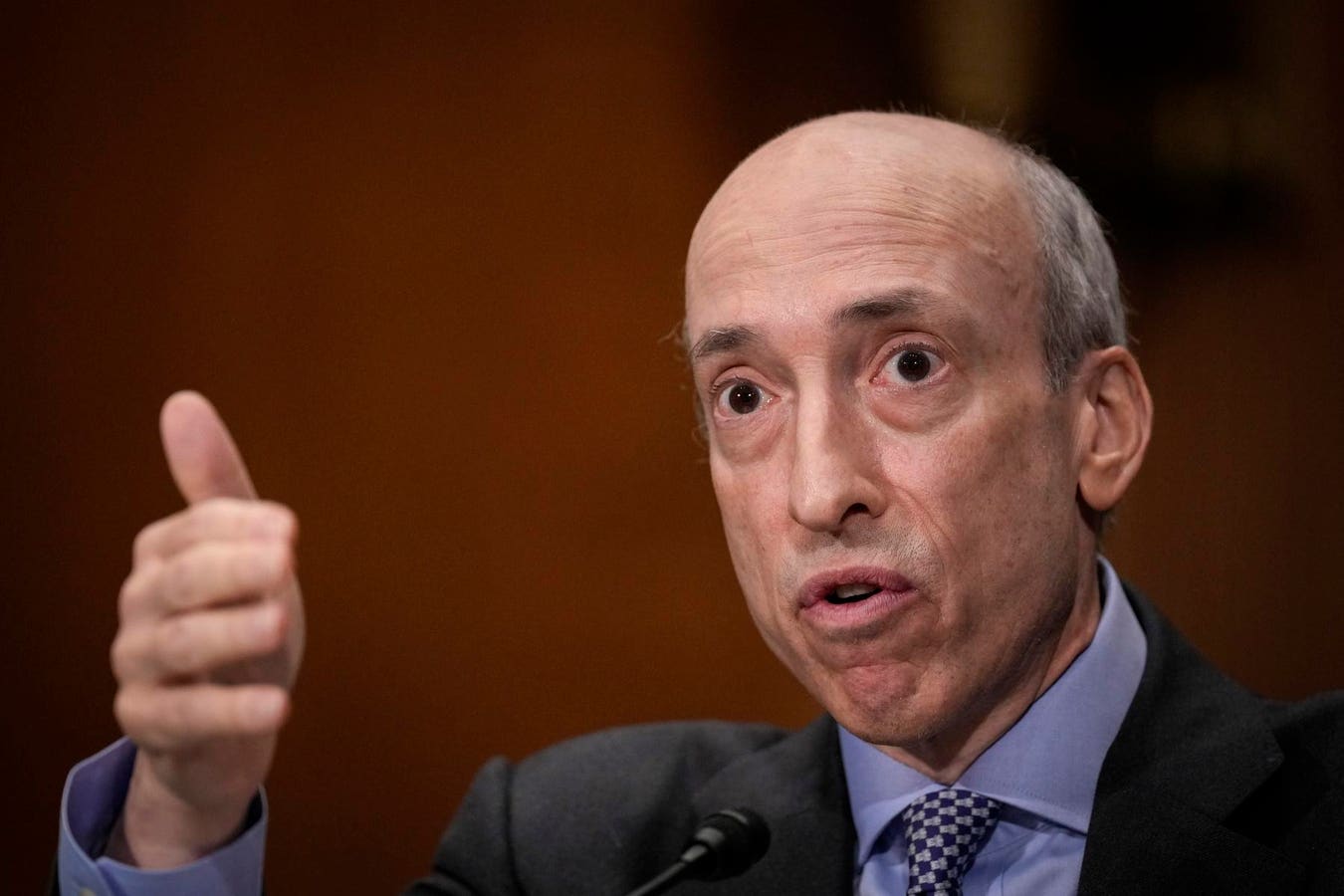
The approval of bitcoin exchange-traded funds (ETFs) by the SEC has far-reaching consequences, making it extremely difficult for the U.S. to ban the digital asset and permanently altering the global monetary system. The institutionalization of bitcoin through ETFs creates a significant barrier for the government to restrict its adoption, as major financial players now hold billions of dollars of bitcoin. This move ensures that bitcoin will remain a reliable store of value, especially as a potential insurance policy against a weakened U.S. dollar due to escalating federal debt.