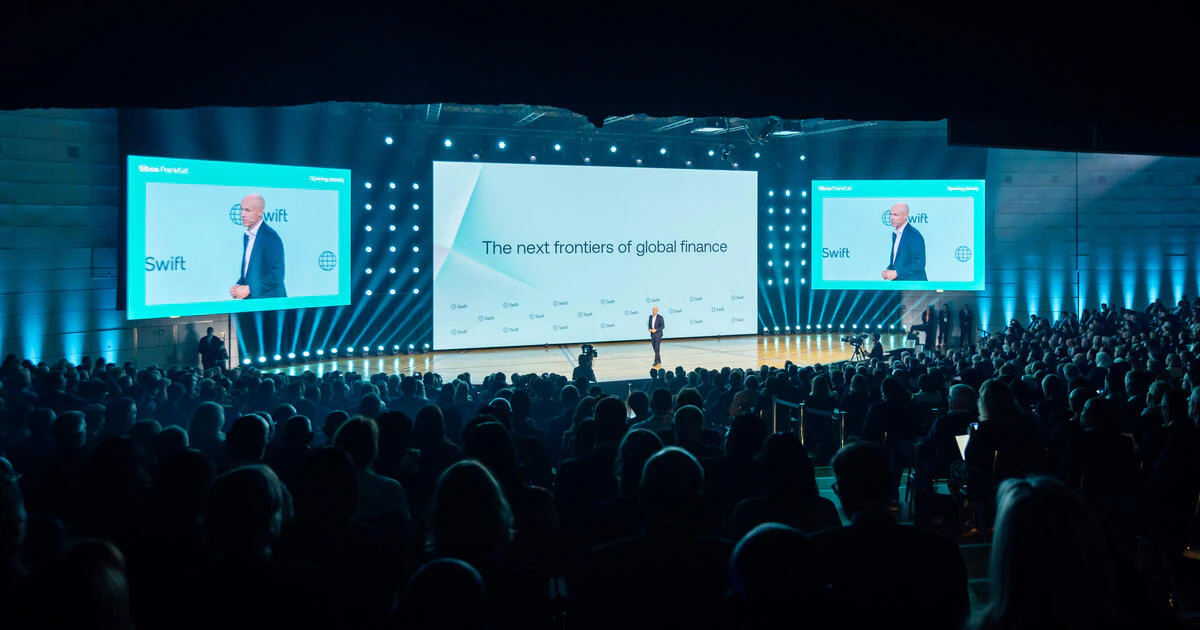
Swift is integrating a blockchain-based shared ledger into its infrastructure to enable instant, secure, and transparent cross-border payments, involving over 30 global banks and aiming to enhance digital finance capabilities worldwide.
The SEC and CFTC have issued a joint statement emphasizing the importance of regulatory cooperation to foster innovation in U.S. financial markets, especially in crypto and digital assets, with plans for a roundtable to discuss expanding trading hours, event and perpetual contracts, portfolio margining, and DeFi exemptions to enhance market competitiveness and clarity.
Goldman Sachs and BNY Mellon are collaborating to tokenize the $7.1 trillion money market industry, allowing institutional investors to buy tokenized funds on a blockchain platform, which aims to increase efficiency and enable new transfer capabilities, with major clients like BlackRock and Fidelity already on board.
The UK is lagging behind other countries like Singapore, Abu Dhabi, and the US in establishing a regulatory framework for stablecoins, risking its competitiveness in financial innovation. While the US advances with the Genius Act and the USDC stablecoin, the UK remains bogged down in bureaucratic delays and risk aversion, missing a key opportunity to lead in blockchain and digital currencies. The author advocates for adopting a more dynamic, light-touch regulatory approach, similar to those in Abu Dhabi and Singapore, to foster innovation and maintain global competitiveness.
President Trump signed the GENIUS Act into law, establishing the first clear regulatory framework for stablecoins in the U.S., which could lead to increased adoption by banks and fintechs, offering benefits like higher savings interest and instant rebates for consumers, though traditional finance may resist these changes.
The article criticizes Bitcoin treasury companies like MicroStrategy for operating as Ponzi schemes, where the apparent high Bitcoin yield is primarily funded by new investors rather than genuine business profits, leading to a bubble that risks collapsing during a Bitcoin bear market. Many smaller companies are copying this model, which is unsustainable and could result in significant losses for investors when the bubble bursts.
The article discusses how tokenisation and a unified ledger could transform the next-generation monetary and financial system by improving efficiency, trust, and accessibility, while highlighting the limitations of stablecoins and the importance of central bank reserves to maintain stability and integrity.
The increasing international mobility of wealthy millennials and Gen Z individuals is challenging traditional wealth management firms, as many are relocating and choosing to switch advisors, prompting firms to adopt new strategies like offering crypto assets, AI platforms, and targeted programs to retain younger clients.
BlackRock CEO Laurence Fink says that developed markets, including the US, are lagging behind in financial innovation, leaving the cost of payments much higher. Fink believes that crypto needs regulation given the elevated risks involved with the nascent asset class, but he says digital asset technology has the potential to transform financial markets. He also notes that the tokenization of asset classes offers the prospect of driving efficiencies in capital markets, shortening value chains, and improving cost and access for investors.