Unraveling CRISPR's Molecular Scissors: A Genesis Exploration
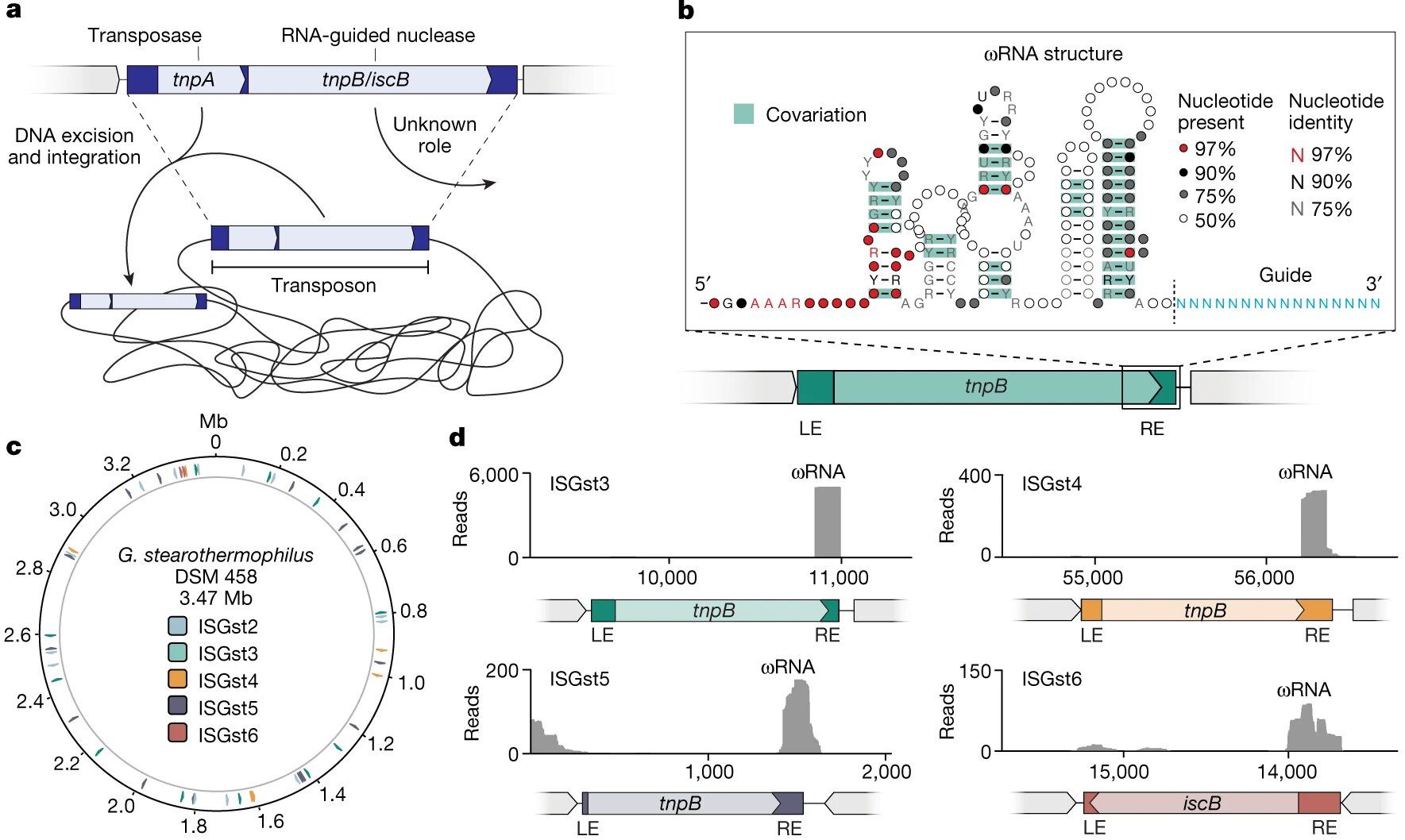
Researchers have traced the origins of CRISPR-Cas9, a powerful gene editing tool, to transposons, or "jumping genes," which carry RNA-guided DNA nucleases. By studying the movement of transposons in bacteria, scientists discovered that the DNA-cutting scissors prevent the extinction of transposons by guiding a copy of the transposon back to its original location after cutting the DNA. This "cut and copy" strategy allows transposons to proliferate and spread. The findings suggest that there may be other systems similar to CRISPR-Cas9 waiting to be discovered, which could be used for genome engineering in human cells.