The House will not vote this week on extending the ACA's enhanced premium subsidies, leading to frustration among moderate Republicans who warn of rising insurance costs for over 20 million Americans. An effort to include the extension in a GOP health plan was blocked, and despite calls for bipartisan action, no immediate solution is expected before the year's end.
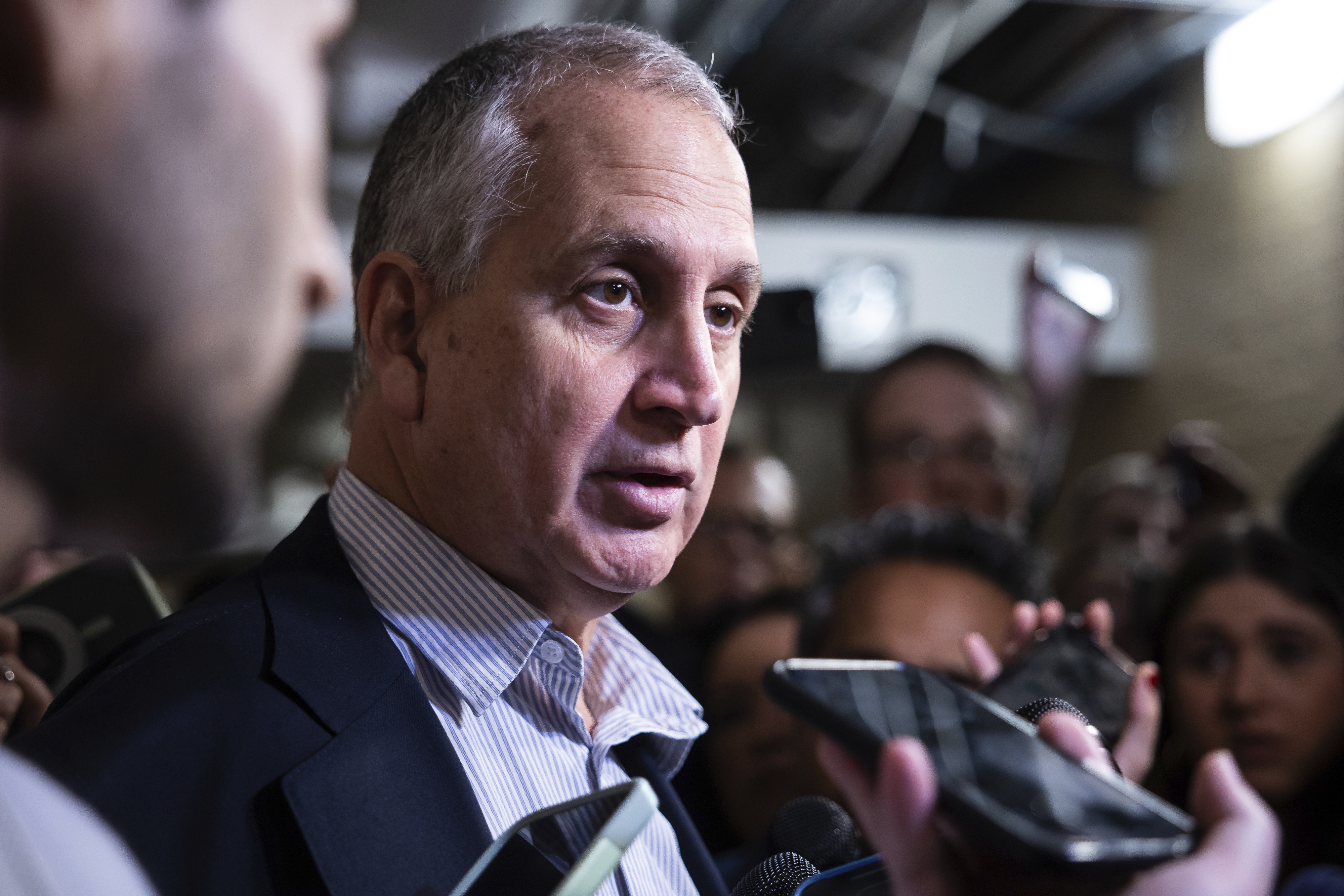
House GOP moderates, led by Fitzpatrick, are pushing to extend health subsidies and are considering proposing amendments to the GOP health care bill, despite leadership skepticism, as they seek bipartisan solutions.
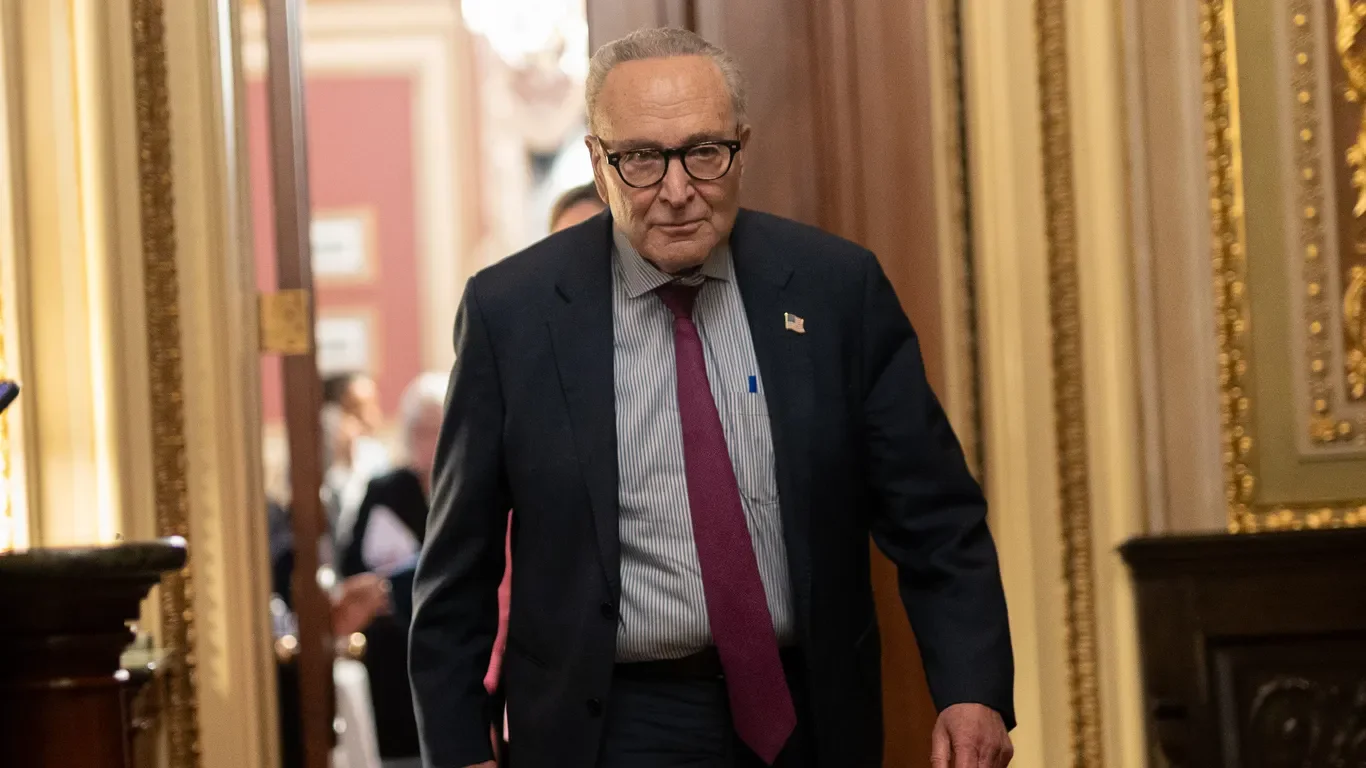
Senate Minority Leader Chuck Schumer privately opposed prolonging the government shutdown and persuaded moderates to hold out until November, but ultimately, a bipartisan deal was reached with some Democrats breaking ranks to end the shutdown.
In Seattle's primary election, incumbent Mayor Harrell and other moderate officials trail their progressive challengers, indicating a potential shift in city politics. Harrell is optimistic about winning in November, while challengers like Wilson and Foster see the results as a mandate for change. The election reflects ongoing tensions between moderate and progressive visions for Seattle's future.
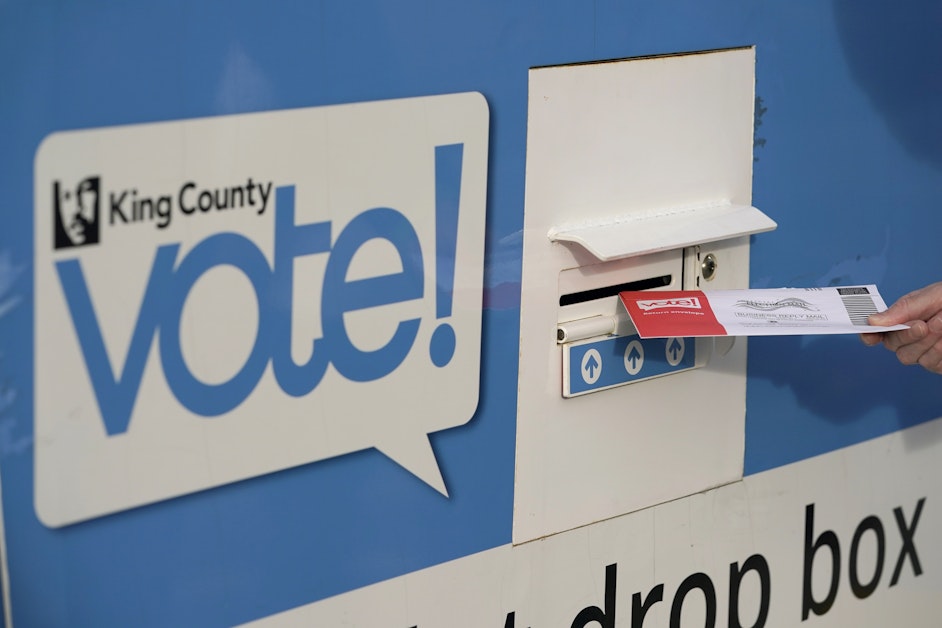
The 2025 Washington primary election results indicate a shift towards progressive candidates in Seattle and King County, with incumbents facing challenges from newcomers, property taxes likely increasing, and legislative races remaining competitive, all amid low voter turnout.
Six prominent Democrats are vying for the New Jersey governor's seat in a competitive primary, as current Governor Phil Murphy is term-limited. The candidates include mayors, congress members, and a former state Senate president, representing a spectrum from centrists to progressives. The primary is notable for the absence of the traditional "county line" ballot design, making the race more unpredictable. Key figures include centrist Rep. Mikie Sherrill and progressive Newark Mayor Ras Baraka, with the outcome potentially influencing Democratic strategies nationwide.
House Republican centrists, often referred to as "Squishes," have rebelled against Rep. Jim Jordan's bid for the speaker position, with 20 Republicans opposing his nomination. Powerful House veterans and junior frontliners alike joined forces to oppose Jordan, who is known for his conservative hard-line stance. Jordan's allies expected a conservative media pressure campaign to subdue the resistance, but it backfired, hardening the opposition. Jordan's candidacy now faces significant challenges as he needs to show progress in the second ballot to remain viable. Some senior Republicans predict that if Jordan continues to struggle, there may be a mass jailbreak as members grow impatient and want to move on.
Tensions are escalating within the House Republican conference as they approach a government shutdown, with infighting becoming increasingly public and acrimonious. Moderate Republicans are privately discussing the possibility of teaming up with Democrats to avoid a shutdown if the House GOP's plan to temporarily fund the government fails. Some Republicans are considering a discharge petition to force a floor vote on a bill, while others are exploring the option of moving a temporary funding bill with Democrats. The ongoing feud involves personal attacks, social media spats, and criticism of Speaker Kevin McCarthy. The situation highlights the challenge McCarthy faces in securing the votes to avoid a shutdown and protect his speakership.
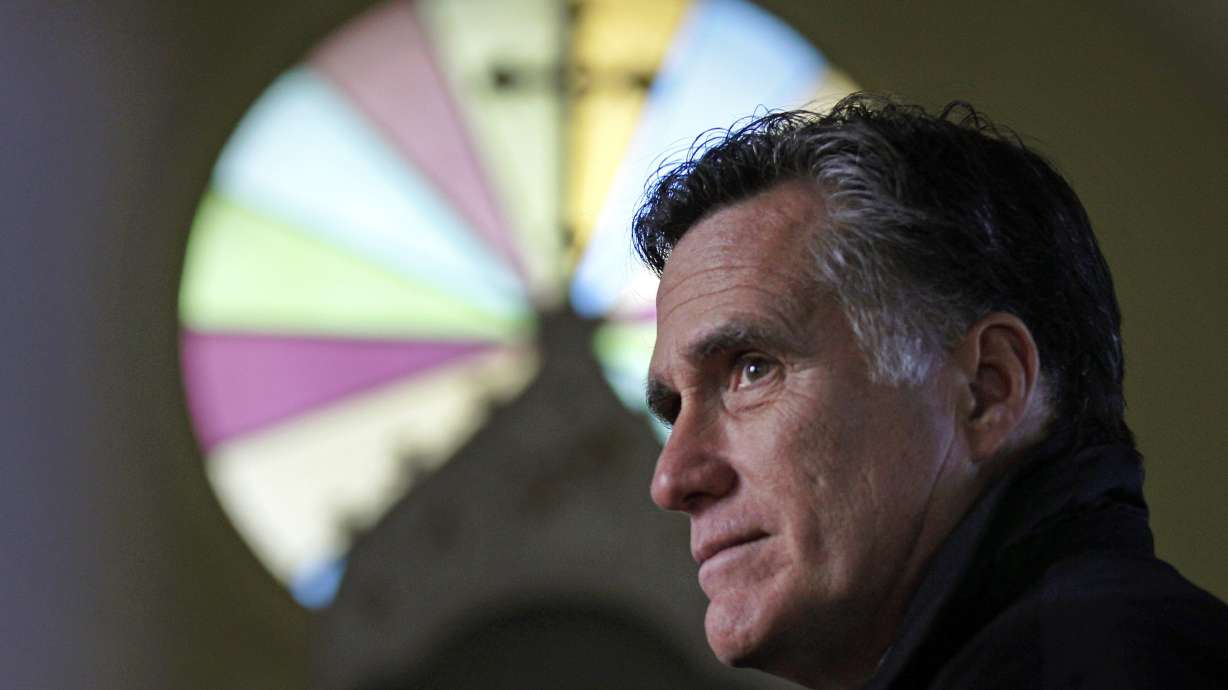
Mitt Romney, who recently announced that he will not seek another term in the U.S. Senate, follows in the footsteps of his father, George Romney, in feeling that the Republican Party has lost its way. Romney, a prominent establishment Republican, has been critical of Donald Trump's vision for the party and was the only Republican senator to vote twice to impeach Trump. Romney believes that the GOP and the country have strayed from their constitutional principles under Trump's leadership. His departure raises questions about the future direction of the Republican Party and who will succeed him in Utah.
House Democrat Rep. Marie Gluesenkamp Perez, co-chair of the Blue Dog Coalition, has revealed plans to transform the centrist group into an "antifascist rural" organization. Gluesenkamp Perez and her colleagues aim to rebuild the coalition after losing members earlier this year. The trio of Democrats recently embarked on a publicity tour to promote the coalition's revamped moderate agenda. The Blue Dog Coalition has seen a decline in membership since 2010 and currently consists of 10 House Democrats. Gluesenkamp Perez's comments have drawn attention as she and her co-chairs are considered vulnerable House Democrats in the upcoming election cycle.