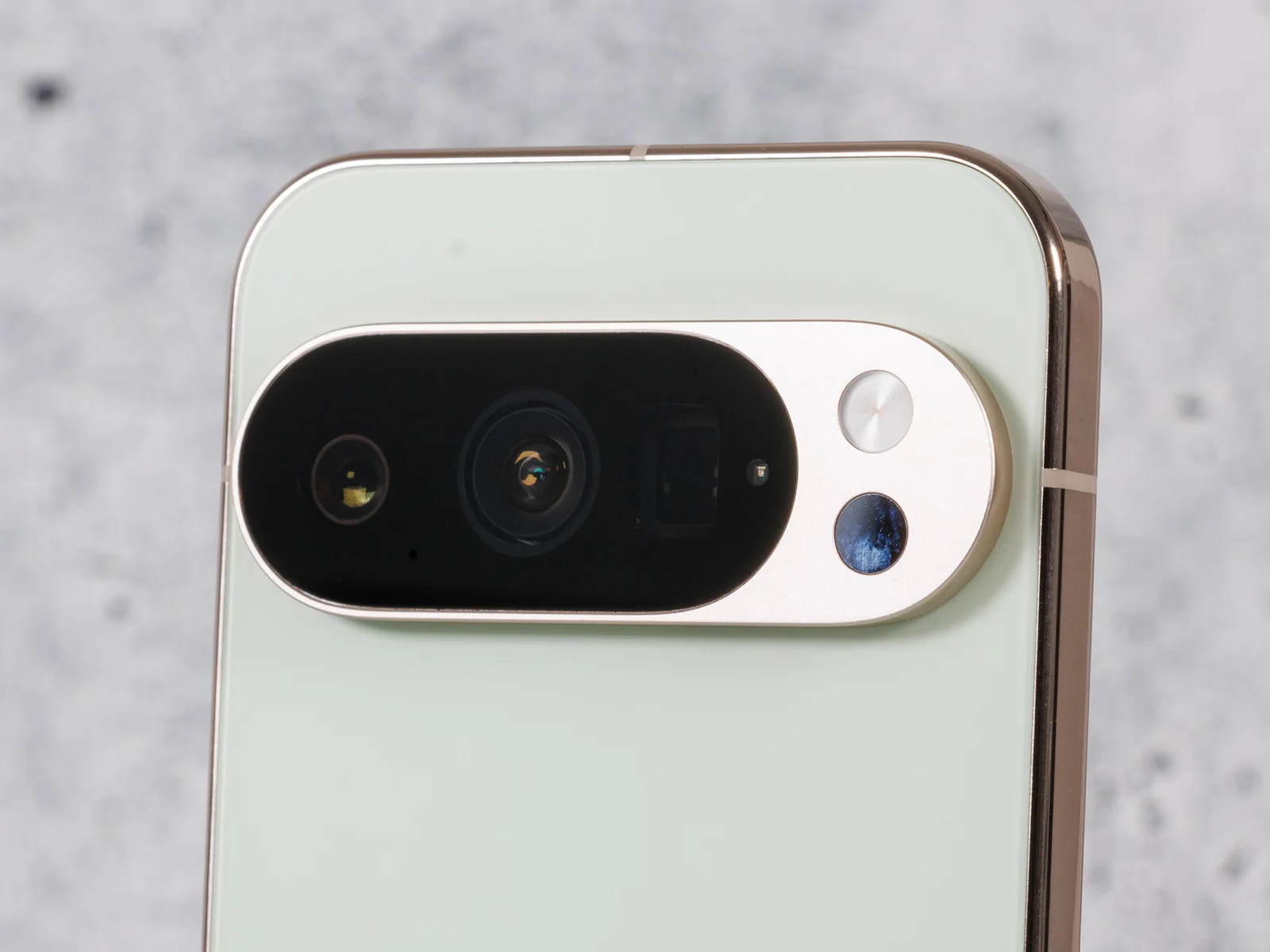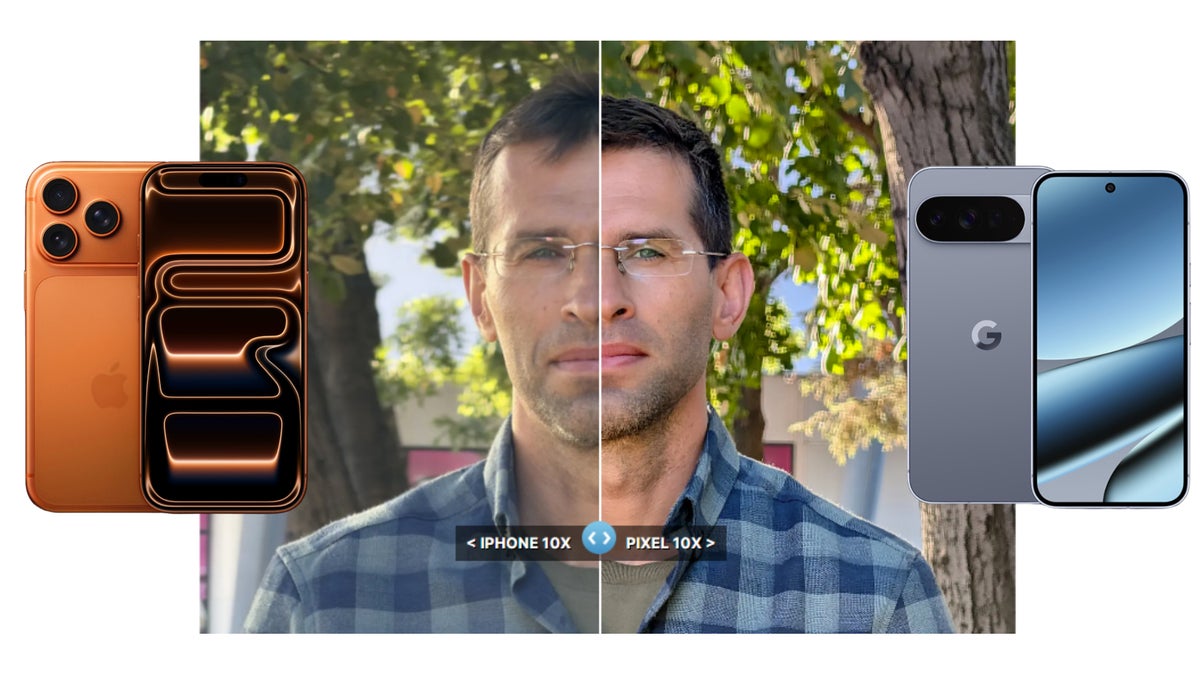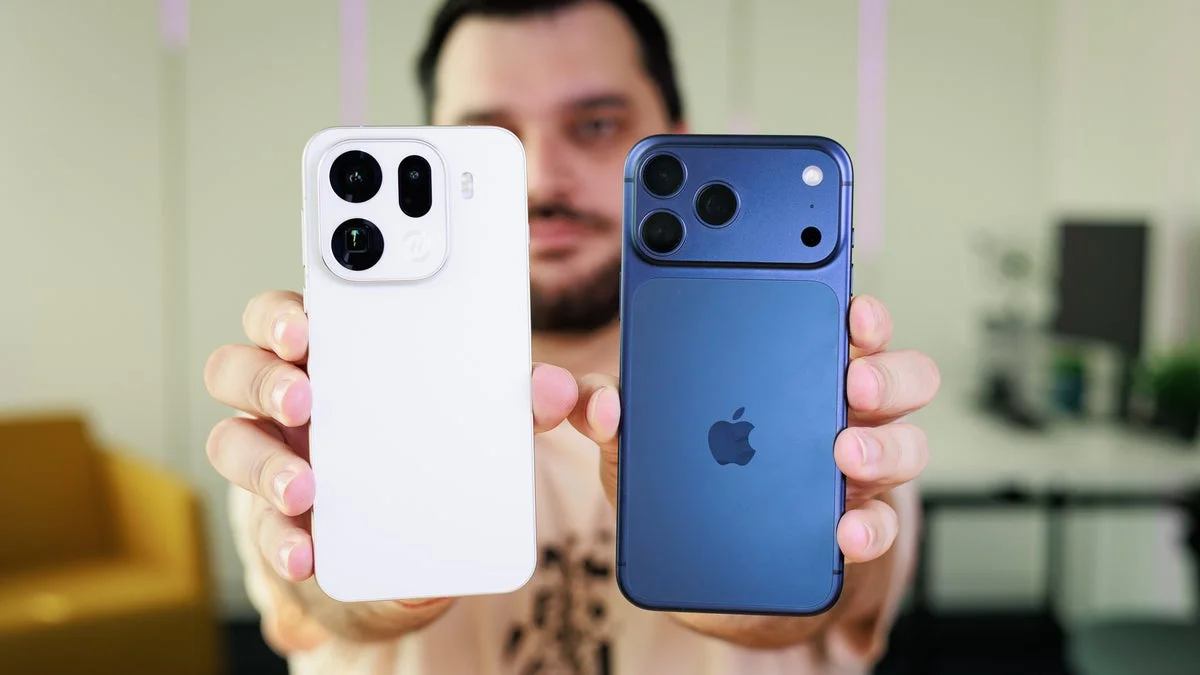
The Oppo Find X9 Pro features a high-end triple-camera setup with a 200MP telephoto lens and advanced sensors, while the iPhone 17 Pro Max offers improvements mainly in its telephoto and selfie cameras. A comparison of their camera capabilities suggests that Oppo's hardware is impressive, but the iPhone's video quality and AI-driven features maintain its reputation for excellence. The article invites readers to vote on which camera system performs better.
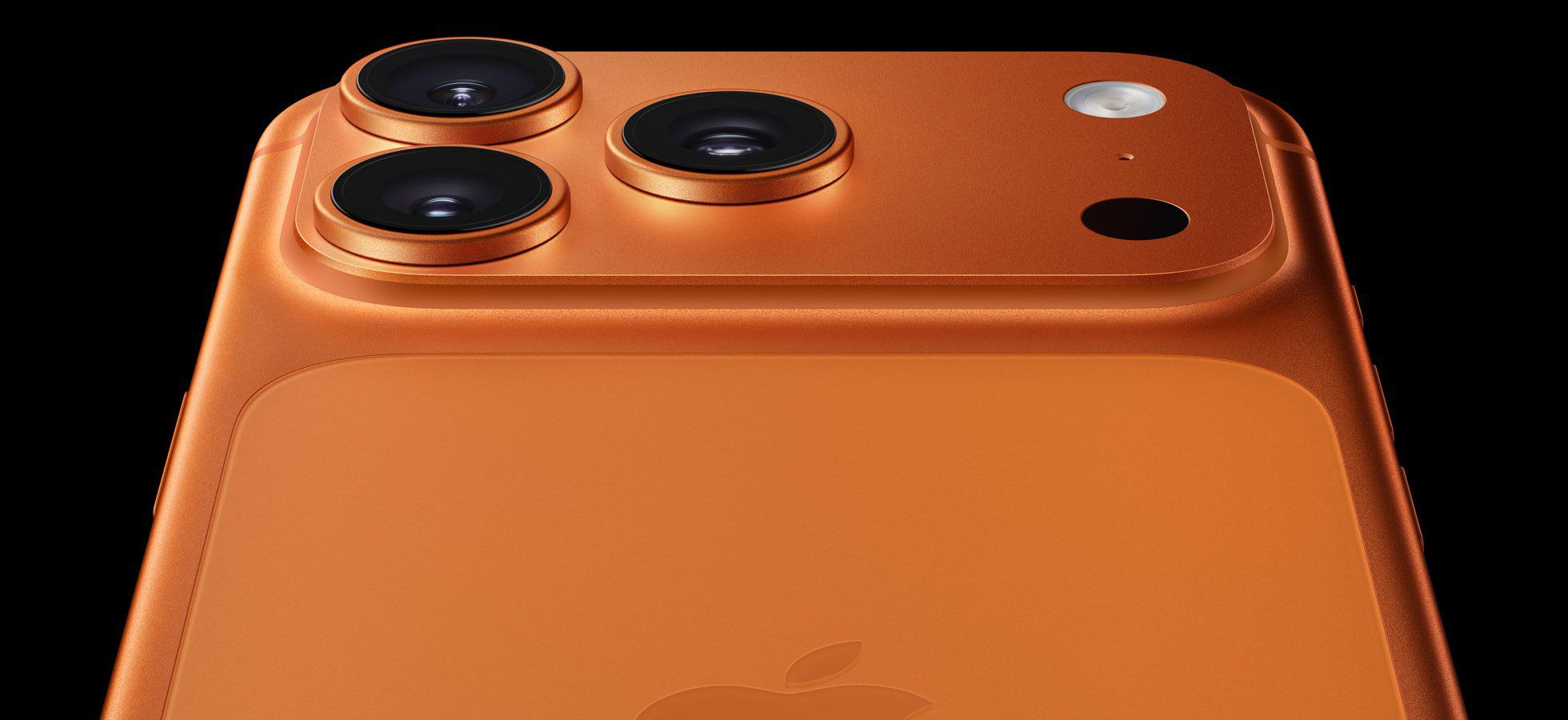
The upcoming iPhone 18 Pro is rumored to feature DSLR-style aperture control, allowing users to manually adjust the camera's aperture for enhanced photography capabilities, similar to traditional DSLR cameras.
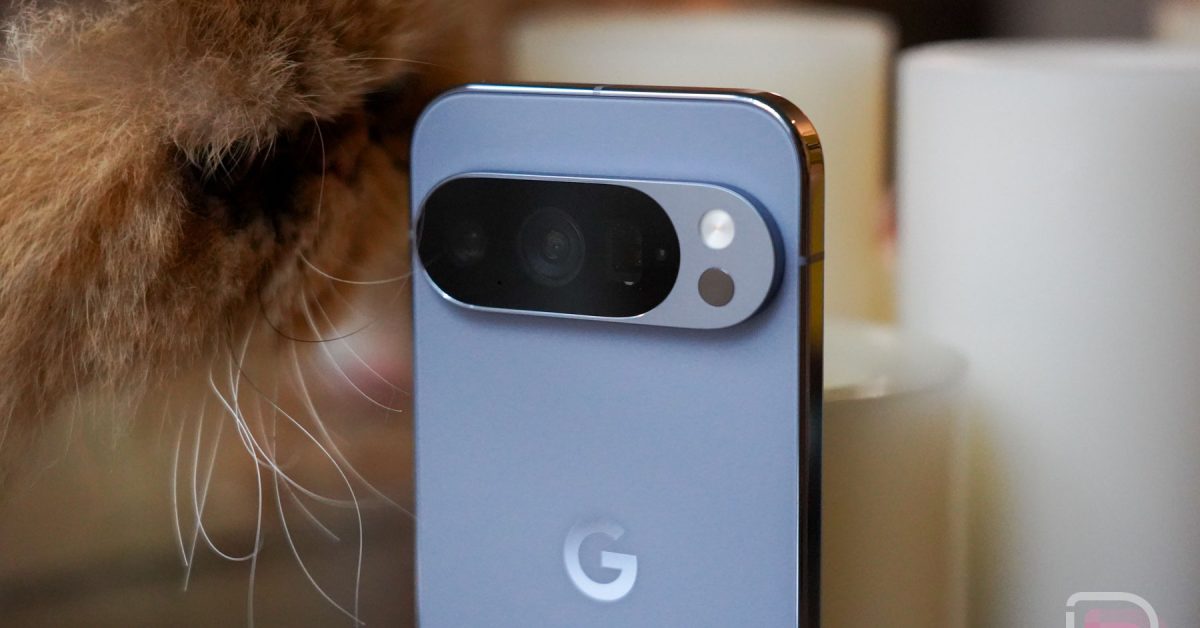
The Google Pixel 10 Pro features AI-enhanced Pro Resolution Zoom, which significantly improves image quality at high magnifications up to 100x, although it has limitations with smaller fonts and fine details. The phone boasts a versatile triple camera system, a high-quality display, and robust hardware, making it a competitive flagship for mobile photography.
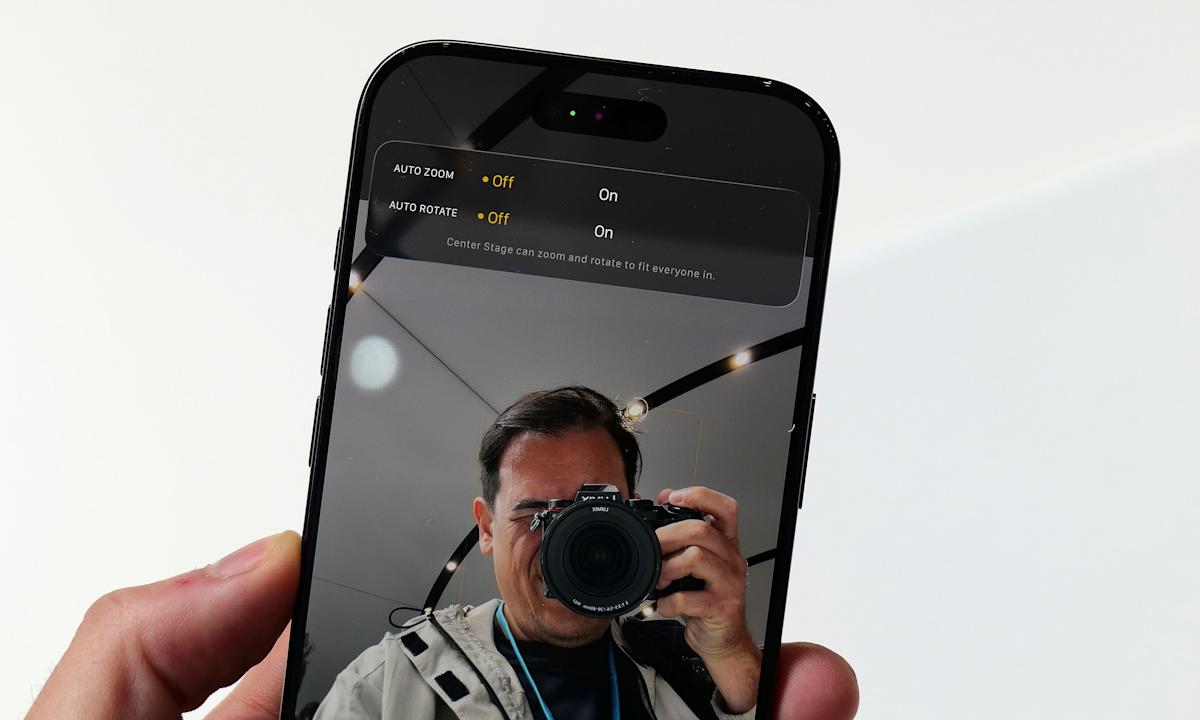
Apple's iPhone 17 introduces the Center Stage front camera with an 18-megapixel square sensor, enhancing selfie and video call experiences by keeping users centered and stabilized, revolutionizing mobile photography and communication.
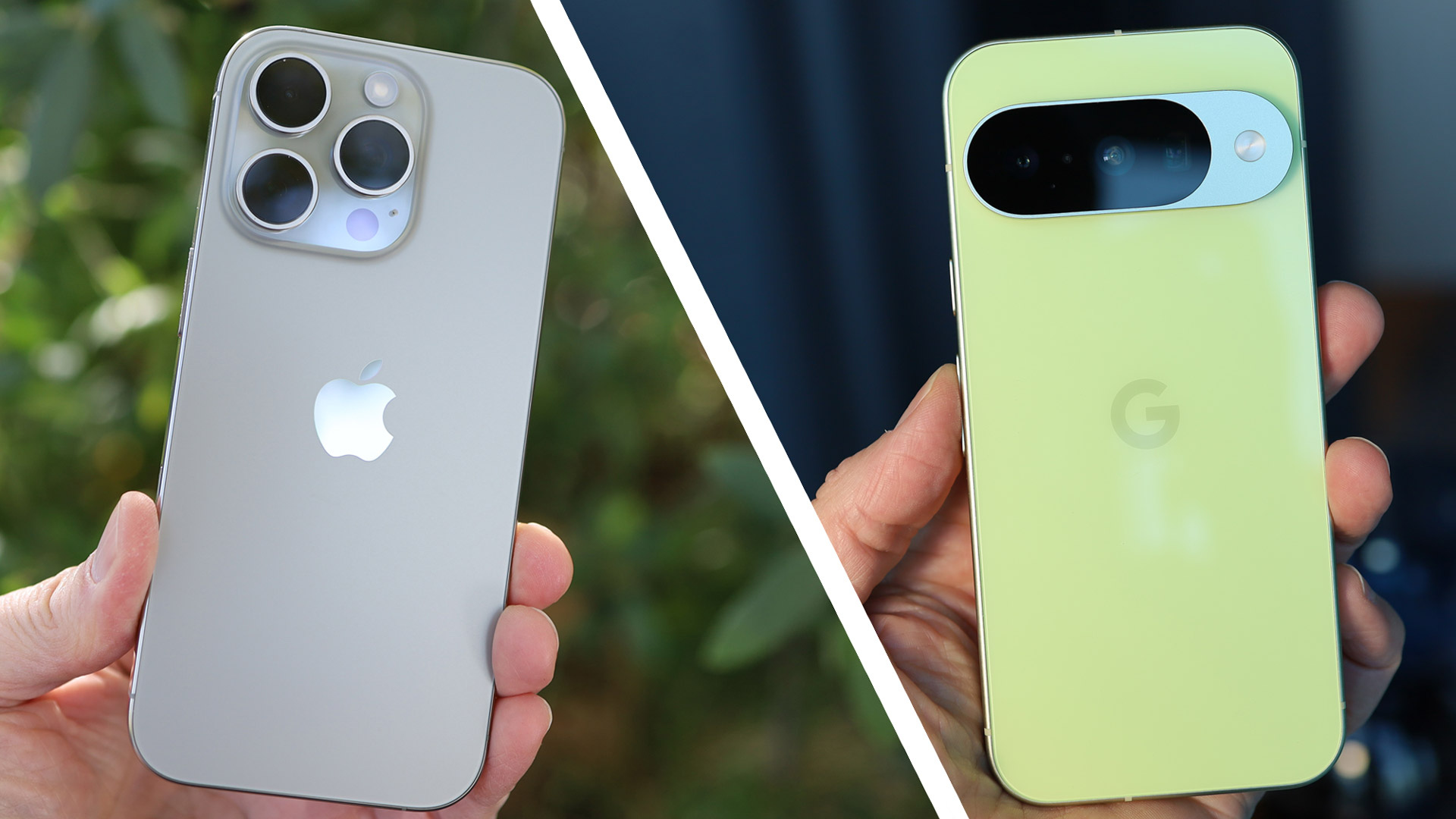
The Pixel 10 Pro XL outperforms the iPhone 17 Pro Max in several camera tests, especially at high zoom levels, despite some shortcomings. The article suggests that a future software update from Apple could improve its camera performance, similar to past device improvements, and highlights the Pixel's superior image quality in various scenarios.
The iPhone 17 introduces a new 18MP square front-facing camera with Center Stage, enhancing selfie and video capabilities by automatically framing users and supporting features like dual capture, which could revolutionize mobile selfies and video recording, and potentially increase user loyalty to Apple's ecosystem.
The Google Pixel 10, priced significantly lower than the iPhone 16 Pro Max, offers nearly comparable photography capabilities, excelling in low-light, panoramic, and macro shots, though the iPhone still leads in overall image quality, color, and exposure range.
The Pixel 10 and Pixel 10 Pro feature impressive camera systems with advanced hardware and software, including multiple lenses and modes like Night Sight, producing high-quality photos that are increasingly better on social media and displays, with the Pro offering slightly higher specs but both delivering excellent results.
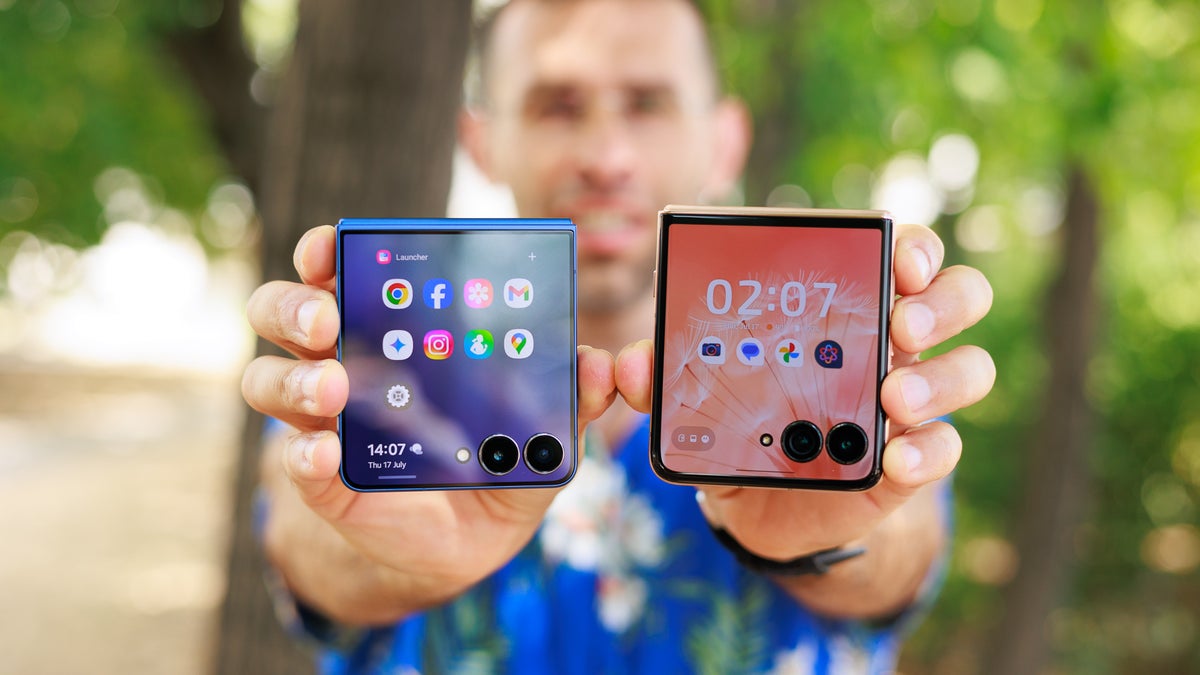
The article compares the camera capabilities of the Samsung Galaxy Z Flip 7 and Motorola Razr Ultra, highlighting their similar main sensor sizes and lack of telephoto lenses, with both phones offering decent zoom but declining in quality beyond 3X zoom, and includes sample photos to evaluate their photo quality.
Allison Johnson reviews the Samsung Galaxy Z Fold 7, praising its slim design and usability, and expresses excitement about upcoming trifold phones from Samsung and other brands, seeing them as a promising evolution in large smartphones that combine multiple screens and functionalities without increasing size.
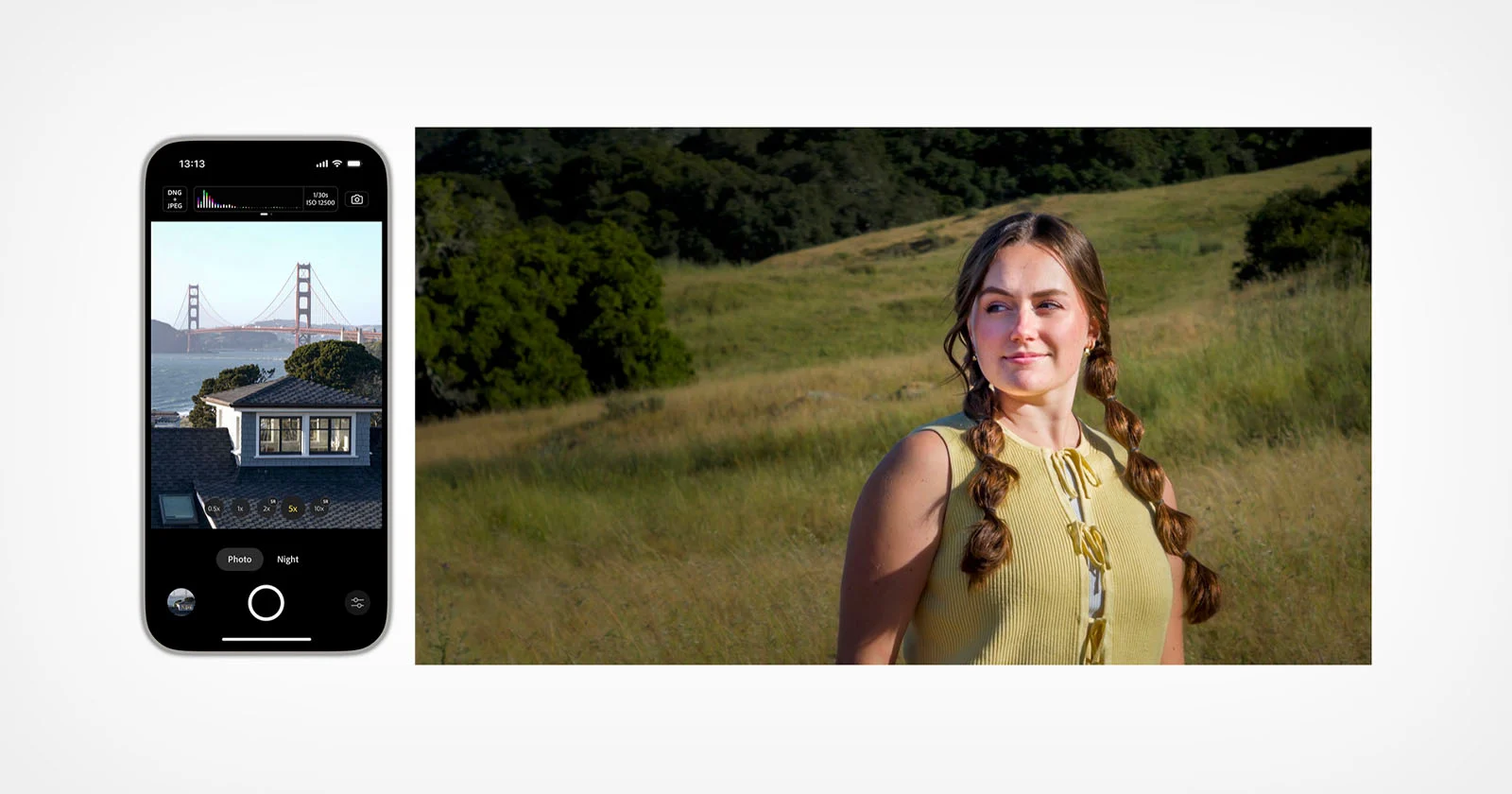
Adobe has launched Project Indigo, a new computational photography app for iPhone that offers manual controls, natural-looking HDR, and advanced features like multi-frame super-resolution and long exposure, aiming to improve smartphone photography quality and experience.
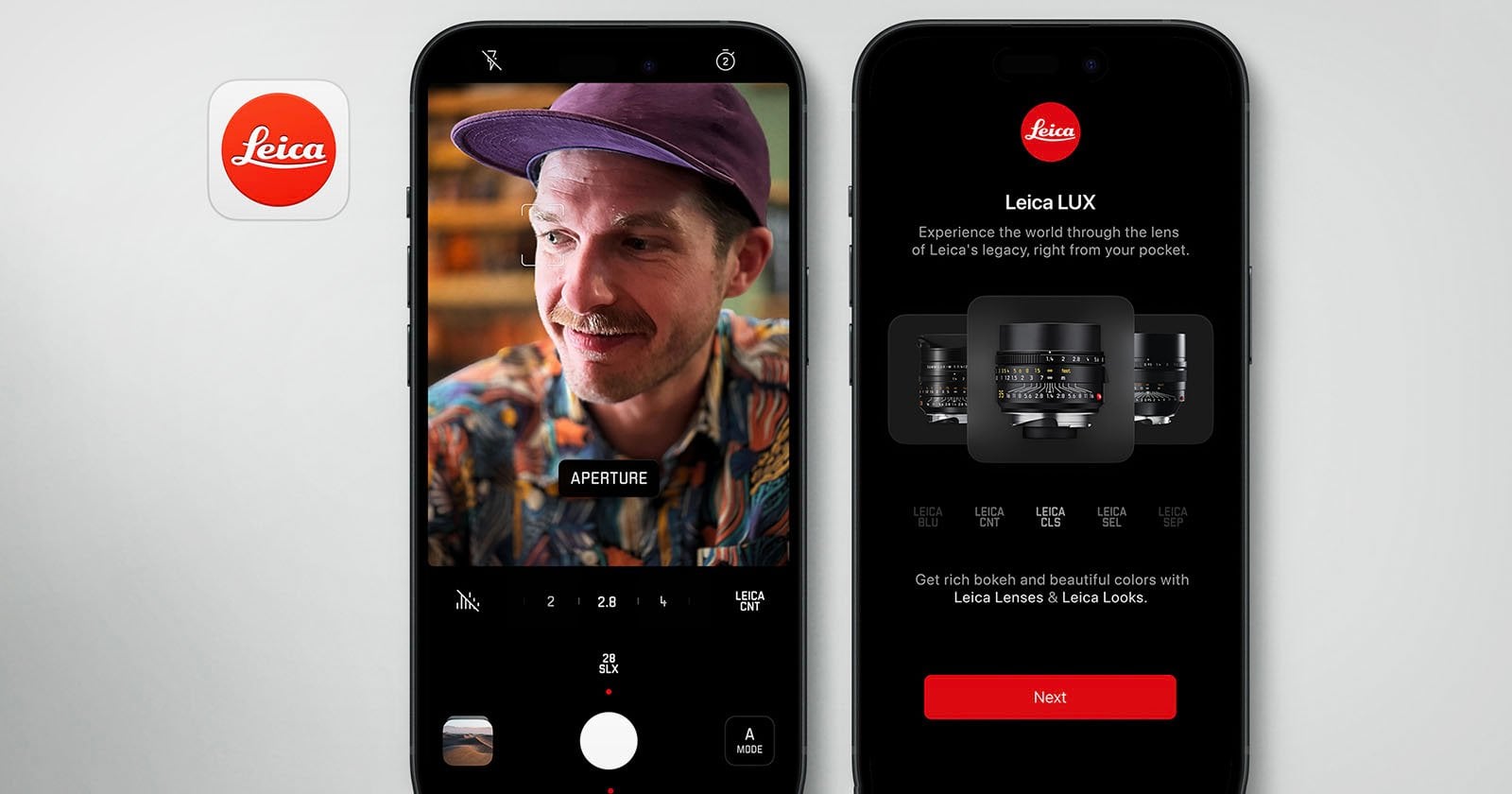
Leica Camera AG has launched Leica LUX, a new iPhone camera app that offers a Leica-inspired user interface, unique Leica Looks, and simulations of iconic Leica lenses. The app aims to bring the distinctive Leica aesthetic to iPhone users, featuring both automatic and manual controls. Available for free with a paid upgrade for full features, Leica LUX is compatible with iPhones running iOS 17, with optimal performance on iPhone 12 Pro or newer models.
Google has released the first beta version of Android 15, following two developer previews, in anticipation of the upcoming Google I/O event. This release marks a significant step forward for the new Android version, which is expected to bring improvements in areas such as mobile photography and telecom.
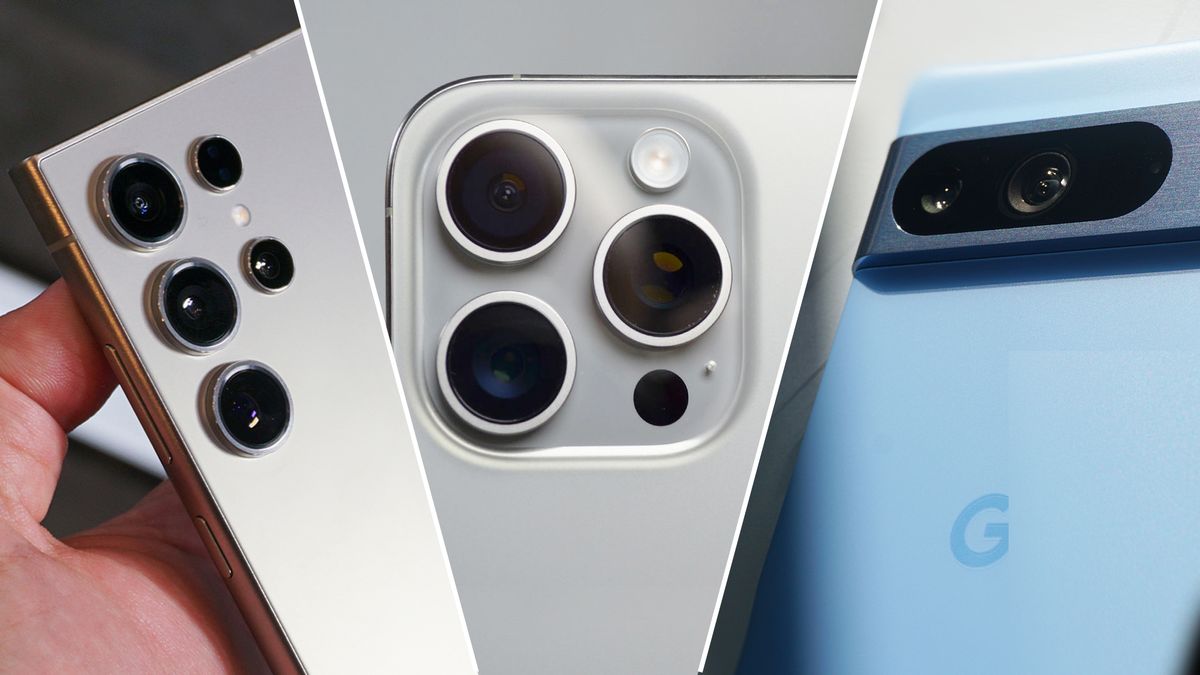
A comparison of the iPhone 15 Pro Max, Pixel 8 Pro, and Galaxy S24 Ultra camera phones reveals their strengths and weaknesses in various photography scenarios, including standard, zoom, low light, portrait mode, selfies, and video capture. Each phone has its own standout features, such as the Pixel's Night mode photography, the iPhone's bokeh, and the S24 Ultra's versatility. The winner depends on individual preferences, with each device offering top-notch photographic capabilities.
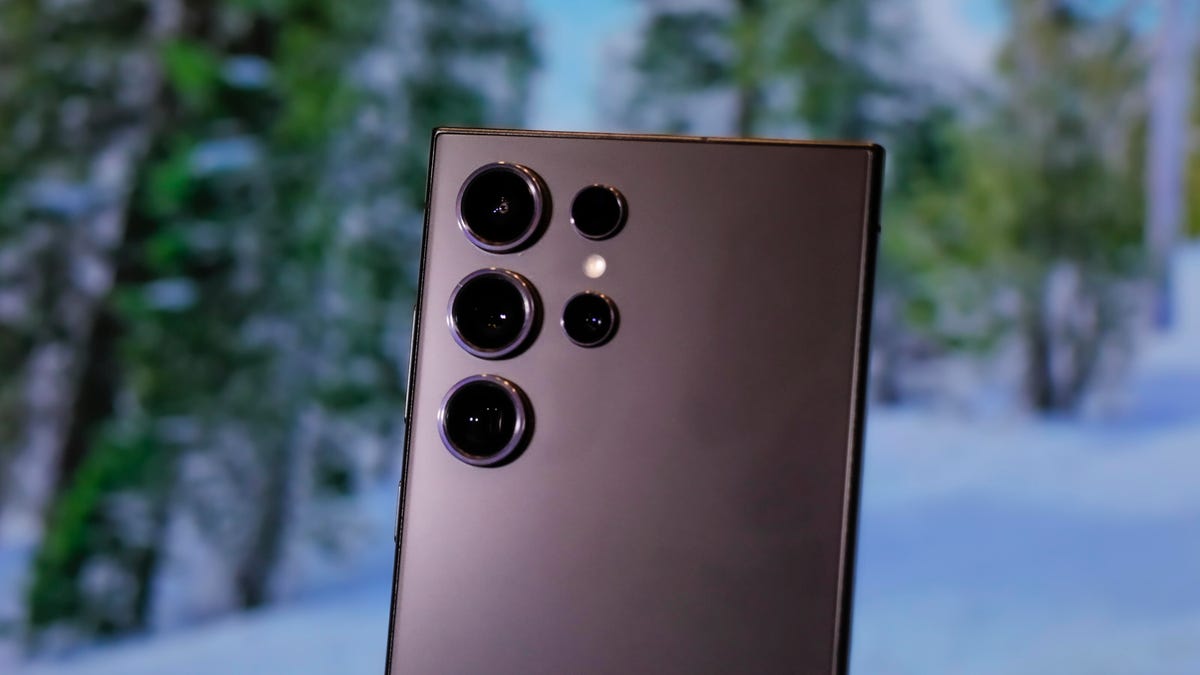
A photojournalist took the Samsung Galaxy S24 Ultra to Lake Tahoe during a historic blizzard, capturing stunning images of the extreme conditions and aftermath. The phone's powerful cameras and zoom lenses proved useful in documenting the blizzard's impact, from snow-covered landscapes to stranded vehicles. Despite challenges such as delayed focus and panning lag, the S24 Ultra showcased impressive color rendering, exposure, and detail in various shooting scenarios, including action shots and portraits. The compact and powerful smartphone became an essential tool for capturing the unforgettable moments amidst the extreme conditions.