Tag

Computational Photography

All articles tagged with #computational photography

technology2 months ago

Adobe’s Indigo Camera App Nears iPhone 17 Support Amid Selfie Delays

Adobe's Project Indigo, a computational photography app, has finally added support for the iPhone 17 series, after initially struggling with the new square-format selfie sensor and temporarily disabling the front-facing camera. The app, popular for its softer image processing, will enable selfie support with a future iOS update (26.1), but currently only supports the rear camera on iPhone 17.

technology6 months ago

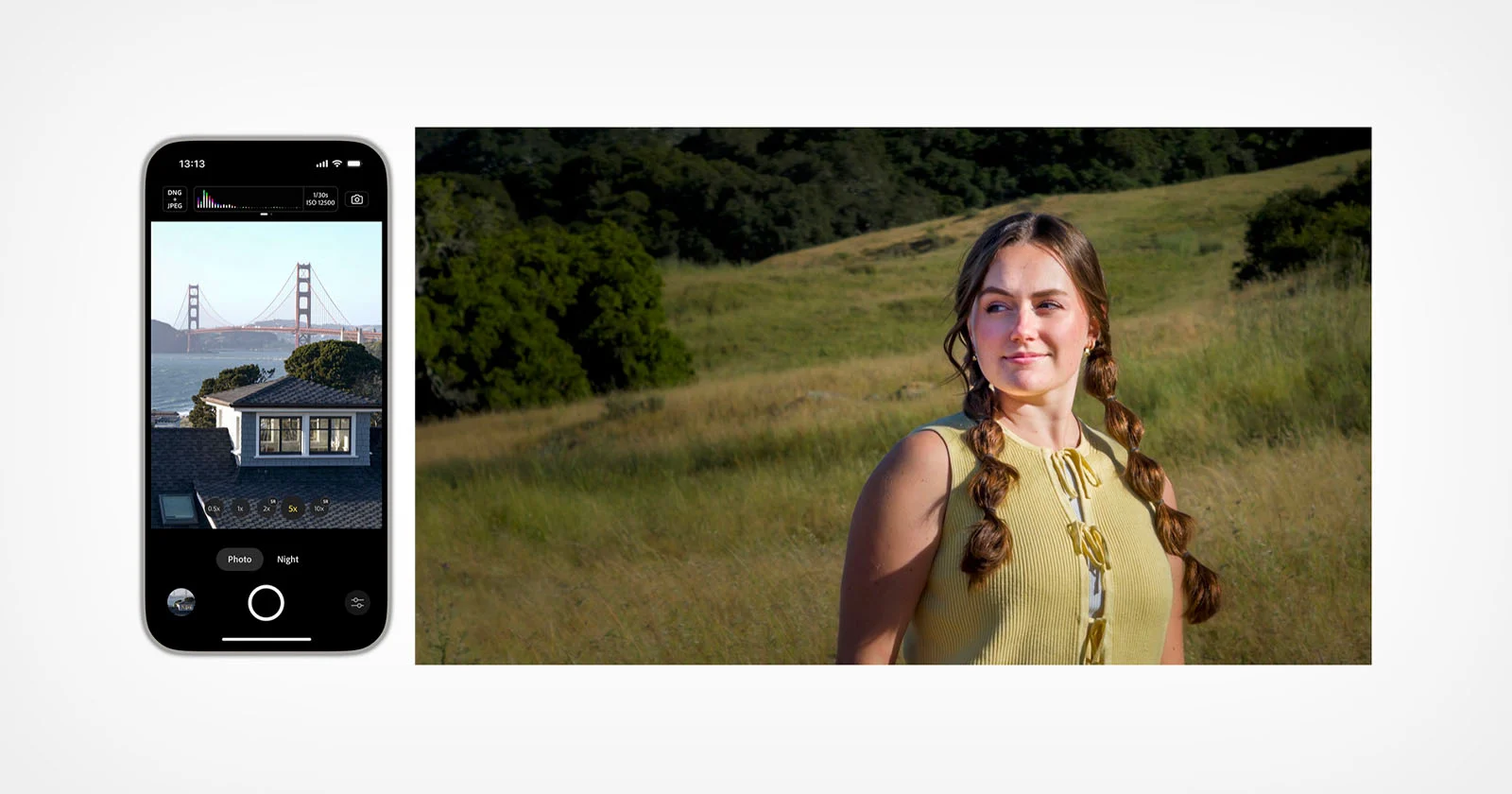
Adobe Unveils Indigo: A New Computational Camera App for iPhone

Adobe has launched a free experimental iPhone camera app called Project Indigo that offers full manual controls, advanced computational photography features like multi-frame noise reduction, RAW output, and tight Lightroom integration, aiming to provide both casual and professional photographers with a natural, high-quality shooting experience.

technology1 year ago

Google Pixel 9a Leak Reveals Major Camera Design Overhaul

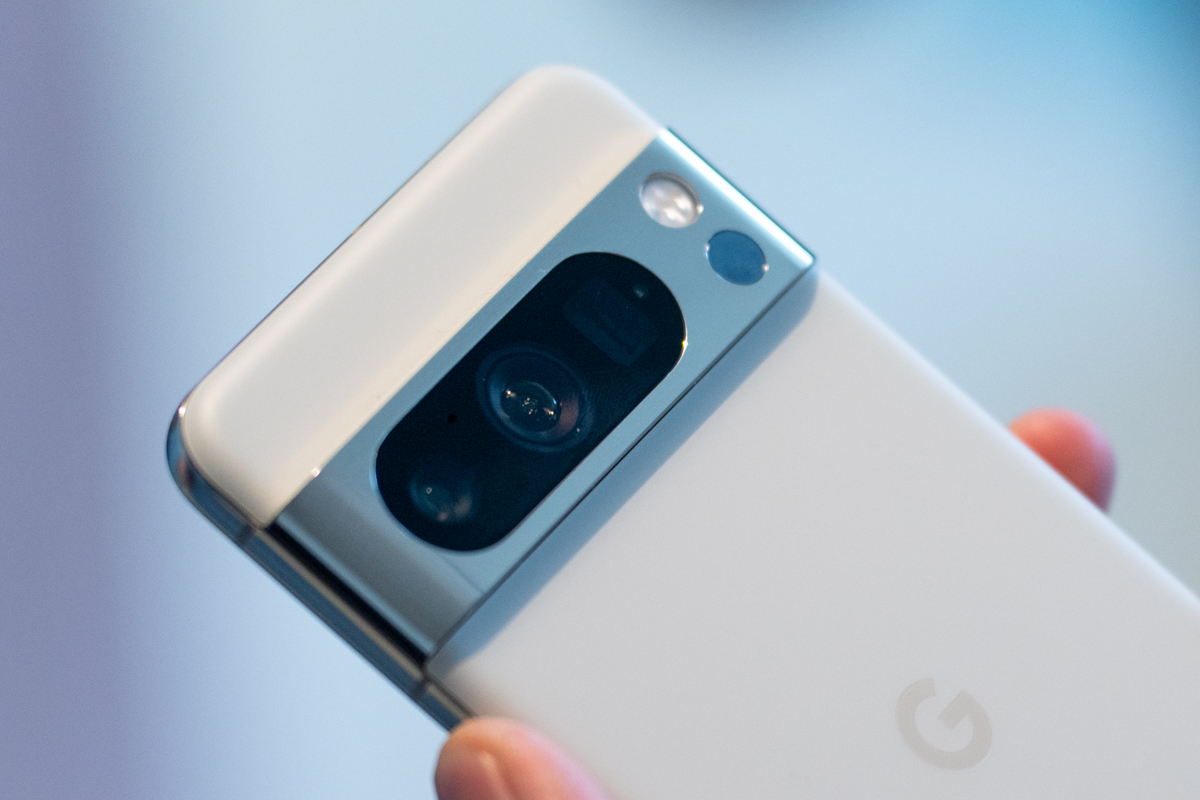
Google's upcoming Pixel 9A is rumored to abandon the signature camera bar design in favor of a flush camera setup, likely due to advancements in computational photography. This change could test whether a smaller sensor can maintain image quality in mid-range phones. The Pixel 9A is expected to feature a 6.3-inch display with a 120Hz refresh rate and the Tensor G4 chip, though it may use an older modem. The phone could be announced as early as March, aligning with the Android 16 release.

technology2 years ago

"Comparing the Cameras of the iPhone 15 Lineup: A Handy Cheat Sheet"

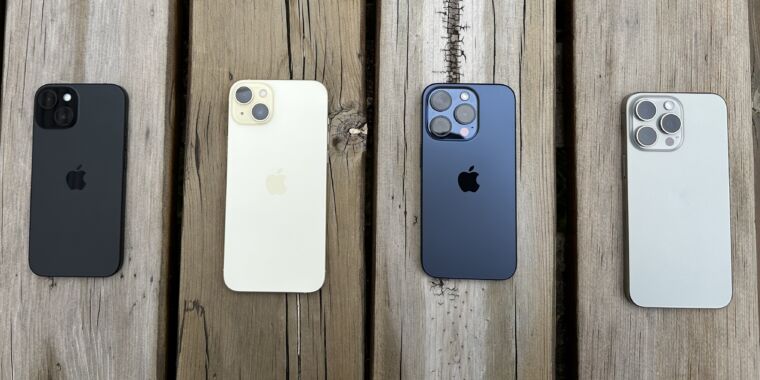
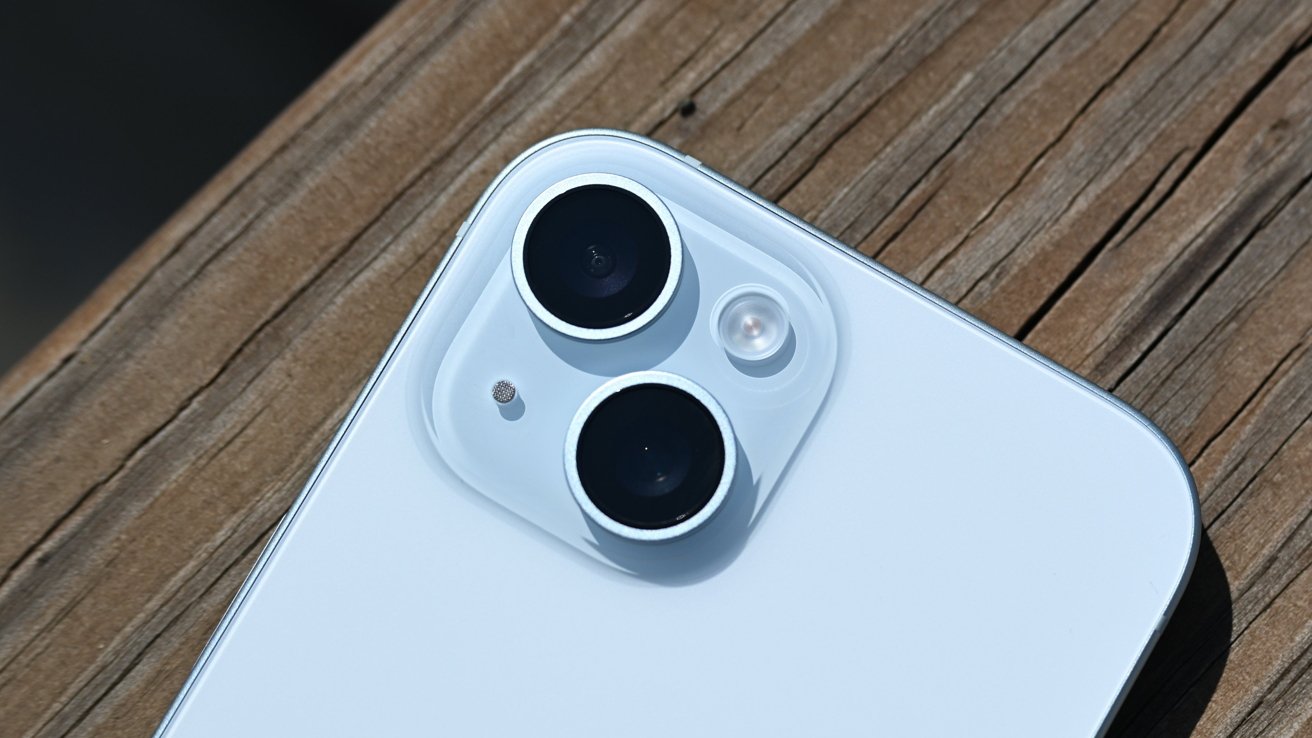
A guide comparing the cameras of the iPhone 15 lineup has been provided, focusing on the iPhone 15, iPhone 15 Pro, and iPhone 15 Pro Max. The article explains the features and capabilities of each camera, including computational photography techniques like SmartHDR and Night Mode. The iPhone 15 is recommended for most users, as it offers a 48MP main camera, 2x zoom, and 0.5x ultra-wide camera. The iPhone 15 Pro adds a more powerful sensor, improved optical image stabilization, a third telephoto lens for 3x zoom, and ProRAW support. The iPhone 15 Pro Max offers a 5x zoom lens in addition to the features of the Pro model.

technology2 years ago

Decoding the Enigma: Unraveling the Viral 'Glitch in the Matrix' iPhone Wedding Photo

A viral iPhone wedding photo that appeared to show the subject with different poses in the mirrors has been explained. The photo, which sparked speculation about a glitch in the iPhone's computational photography processing, was actually taken in panorama mode. The photo's metadata revealed that it had a different resolution and aspect ratio than the native settings of the iPhone 12, indicating that it was a panorama shot. The lack of the panorama symbol in the photo's info section led to confusion. The explanation highlights the importance of completing a full sweep when using panorama mode on an iPhone.

technology2 years ago

Unraveling the Mystery: The Logical Explanation Behind the 'Glitch' in the iPhone Bridal Photo

A viral bridal photo showing a woman in three poses at once was not a result of image manipulation or glitched technology, but rather the iPhone 12's panoramic mode. The camera takes multiple pictures and stitches them together, resulting in wacky artifacts like missing arms and distorted faces. The phenomenon was reproduced in a video, debunking any theories of parallel realities.

technology2 years ago

Unveiling the Truth Behind the Mind-Bending iPhone Bridal Shop Photo

A viral photo showing a woman in a bridal shop with different arm poses in multiple mirrors is being called fake by experts. The image, which gained popularity on Instagram and Twitter, has raised skepticism among iPhone photographers who claim that the phone's photography capabilities would not produce such an image. The woman, Tessa Coates, insists that the photo is real and not manipulated, but experts argue that it is highly unlikely. Some suggest that the image may have been created using a feature similar to Google's Best Take, which is not currently available on iPhones.

technology2 years ago

"Apple's Computational Photography Unveils Reality-Bending Mistake for Bride-to-Be"

A U.K. woman trying on wedding dresses discovered a photo of herself with different poses in each mirror reflection, due to a mistake in Apple's computational photography pipeline. The camera treated the reflections as different people, resulting in three different versions of her. This glitch occurs because the algorithm stitches together multiple images, choosing the best versions for each reflection, but fails to recognize mirrors. This phenomenon has been used by younger generations to create humorous images for social media.

technology2 years ago

"Pixel 8 Pro: The Ultimate Android Phone with a Stellar Camera"

The Google Pixel 8 Pro is primarily a camera upgrade, with improvements in computational photography and editing features. While the phone offers a bright display and a temperature sensor, these additions may not be significant enough to justify an upgrade from the previous model. Google has learned that consumers prefer deliberate changes and innovation while maintaining familiarity. The Pixel 8 Pro is priced at $999, placing it in the flagship club, but Google's promise of software upgrades for seven years adds value for long-term use.

technology2 years ago

The Controversy Surrounding Samsung's AI-Processed Moon Photos

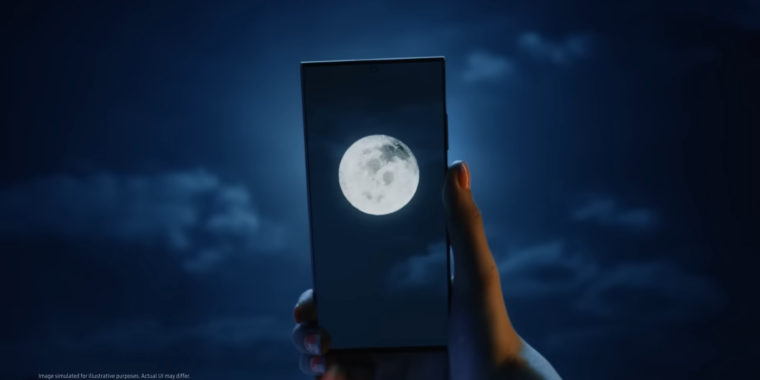
Samsung's "Moon Mode" feature on its smartphones uses AI to add details to moon photos that the camera can't capture. A Reddit user accused Samsung of "faking" moon photos, claiming that the AI system can be tricked by blurring and compressing the original photo and then taking a picture of the monitor. Samsung responded, stating that the AI system uses "reference" photos to add details and improve the quality of moon photos. Computational photography is necessary for smartphone cameras due to their small lenses, and Samsung's moon photography mode is an example of the fun AI tricks that can be done with niche camera modes.