Tag

Milkyway

All articles tagged with #milkyway

Caltech Astronomer Killed at Home; Suspect Charged in Murder
science13 days ago

Caltech Astronomer Killed at Home; Suspect Charged in Murder

A renowned Caltech astronomer, Carl Grillmair, who studied distant planets and the Milky Way, was shot and killed at his Llano home outside Los Angeles. Authorities arrested 29-year-old Freddy Snyder, charging him with Grillmair’s murder as well as related carjacking and burglary in other cases. Grillmair’s decades-long career included leadership at Caltech’s Infrared Processing and Analysis Center and NASA collaborations, earning a NASA Exceptional Scientific Achievement Medal in 2011 for a discovery related to water on a distant planet.

Exploring the Secrets of Galactic Archaeology
science1 year ago

Exploring the Secrets of Galactic Archaeology

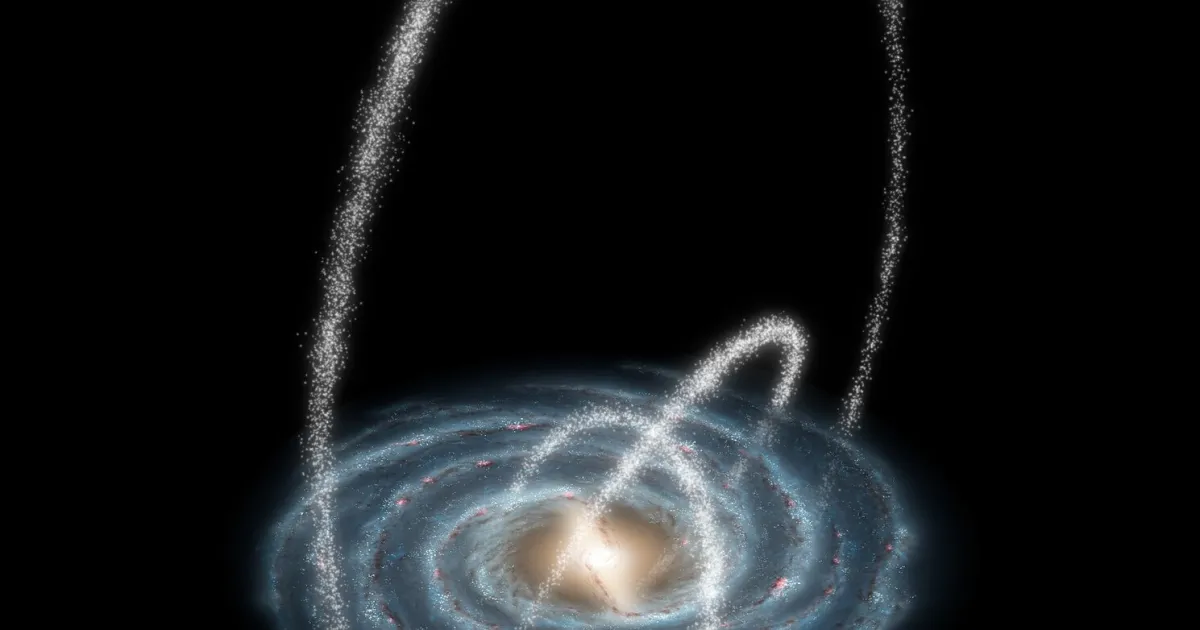
The podcast episode discusses the concept of galactic archaeology, which allows scientists to reconstruct the history of the Milky Way and the universe by analyzing data from various telescopes, both large and small. By examining different wavelengths of light and rare star species, researchers can piece together the galaxy's past, including its merger history. The episode highlights the contributions of smaller telescopes in this field, emphasizing their significant impact alongside major observatories.

"Globular Cluster VVV CL002's Inward Spiral to the Heart of the Milky Way"
science-and-technology2 years ago

"Globular Cluster VVV CL002's Inward Spiral to the Heart of the Milky Way"

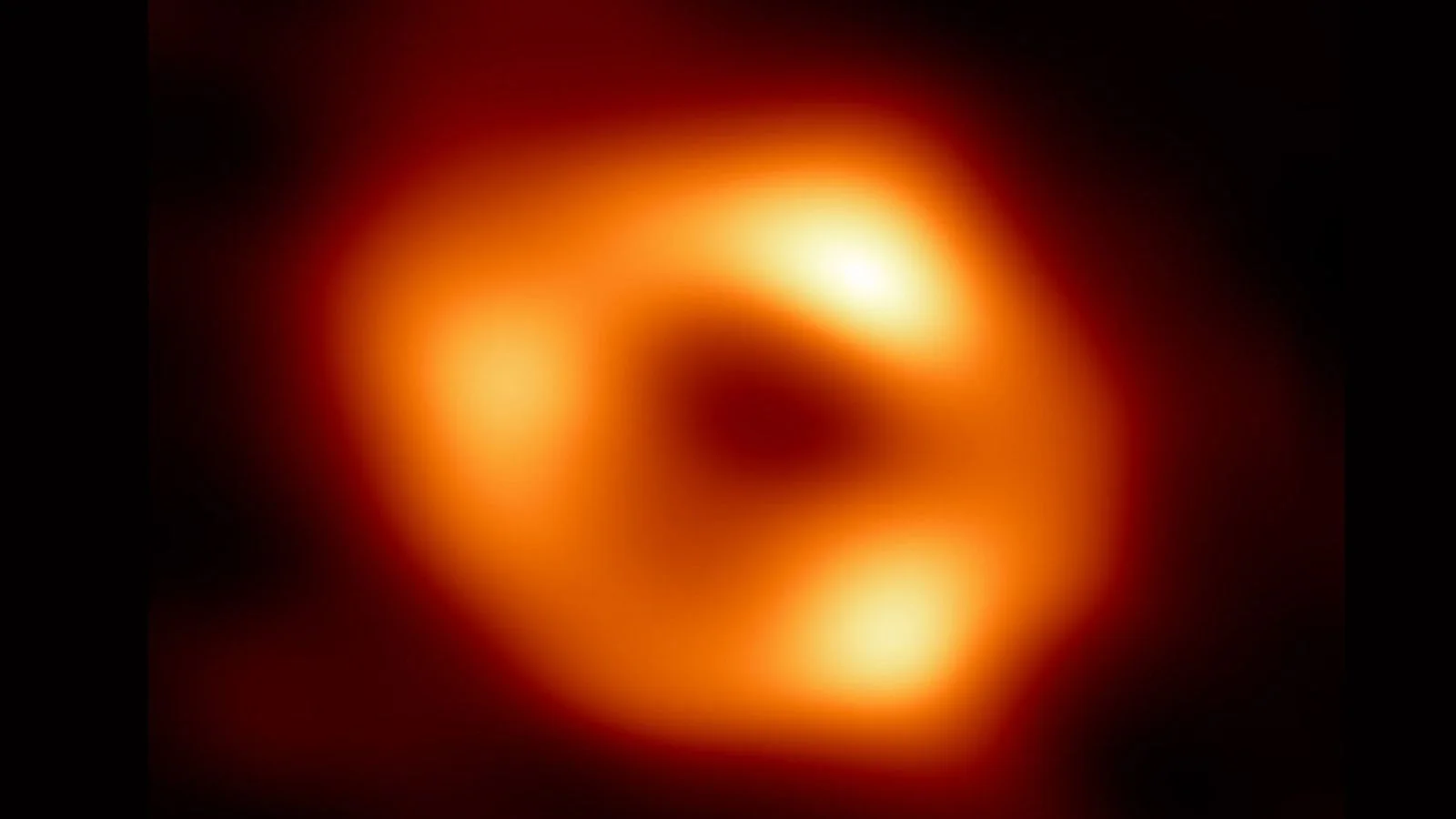
Astronomers have discovered a globular cluster, VVV CL002, that is rapidly moving toward the Milky Way's center, which is dominated by powerful tidal forces and the supermassive black hole Sagittarius A*. This cluster is the closest known GC to the galactic center, with an orbit ranging from 619 to 3,400 light-years away. Its metallicity measurements suggest it is an old cluster, formed far from its current location. The study of VVV CL002 provides insights into the survival and migration mechanisms of globular clusters near the galactic center, although it is likely doomed to eventual destruction due to its trajectory towards this tumultuous region.

"Hidden Companion: Second Galaxy Discovered Behind Milky Way Neighbor"
science-and-astronomy2 years ago

"Hidden Companion: Second Galaxy Discovered Behind Milky Way Neighbor"

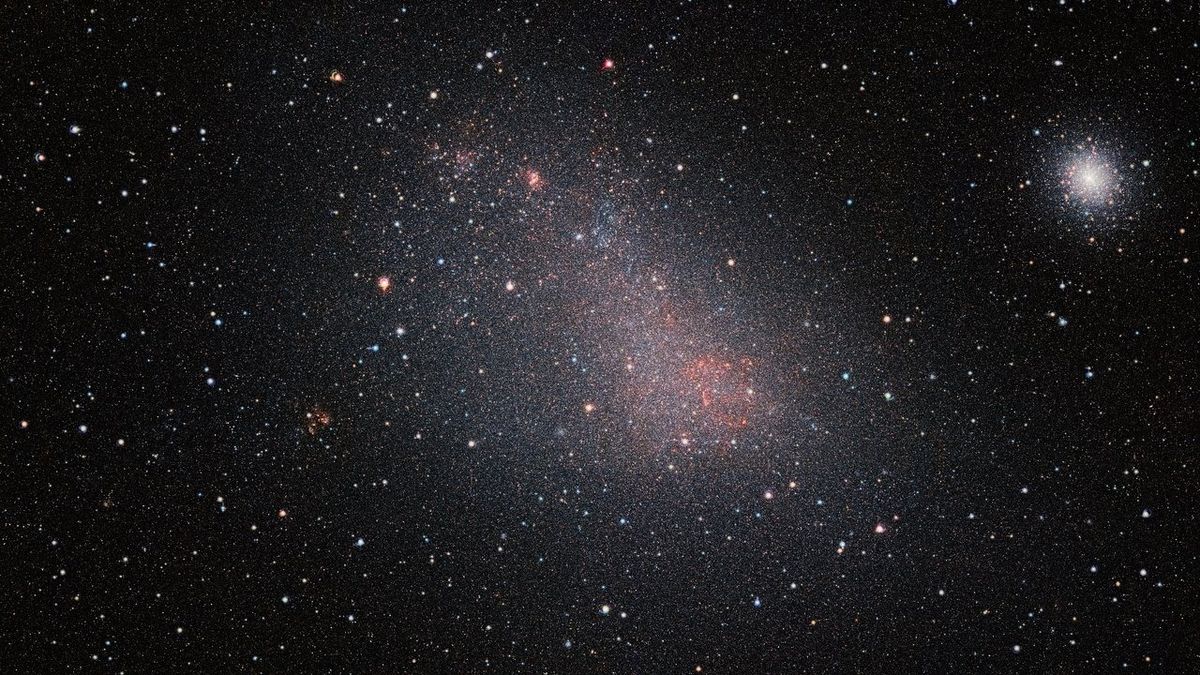
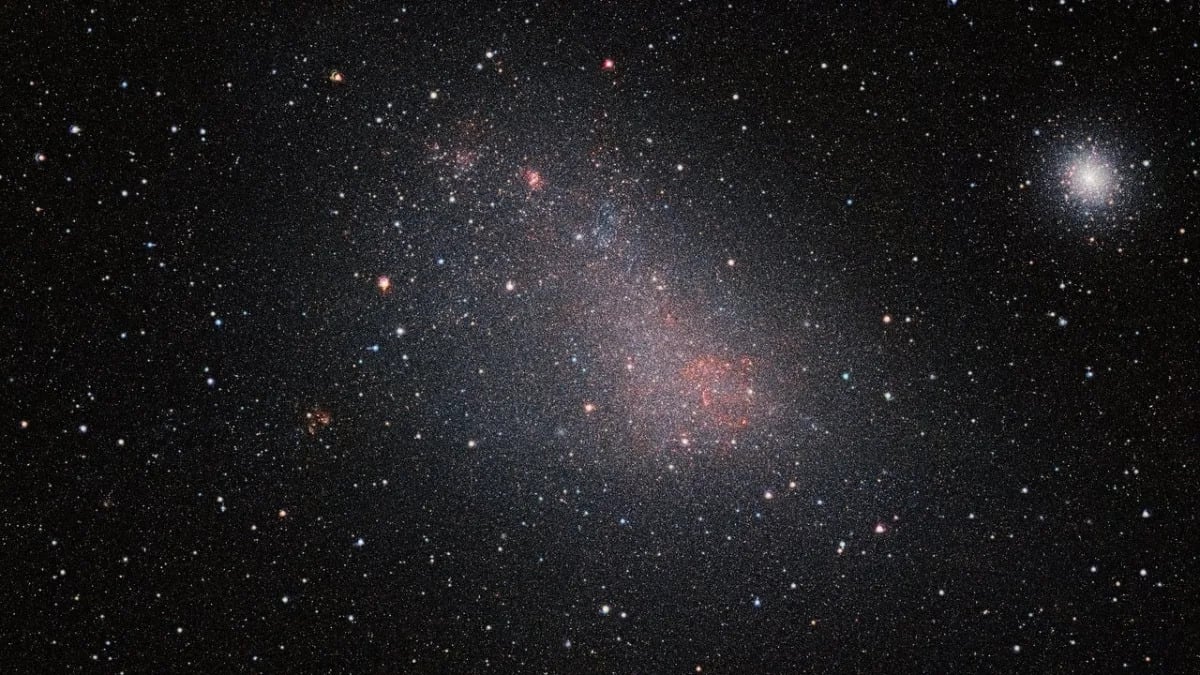
Astronomers have discovered that the Small Magellanic Cloud, a satellite galaxy of the Milky Way, is actually composed of two galaxies, one behind the other. Using the Australian Square Kilometre Array Pathfinder and ESA's Gaia spacecraft, researchers observed distinct movements and compositions in gas clouds and young stars, suggesting the presence of two separate stellar nurseries. This finding challenges previous perceptions of the Small Magellanic Cloud's structure and may lead to a reevaluation of its name and classification. The research, led by Claire Murray, awaits publication in The Astrophysical Journal.

"Hidden Companion: Second Galaxy Discovered Behind Milky Way Neighbor"
science-and-astronomy2 years ago

"Hidden Companion: Second Galaxy Discovered Behind Milky Way Neighbor"

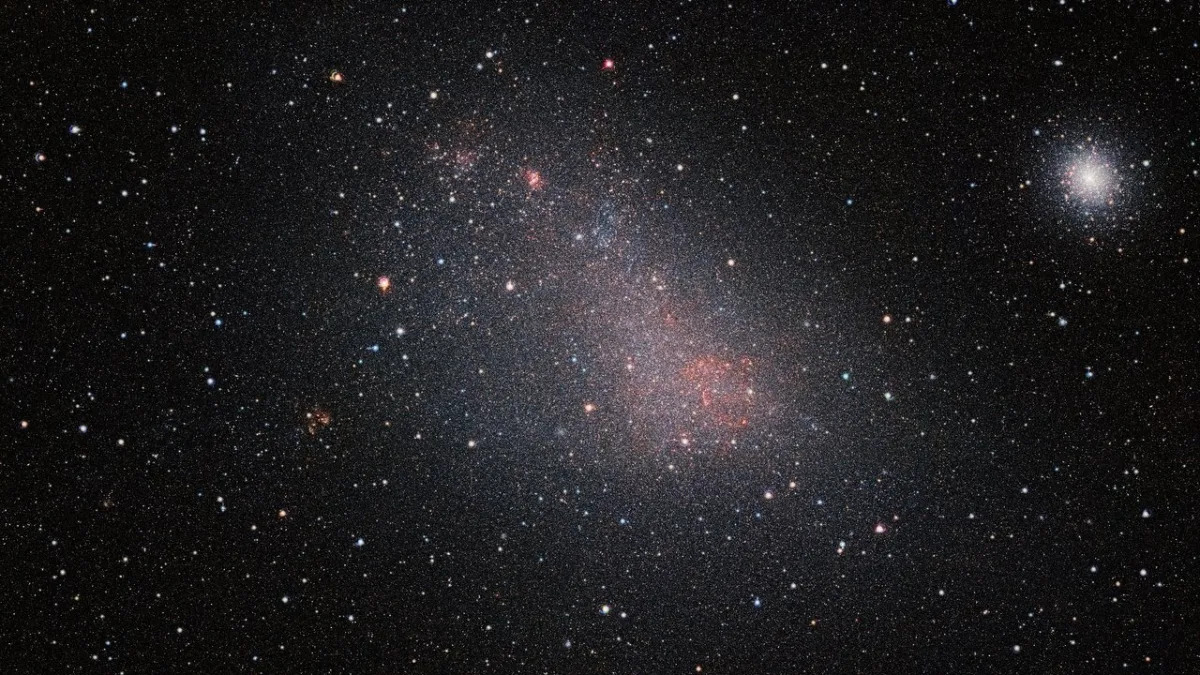
Astronomers have discovered that the Small Magellanic Cloud, a satellite galaxy of the Milky Way, is actually two galaxies, one behind the other. Claire Murray's team used the Australian Square Kilometre Array Pathfinder and ESA's Gaia spacecraft to observe the movement of gas and young stars, revealing two distinct star-forming regions with different metal abundances and distances from Earth. This finding challenges previous notions of the Small Magellanic Cloud's structure and may lead to a renaming of the galaxy, as it could be two separate celestial objects. The research awaits publication in The Astrophysical Journal.

"Hidden Companion: Second Galaxy Discovered Behind Milky Way Neighbor"
science-and-astronomy2 years ago

"Hidden Companion: Second Galaxy Discovered Behind Milky Way Neighbor"

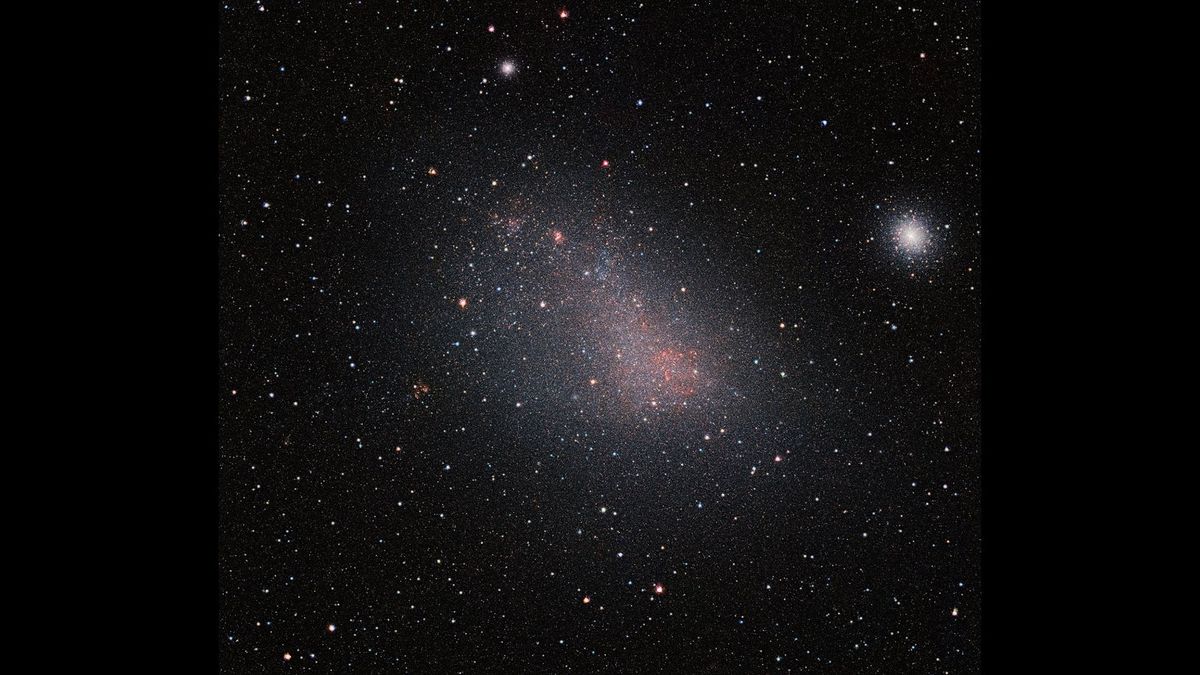
Astronomers have discovered that the Small Magellanic Cloud, a dwarf galaxy near the Milky Way, is actually two galaxies, one behind the other. Claire Murray's team used the Australian Square Kilometre Array Pathfinder and ESA's Gaia spacecraft to observe the movement of gas and young stars, revealing two distinct star-forming regions with different metal abundances and distances from Earth. This finding challenges previous perceptions of the Small Magellanic Cloud and suggests it may need to be reclassified if the two objects are indeed separate galaxies. The research is set to be published in The Astrophysical Journal and is currently available on arXiv.

"Hidden Companion: The Dual Galaxy Mystery of the Small Magellanic Cloud"
science-and-astronomy2 years ago

"Hidden Companion: The Dual Galaxy Mystery of the Small Magellanic Cloud"

Astronomers have discovered that the Small Magellanic Cloud, a dwarf galaxy near the Milky Way, may actually be two galaxies, one obscured behind the other. Using the Australian Square Kilometre Array Pathfinder and ESA's Gaia spacecraft, researchers observed distinct movements and compositions in two separate regions of star formation, suggesting the presence of two celestial objects with similar masses. This finding challenges the previous understanding of the Small Magellanic Cloud's structure and may lead to a reevaluation of its classification and name.

"VVV CL002 Globular Cluster's Inevitable Plunge Towards Galactic Core Revealed"
science-and-technology2 years ago

"VVV CL002 Globular Cluster's Inevitable Plunge Towards Galactic Core Revealed"

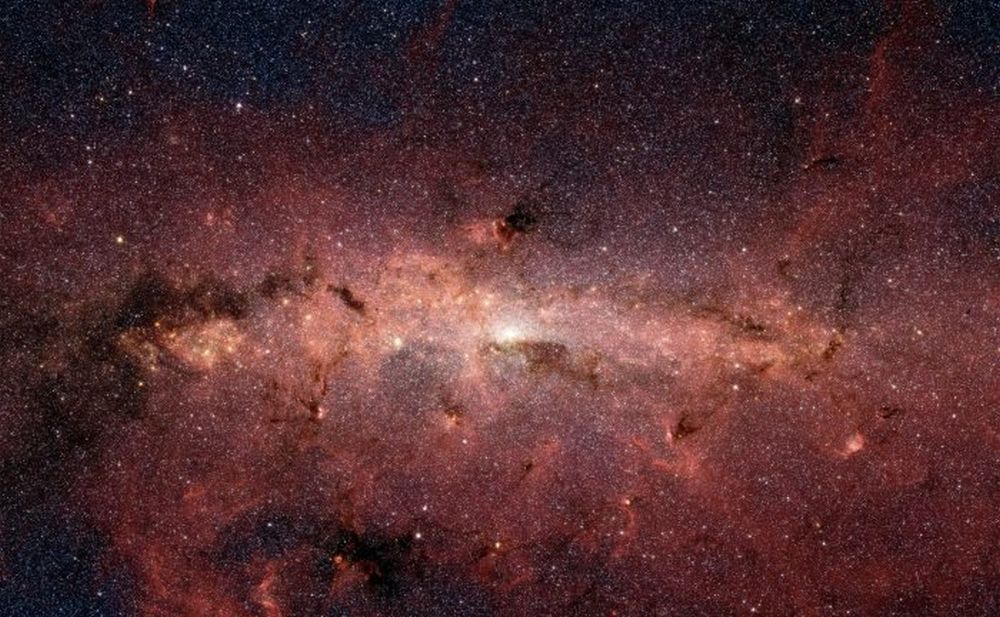
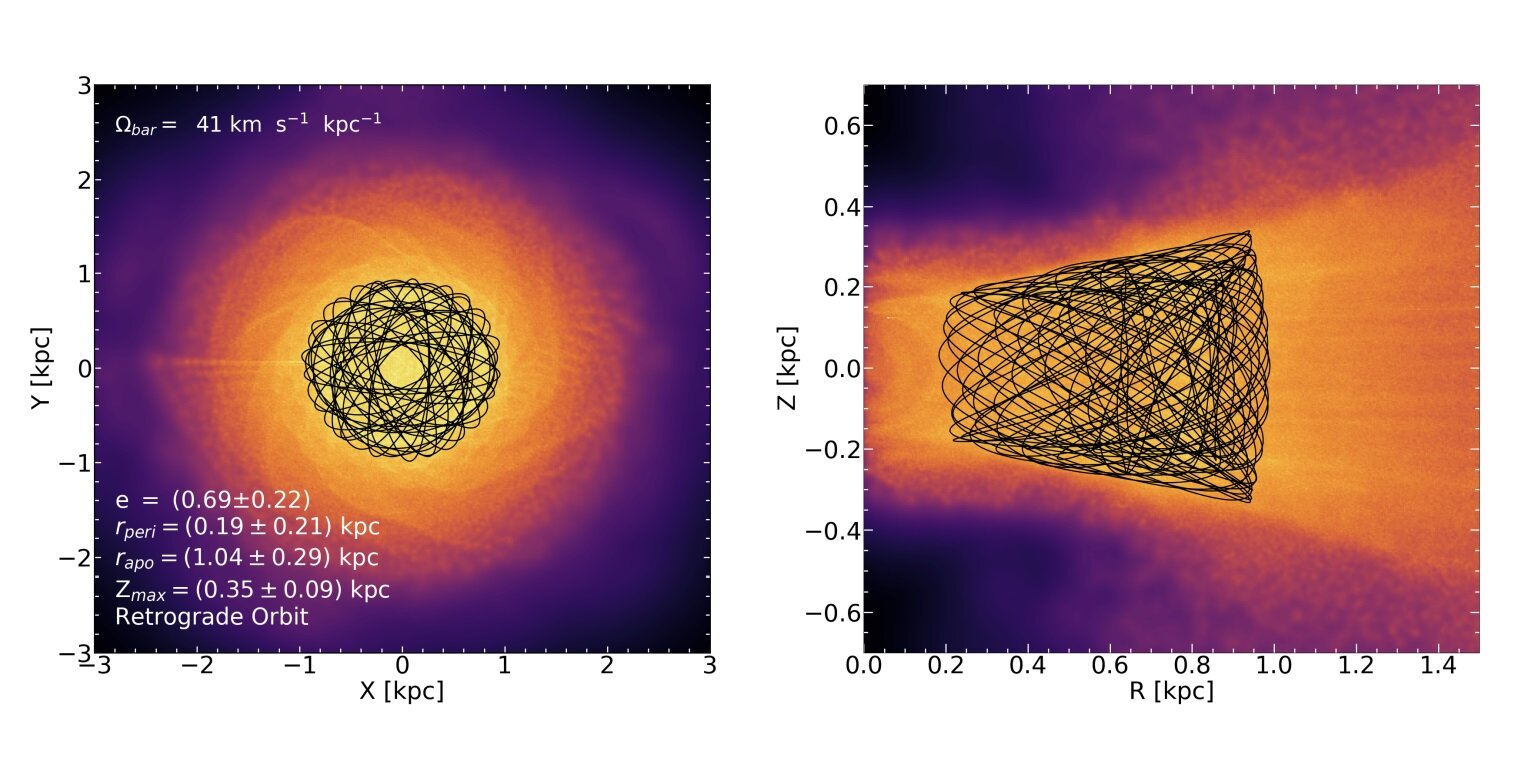
Astronomers using the Magellan Clay telescope have discovered that the globular cluster VVV CL002 is on a tight retrograde orbit and is falling towards the Milky Way's center. The cluster, located 23,800 light years away and discovered in 2011, has a high eccentricity orbit with perigalactocentric and apogalactocentric distances indicating it is well within the galactic bulge. The study, which also analyzed the cluster's chemical composition, suggests that VVV CL002 is an old cluster that was formed outside the central region and is now spiraling inward, likely to be destroyed in the future. Further observations could provide insights into the survival and migration of such clusters.