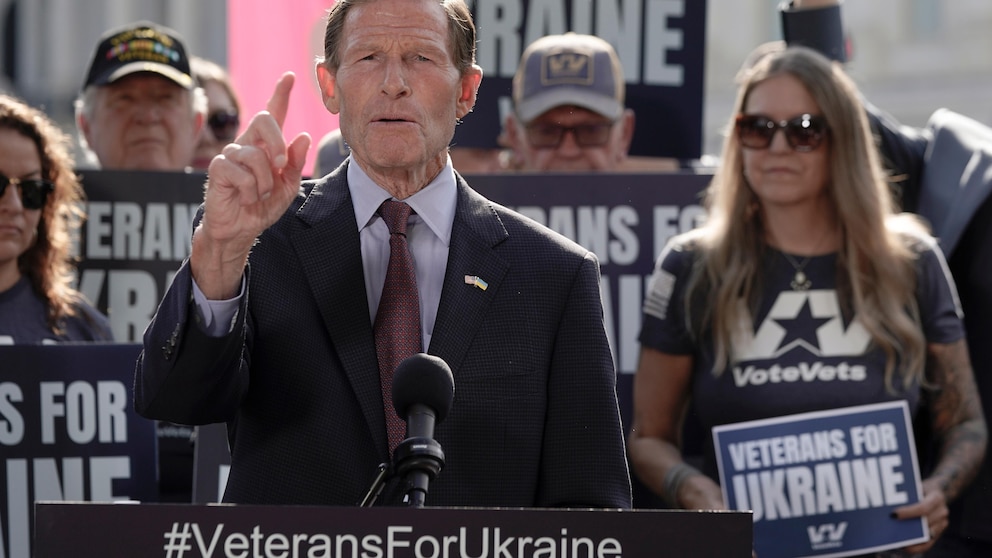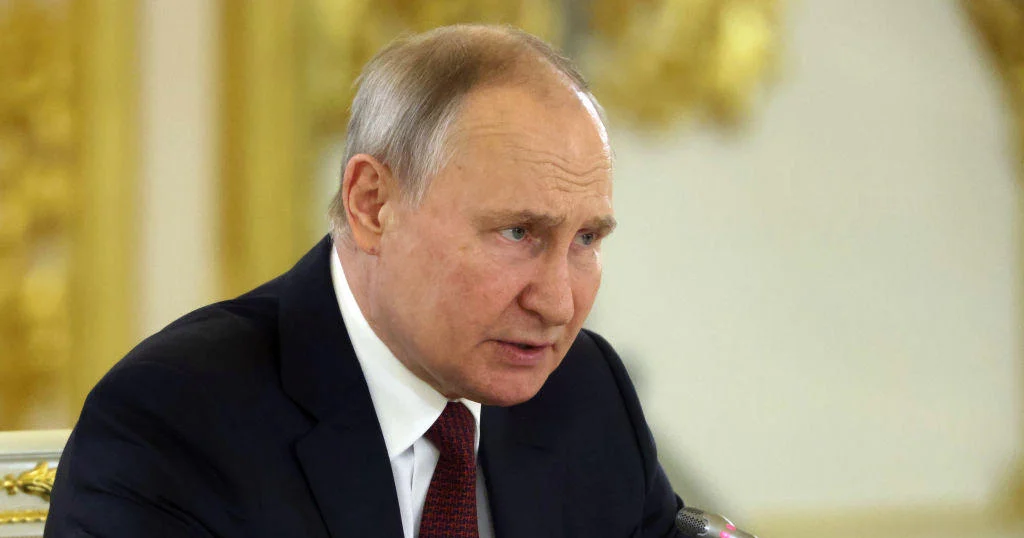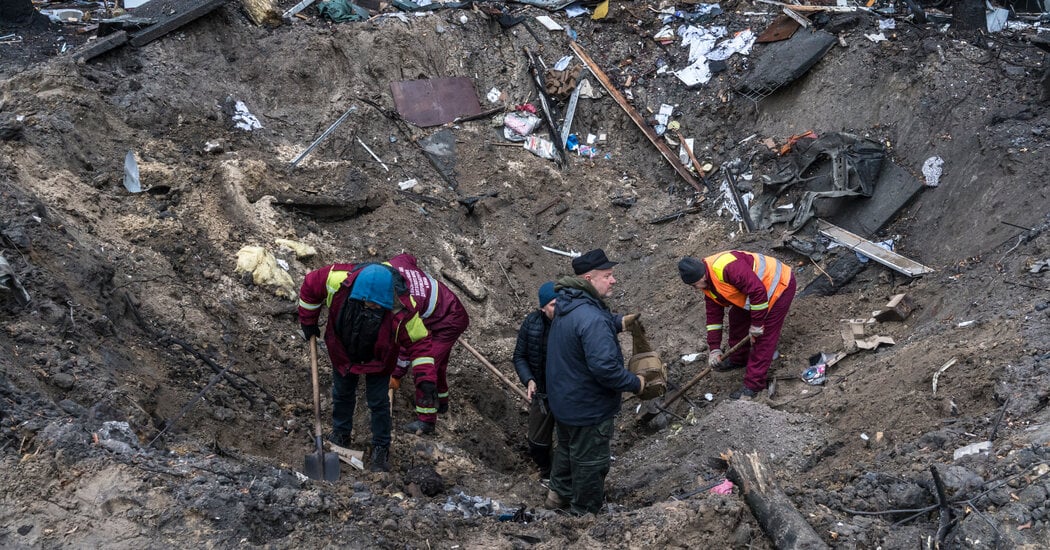
The Biden administration plans to crack down on banks and financial services firms that are helping Russia evade sanctions on military technology and equipment, which are aiding its war against Ukraine. Despite previous attempts to restrict Russia's access to banned products, an illicit network of traders and smugglers, supported by shadowy financial firms, has enabled Russia to restock its military arsenal. President Biden will sign an executive order granting the Treasury Department broader powers to impose sanctions on financial institutions involved in these illicit transactions. The move aims to disrupt Russia's military industrial complex and encourage American and European financial firms to pressure banks in other countries to avoid Russian smuggling schemes.
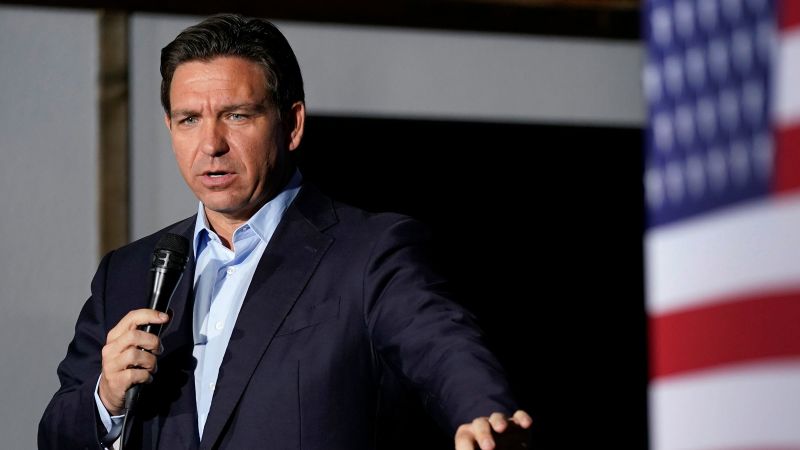
Two cargo planes arranged by Florida Governor Ron DeSantis to transport supplies to Israel also carried drones, body armor, and helmets for the Israeli government. Initially, DeSantis' office stated that the flights contained medical supplies and other humanitarian aid, but did not mention the military equipment. The governor's office confirmed the inclusion of the additional equipment, stating that it was at the request of the Israeli Consul General. DeSantis has been promoting his efforts to assist Israel in the aftermath of the recent conflict with Hamas, accusing President Joe Biden of insufficient action. The state of emergency declared by DeSantis allows him to access a $500 million fund without legislative approval.
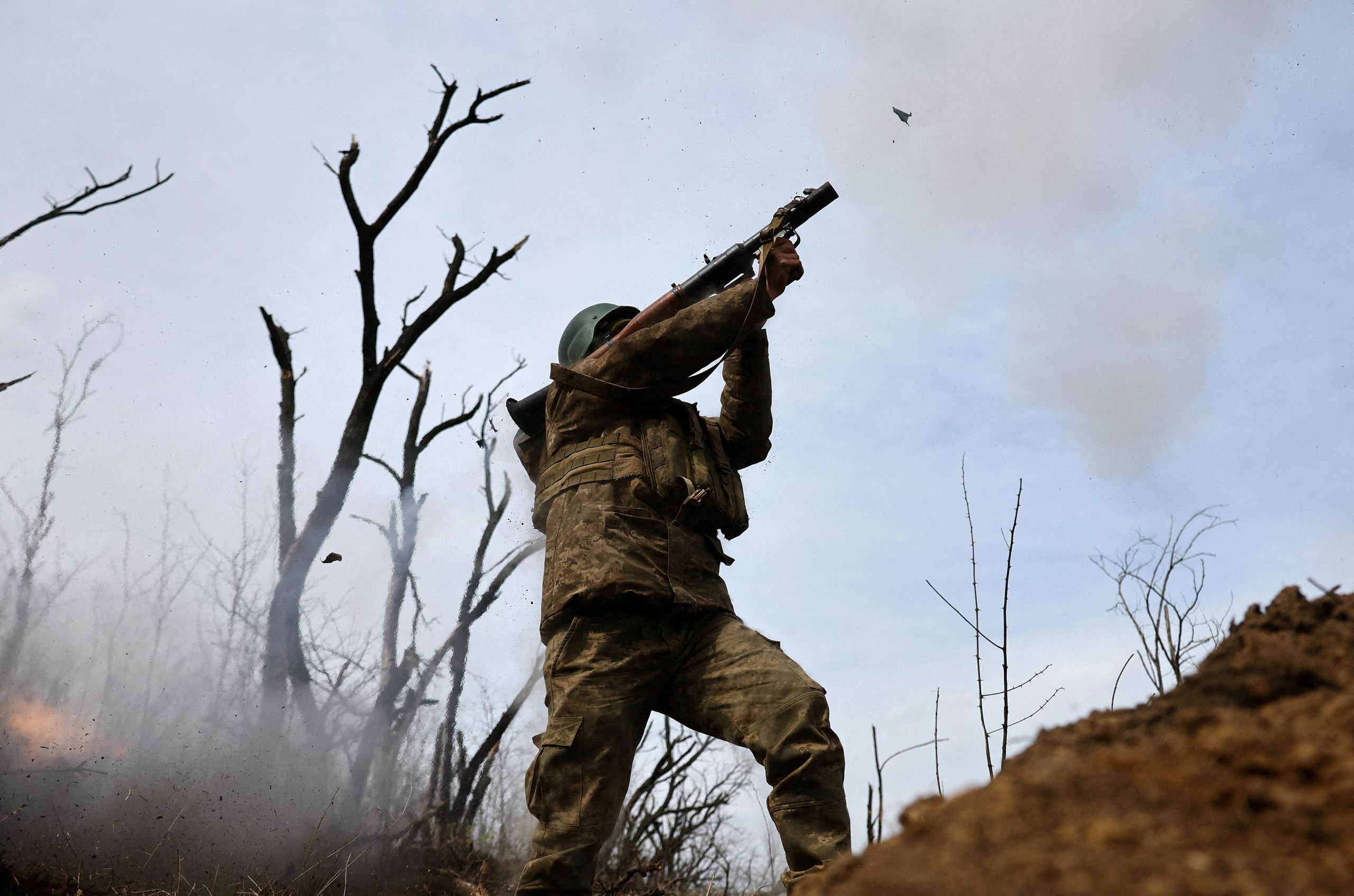
Russia claims to have shot down 31 Ukrainian drones during a large-scale nighttime attack on border regions, marking Kyiv's largest reported cross-border drone assault since the Russian invasion 20 months ago. No immediate reports of damage or casualties were provided. Concerns are growing over Ukraine's ability to replenish its military stocks and the wavering support from Western allies. NATO's military committee head, Adm. Rob Bauer, warned of depleted stockpiles and urged the defense industry to boost production. The Russian Defense Ministry also alleged that Russian aircraft thwarted a Ukrainian attempt to deploy soldiers to Russian-occupied Crimea. The claims could not be independently verified, and Ukrainian officials have not commented. The resupply of Ukraine's armed forces has become more uncertain due to political turmoil in the United States and opposition to sending more military aid to Ukraine. President Joe Biden held a phone call with key allies to coordinate support for Ukraine.
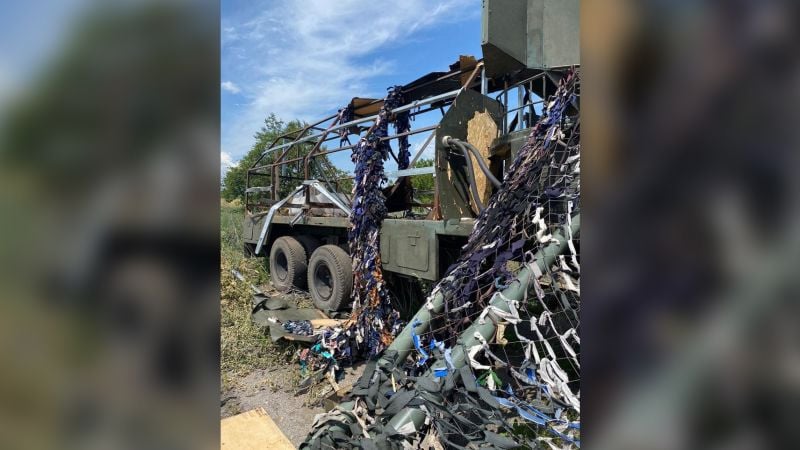
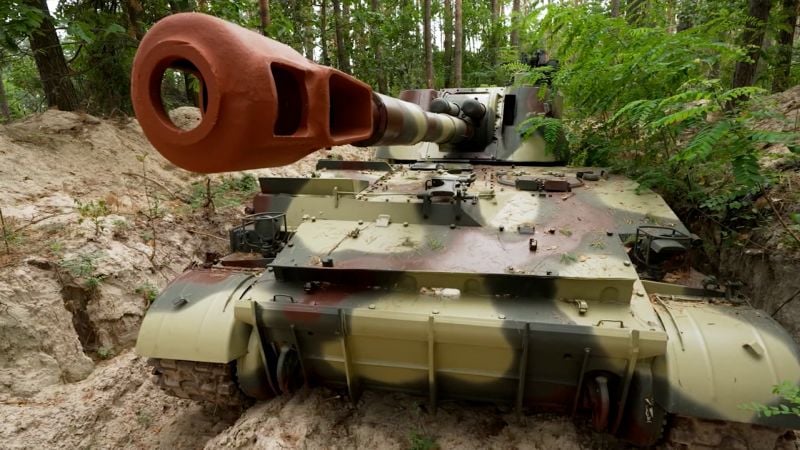
Ukraine is using decoy weapons to deplete the Russian military's supplies, employing an exhaustion strategy in the ongoing conflict between the two countries. By utilizing fake weapons, Ukraine aims to drain Russia's resources without incurring the cost of actual military equipment.
Ukraine is reportedly using decoy weapons to divert Russian military resources away from real military equipment, in an effort to exhaust Russia's supplies as the conflict continues.
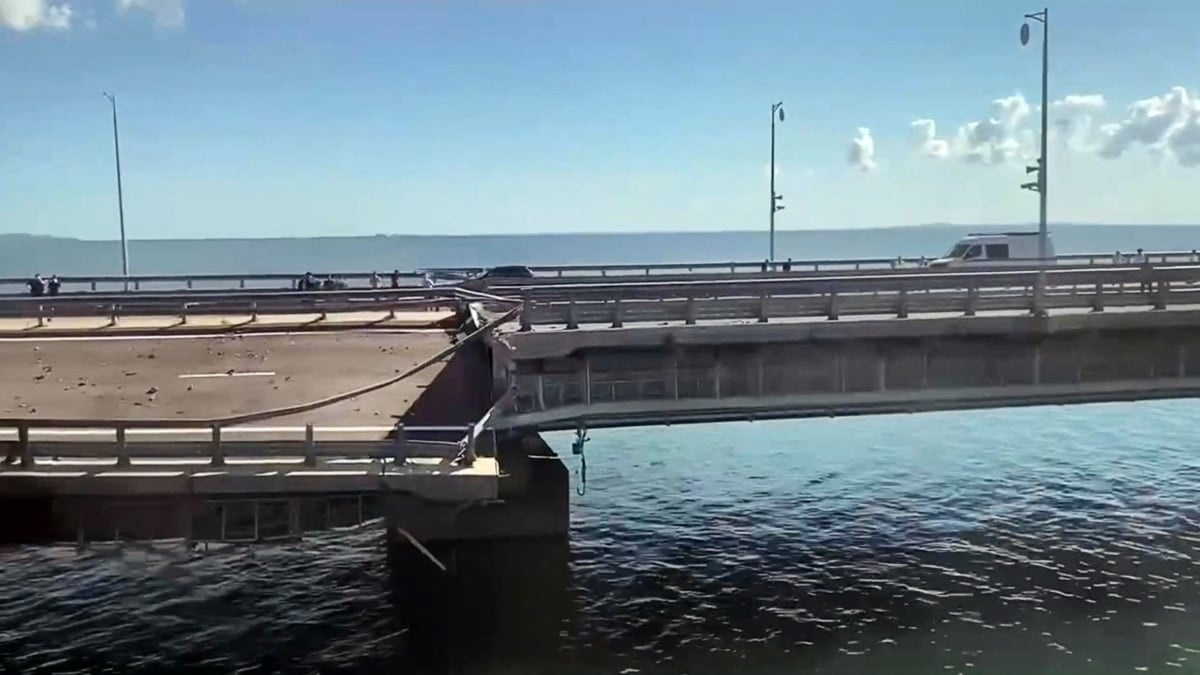
The recent explosion that damaged the Crimea Bridge, the only link between Russia and the occupied Crimea, has disrupted logistical routes supplying Russian military forces in Crimea and southern Ukraine. The bridge is a vital supply artery for heavy equipment, ammunition, and fuel for Russian forces. The attack has caused delays in military supplies and created potential advantages for Ukrainian defense forces. The damage to the bridge has also impacted civilians in Crimea, halting the supply of food and essentials. The explosion reinforces the perception that Crimea is a "frontline zone," and the vulnerability of the bridge's foundation raises concerns about its long-term stability.
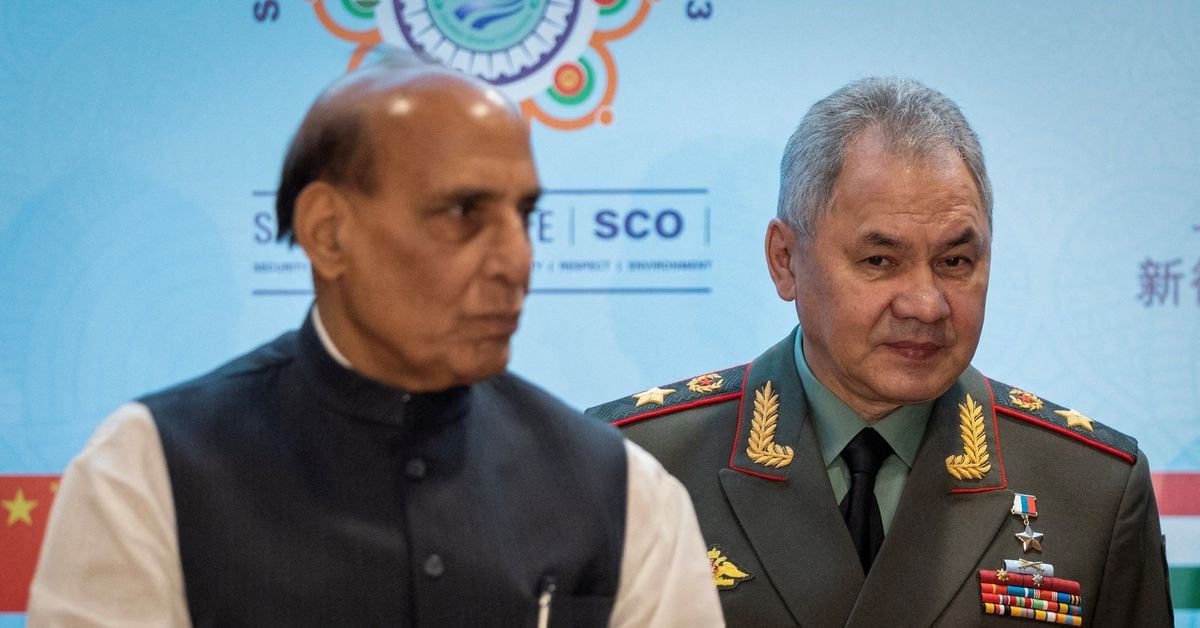
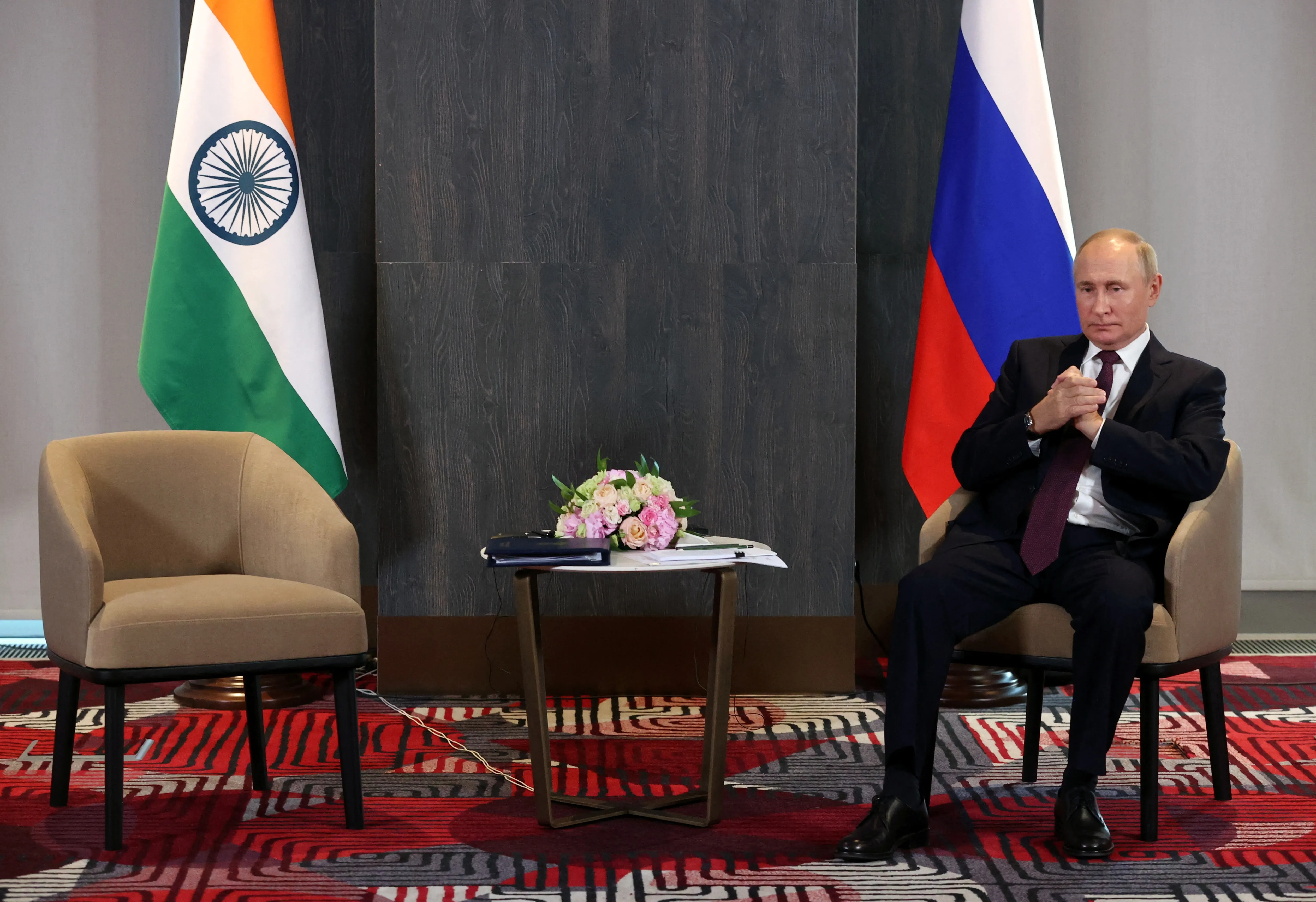
India and Russia have agreed to strengthen their defense partnership, acknowledging their unique and long-lasting relationship. India, the world's largest arms importer, depends on Russia for nearly half its military supplies, but the war in Ukraine has held up supplies of Russian spares critical for India to maintain its tank and fighter jet fleets. Despite criticism from Western leaders, India has increased its trade with Moscow to a record high, driven largely by the import of Russian oil.
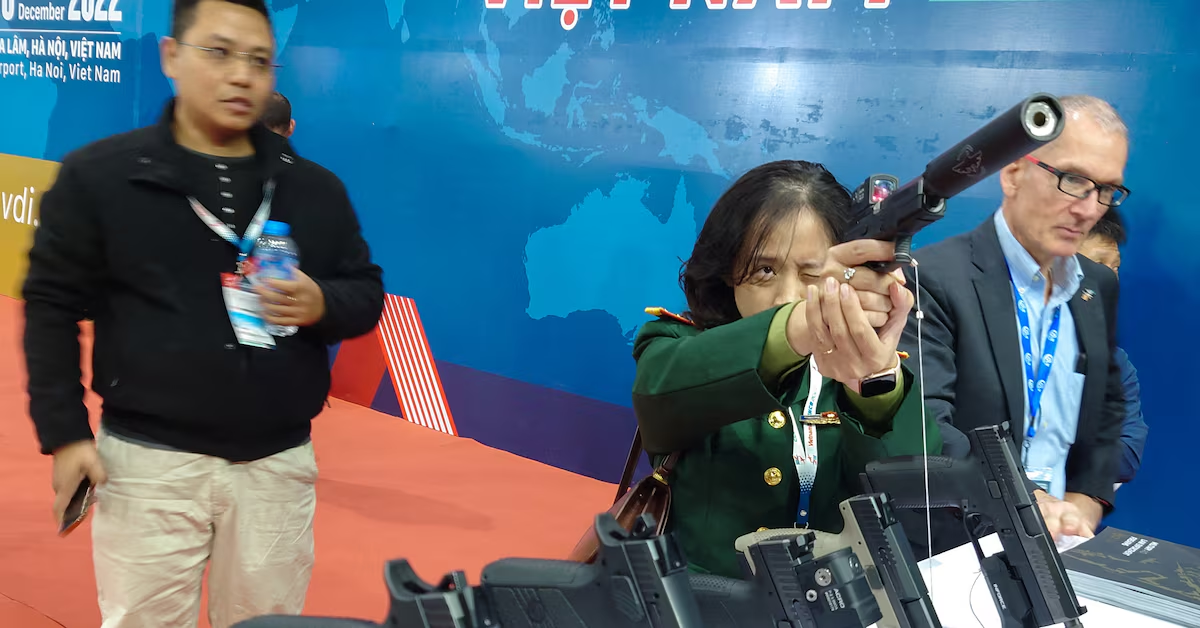
The Czech Republic is in talks with Vietnam for military supplies, including aircraft, radars, upgrades of armored vehicles, and firearms, as Hanoi aims at diversifying its mostly Russian arsenal. Security was one of the top topics discussed with Vietnam leaders by Czech Prime Minister Petr Fiala in a three-day visit to the country last week. The former Soviet satellite state is seen as being well positioned to meet some of Vietnam's growing security needs as its military firms excel in retrofitting Russian gear and often manufacture new equipment that is compatible with Soviet legacy arms.
Russian attacks on Ukraine may soon come to a halt, but Ukraine needs time to prepare for a counteroffensive. Ukraine requires more military supplies, including artillery ammunition, weapons with higher ranges, commercial drones, and electromagnetic drone defense systems. Additionally, Ukraine needs more support for trauma treatment and psychological follow-up for affected servicemen and women. The formula for supporting Ukraine includes remaining active with a steady stream of new supplies, planning systematically for the long term, and focusing consistently and soberly on practical military realities.
India claims that Russia is unable to meet its commitments to deliver vital defense supplies due to the war in Ukraine depleting Moscow's military supplies. The shortage will have a significant impact on India's plans to continue modernizing its forces, with officials saying they had to slash projected spending for the next financial year by a third compared to the previous one. Russia accounted for more than 40% of India's defense imports in 2017, but India has tried to cut its reliance on Russia for the past two decades, instead looking to partners in the United States, France, and Israel to provide the needed equipment.
The Indian Air Force (IAF) has confirmed that Russia is unable to deliver vital defense supplies it had committed to India's military due to the war in Ukraine. The IAF statement is the first official confirmation of such shortfalls. Russia is India's largest source of defense equipment, and the country has been worried that Moscow's invasion of Ukraine could affect military supplies. The biggest ongoing delivery is the S-400 Triumf air defense system units India bought in 2018 for $5.4 billion.
Russian President Vladimir Putin has warned that Moscow will "respond accordingly" if the UK supplies Ukraine with armor-piercing ammunition containing depleted uranium, claiming that they have a "nuclear component." The UK has confirmed that it will provide Ukraine with ammunition, including armor-piercing rounds containing depleted uranium, which are highly effective in defeating modern tanks and armored vehicles. Depleted uranium is a by-product of the nuclear enrichment process used to make nuclear fuel or nuclear weapons.
Chinese companies have reportedly shipped assault rifles, body armor, and drone parts to Russian entities since the war in Ukraine began in 2022. The shipments included around 1,000 assault rifles, 12 tons of body armor, and drone parts. While it is unclear if the Russian military is using any of the assault rifles from the reported shipments in Ukraine, drones from one of the Chinese companies connected to the transactions have reportedly been seen on the battlefield in Ukraine. China has publicly maintained a neutral stance on Russian President Vladimir Putin's war in Ukraine, though Chinese President Xi Jinping remains a Putin ally.