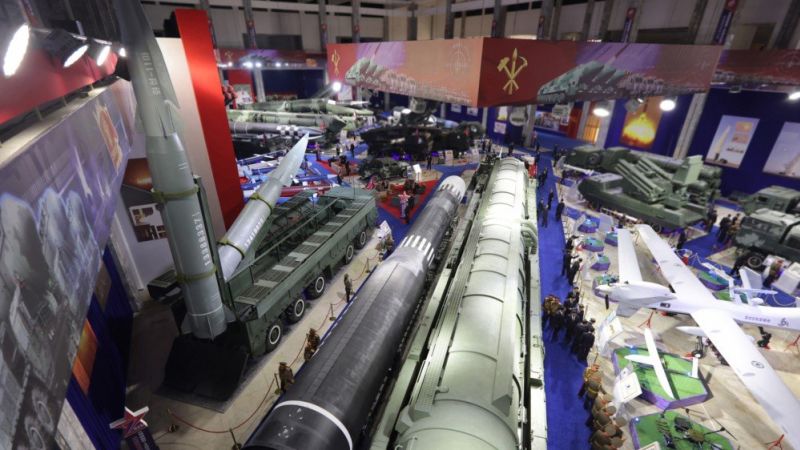
North Korea showcased new hypersonic glide vehicles and intercontinental ballistic missiles (ICBMs) at a military parade celebrating the 80th anniversary of the Workers’ Party, highlighting advancements in its missile technology amid strengthened ties with China and Russia.

The US Air Force conducted a successful test of an air-launched hypersonic weapon in the Pacific Ocean, with a B-52 bomber carrying the Air-launched Rapid Response Weapon (ARRW) from Guam. While the exact speed of the weapon was not disclosed, previous tests have shown it flying at least five times the speed of sound. The development of hypersonic weapons is not unique to the US, with Russia and China also making advancements in this technology.
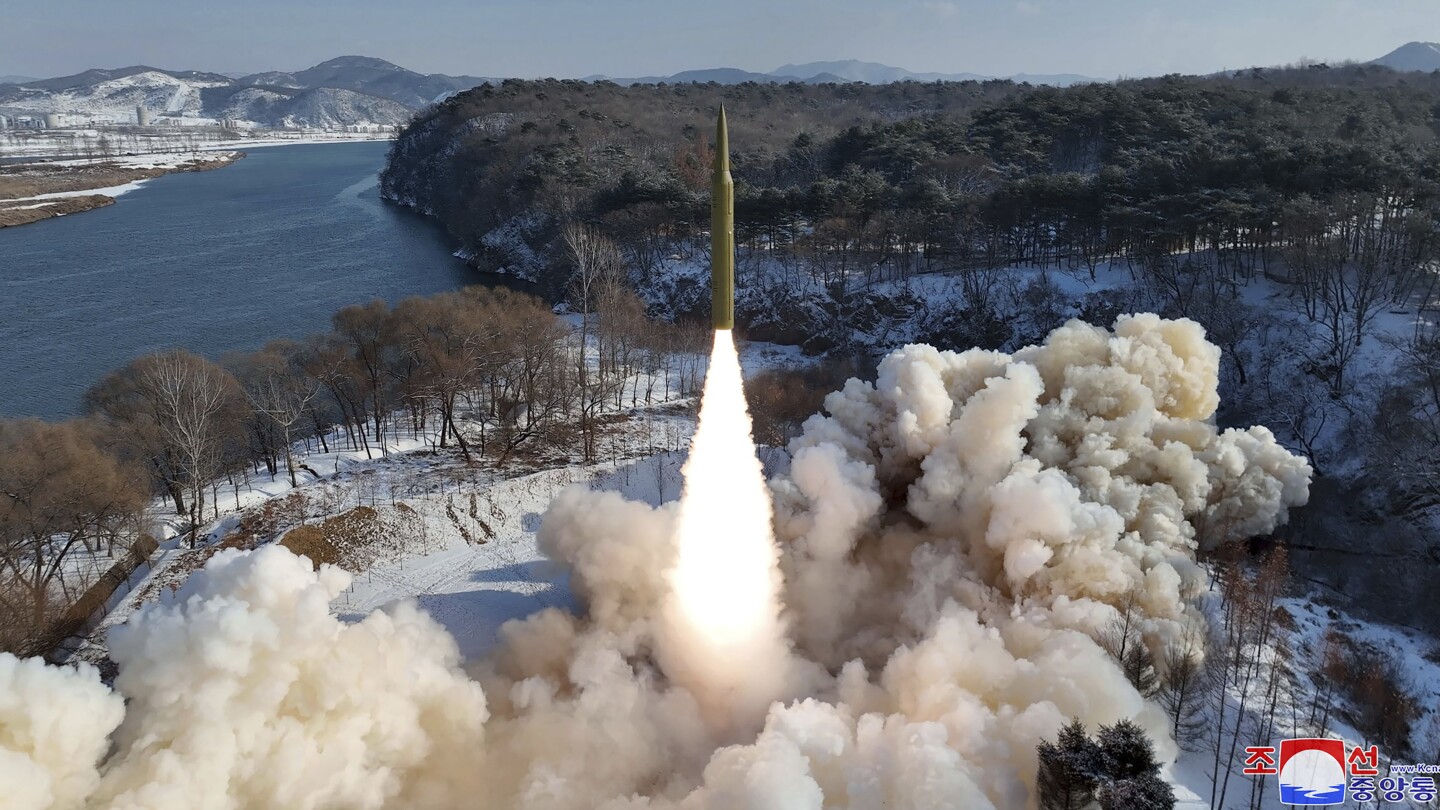
North Korea conducted a test of a new solid-fuel intermediate-range missile with a hypersonic warhead, aiming to enhance its ability to strike remote U.S. targets in the region. The missile flew about 1,000 kilometers before landing between the Korean Peninsula and Japan, demonstrating advancements in solid-fuel and hypersonic technology. The test raises concerns about regional security and international tensions, with South Korea and Japan urging North Korea to halt its ballistic testing activities that violate U.N. Security Council resolutions. Additionally, there are allegations of arms cooperation between North Korea and Russia, further complicating the geopolitical landscape.